Nara Deer Park Tips and Rules: Official Do's, Don'ts and Where to Go
The official Nara deer rules in plain English, a map-order walk past six deer spots, plus Rokuen, shika-yose dates for Dec 2026–Feb 2027 and the no-bins rule.
The most common mistake in Nara Park is treating the deer as tame pets. The Nara Deer Preservation Foundation, which looks after them, says many visitors assume the deer are gentle, walk up to them, and end up gored or knocked down, sometimes seriously. The fix is a short set of rules: feed only shika-senbei (deer crackers), hand each one over quickly, keep your hands off the deer, and take your rubbish home. A deer that bows its head is asking for a cracker, so give it one rather than teasing it. This guide turns the official rules from the foundation, Nara Prefecture and the Nara City Tourism Association into plain English, then walks you past six places to see the deer, in map order from Kintetsu-Nara Station. Hours and prices are as of November 2026.
What are the official rules for the Nara deer?
There are seven, and they come from the people who manage the park. Nara Prefecture’s park office and the Nara Deer Preservation Foundation publish nearly the same list:
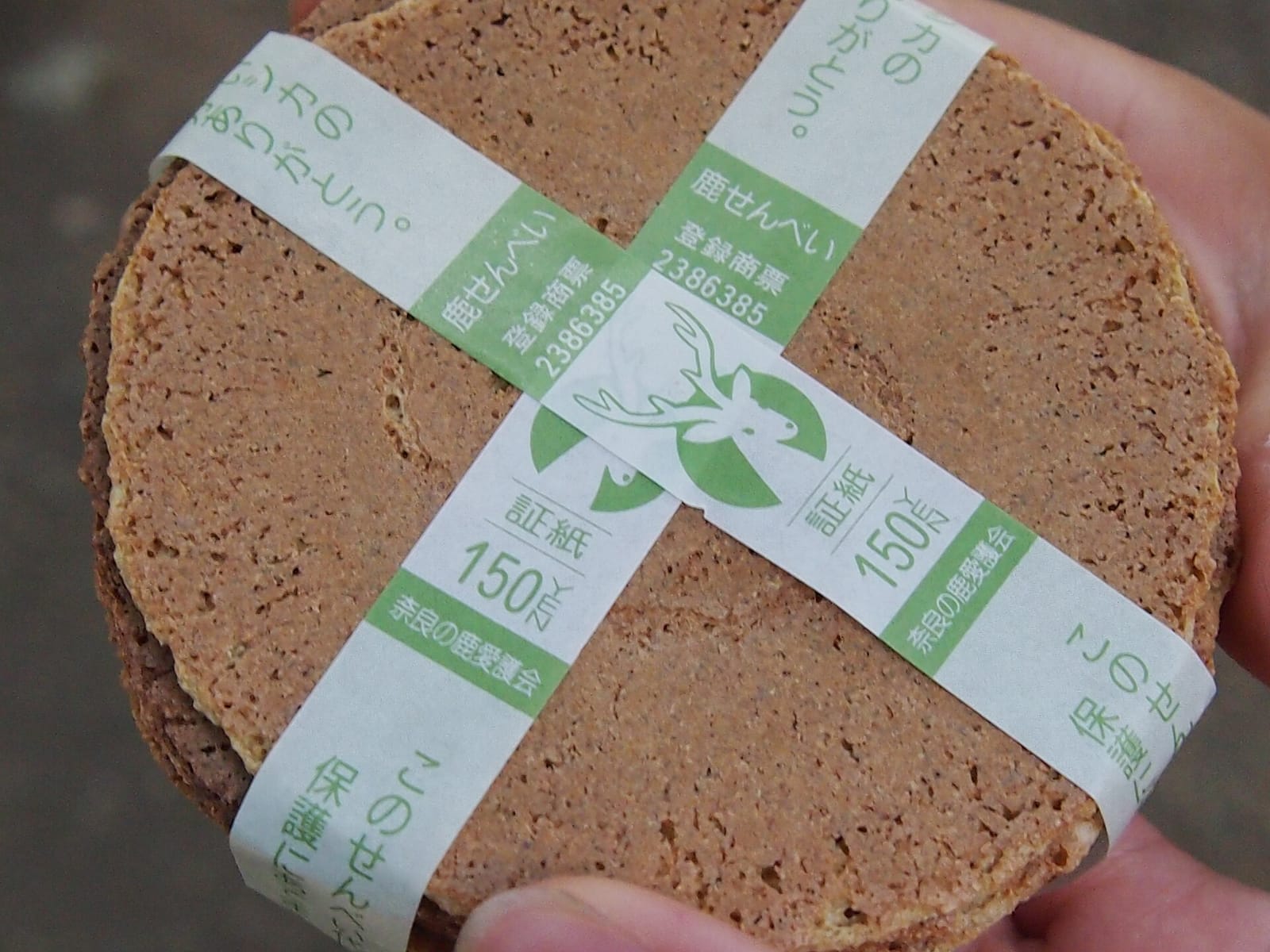
- Feed only deer crackers (shika-senbei). Crackers are the single exception to the park’s feeding ban. Snacks, bread, vegetables, leftovers and bento can make deer ill.
- Give crackers quickly. Do not hold one out and pull it back. A deer that keeps seeing food in your hand may chase you or bite.
- Do not touch or chase the deer. That includes their bodies and antlers. Deer can charge, butt, bite and kick.
- Take all rubbish home. Nara Prefecture states that the park has no trash bins, and that deer have died after eating litter.
- Hold on to your belongings. Deer will try to eat plastic bags, maps and pamphlets, and can catch bags on their antlers.
- Keep dogs on a leash and away from deer. Deer are afraid of dogs and may run into people or traffic.
- Respect them as wild animals. The deer are a national natural monument, so hitting or chasing them is off-limits.
The foundation adds that small children are at higher risk, because their eye level is close to a deer’s. Let children feed deer only with an adult beside them.
What to do when you run out of crackers
Spread your arms and show both hands, open and empty. The Nara City Tourism Association gives this as the signal that you have nothing left. Then walk on calmly. Do not run, and do not wave an empty cracker wrapper, which a deer can mistake for food.
Is it OK to touch a deer if it seems friendly?
No. The foundation is direct about this: even when a deer looks friendly, do not approach it carelessly or touch it. It also notes that visitors who treat the deer as tame are the ones who get gored or knocked down, sometimes seriously. If you do touch a deer, wash your hands right away.
When are the deer most dangerous?
In autumn and late spring. The foundation marks two periods:
| Season | Months | Who to avoid | Official advice |
|---|---|---|---|
| Mating season | September to November | Males with antlers, and males whose antlers have been cut | Keep your distance from them |
| Birthing season | Mid-May to June | Mother deer | If you see a fawn, watch quietly from a distance |
The cut antlers matter. Every autumn the foundation removes the males’ antlers at the antler-cutting ceremony, a custom it dates to 1672, when a Nara magistrate ordered it after antlered males injured townspeople. In 2026 it was held on November 7 and 8. A male without antlers can still butt and kick, which is why the rule covers both.
Numbers explain why the park can feel crowded. The foundation’s census on July 15 and 16, 2026 counted 1,687 deer: 411 males, 990 females and 286 fawns, an increase of 222 on the year before. More males means more chances to meet an agitated one in November.
Where are the best places to see the deer, in order?
Start at Kintetsu-Nara Station and walk east, then south-east. The first half passes the temples that draw the most visitors, Kofukuji and Todaiji; the second half crosses the open lawn of Tobihino and the forest approach to Kasuga Taisha. Tick “Add to my route” on each stop to open the walk in Google Maps in this order.
Kofukuji Temple grounds
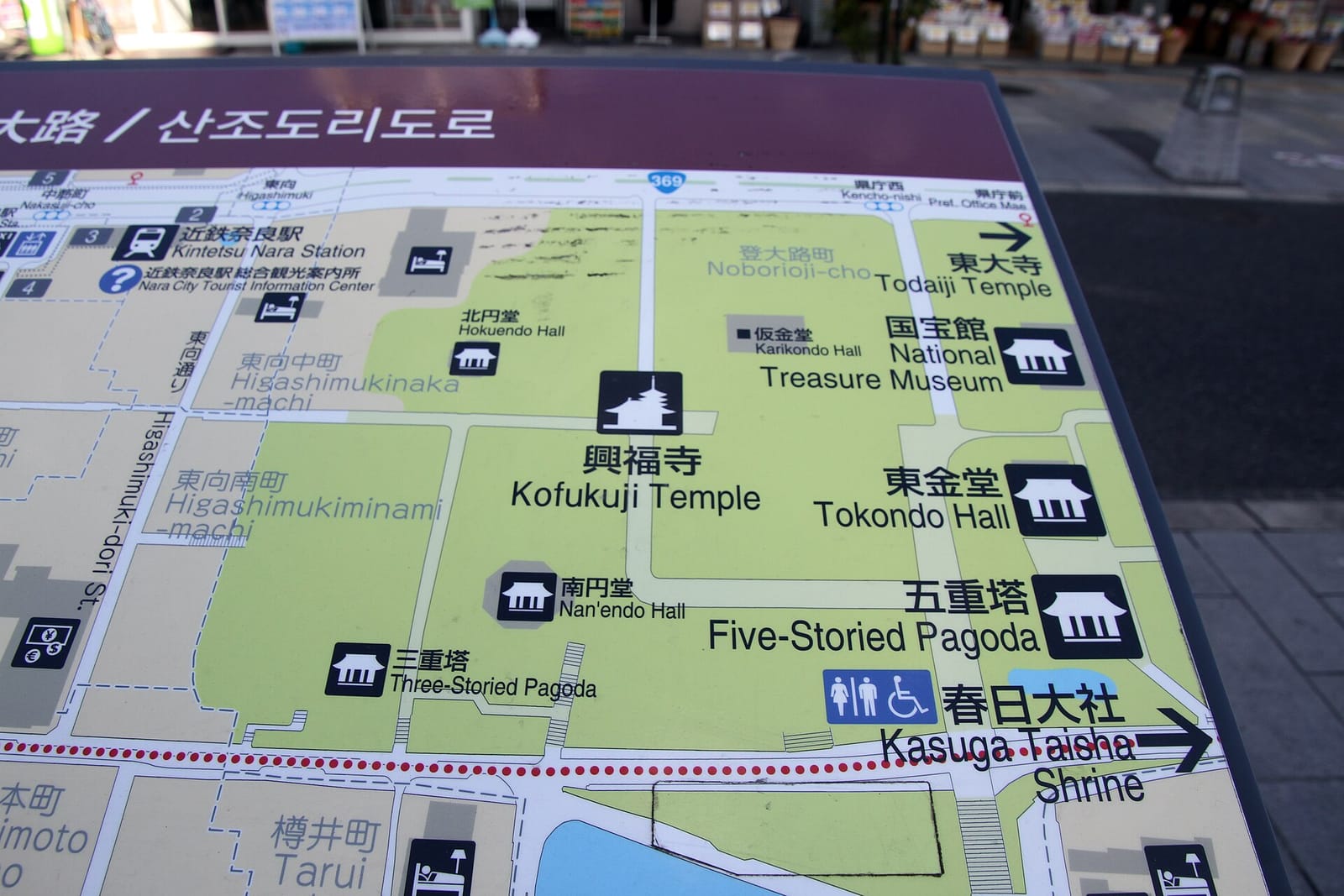
The temple sits on the edge of the park, about 5 minutes from the station, so it is where the deer walk begins. Crackers are sold at stalls and gift shops across the park. Before you buy a pack, put your map and any plastic bags away, then practise the routine: one cracker at a time, then open hands.
- Hours
- Halls 9:00–17:00, last entry 16:45; grounds free to walk through (as of November 2026)
- Price
- Treasure Hall ¥700 adults (as of November 2026)
- Access
- About 5 min walk from Kintetsu-Nara Station; from JR Nara, city loop bus about 5 min to Kencho-mae
- Source
- narashikanko.or.jp
Nara National Museum area
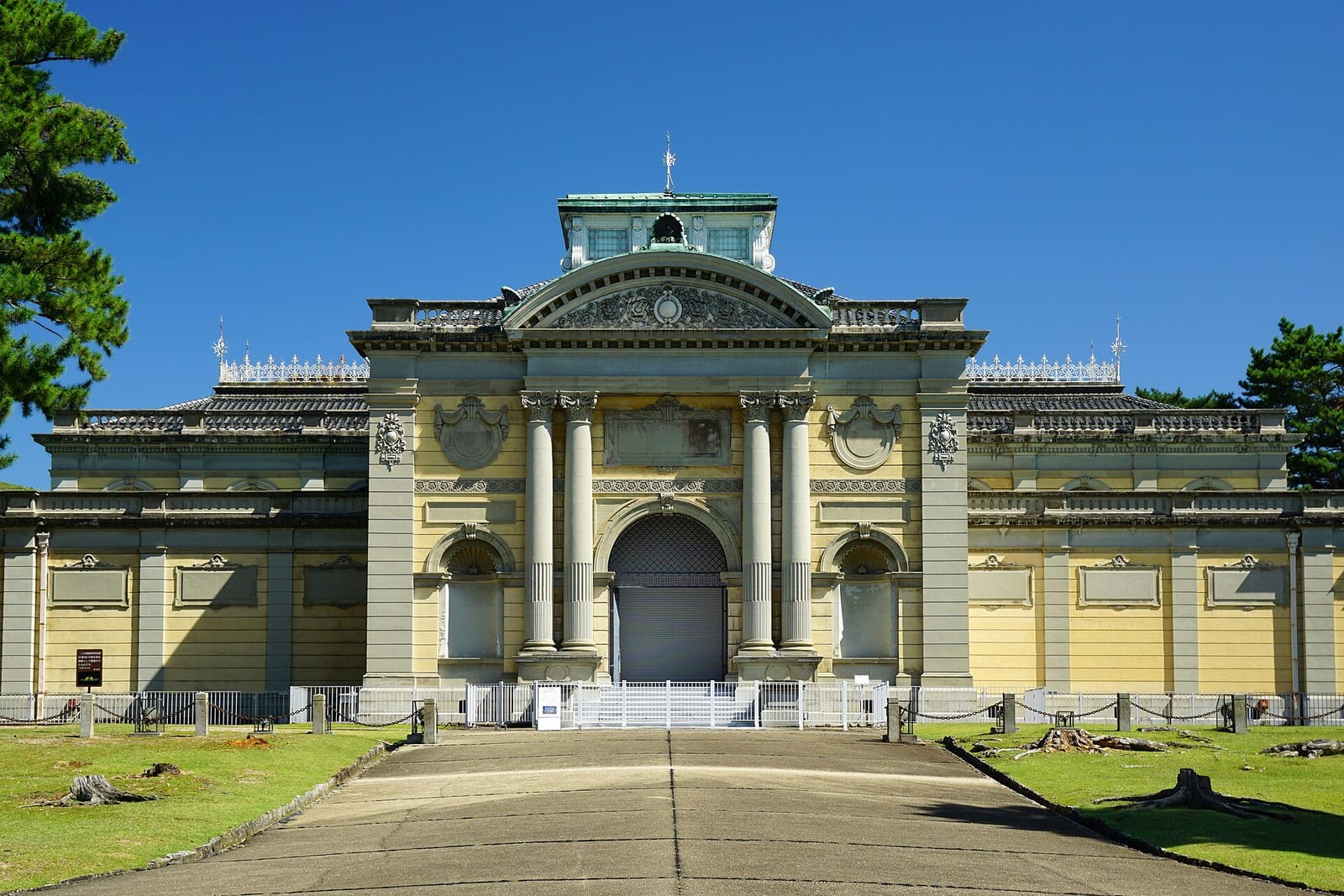
A few minutes east along the main road. The Nara City Tourism Association notes that in summer deer gather by the museum’s ventilation ducts to cool off. The lawns here are open, so you can step back and watch without being surrounded.
Todaiji Temple (Nandaimon approach)
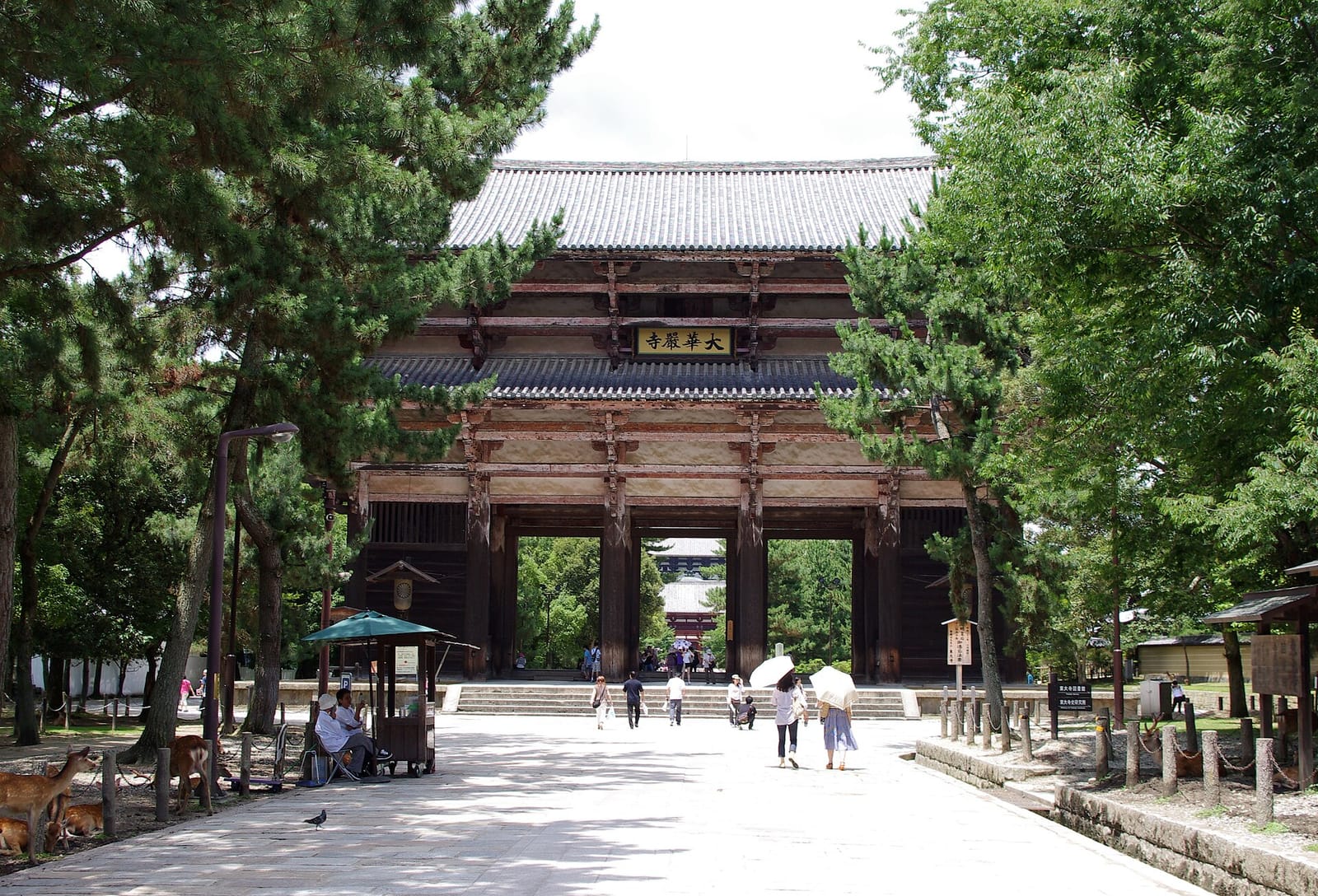
The approach to the Great Buddha Hall through the Nandaimon gate is the most visited part of the park, so expect many visitors feeding deer at once. Keep your crackers out of sight until you are ready to give them, and keep a hand on your bag, since deer will try to eat paper and plastic.
- Hours
- Great Buddha Hall 8:00–17:00 Nov–Mar, 7:30–17:30 Apr–Oct (as of November 2026)
- Price
- Great Buddha Hall ¥800 adults, ¥400 ages 6–12 (as of November 2026)
- Access
- About 20 min walk from Kintetsu-Nara Station; or city loop bus to Todaiji Daibutsuden / Kasuga Taisha-mae, then 5 min walk
- Source
- www.todaiji.or.jp
Tobihino
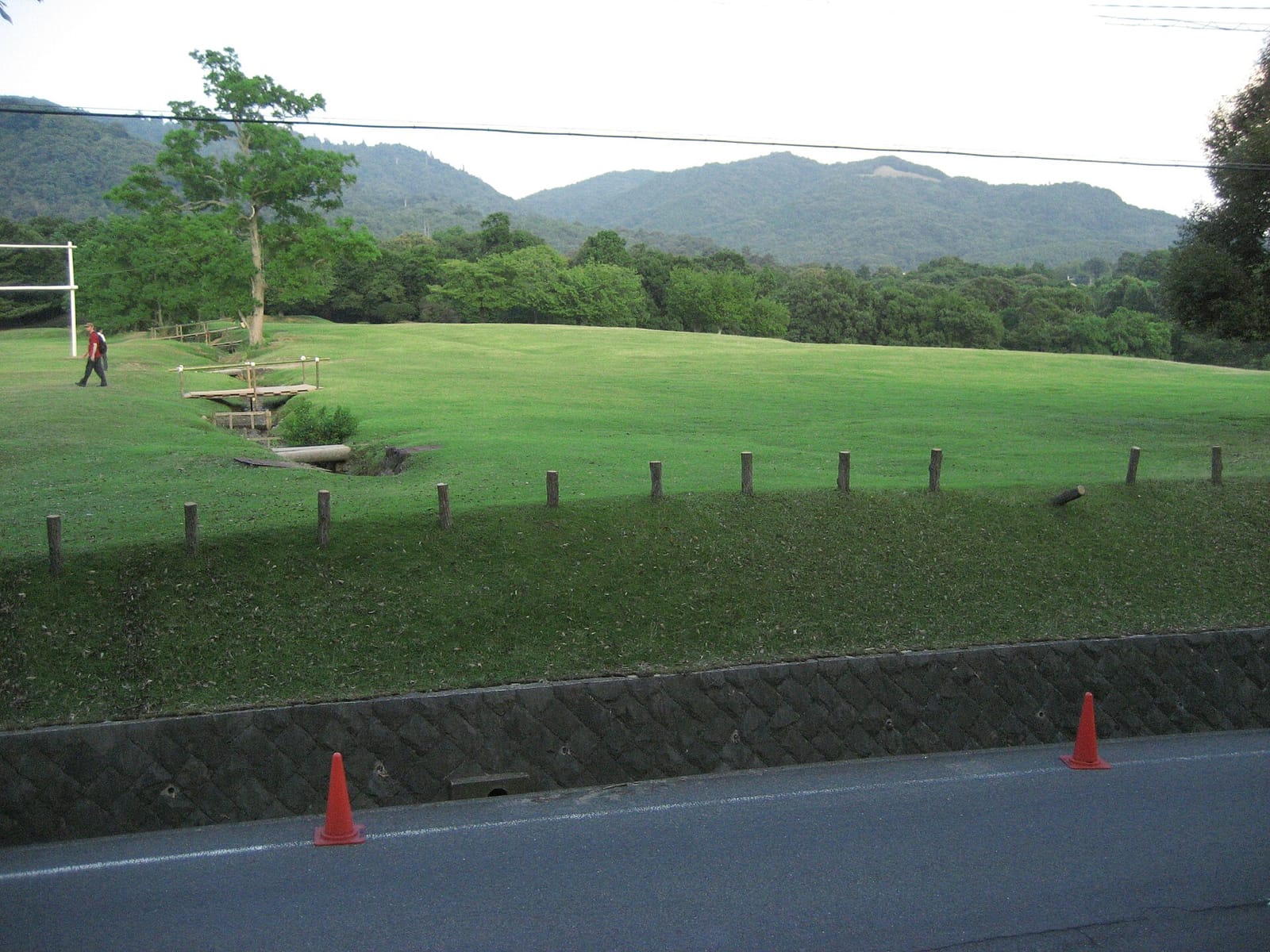
A wide lawn south of the Kasuga Taisha approach, and the calmest place on this walk to watch deer graze. It is also the stage for shika-yose, when a natural horn calls the deer out of the forest and they are rewarded with acorns, a tradition the foundation dates to 1892. Sessions are once a day, rain or shine, and cancelled only in stormy weather.
- Hours
- Open lawn; free shika-yose at 10:00 on set dates (Dec 1–14, 2026, except Dec 13)
- Price
- Free
- Access
- City loop bus from JR or Kintetsu Nara Station to Kasuga Taisha Omotesando
- Source
- naradeer.com
ROKUEN deer shelter
The foundation’s shelter, built in 1929 and open to the public since 2012. It cares for around 300 sick, injured and pregnant deer, and has panels on deer ecology and history. Pets, flash photography, eating and smoking are not allowed, and there are no bins, so carry rubbish out. The Nara City Tourism Association lists a deer-cracker vending machine at ROKUEN for after the park stalls close.
- Hours
- 10:00–16:00; closed during the early-November antler cutting and sometimes for maintenance (as of November 2026)
- Price
- Free; voluntary donation of about ¥100
- Access
- Bus from Kintetsu-Nara or JR Nara Station to Kasuga Taisha Omotesando, then about 7 min walk
- Source
- naradeer.com
Kasuga Taisha Shrine
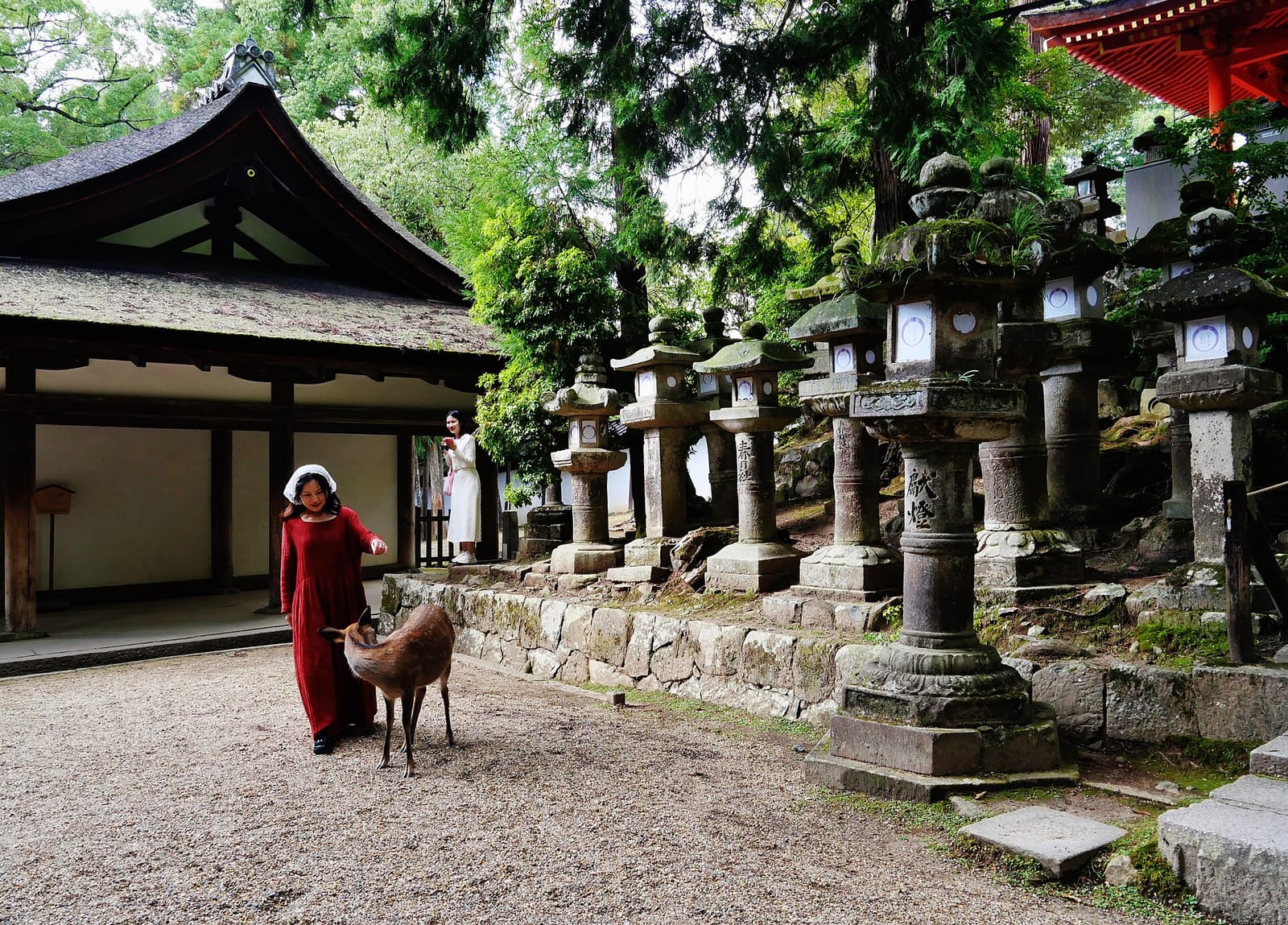
The deer are here because of this shrine: they are regarded as messengers of its kami, and legend says the deity Takemikazuchi arrived in Nara on a white deer. Deer wander between the stone lanterns of the forest approach. The bus from Kasuga Taisha Honden returns to both Kintetsu-Nara and JR Nara, so this is a natural end point.
- Hours
- 7:00–17:00 Nov–Feb, 6:30–17:30 Mar–Oct; special worship 9:00–16:00 (as of November 2026)
- Price
- Special worship ¥700 (as of November 2026)
- Access
- About 25 min walk from Kintetsu-Nara Station; or bus to Kasuga Taisha Honden, then about 3 min walk
- Source
- www.kasugataisha.or.jp
How should you plan the walk around the deer?
Go early, feed early, and finish in the quieter south-east. The order above puts the busiest temple areas first, while you still have a full pack and both hands free. By the time you reach Tobihino and Kasuga Taisha, you can simply watch from a distance.
A few practical points make the day easier:
- Bring a small bag for rubbish. Nara Prefecture states there are no bins in the park. Wrappers from crackers and snacks go back to your hotel with you.
- Buy crackers in the park. A pack of 10 cost ¥200 in 2024, according to the Nara City Tourism Association, and part of the money funds deer protection. After the stalls close, vending machines at ROKUEN and the Kasugataisha car park rest area sell single packs.
- Eat away from the deer. Since you may only give deer crackers, eat your own food in a café or at a bench well away from them, not on the lawns.
- Check the bus for the return. Both Kasuga Taisha Honden and Kasuga Taisha Omotesando stops have buses back to JR Nara and Kintetsu-Nara, which saves the 25-minute walk.
- Watch the road. The foundation warns that deer can jump into traffic, especially early in the morning and at night.
If you are coming for the day, our Nara day trip from Osaka and Nara day trip from Kyoto give the train times and a timed route that fits these stops between Kofukuji and Kasuga Taisha. Nara also slots into a wider trip in our 5-day Kansai itinerary.
What deer events can you see this winter?
Shika-yose is the one to plan around between December and February. All of these sessions are free, need no booking and are held at Tobihino:
| Series | Dates | Time | Organiser |
|---|---|---|---|
| Early winter | December 1–14, 2026, except December 13 | 10:00 | Nara Prefecture Ryokan & Hotel Association |
| Winter | January 10, 11, 17 and 31; February 7, 11, 14, 21, 23 and 28, 2027 | 10:00 | Nara City Tourism Association |
| Spring | Late March (2026 ran March 23–28) | 10:00 | Nara City Tourism Association |
The foundation notes that dates can change or be cancelled, particularly the December series, so check its shika-yose page before you go. To get there, take the city loop bus to Kasuga Taisha Omotesando.
What should you do if a deer is injured or a deer attacks?
Step away first, then call. The foundation asks visitors to report an injured deer, or one behaving strangely, on 0742-22-2388 (8:30–17:15). For a traffic accident involving a deer at night, it gives the number of Nara Police Station, 0742-20-0110.
If a deer keeps following you, show your empty, open hands, the signal the Nara City Tourism Association gives for “no more crackers”, and move away. Do not grab it by the antlers or body, which the rules forbid. The foundation also advises washing your hands after any contact with a deer.
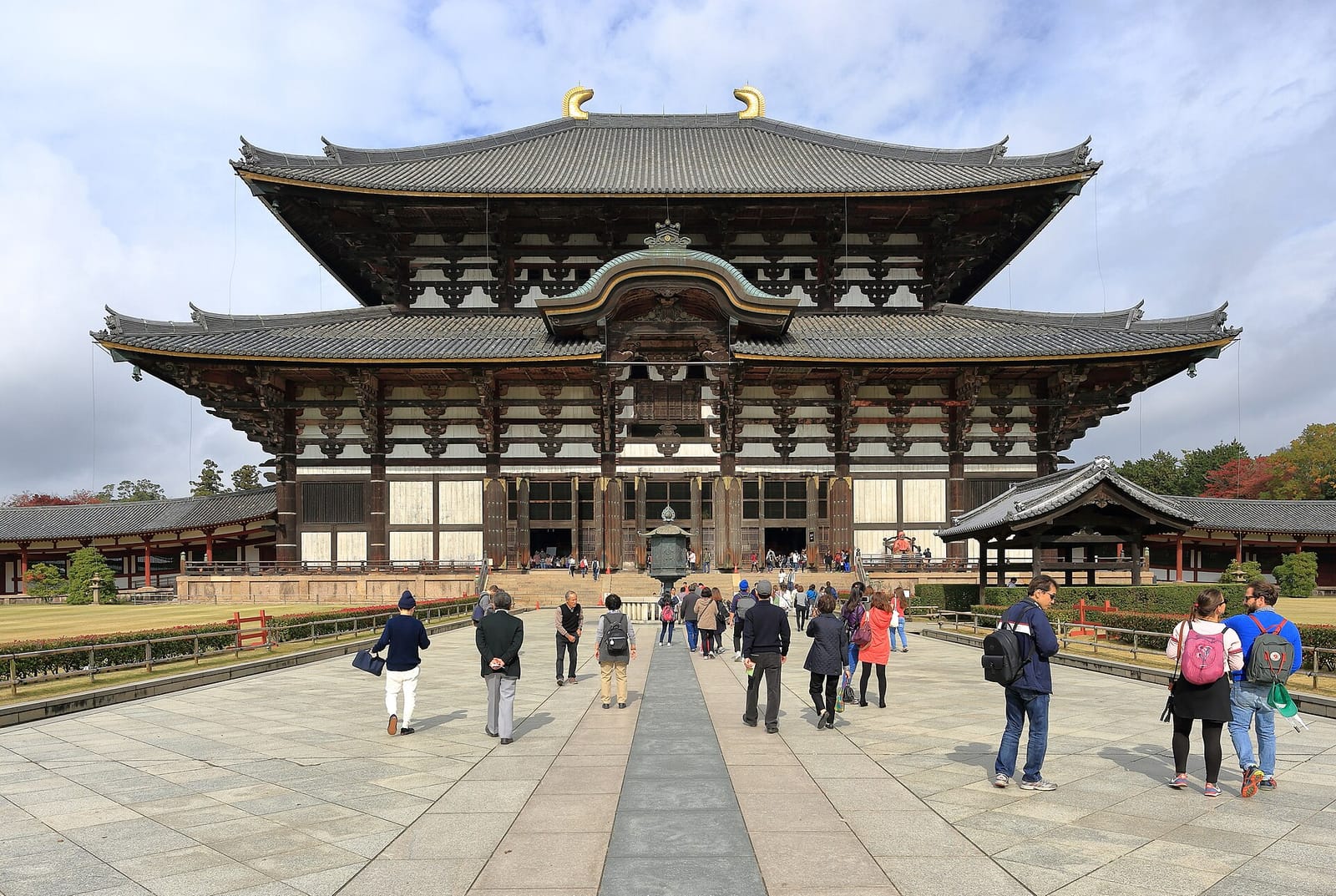 Nara Day Trip from Kyoto: Timed Route, Trains and Entry Fees
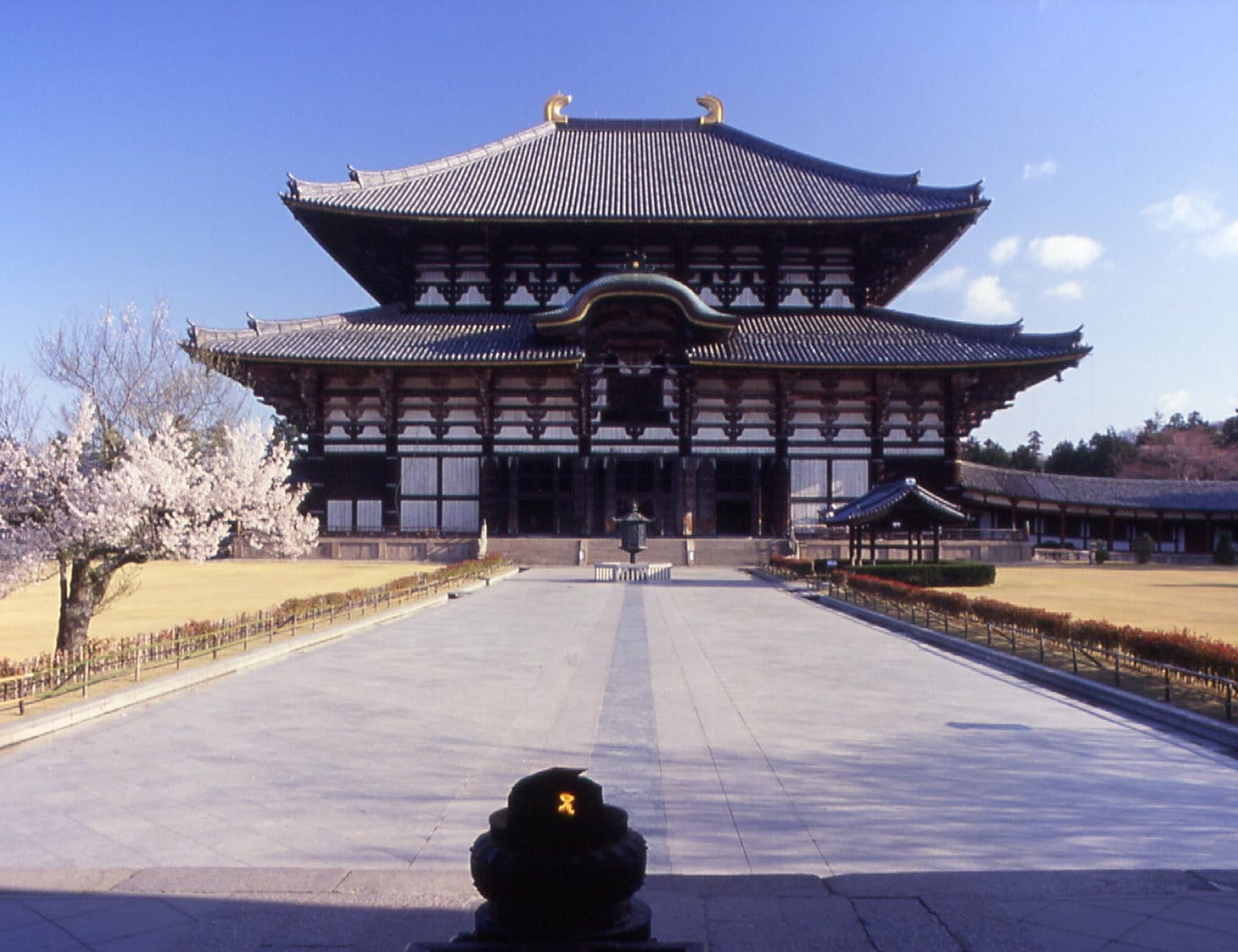 Todaiji Temple Visiting Guide: 1-Hour, Half-Day and Full-Day Routes
FAQ
Is it safe to feed the deer in Nara?
Yes, if you follow the rules. Buy shika-senbei, give each cracker quickly, and never hold one out and pull it back, because teasing makes deer agitated and some will bite or butt. Small children should feed deer together with an adult.
Why do the Nara deer bow?
The Nara Deer Preservation Foundation says a deer that bows its head is asking for a deer cracker. Give it the cracker promptly. Pretending to have one, or bowing and then keeping your crackers, stresses the deer.
Can you touch the deer in Nara Park?
You should not. Both the foundation and Nara Prefecture ask visitors not to touch the deer's bodies or antlers, even when a deer looks friendly. If you do touch one, wash your hands right away, as wild animals can carry pathogens.
What is the best time of year to visit the Nara deer?
The deer are in the park all year. Avoid getting close to males from September to November and to mothers with fawns from mid-May to June. For a set-piece moment, the free shika-yose deer calling runs at Tobihino at 10:00 from December 1 to 14, 2026 (except December 13) and on set winter weekends in January and February 2027.
How much are deer crackers in Nara?
The Nara City Tourism Association lists a pack of 10 for ¥200 (2024 price). Part of the money funds deer protection. Stalls and shops in the park sell them, and vending machines at ROKUEN in Kasugataisha Shrine and at the Kasugataisha car park rest area sell them after the stalls close.
Sources
- Nara Deer Preservation Foundation — Requests to visitors (Japanese)
- Nara Deer Preservation Foundation — Safety awareness: approaching and touching deer (Japanese)
- Nara Deer Preservation Foundation — Deer population survey, July 2026 (Japanese)
- Nara Deer Preservation Foundation — Rokuen public opening (Japanese)
- Nara Deer Preservation Foundation — Shika-yose deer calling dates (Japanese)
- Nara Deer Preservation Foundation — Antler cutting 2026 (Japanese)
- Nara Prefecture — How to behave around the deer (Japanese)
- Nara Prefecture — Nara Park deer (Japanese)
- Nara Prefecture — Nara Park overview (Japanese)
- Nara City Tourism Association — Deer of Nara Park
- Nara City Tourism Association — Winter deer gathering at Tobihino (access)
- Nara City Tourism Association — Kohfukuji (hours, fees, access)
- Todaiji — Opening hours and admission fees
- Todaiji — Access
- Kasuga Taisha — Basic information (hours, fees, access)
This article contains affiliate links. We may earn a commission at no extra cost to you.