Tsukemen in Shinjuku: 6 Popular Shops, Hours and Payment Checked
Where to eat tsukemen in Shinjuku: Fuunji, Gonokami Seisakusho, Menya Musashi, Mita Seimenjo and AFURI Karakurenai, with official hours, exits and payment.
At a tsukemen counter in Shinjuku, the unwritten rule is simple: dip the cold noodles into the hot broth a little at a time, never pour the broth over them, and finish by thinning what is left of the broth with dashi so you can drink it. The second rule is about the line: the famous shops are small, they take no reservations, and you wait outside in single file until a seat opens. This guide covers six popular tsukemen shops around Shinjuku Station, from west to east, with hours, payment and access taken only from each shop’s official pages. It also shows where to go if you arrive after 21:00 or want to pay by card.
What is Shinjuku’s tsukemen scene like?
Shinjuku has two kinds of tsukemen shop: small, specialist counters that close in the early evening, and chain branches that stay open late and take cards. Knowing which is which decides your evening.
Tsukemen means “dipping noodles”. You get thick noodles, rinsed cold, on one plate, and a smaller bowl of hot, concentrated broth on the side. You dip the noodles as you eat. The broth is much stronger than ramen soup because it is meant to coat the noodles, not to be drunk as is.
The specialist shops on this list sit on the south and west sides of the station. Fuunji is near the JR South Exit and Exit 6 of the Toei Shinjuku Station, Gonokami Seisakusho is on the Sendagaya side to the south-east, and Menya Musashi is a few minutes from the West Exit. The two late-opening branches of Mita Seimenjo are on the west and east sides, and AFURI’s spicy Karakurenai shop is in the Subnade underground mall under Yasukuni-dori.
A quick way to choose:
- Rich chicken and fish broth, the classic Tokyo style: Fuunji.
- Something different, with shrimp: Gonokami Seisakusho.
- Many tsukemen variations, near the West Exit: Menya Musashi.
- After 22:00, with a card, or with children: Mita Seimenjo.
- Spicy, with a cold dipping sauce: AFURI Karakurenai.
If you are not sure which side of the station you are on, our guide to Shinjuku Station exits sorts out the gates.
Which tsukemen shops in Shinjuku are worth the line?
The six shops below run from the West Exit side, around the south of the station, to the east side and Kabukicho. Tick “Add to my route” on the ones you want and you can walk them in this order.
Menya Musashi Flagship
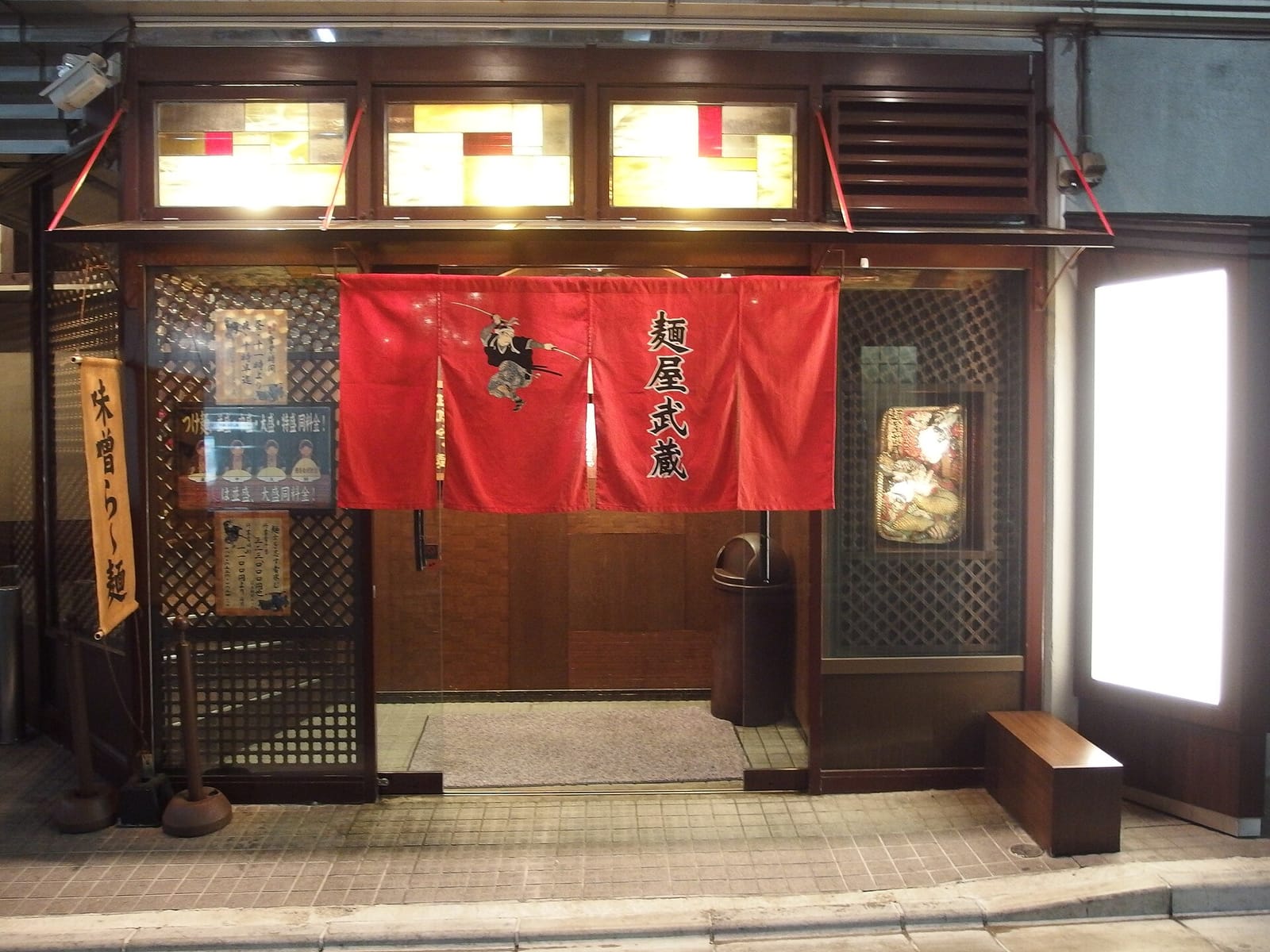
Menya Musashi’s flagship shop has 19 seats and the widest tsukemen menu on this list. The official page lists a standard tsukemen, a thicker “Noh Koh” (rich soup) tsukemen, tantan (sesame and chili) tsukemen and a garlic dipping-noodle bowl, each with options for a seasoned egg or extra kakuni (braised pork). The shop is in the K1 Building on the ground floor, on the Nishi-Shinjuku 7-chome side of the West Exit. The photo shows a shoyu tsukemen served here.
- Hours
- 11:00–22:00, open year-round (as of November 2026)
- Access
- About 4 minutes on foot from the West Exit of JR Shinjuku Station
- Source
- menya634.co.jp
Mita Seimenjo Shinjuku Nishiguchi
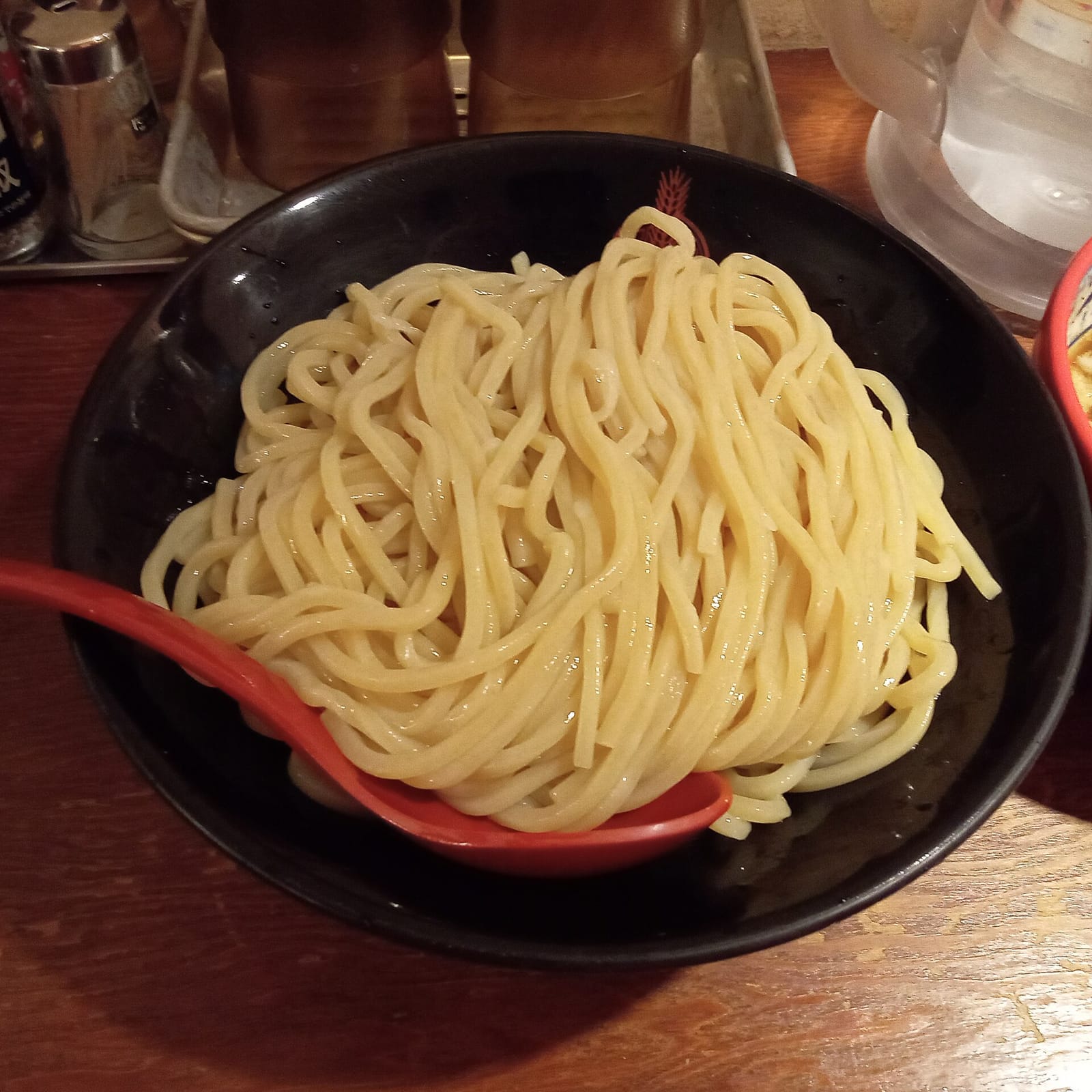
Mita Seimenjo is a tsukemen specialist chain, and this branch keeps the longest hours of any shop on this list. Its signature is a thick pork-bone and seafood broth with very thick noodles, and the official site says every size from small to large costs the same. The store page lists 13 counter seats and 33 table seats, plus Visa, Mastercard, UnionPay, iD, Suica, PASMO and cash. The photo shows the chain’s Shibuya Dogenzaka branch, not this one.
- Hours
- Mon–Sat 10:00–3:00 next morning (last order 2:30); Sun 10:00–22:30 (last order 22:00) (as of November 2026)
- Access
- About 3 minutes on foot from JR Shinjuku Station
- Source
- shop.mpkitchen.co.jp
Fuunji Shinjuku Main Store
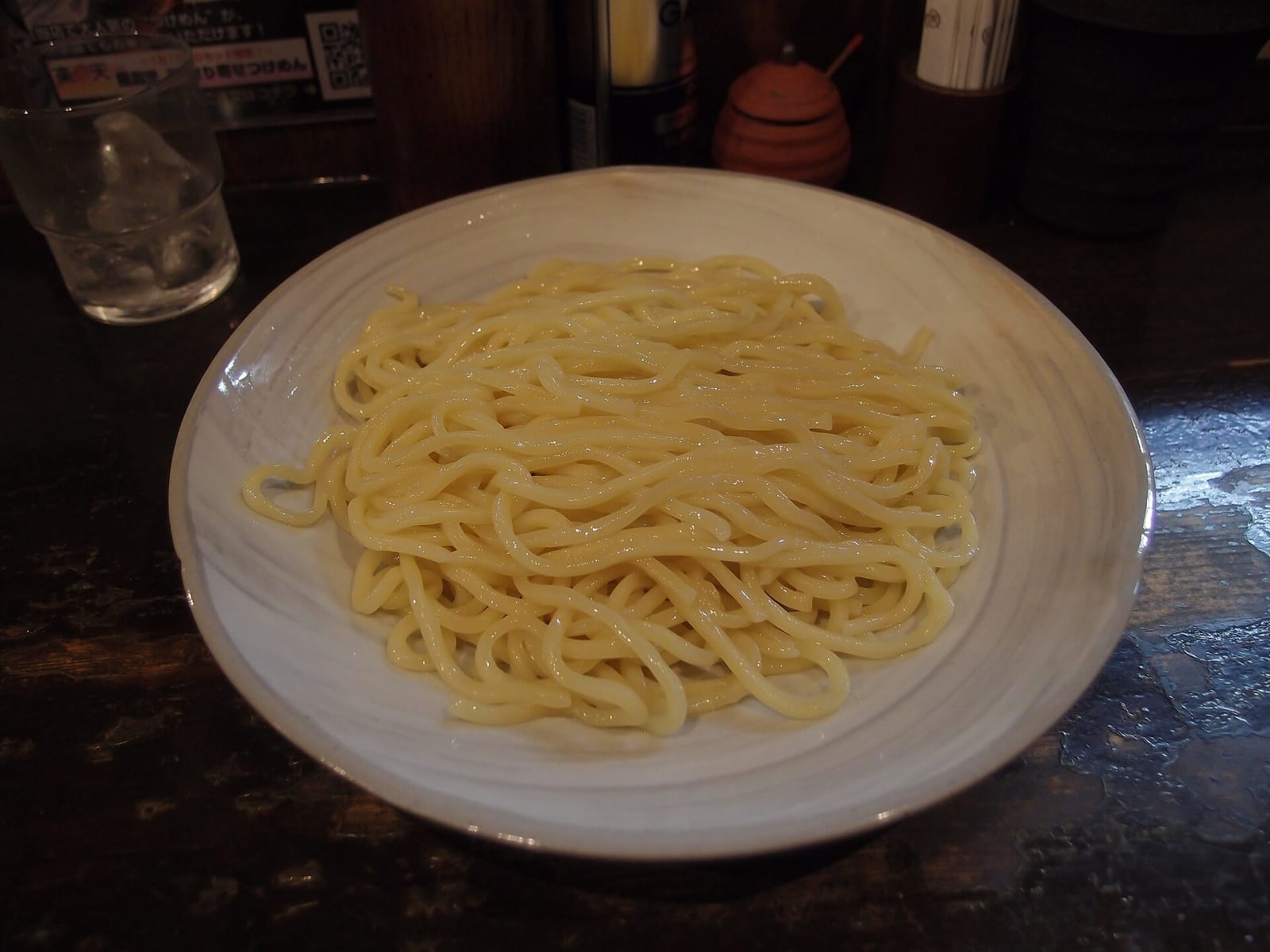
Fuunji’s official site describes its broth as a white, creamy chicken soup made only from domestic chicken, with dried sardines and fish flakes, simmered for eight hours and rested for a day. The noodles are medium-thick, straight and made from domestic wheat, custom-made for the shop by a noodle maker. The tokusei (special) tsukemen adds a seasoned egg, nori, bamboo shoots, green onion, chashu and a bigger portion; an extra-large noodle portion is ¥200. There are 15 counter seats, the shop is non-smoking, and there are no reservations. It closes between 15:00 and 17:00, so plan around that gap.
- Hours
- 11:00–15:00 and 17:00–21:00, closes early if the soup sells out; open year-round (as of November 2026)
- Price
- Tsukemen ¥1,000; special tsukemen ¥1,300 (as of November 2026)
- Access
- About 1 minute on foot from Exit 6 of Shinjuku Station (Toei Shinjuku and Oedo lines); about 5 minutes from the JR South Exit along Koshu-kaido
- Source
- fu-unji.com
Tsukemen Gonokami Seisakusho Shinjuku
Gonokami Seisakusho builds its whole menu around shrimp. The official menu has three dipping broths, each from ¥1,000 for the regular bowl: shrimp tsukemen, shrimp tomato tsukemen and shrimp miso tsukemen. Each comes in four versions up to a “special” at ¥1,500. Side dishes include basil rice (¥250) and grilled cheese rice (¥300), and toppings include basil sauce and mozzarella. The shop’s address is in Shibuya Ward, but it is a short walk from the south-east corner of Shinjuku.
- Hours
- 11:00–21:30 (last order 21:00), no regular closing day (as of November 2026)
- Price
- Shrimp tsukemen from ¥1,000 (as of November 2026)
- Access
- 5-33-16 Sendagaya, Shibuya, on the south-east side of Shinjuku Station
- Source
- gonokamiseisakusho.com
Mita Seimenjo Shinjuku East Exit
The east-side branch of Mita Seimenjo has 9 counter seats on the first floor and 29 table seats on the second, which makes it one of the easier tsukemen shops for a group or a family. The official menu has a kids’ tsukemen, and the store page lists the same card and IC payment options as the Nishiguchi branch. Besides the standard and extra-rich pork-and-seafood tsukemen, the menu lists a lighter sea bream (tai) dashi salt tsukemen, which Mita Seimenjo suggests for first-timers.
- Hours
- Mon–Sat 11:00–24:00 (last order 23:45); Sun and holidays 11:00–23:00 (last order 22:30) (as of November 2026)
- Access
- About 2 minutes on foot from JR Shinjuku Station; about 2 minutes from Shinjuku-sanchome Station
- Source
- shop.mpkitchen.co.jp
AFURI Karakurenai Shinjuku Subnade
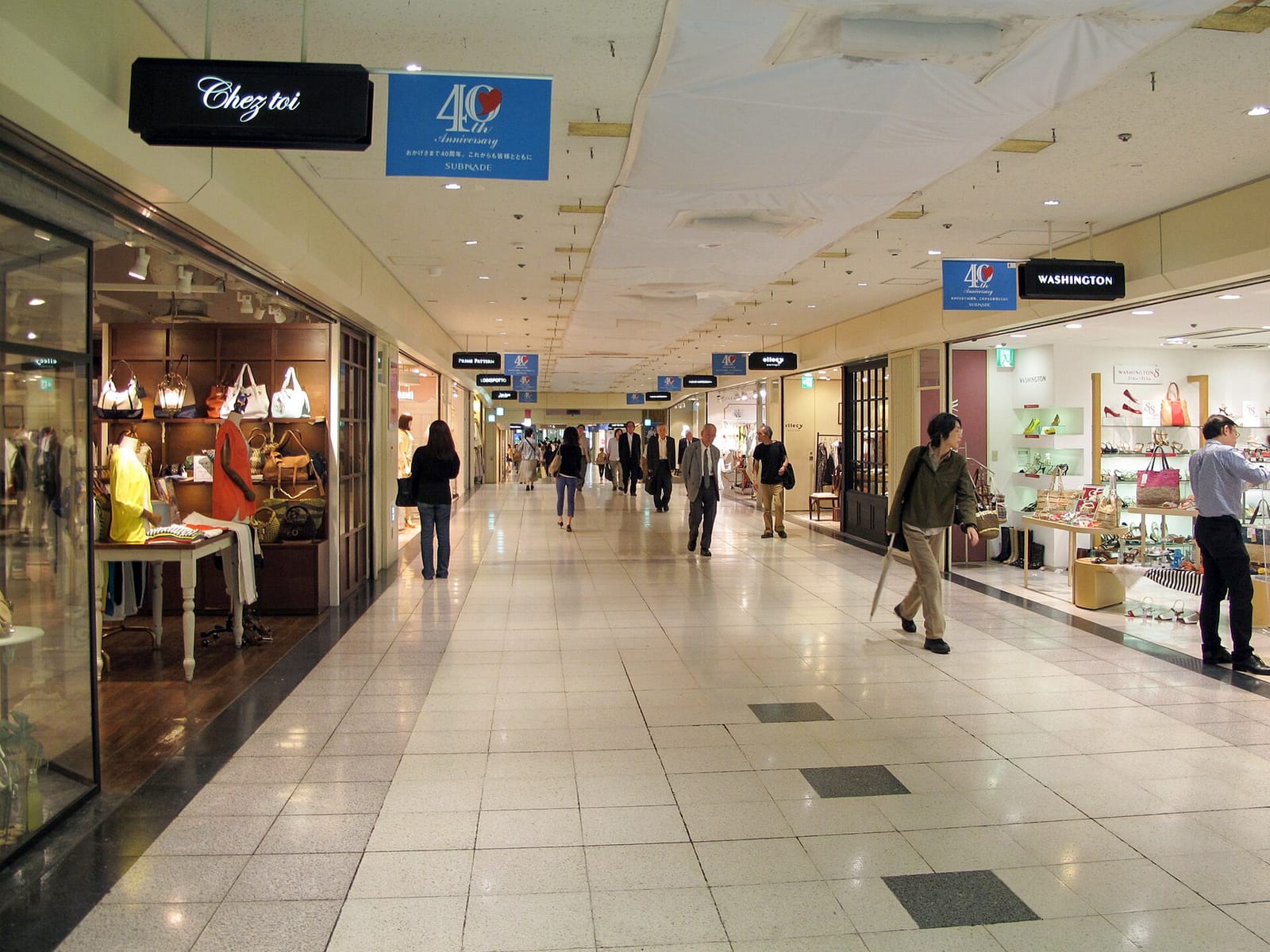
This is AFURI’s spicy brand, and its Karakurenai tsukemen is different from the rest of this list. The official page describes a cold dipping sauce made with bonito, mackerel flakes, dried sardines and kombu, mixed with raw soy sauce and the brand’s chili blend. The noodles are made with domestic wheat and durum flour, with Japanese sansho pepper. You choose the spice level. The photo shows the Subnade mall, not the shop.
- Hours
- 10:30–22:00 (last order 21:30), open daily, until the soup runs out (as of November 2026)
- Access
- Shinjuku Subnade underground mall, section 005, under Yasukuni-dori, 1-chome Kabukicho
- Source
- afuri.com
When are tsukemen shops in Shinjuku busy, and how does the line work?
Expect lines at the specialist shops at lunch and dinner, and at weekends. The chain branches usually move faster because they have more seats.
Practical points that come from the shops’ own pages:
- Fuunji has a mid-afternoon break. It serves 11:00 to 15:00 and 17:00 to 21:00, and closes early if the soup sells out. Arriving near 21:00 is a risk.
- Gonokami’s last order is 21:00. Menya Musashi closes at 22:00. After that, Mita Seimenjo is the tsukemen option in Shinjuku: the East Exit branch until midnight and the Nishiguchi branch until 3:00, except on Sundays.
- Small shops mean short stays. Fuunji has 15 seats and Menya Musashi 19. Eat, then give up your seat for the people waiting.
- No reservations. Fuunji’s site states this directly. Join the line outside in single file and wait to be called.
Many noodle shops in Shinjuku sell meals through a ticket machine by the door. If there is one, buy your ticket before you sit down. If you are not sure, follow what the people in front of you do. For step-by-step help with the machines and paying, see our guide to late-night ramen in Shinjuku.
How do you eat tsukemen properly?
Dip, don’t pour. Take a mouthful of noodles, dip part of it in the broth, and eat. Mita Seimenjo publishes a four-step guide on its official site that works at most tsukemen shops:
- Taste the noodles on their own first. Mita says the dark specks in its noodles come from using the outer layer of the wheat.
- Dip about half of each mouthful. The broth is concentrated, so dipping everything makes it heavy.
- Change the flavour about a third of the way through. Mita’s tables have five seasonings, including bonito salt, garlic shichimi chili and a spiced vinegar.
- Finish with the soup. When the noodles are gone, add the shop’s dashi to the leftover broth and drink it. At Mita you can also add rice and seasoning to make a kind of chazuke (rice in broth).
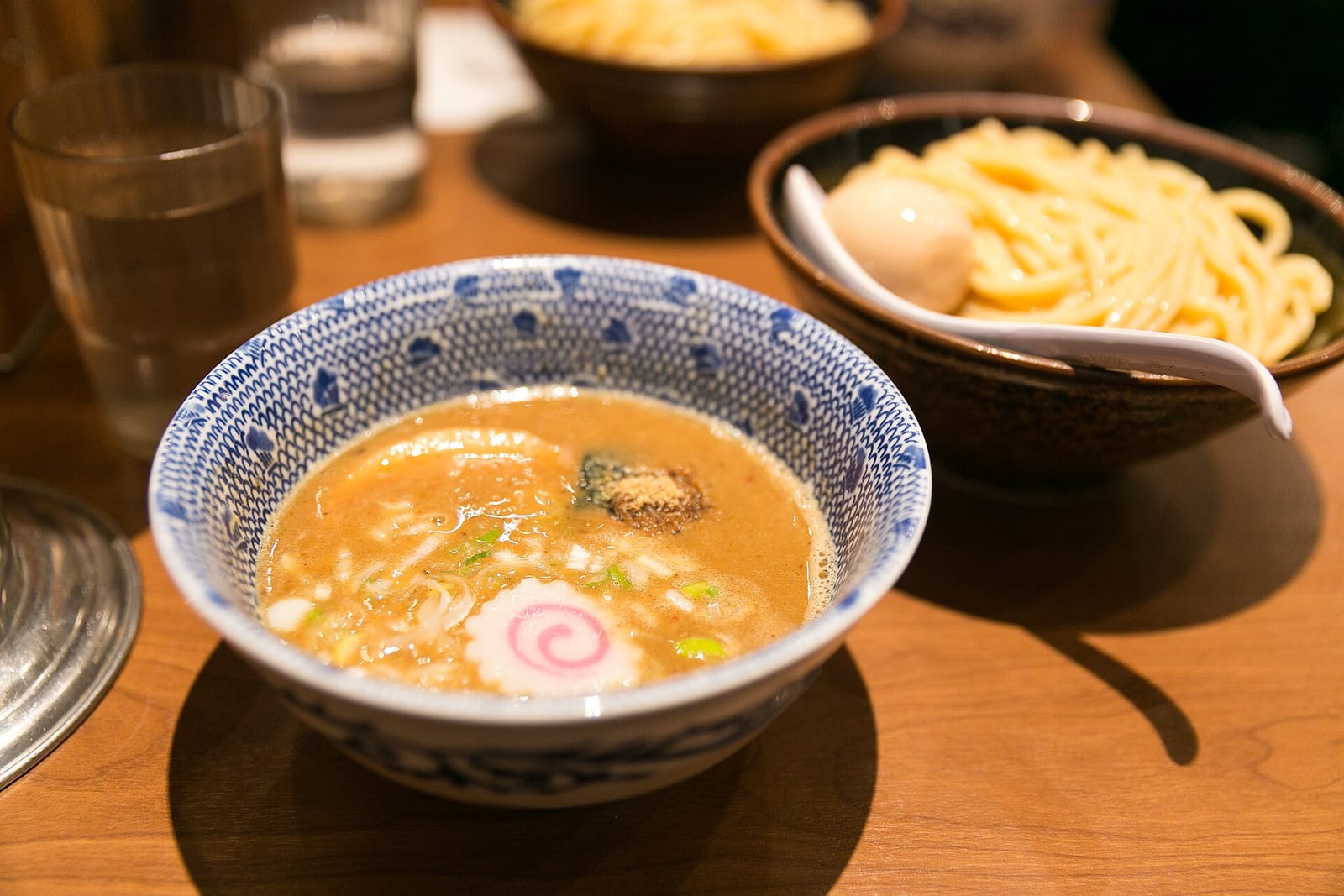
Mita Seimenjo describes the point of tsukemen as the contrast between cold noodles and hot broth. The broth cools as you eat, so it is fine to eat at a steady pace rather than wait. If you are hungry, check the portion rules: at Mita every size up to large costs the same, while Fuunji charges ¥200 for an extra-large serving.
Can you pay by card at tsukemen shops in Shinjuku?
At Mita Seimenjo, yes. For the specialist shops, bring cash.
| Shop | Cards and IC listed on the official page | Closing time (as of November 2026) |
|---|---|---|
| Menya Musashi Flagship | Not listed | 22:00 |
| Mita Seimenjo Nishiguchi | Visa, Mastercard, UnionPay, iD, Suica, PASMO, cash | 3:00 (Sun 22:30) |
| Fuunji | Not listed | 21:00, or when soup sells out |
| Gonokami Seisakusho | Not listed | 21:30 |
| Mita Seimenjo East Exit | Visa, Mastercard, UnionPay, iD, Suica, PASMO, cash | 24:00 (Sun and holidays 23:00) |
| AFURI Karakurenai | Not listed | 22:00 |
“Not listed” means the official page does not say, not that cards are refused. Carrying ¥2,000 to ¥3,000 in cash covers a bowl and a topping at any of these shops. For more noodle bowls and set meals that stay under ¥1,000, see cheap eats in Shinjuku under ¥1,000, and for other meals around the station, where to eat near Shinjuku Station.
 Shinjuku Hotels With Big Rooms for Families: 6 Picks by Group Size
 Shinjuku Hotels Connected to the Station: What 'Direct' Means
FAQ
What is the most famous tsukemen shop in Shinjuku?
Fuunji, a 15-seat counter shop on the south side of Shinjuku Station, is the name most often cited, together with Gonokami Seisakusho and Menya Musashi. Fuunji's official site lists its tsukemen at ¥1,000 as of November 2026 and says it takes no reservations, so expect to queue.
Which tsukemen shop in Shinjuku is open late at night?
Mita Seimenjo Shinjuku Nishiguchi lists hours of 10:00 to 3:00 the next morning from Monday to Saturday (last order 2:30) and 10:00 to 22:30 on Sunday, as of November 2026. Its Shinjuku East Exit branch is open until midnight Monday to Saturday.
Can I pay by credit card at tsukemen shops in Shinjuku?
At some. Mita Seimenjo's Shinjuku branch pages list Visa, Mastercard and UnionPay cards, iD, Suica and PASMO, as well as cash. Fuunji, Gonokami Seisakusho and Menya Musashi do not list payment methods on their official pages, so carry cash for those.
How do you eat tsukemen?
Dip the cold noodles into the hot broth a little at a time rather than pouring the broth over them. Mita Seimenjo's official guide suggests tasting the noodles alone first, dipping about half of each mouthful, and adding a dashi soup to the leftover broth at the end to drink it.
Sources
- Fuunji official site — stores, hours and menu (Japanese)
- Gonokami Seisakusho — Shinjuku store and menu (Japanese)
- Gonokami Seisakusho — store list (Japanese)
- Menya Musashi Flagship restaurant, Shinjuku
- Mita Seimenjo official site — how to enjoy tsukemen and same price up to large (Japanese)
- Mita Seimenjo menu (Japanese)
- Mita Seimenjo Shinjuku Nishiguchi store (Japanese)
- Mita Seimenjo Shinjuku East Exit store (Japanese)
- AFURI Karakurenai — menu and Shinjuku Subnade store (Japanese)
- AFURI store list
This article contains affiliate links. We may earn a commission at no extra cost to you.