Kamakura Great Buddha and Hase-dera Guide: 1-Hour to Full-Day Routes
The Great Buddha and Hase-dera by the time you have: routes from Hase Station, ¥300 and ¥400 tickets, winter closing times, the no-food rule and the lockers.
Both of Kamakura’s big Hase sights sit at the end of one short train ride. From JR Kamakura Station, the Enoden bound for Fujisawa reaches Hase Station, the third stop, in about 7 minutes. Coming the other way from Fujisawa, Hase is the 11th stop and about 40 minutes. From the platform, Hase-dera is about a 5-minute walk and the Great Buddha at Kotoku-in about 7 to 10 minutes, so the whole visit happens on foot within a small corner of town. This guide starts at Hase Station and splits the area by the time you have: one hour, half a day, or a full day. Hours and prices are as of November 2026, from each temple’s own pages.
How do you get from Kamakura Station to the Great Buddha?
Take the Enoden three stops to Hase and walk about 7 minutes, or ride a bus from Kamakura Station’s East Exit to the Daibutsu-mae stop. Kotoku-in gives both options:
- Enoden from Kamakura: toward Fujisawa, 3rd stop Hase, about 7 minutes, then about 7 minutes on foot. Enoden’s own station page gives the walk as 10 minutes.
- Enoden from Fujisawa: if you came on the JR Tokaido or Odakyu Line, ride toward Kamakura to Hase, the 11th stop, about 40 minutes.
- Bus: from Kamakura Station East Exit, Enoshima-dentetsu bus stop 1 or Keikyu bus stop 6, to Daibutsu-mae, about 10 minutes.
- By car: Kotoku-in has no parking. Hase-dera has a car park at ¥350 per 30 minutes (as of November 2026) and no space for motorcycles.
If you plan to ride the Enoden more than twice, the Noriorikun day pass costs ¥800 for adults and ¥400 for children (as of November 2026), from ticket machines at every Enoden station. Enoden lists a special benefit at Hase-dera for pass holders, usable once on the day of the pass. The Japan Rail Pass does not cover the Enoden. For the train from Tokyo and a full day around the town, see our Kamakura day trip from Tokyo.
What do the two temples cost, and when do they close?
Budget ¥750 per adult for both temples, including the inside of the Great Buddha. The closing times matter more than the prices, because the last entries come earlier than the posted hours.
| Kotoku-in (Great Buddha) | Hase-dera | |
|---|---|---|
| Hours | 8:00–17:00 Oct–Mar; 8:00–17:30 Apr–Sep | 8:00–17:00 Jul–Mar; 8:00–17:30 Apr–Jun |
| Last entry | 15 minutes before closing | 30 minutes before closing |
| Adults | ¥300 | ¥400 |
| Children | ¥150 (ages 6–12) | ¥200 (ages 6–11) |
| Extras | Inside the statue +¥50, 8:00–16:30 | Kannon Museum ¥300 adults, ¥150 children |
| Reservations | Not needed | Not accepted |
All prices as of November 2026. Under-sixes enter Kotoku-in free, and visitors with a disability identification booklet enter free too. Kotoku-in does not allow re-entry without paying again, so finish what you want inside before you walk out.
What can you see in one hour?
Walk from Hase Station to Kotoku-in, see the Great Buddha from the front and the corridor, and go inside the statue. That is the core of the Hase visit and fits into an hour from the platform and back.
Hase Station (Enoden)
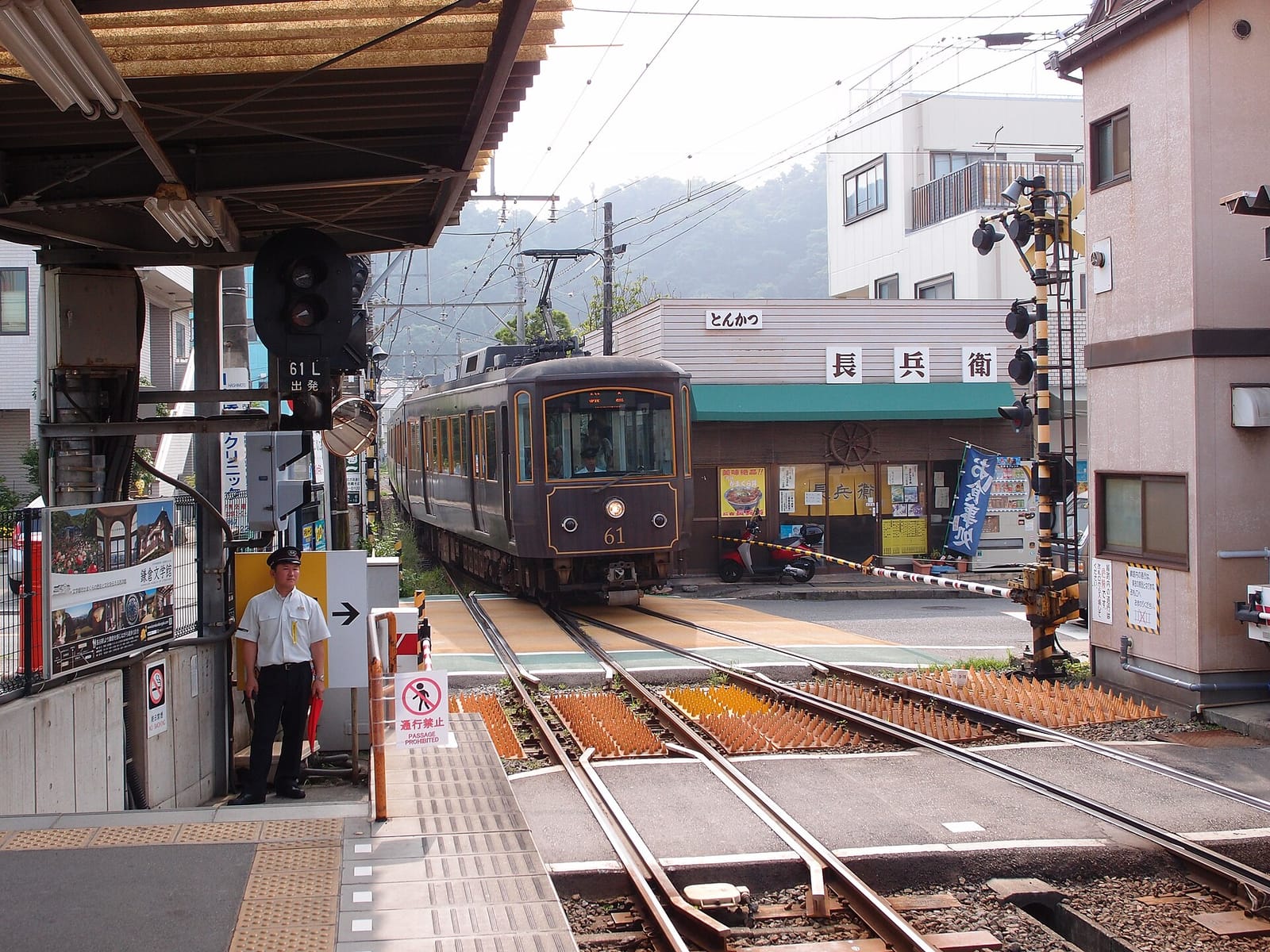
Station EN12 on the Enoden. Enoden lists coin lockers, restrooms, a multipurpose restroom, wheelchair ramps and Noriorikun sales here. If you use a wheelchair or a stroller on a Fujisawa-bound train, ask staff at your boarding station and they will open a temporary sloped exit at Hase.
- Access
- Enoden, 3rd stop from Kamakura (about 7 min)
- Source
- enoden.co.jp
Kotoku-in (Great Buddha of Kamakura)
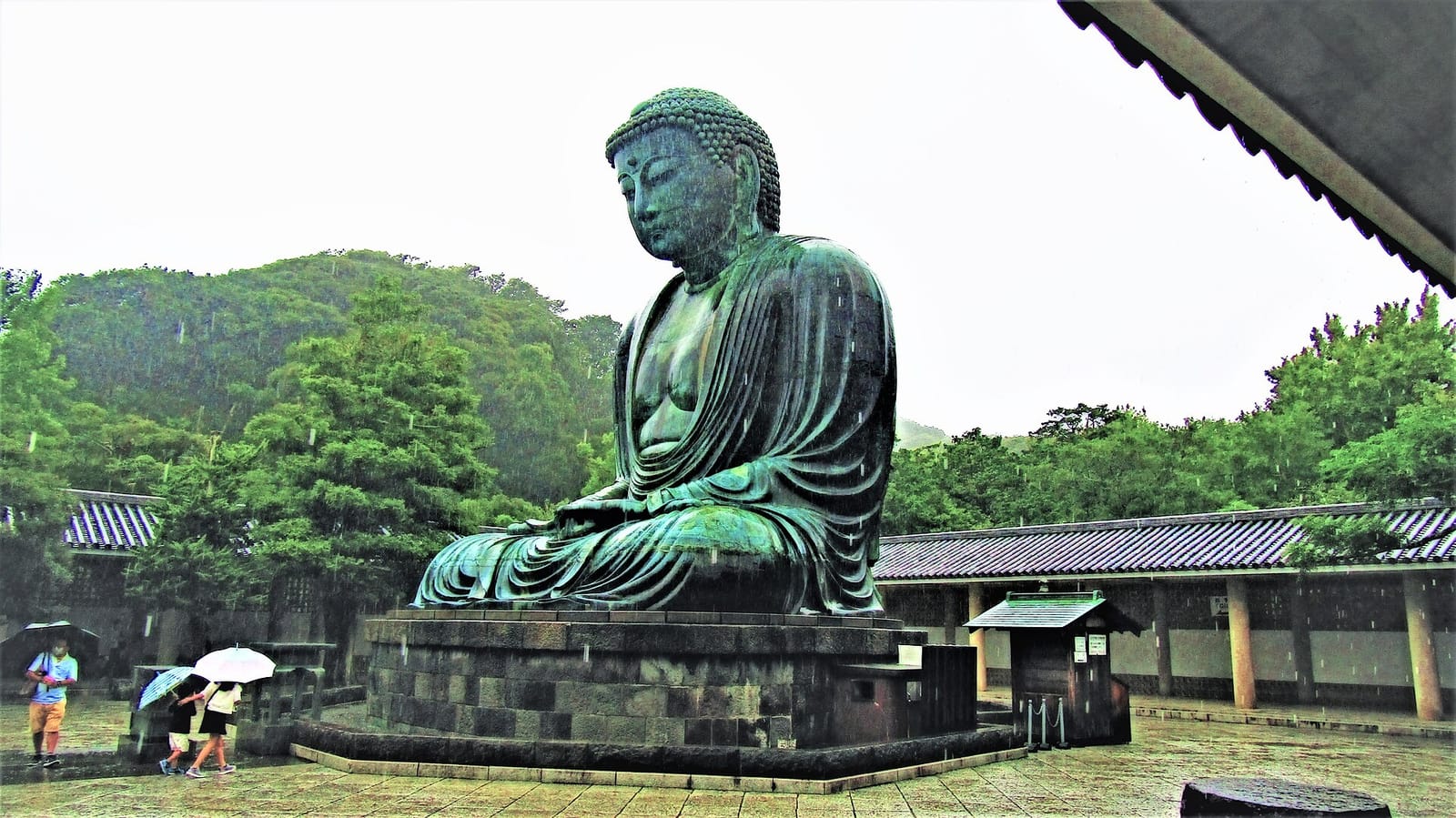
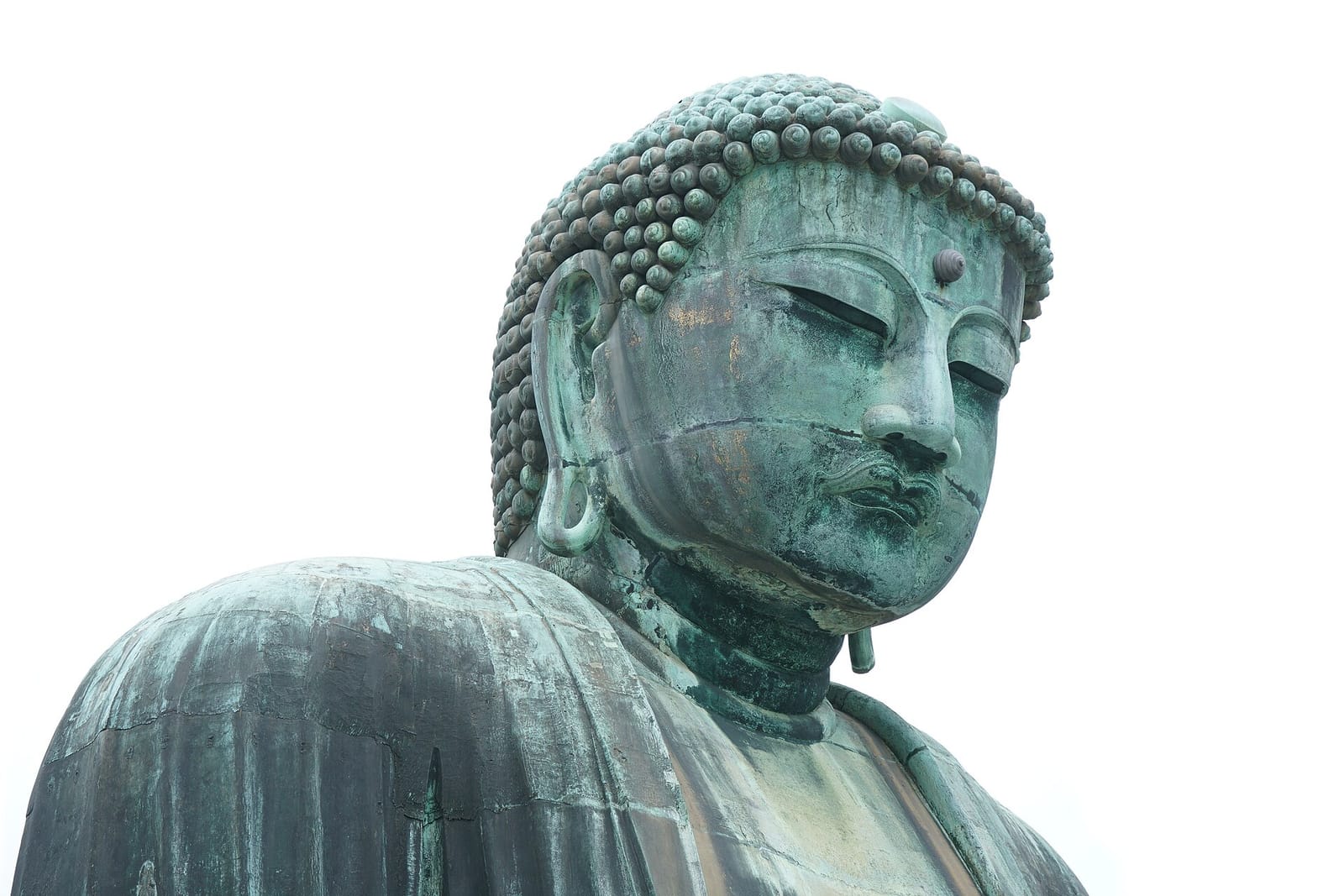
The bronze Amida Buddha sits in the open air because the hall around it is gone: Kotoku-in says typhoons in 1334 and 1369 and an earthquake in 1498 damaged and finally destroyed it. Construction began in 1252, according to the chronicle Azumakagami, and the builder is unknown. The statue is 11.312 metres tall, weighs 121 tonnes and was cast in 40 separate pours; traces of its original gold remain on both cheeks. It is a National Treasure.
- Hours
- 8:00–17:00 Oct–Mar, 8:00–17:30 Apr–Sep; last entry 15 min before closing; inside the statue 8:00–16:30 (as of November 2026)
- Price
- ¥300 adults, ¥150 ages 6–12; inside the statue +¥50 (as of November 2026)
- Access
- About 7 min walk from Enoden Hase Station; bus to Daibutsu-mae, about 10 min from Kamakura Station
- Source
- www.kotoku-in.jp
Inside the statue. The interior opens 8:00–16:30 for ¥50, and you need to enter at least ten minutes before closing. Filming inside is not allowed, and selfie sticks cannot be used there.
On the way out. Look for the giant straw sandals on the corridor wall to the right of the Buddha. Kotoku-in says they are 1.8 metres long and weigh 45 kg. Children from Hitachi-Ota in Ibaraki first made them in 1951, and their club has made a new pair every three years since 1956.
Kangetsu-do Hall
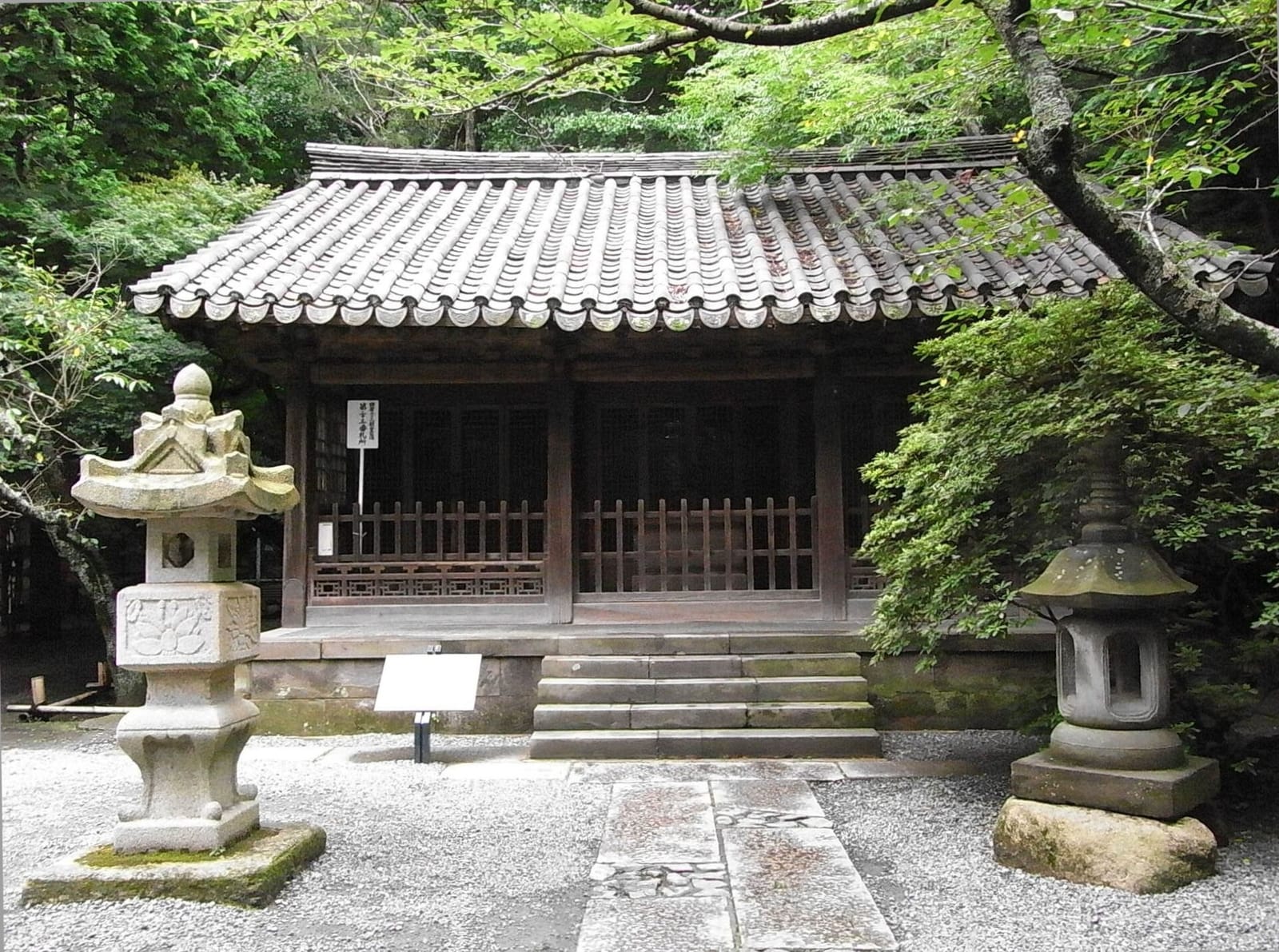
A small hall behind the Great Buddha that Kotoku-in believes was part of a mid-15th-century palace in Hanyang, today’s Seoul. It was moved from a Tokyo estate and donated to the temple in 1924. Inside is a standing Kannon thought to date from the late Edo period. Most people stop at the statue, so this corner of the grounds is quieter.
Rules at Kotoku-in. Eating and drinking are banned in the grounds, apart from water in sealed bottles, and the temple does not let in visitors eating while they walk. There are no bins. Drones and Pokémon GO are banned, smoking is not allowed anywhere, and pets may come only in a cage or carrier.
What should you add with half a day?
Add Hase-dera. Allow two to three hours for both temples, and in the afternoon go to Hase-dera first, because its last entry is 16:30 from July to March and the Great Buddha’s interior also closes at 16:30, while Kotoku-in’s grounds stay open until 17:00.
Hase-dera (Hasedera)
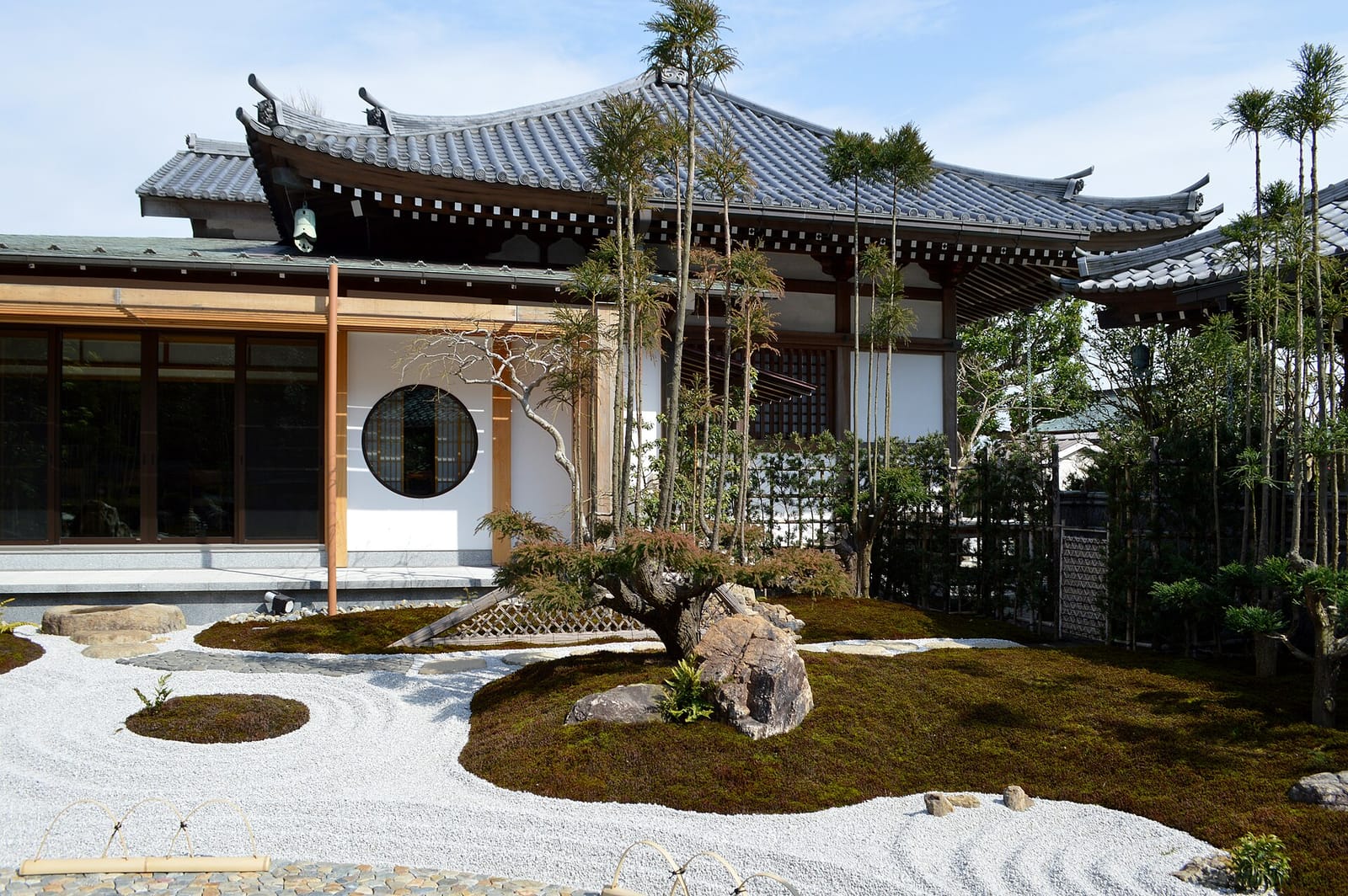
A hillside temple with a lower level, where the cave is, and halls and a lookout above. Legend dates the temple to 736. No reservations are taken, so you simply pay at the gate. The garden page lists something in flower every month; for a November visit, it lists maples, tsuwabuki and isogiku.
- Hours
- 8:00–17:00 Jul–Mar, last entry 16:30; 8:00–17:30 Apr–Jun, last entry 17:00 (as of November 2026)
- Price
- ¥400 adults, ¥200 ages 6–11 (as of November 2026)
- Access
- About 5 min walk from Enoden Hase Station
- Source
- www.hasedera.jp
Kannon-do Hall and Kannon Museum
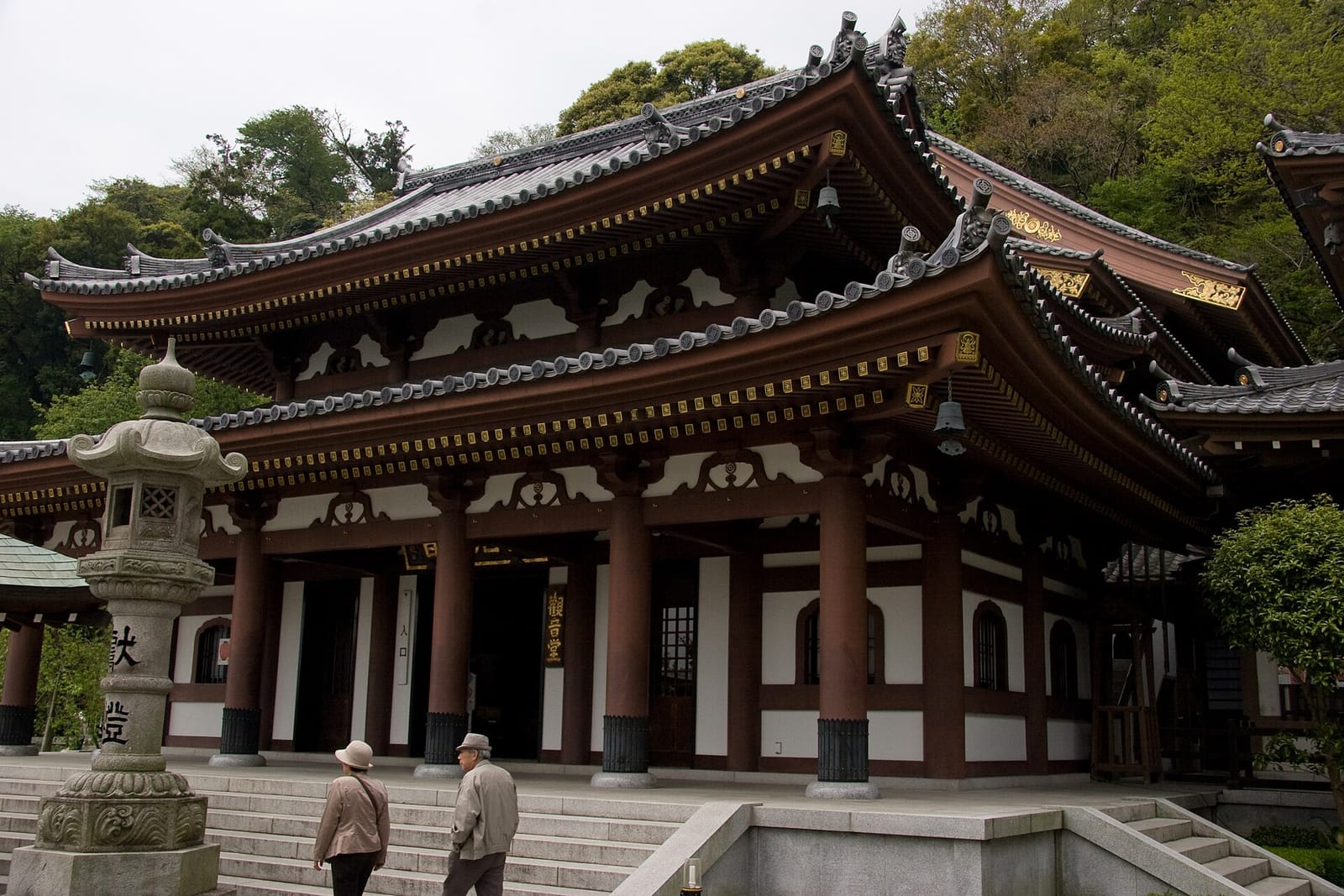
The main hall on the upper level holds the eleven-headed Kannon, 9.18 metres tall and one of the largest wooden Buddhist statues in Japan. The hall was badly damaged in the 1923 Great Kanto Earthquake; the present building was completed in 1985. Next door, the Amida-do holds the Yakuyoke Amida, and a 105 cm mokugyo drum that the temple calls the largest in Japan. The Kannon Museum has three exhibition rooms and closes between exhibitions.
- Price
- Kannon Museum ¥300 adults, ¥150 children (as of November 2026)
- Source
- www.hasedera.jp
Benten-kutsu Cave
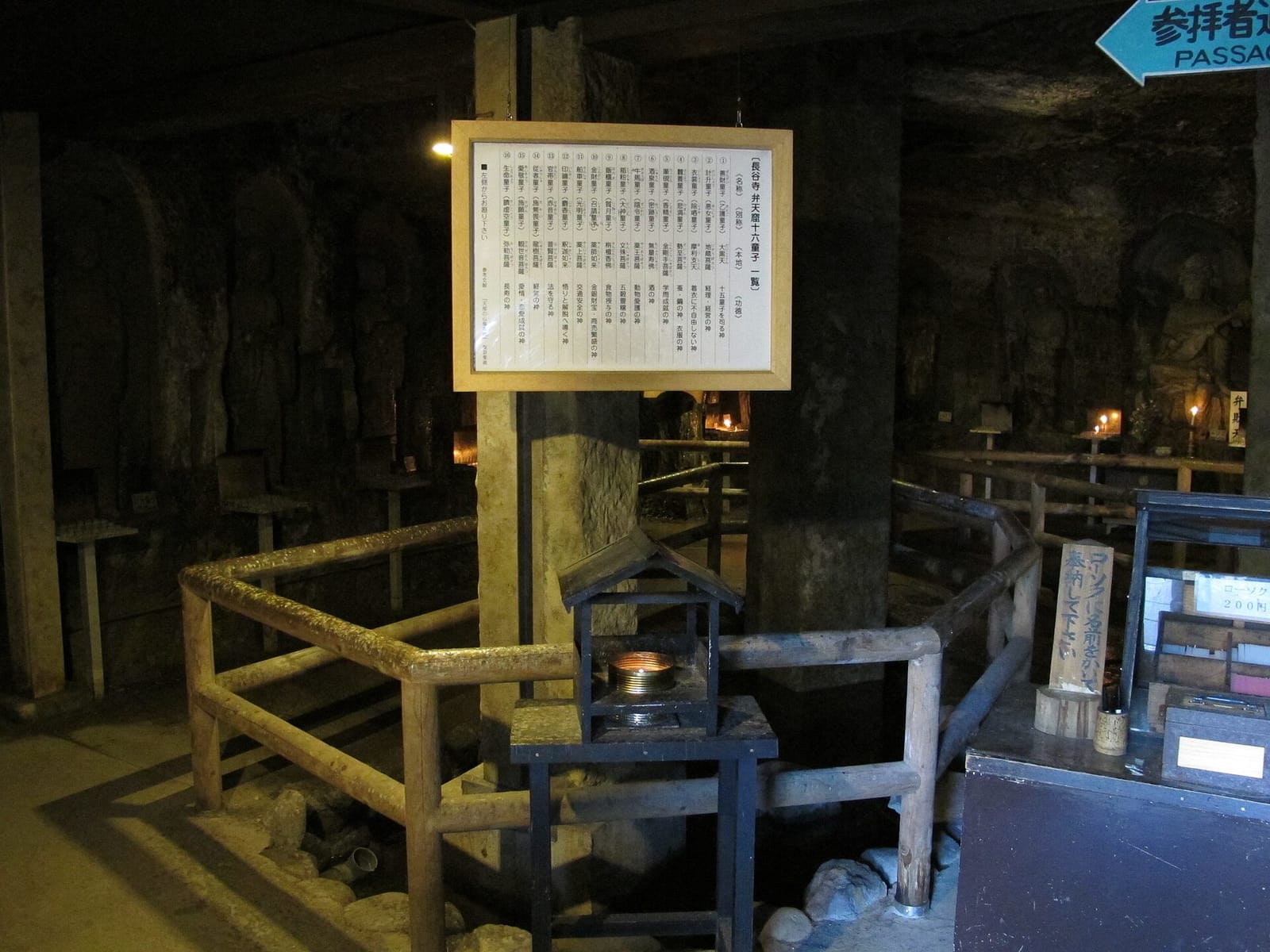
A cave on the lower level, believed to be where Kobo Daishi practised in seclusion. Figures of Benzaiten and her sixteen attendants are carved into the rock in one chamber. In the last chamber, you can write a wish and your name on a small Benzaiten figure and leave it as an offering.
The lookout. Between the levels, Hase-dera’s observation platform looks over Kamakura’s rooftops to the sea, with tables and chairs. On the way up, the Jizo-do is ringed by rows of small Jizo statues; nearby is the Mizukake Jizo, which visitors gently pour water over.
The scripture hall. The Kyozo holds a rotating bookshelf of sutras. It can be turned only on the 18th of each month, January 1–3, April 8 and August 10, so check the date if you want to try it.
How do you turn the Hase area into a full day?
Start at Hase-dera at 8:00, have lunch at its restaurant, see the Great Buddha in the early afternoon, then walk the small shrines and temples around Hase Station and finish on Yuigahama beach. This keeps both temples well before their last entry.
| Time | Stop | Note |
|---|---|---|
| 8:00 | Hase-dera | Upper halls and lookout first, cave on the way out |
| 10:00 | Kaikoan (Hase-dera) | Opens at 10:00; early lunch or coffee at Teraya Cafe |
| 11:15 | Kotoku-in | Statue interior, Kangetsu-do |
| 12:45 | Goryo Shrine, Kosokuji | Both listed by Enoden near Hase Station |
| 14:00 | Yuigahama beach | About 5 min on foot from Hase Station |
| 15:00 | Enoden onward | To Kamakura, or west toward Enoshima |
Kaikoan (Hase-dera restaurant)
The restaurant inside Hase-dera, and the answer to Kotoku-in’s no-food rule. The menu lists a vegetarian curry, a vegan meat pasta, desserts and drinks. Teraya Cafe, also 10:00–16:00, serves coffee, and the Nagomi shop sells pouch versions of Kaikoan’s curry and pasta as souvenirs.
- Hours
- 10:00–16:00 (as of November 2026)
- Source
- www.hasedera.jp
Goryo Shrine
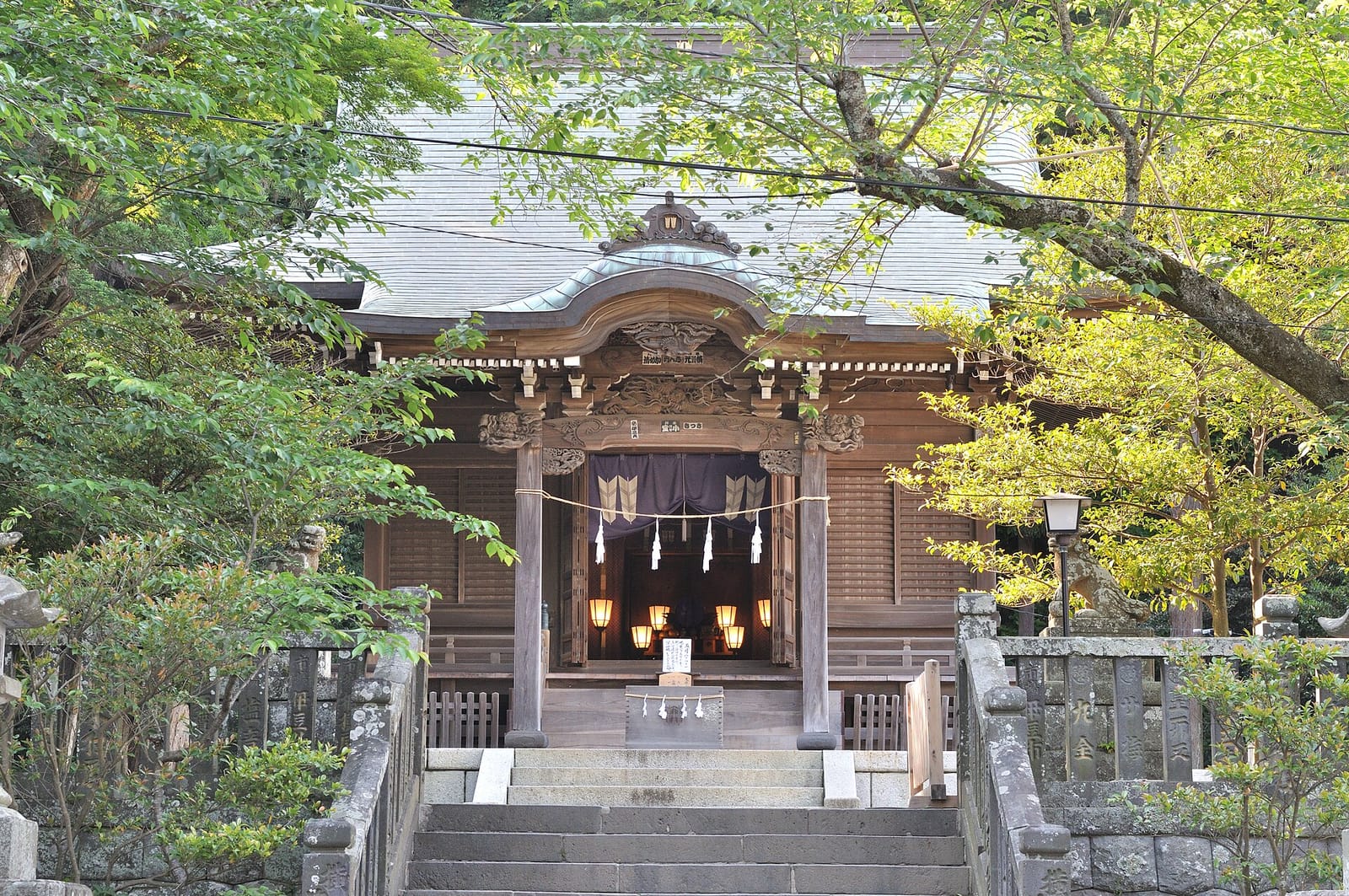
A small Shinto shrine that Enoden lists among the sights within 5 minutes of Hase Station. It makes a short detour between the temples and the sea.
- Access
- About 5 min walk from Enoden Hase Station
- Source
- enoden.co.jp
Kosokuji
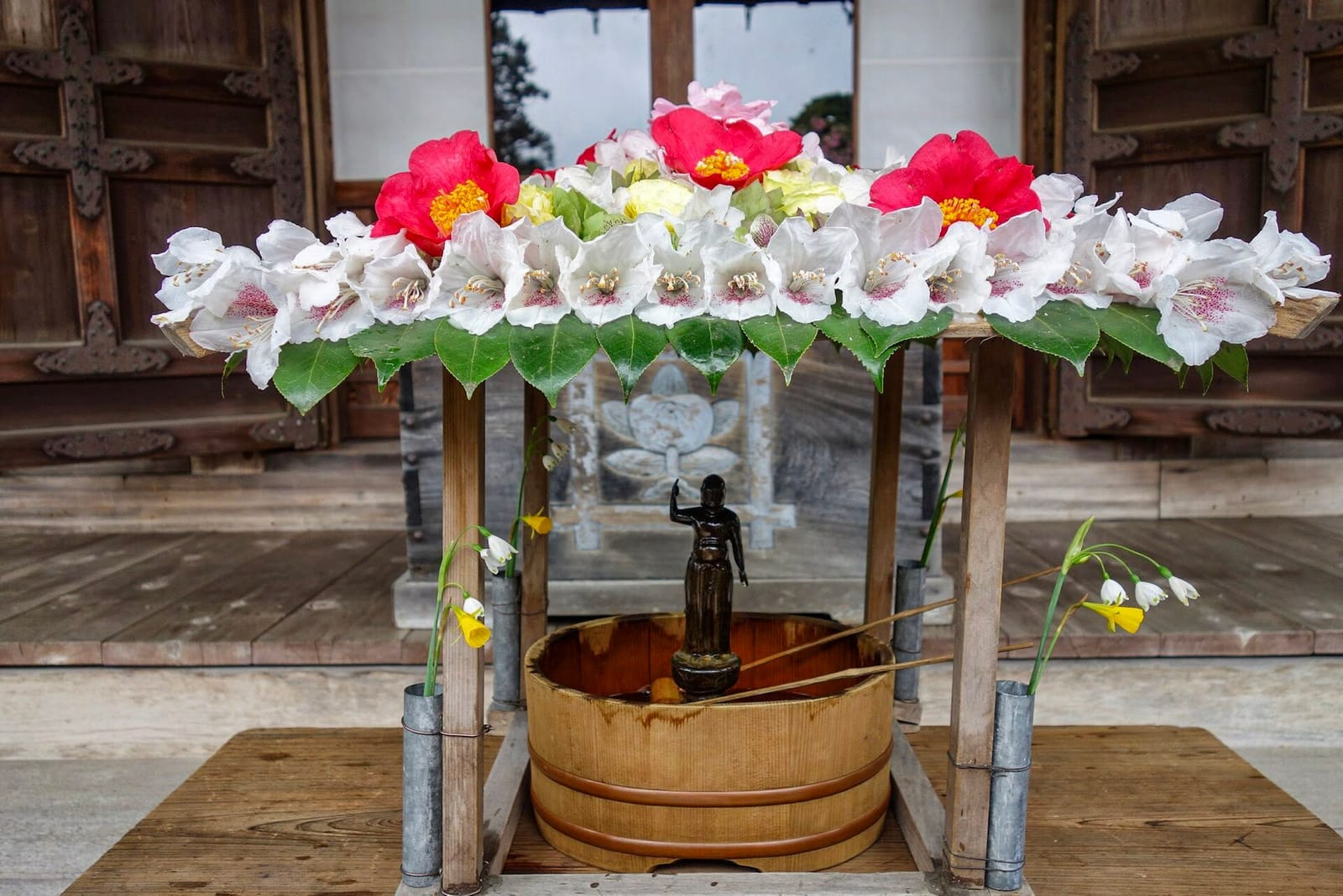
A smaller temple that Enoden lists 7 minutes on foot from Hase Station. It suits the gap between lunch and the beach. Enoden also lists Amanawa Shinmei Shrine, 5 minutes from the station, if you want one more stop.
- Access
- About 7 min walk from Enoden Hase Station
- Source
- enoden.co.jp
Yuigahama Beach
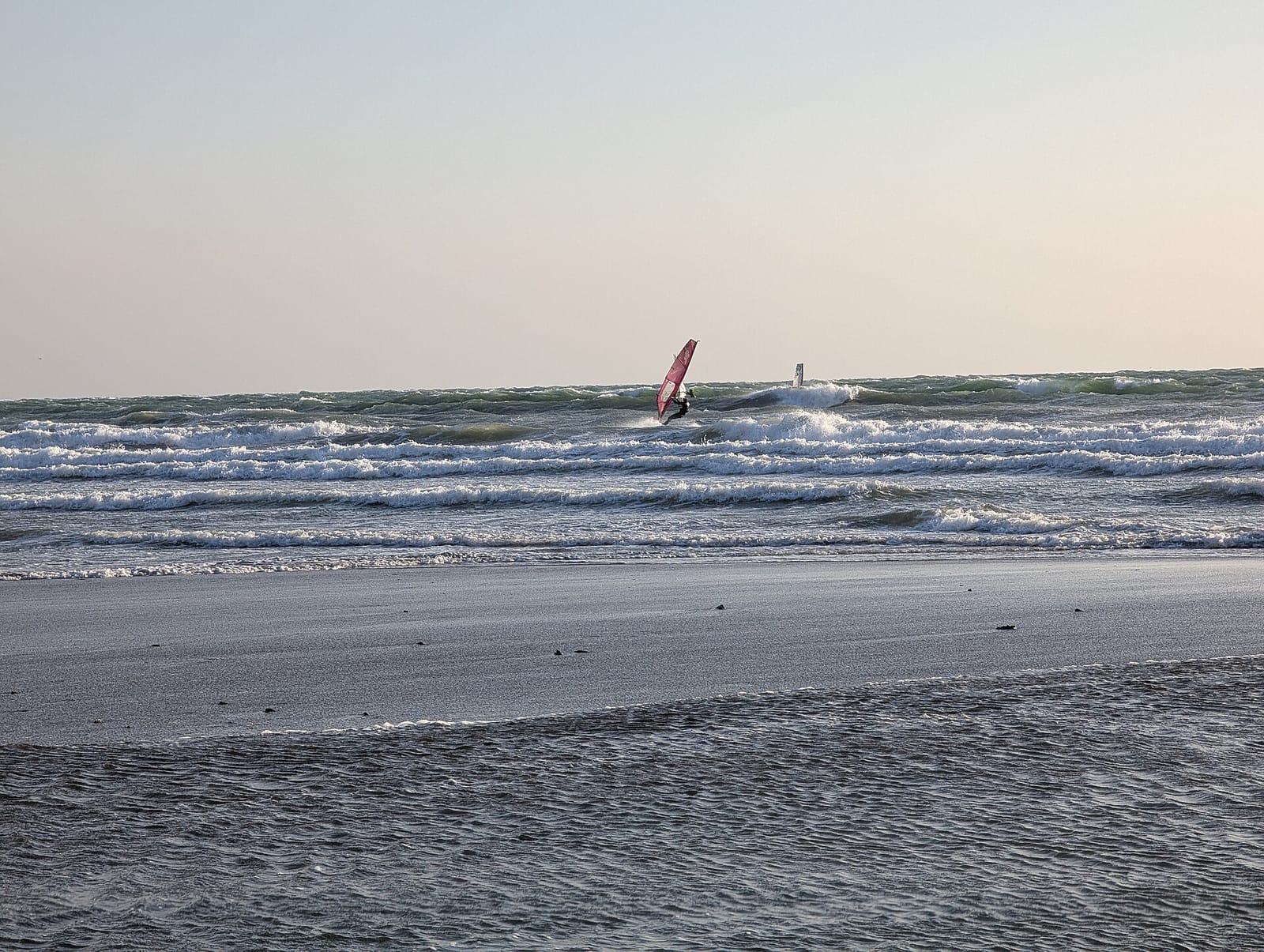
The beach south of the temples, used for swimming since the Meiji period. Kanagawa Prefecture lists public toilets and showers, and beach houses in summer. From here you can walk back to Kamakura Station in about 15 minutes instead of taking the train.
- Access
- About 5 min walk from Enoden Hase, Yuigahama or Wadazuka stations; 15 min from JR Kamakura Station
- Source
- www.pref.kanagawa.jp
From Hase, the Enoden runs west along the coast to Enoshima. Our Kamakura and Enoshima one-day itinerary does the day the other way round, with the island in the morning and the Great Buddha after lunch. Each stop on this page has “Add to my route”, so you can tick the ones in your course and open them in Google Maps in order.
What should you know before you go?
Go early and keep your bags light. Both temples open at 8:00, so a first train from Tokyo still puts you at the gates in the first hours of the day.
- Luggage: Enoden lists coin lockers at Hase, Kamakura, Enoshima and Fujisawa stations. Neither temple’s English pages mention a cloakroom.
- Wheelchairs at Kotoku-in: ramps lead from the main entrance to the front of the Buddha and along the gallery, and there is an accessible restroom. A limited number of wheelchairs can be borrowed at the ticket counter from 9:00 to 16:00, for use in the grounds only. The temple asks that wheelchair users come with a helper, because some paths are bumpy.
- Strollers: allowed at Kotoku-in, with an adult beside the child at all times. At Hase-dera, the Jizo-do is reached by stairs from the lower level.
- Big suitcases: Enoden allows up to two pieces per person, each under 30 kg and no more than 2.5 metres in combined length, width and height, but may refuse large luggage on crowded trains.
- Seals (goshuin): Kotoku-in sells a pre-printed seal for ¥300 at the office next to the shop, 8:00–16:30, and writes seals by hand only 9:00–15:00 (as of November 2026).
- Photos: personal photos are fine at Kotoku-in. Commercial shoots need an application at least five days ahead.
If you would rather be at Hase-dera at 8:00 without a 6 a.m. train from Tokyo, a night in Kamakura makes that easy.
Hotels in Kamakura
Staying near Kamakura Station puts Hase three Enoden stops away before the first day-trip trains arrive, and leaves the evening free for the town center.
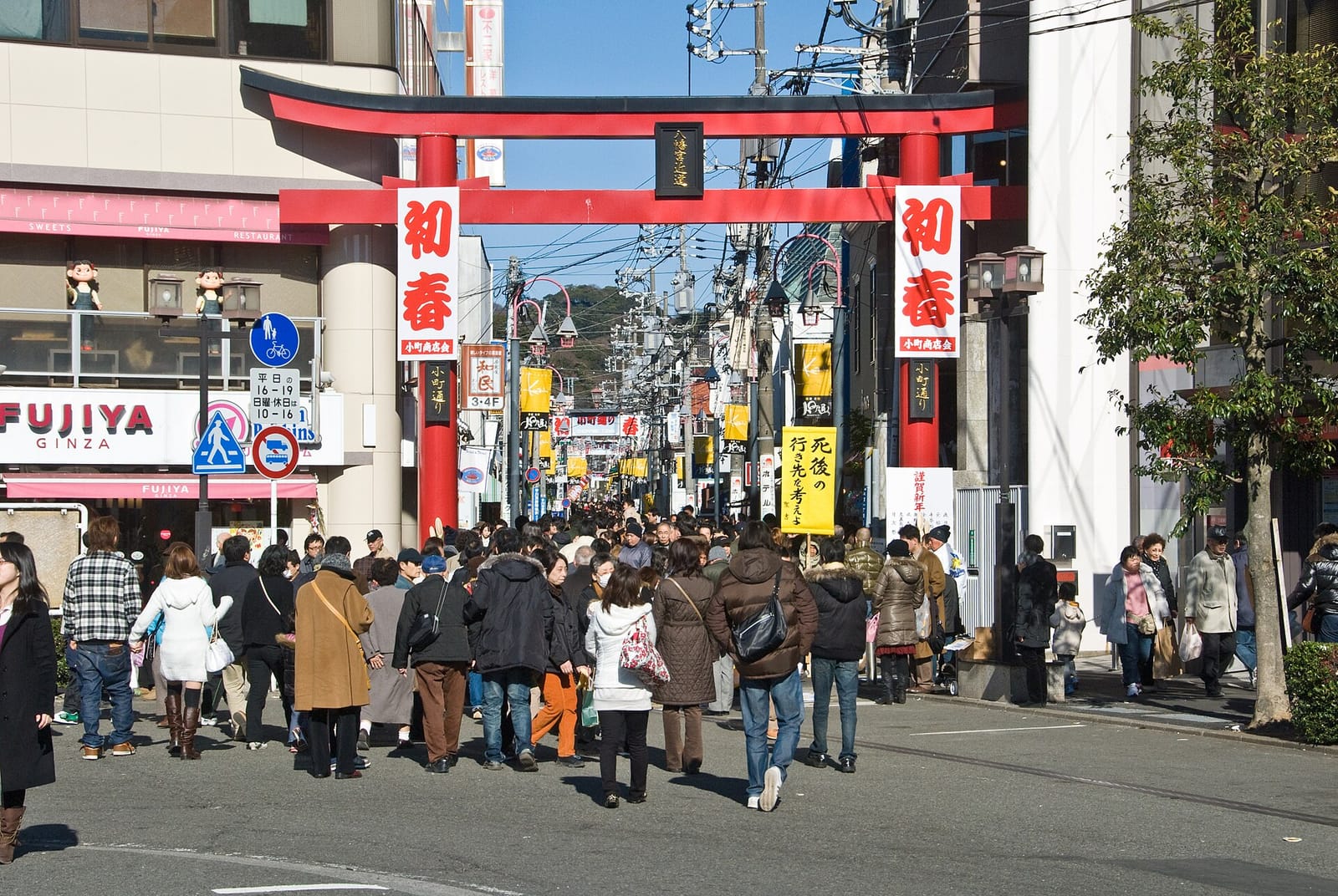 What to Eat on Komachi-dori, Kamakura (and Where to Stand)
 Kamakura Day Trip from Tokyo: Timed Plans for Weekdays and Weekends
FAQ
Which should you visit first, the Great Buddha or Hase-dera?
In the morning, either order works because both open at 8:00. After lunch, see Hase-dera first if you also want the inside of the Great Buddha: Hase-dera's last entry is 16:30 from July to March, the statue's interior closes at 16:30, and Kotoku-in's grounds stay open until 17:00 from October to March.
How much does it cost to see the Great Buddha and Hase-dera?
As of November 2026, Kotoku-in charges ¥300 for adults and ¥150 for children aged 6 to 12, plus ¥50 to go inside the statue. Hase-dera charges ¥400 for adults and ¥200 for children aged 6 to 11, and the Kannon Museum inside Hase-dera is another ¥300. Both temples together come to ¥750 per adult with the statue interior.
Can you go inside the Kamakura Great Buddha?
Yes. Kotoku-in opens the interior of the statue from 8:00 to 16:30 all year for an extra ¥50, and asks you to enter at least ten minutes before closing. Filming inside the statue is not allowed, and selfie sticks cannot be used there.
Can you eat at the Great Buddha?
No. Kotoku-in bans eating, drinking and bringing food or drinks into the grounds, apart from sealed bottles, and visitors eating while walking are turned away at the gate. There are no bins, so take rubbish with you. Hase-dera's Kaikoan restaurant, open 10:00 to 16:00, is the nearest sit-down option inside a temple.
Where can you leave luggage near the Great Buddha?
Enoden lists coin lockers at Hase Station, and also at Kamakura, Enoshima and Fujisawa stations. Neither temple's English pages mention luggage storage, and Kotoku-in's corridor and Hase-dera's stairs are easier with your hands free.
Sources
- Kotoku-in — Visitor information (hours, fees, access, rules)
- Kotoku-in — FAQ (food, seals, wheelchairs, re-entry)
- Kotoku-in — An overview of the Great Buddha (dimensions)
- Kotoku-in — The Great Buddha and the teachings of Kotoku-in (history)
- Kotoku-in — Map of the temple grounds and barrier-free route
- Hasedera — Admission and access
- Hasedera — Introduction and map of the grounds
- Hasedera — Garden (flowers by month)
- Hasedera — Restaurant and shop
- Enoden — Hase Station (facilities and nearby sights)
- Enoden — Noriorikun one-day pass
- Enoden — FAQ (coin lockers, restrooms)
- Kanagawa Prefecture — Yuigahama Beach
This article contains affiliate links. We may earn a commission at no extra cost to you.