Kamakura Day Trip from Tokyo: Timed Plans for Weekdays and Weekends
Two timed Kamakura day plans from Tokyo or Shinjuku: a JR route for weekdays and rain, and an early Odakyu Freepass loop with Enoshima for weekends.
There are two good ways to do Kamakura in a day from Tokyo, and the right one depends mostly on the calendar. On a weekday, or when rain is forecast, ride JR straight to Kamakura Station, walk the shrine and shopping street first, then take the Enoden to the Great Buddha. You can be back in Tokyo by late afternoon. On a weekend with clear skies, buy Odakyu’s Enoshima-Kamakura Freepass in Shinjuku, leave before 7 a.m., and run the day backwards: Great Buddha at opening time, Kamakura’s town center at midday, Enoshima to finish.
This guide is for first-time visitors with one free day and a light bag. Plan B costs ¥2,340 per adult for the Freepass and temple entry, before food; on Plan A you pay JR and Enoden fares by IC card plus ¥700 in temple entry. All prices and hours are as of November 2026, from the operators’, JNTO’s and Kanagawa Prefecture’s official pages listed at the end.
Which plan should you pick?
Pick Plan A (JR) for a weekday or a rainy day, and Plan B (Freepass) for a weekend or a clear day when you also want Enoshima.
| Plan A: JR, Kamakura only | Plan B: Freepass loop with Enoshima | |
|---|---|---|
| Best for | Weekdays, rain, JR Pass holders | Weekends and holidays, clear weather |
| Leave Tokyo | About 8:30 | About 6:50 from Shinjuku |
| Train from Tokyo | JR Yokosuka Line (Tokyo Station, about 55 min) or Shonan-Shinjuku Line (Shinjuku) | Odakyu Line, Shinjuku to Fujisawa, about 1 hour |
| Order | Kamakura Station → shrine → Komachi-dori → Hase | Hase → Kamakura Station area → Enoshima |
| Ticket | IC card (Suica, PASMO) for JR and Enoden | Enoshima-Kamakura Freepass, ¥1,640 adult |
| Back in Tokyo | Around 16:30 | Early evening |
Why the order flips on weekends: most Kamakura day plans, including Plan A, start at Kamakura Station and reach Hase after lunch. Kotoku-in and Hasedera both open at 8:00, so starting at the Hase end puts you at the two temples at opening time and keeps you out of step with the usual flow for the rest of the day.
Plan A: what does a weekday Kamakura day look like?
Ride JR to Kamakura, see the shrine and Komachi-dori in the morning, and take the Enoden to Hase after lunch.
From Tokyo Station, JNTO puts Kamakura 55 minutes away on the JR Yokosuka Line. From Shinjuku, the JR Shonan-Shinjuku Line also serves Kamakura Station, which Kanagawa Prefecture lists alongside the Yokosuka Line. Not every Shonan-Shinjuku train runs through to Kamakura, so check the destination board; if yours does not, change to the Yokosuka Line at Ofuna, the transfer JNTO describes for trains from Tokyo. Tap in with a Suica or PASMO card. If you do not have one yet, our guide to buying Suica in Shinjuku covers the machines and the mobile version.
| Time | Where | How you get there | Ride time / fee (as of Nov 2026) |
|---|---|---|---|
| 8:30 | Leave Tokyo Station or Shinjuku | JR Yokosuka Line, or Shonan-Shinjuku Line | About 55 min from Tokyo Station |
| 9:35 | Kamakura Station | — | — |
| 9:40 | Tsurugaoka Hachimangu | 10-min walk from the East Exit | Free (treasure hall ¥200) |
| 11:00 | Komachi-dori, early lunch | Walk back toward the station | Allow about 1 hr |
| 12:30 | Enoden, Kamakura to Hase | Train, 3rd stop | About 7 min |
| 12:45 | Kotoku-in (Great Buddha) | 7-min walk from Hase Station | ¥300; inside the statue +¥50 |
| 13:45 | Hasedera | 5-min walk from Hase Station | ¥400 |
| 15:00 | Enoden, Hase to Kamakura | Train | About 7 min |
| 15:20 | JR back to Tokyo or Shinjuku | Same lines | About 1 hr |
If it rains. Plan A is the shorter of the two and keeps you close to trains, so it is the one to use in bad weather. Drop Komachi-dori to a quick lunch and spend longer at Kotoku-in, where you can go inside the statue for ¥50 between 8:00 and 16:30. Skip Enoshima, which involves a long, exposed walk: Enoden puts the Enoshima Sea Candle about 25 minutes on foot from Enoshima Station.
Transferring at Kamakura Station. JR and Enoden share the station. Enoden’s riding tips say that if you hold both a JR ticket and an Enoden ticket, insert them together at the transfer gate, and use the staffed gate if the machine rejects one. With an IC card you simply tap through.
Plan B: how do you beat the weekend crowds with the Freepass?
Leave Shinjuku early on the Odakyu Line, start at the Great Buddha when it opens at 8:00, and keep Enoshima for the afternoon.
The Enoshima-Kamakura Freepass costs ¥1,640 per adult and ¥430 per child from Shinjuku, as of November 2026. Odakyu says it covers the Odakyu Line round trip and the whole Enoden Line for one day. The Fujisawa city tourism site adds that you can hop on and off the Odakyu Line between Fujisawa and Katase-Enoshima. Buy it from Odakyu ticket machines or online through EMot. Romancecar seats are not included: the surcharge from Shinjuku to Katase-Enoshima is ¥750 per adult.
| Time | Where | How you get there | Ride time / fee (as of Nov 2026) |
|---|---|---|---|
| 6:50 | Leave Shinjuku | Odakyu Line to Fujisawa (Freepass) | About 1 hr |
| 7:55 | Fujisawa, change to Enoden | Enoden toward Kamakura, 11th stop | About 40 min to Hase |
| 8:40 | Kotoku-in (Great Buddha) | 7-min walk from Hase Station | ¥300 |
| 9:30 | Hasedera | Walk | ¥400 |
| 10:30 | Enoden, Hase to Kamakura | Train (Freepass) | About 7 min |
| 10:45 | Tsurugaoka Hachimangu | Walk up Wakamiya-oji, not Komachi-dori | Free |
| 12:00 | Komachi-dori, lunch | Walk | Allow about 1 hr |
| 13:30 | Enoden, Kamakura to Enoshima | Train (Freepass) | Under 30 min (the full line runs about 30 min) |
| 14:15 | Enoshima | Walk across the bridge | Sea Candle about 25 min on foot from the station |
| 16:30 | Katase-Enoshima, Odakyu back to Shinjuku | Freepass; Romancecar +¥750 | About 1 hr+ |
Budget for Plan B per adult: ¥1,640 Freepass + ¥300 Kotoku-in + ¥400 Hasedera = ¥2,340 before food and any Enoshima attractions (as of November 2026).
Three habits that help on busy days:
- Walk Wakamiya-oji to the shrine. JNTO calls Komachi-dori frequently crowded, with about 18 million visitors a year, and notes that it runs parallel to Wakamiya-oji, the avenue that leads to Tsurugaoka Hachimangu. Walk up the avenue and come back down Komachi-dori for food.
- Travel light. Enoden’s FAQ says bicycles and large luggage may be refused depending on how crowded trains are, and sets a limit of two pieces with a combined size of 2.5 m and under 30 kg. Leave big bags in Tokyo; our Shinjuku Station luggage storage guide compares the lockers and staffed counters, including Odakyu’s baggage desk.
- Top up your IC card before you queue. Enoden says an IC card with less than the base fare will be rejected at the gate. If you pay per ride instead of using the Freepass, charge it at a ticket machine first.
If the sky clouds over. Cut Enoshima and ride the Enoden back to Fujisawa for the Odakyu train home. The Freepass covers both, so the plan simply ends earlier.
What are the stops, in route order?
The stops below follow Plan A. On the Freepass plan, start at stop 4 and come back to 1 to 3 before stop 6. Tick “Add to my route” on each stop to open them in Google Maps in this order.
Kamakura Station
The hub of the day. JR and the Enoden share the station, and Komachi-dori starts right next to it. If you would rather stay the night and walk the shrine before the day-trippers arrive, hotels around the station keep you on foot to every stop on Plan A.
- Access
- JR Yokosuka Line from Tokyo Station, about 55 min; JR Shonan-Shinjuku Line from Shinjuku
- Source
- www.japan.travel
Tsurugaoka Hachimangu
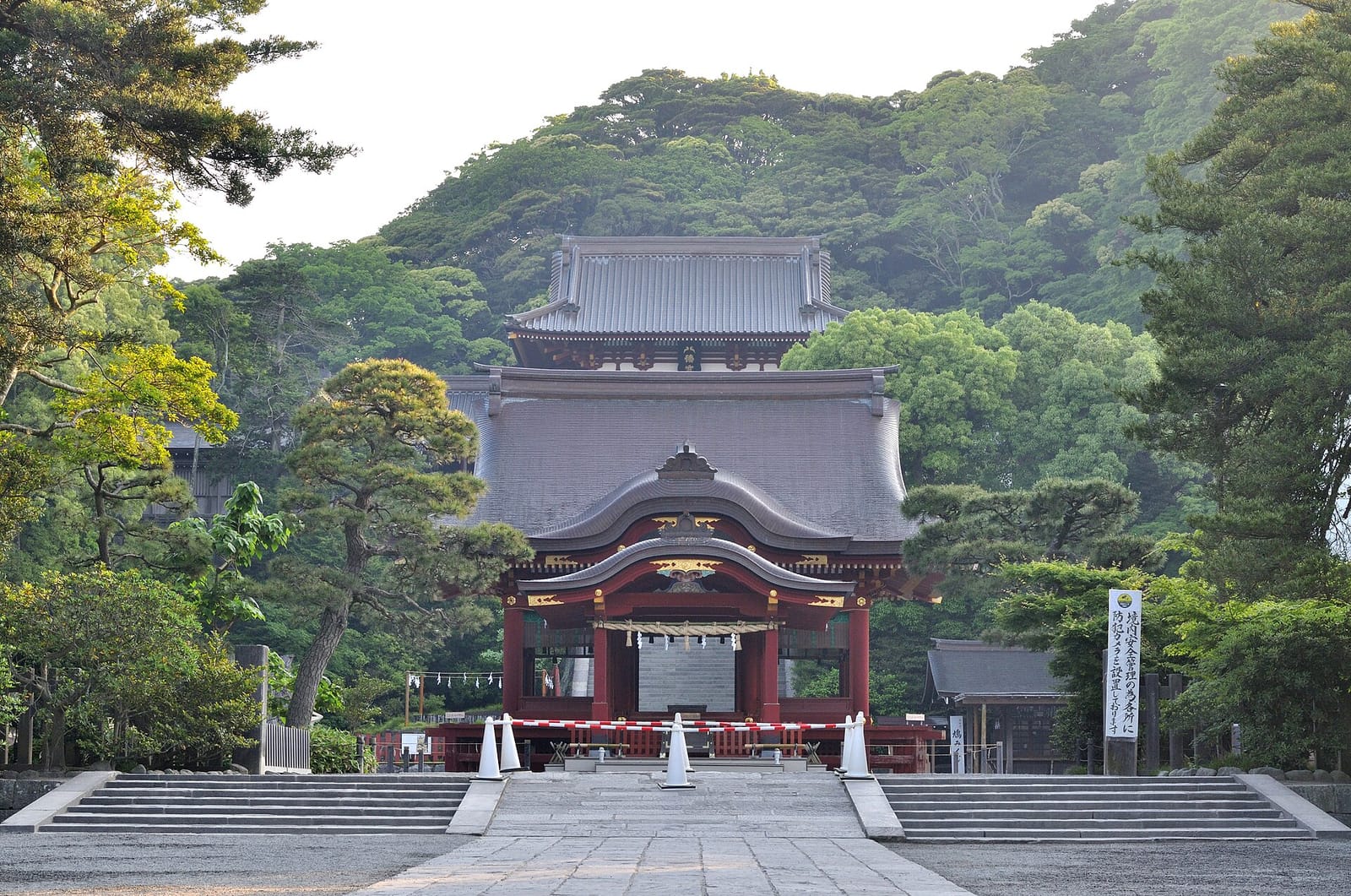
Kamakura’s main shrine, at the top of Wakamiya-oji. Entry to the grounds is free; only the treasure hall charges. Check the shrine’s own site for festival days: JNTO says the April Kamakura Festival and the September Reitaisai bring very large crowds.
- Price
- Grounds free; treasure hall ¥200 adults, ¥100 children (as of November 2026)
- Access
- About 10 min walk from the East Exit of JR or Enoden Kamakura Station
- Source
- www.pref.kanagawa.jp
Komachi-dori
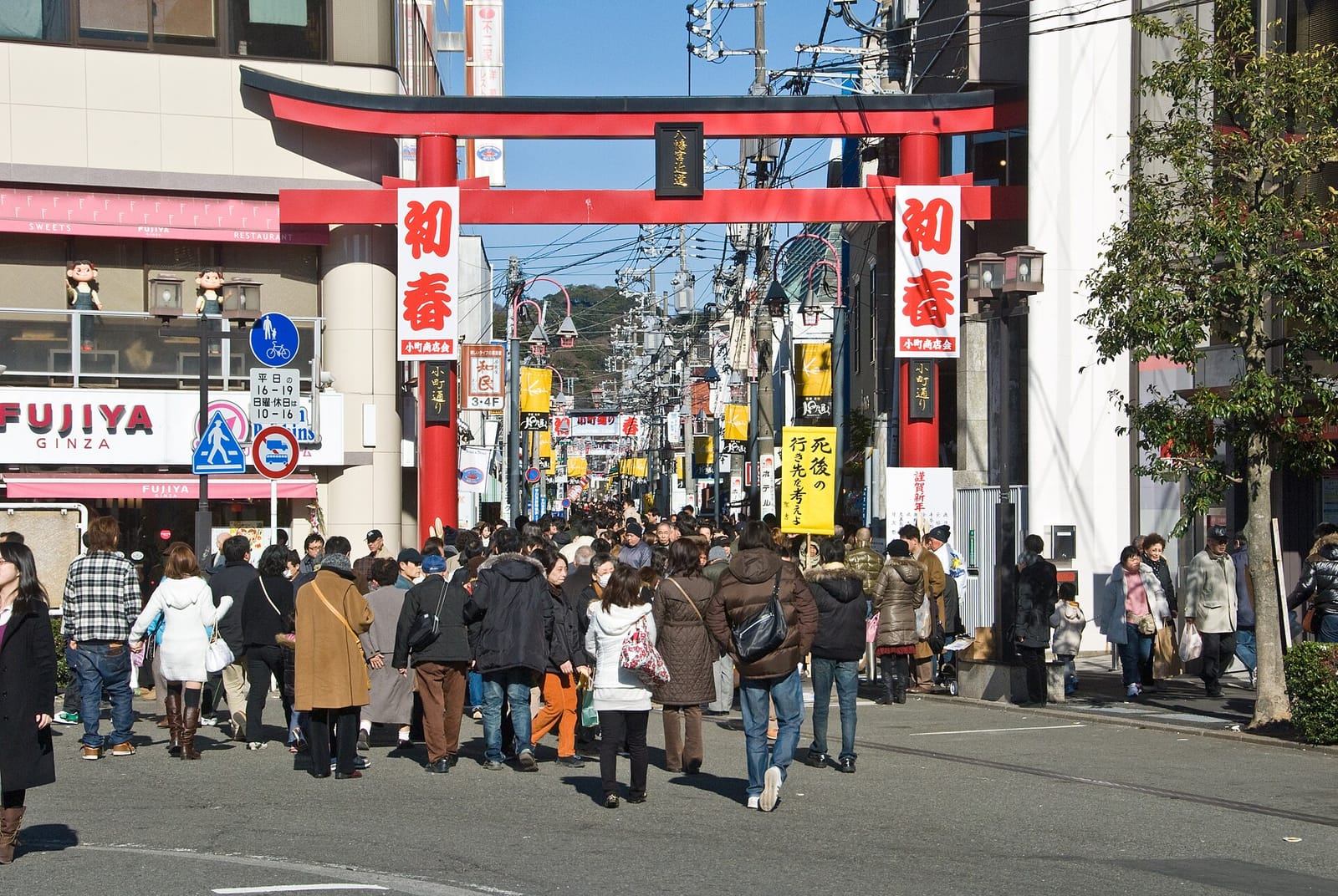
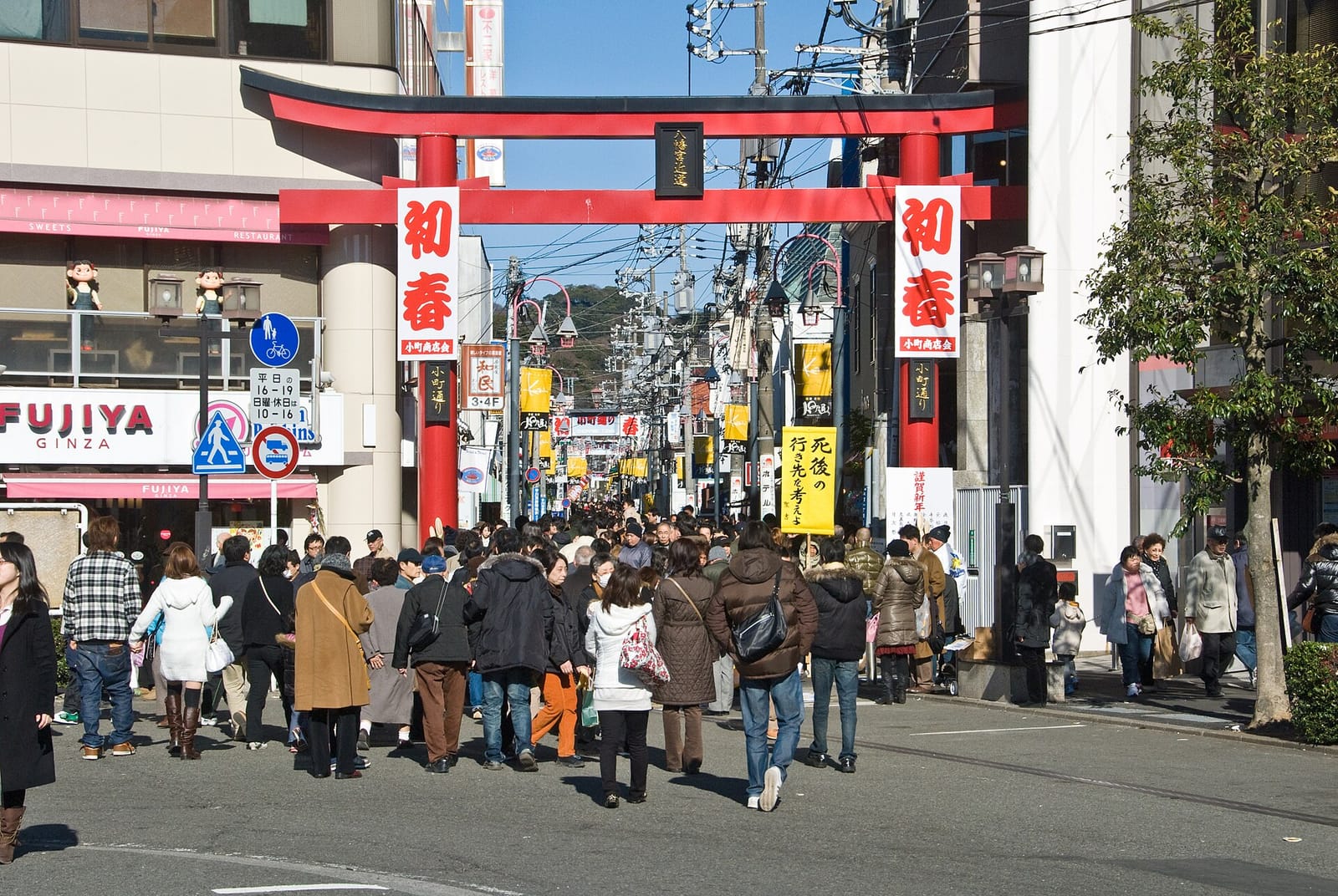
A pedestrian street of about 350 m with shops, cafes and bakeries. JNTO notes it is closed to traffic in the daytime and that many restaurants serve shirasu (whitebait), raw, on noodles or over rice. JNTO allows about an hour; popular restaurants have lines, so eat early. For shop-by-shop picks and the city’s eating-while-walking rule, see what to eat on Komachi-dori.
- Access
- Starts at the red torii to the left of Kamakura Station's East Exit
- Source
- www.japan.travel
Kotoku-in (Great Buddha of Kamakura)
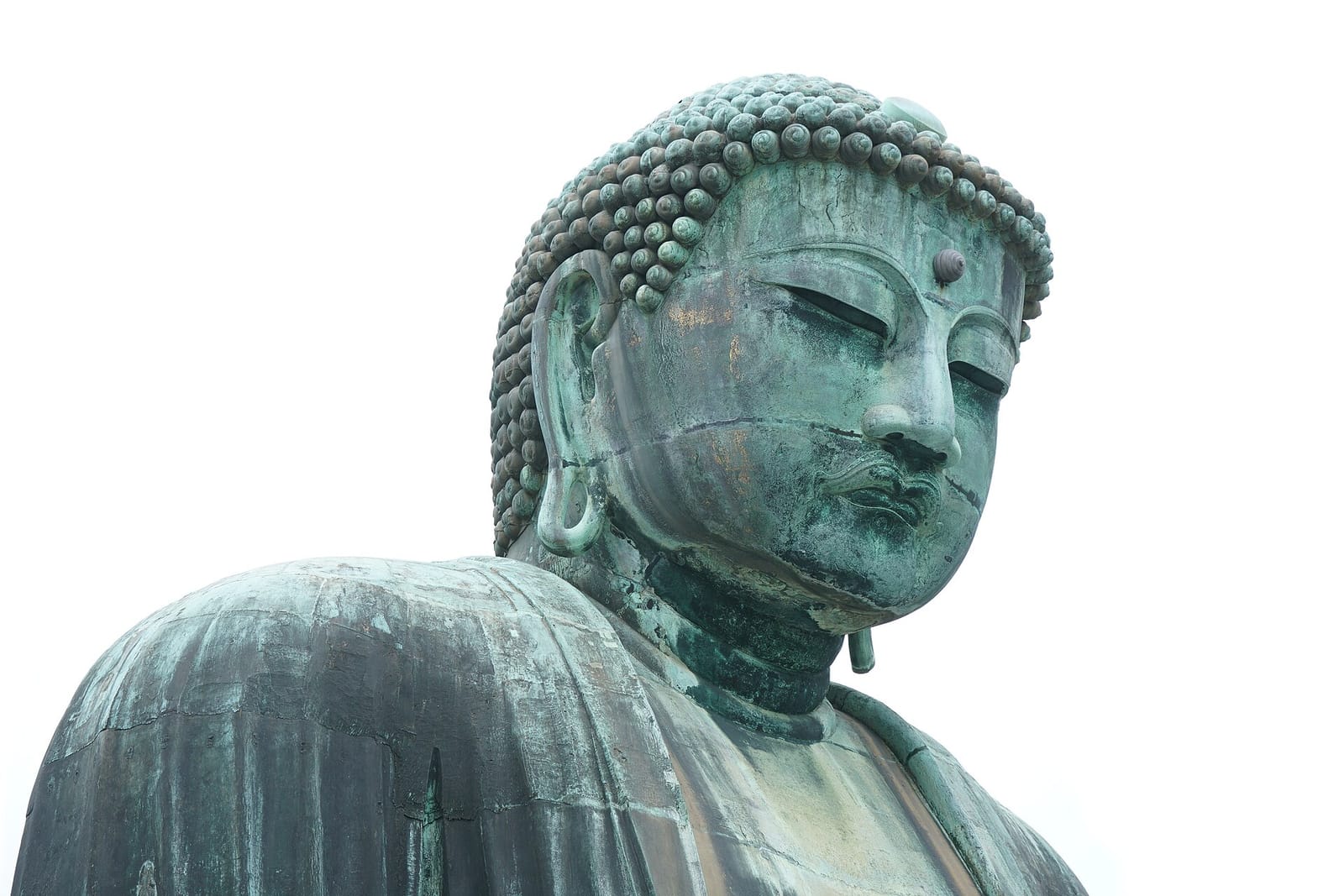
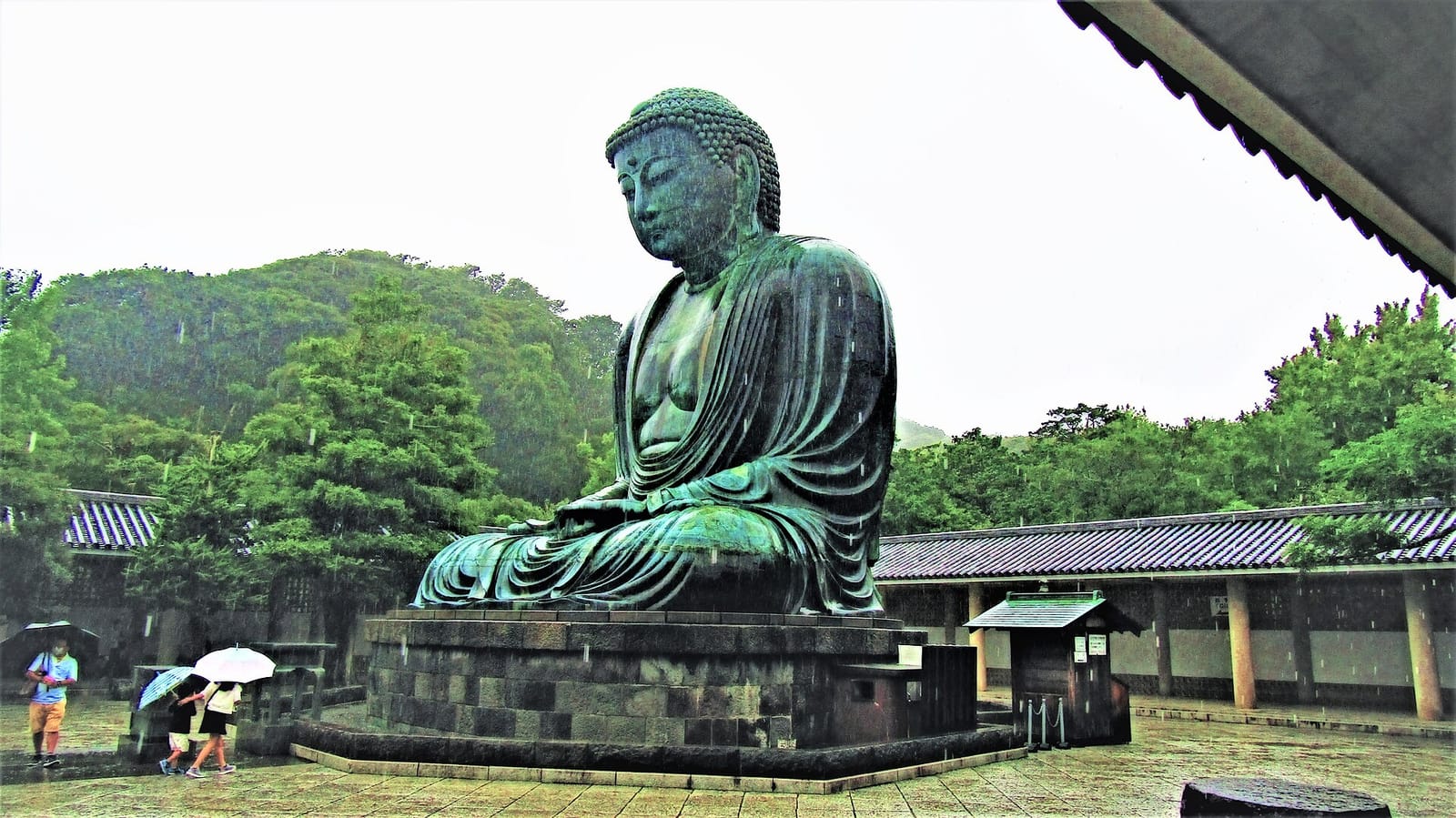
Kamakura’s Great Buddha, and the reason most visitors ride the Enoden to Hase. No reservation is needed, and for an extra ¥50 you can go inside the statue. On the weekend plan, arrive close to the 8:00 opening; entry stops 15 minutes before closing.
- Hours
- 8:00–17:00 Oct–Mar, 8:00–17:30 Apr–Sep; inside the statue 8:00–16:30 (as of November 2026)
- Price
- ¥300 adults, ¥150 children 6–12; inside the statue +¥50 (as of November 2026)
- Access
- Enoden to Hase Station (7 min from Kamakura, about 40 min from Fujisawa), then 7 min walk
- Source
- www.kotoku-in.jp
Hasedera
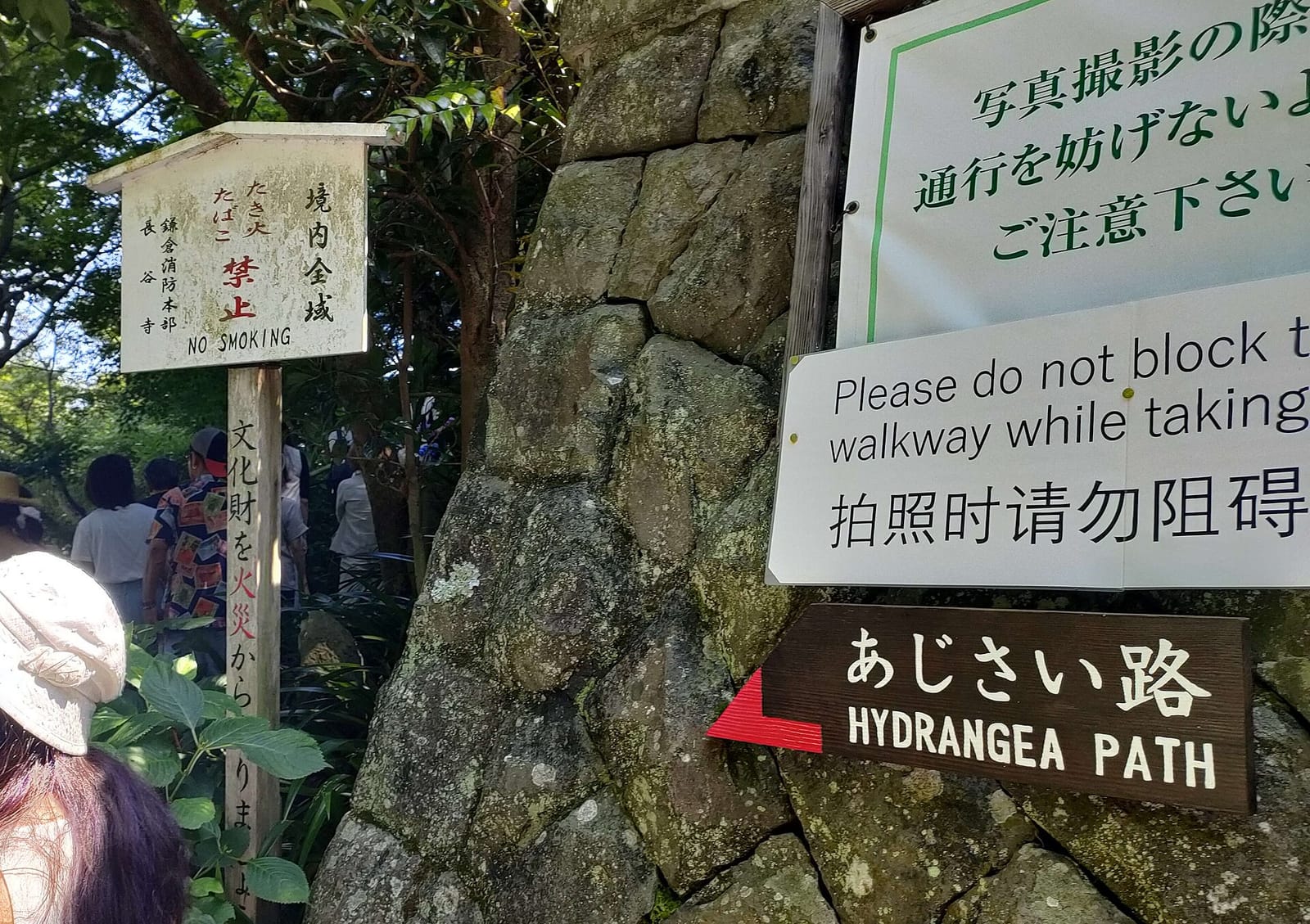
The second temple at the Hase end, a short walk from Kotoku-in and Hase Station. Kanagawa Prefecture notes that the temple is known for its hydrangeas. Last entry is 30 minutes before closing, so on Plan A arrive by mid-afternoon. For the halls, the cave and the right order for both temples, see our Great Buddha and Hase-dera guide.
- Hours
- 8:00–17:00 Jul–Mar (last entry 16:30); 8:00–17:30 Apr–Jun (last entry 17:00) (as of November 2026)
- Price
- ¥400 adults, ¥200 children 6–11 (as of November 2026)
- Access
- About 5 min walk from Enoden Hase Station
- Source
- www.hasedera.jp
Enoshima
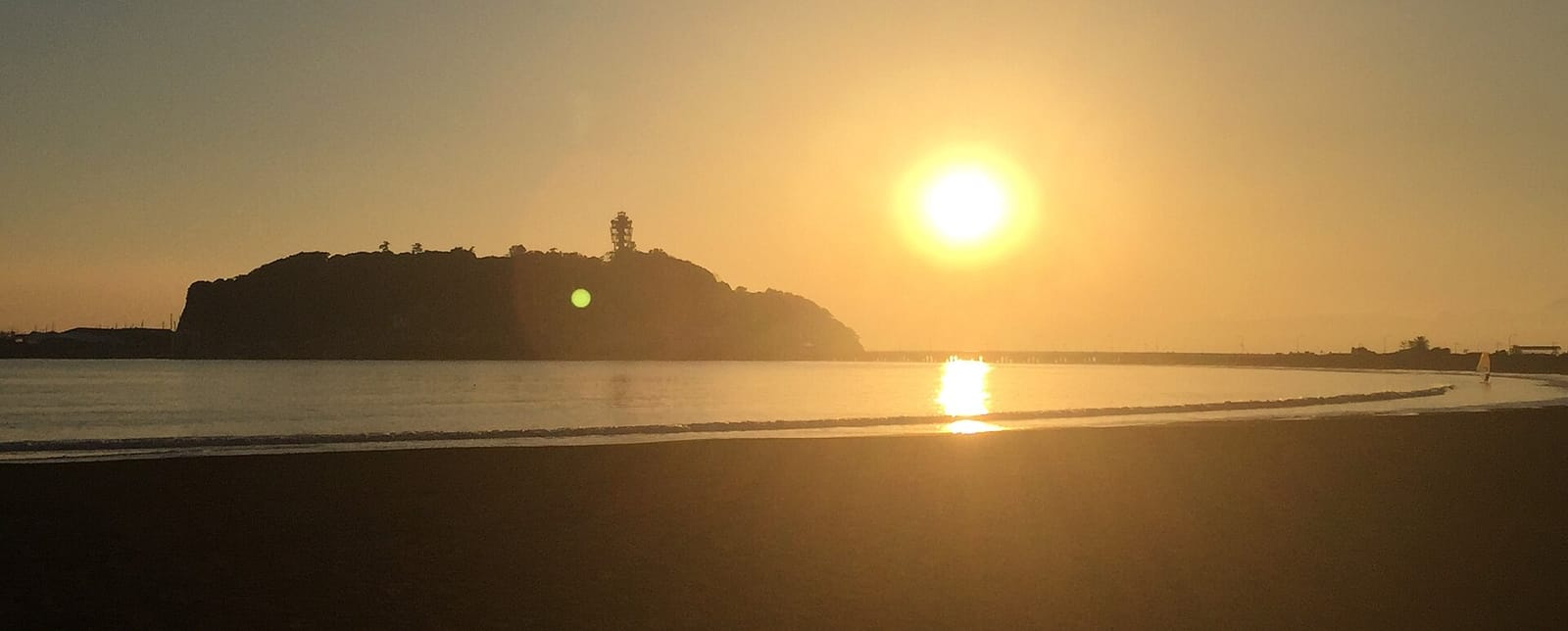
The island at the Fujisawa end of the Enoden. It is the optional last stop of Plan B because the Freepass covers both the Enoden to get there and the Odakyu train home from Katase-Enoshima. Fujisawa’s tourism site lists an “Enoshima 1 day” ticket for the Enoshima Escar, the Sea Candle tower and the Iwaya caves if you plan to see all three.
- Access
- Enoden Enoshima Station or Odakyu Katase-Enoshima Station; Sea Candle about 25 min walk from Enoden Enoshima Station
- Source
- www.enoden.co.jp
Which tickets do you need?
For Plan A, an IC card is enough. For Plan B, buy the Freepass before you pass the Odakyu gates in Shinjuku.
| Ticket | Price, adult (as of Nov 2026) | Covers | Use it for |
|---|---|---|---|
| Suica / PASMO (pay per ride) | Fare per ride | JR and Enoden | Plan A |
| Enoden Noriorikun 1-day pass | ¥800 (child ¥400) | Whole Enoden Line, date of issue only | Plan A with Enoshima added, or JR Pass holders |
| Odakyu Enoshima-Kamakura Freepass, from Shinjuku | ¥1,640 (child ¥430) | Odakyu round trip to Fujisawa, Odakyu Fujisawa–Katase-Enoshima, whole Enoden Line, 1 day | Plan B |
| Romancecar seat, Shinjuku–Katase-Enoshima | +¥750 (child +¥380) | Limited express surcharge only | Plan B, if you want a reserved seat |
Two points to know. Enoden sells the Noriorikun from ticket machines at every station, and says the Japan Rail Pass cannot be used on its line, so JR Pass holders still need an Enoden ticket. Odakyu’s FAQ says the Freepass’s purchase date counts as day one, so buy it on the morning you travel.
Should you stay the night instead?
Stay one night if you want the shrine early in the morning or Enoshima at sunset without watching the clock. An overnight stay also takes the 1-hour train ride out of the morning, so you can be at the Great Buddha when it opens without the 6:50 departure. If you are still choosing a base in the city for the rest of your trip, our where to stay in Tokyo for first-timers guide compares the areas with the best rail links south.
If you would rather spend the morning on Enoshima and end the day with a sunset on the coast, our Kamakura and Enoshima one-day itinerary runs the route the other way.
For another day out by train from Shinjuku, compare this with our Hakone day trip from Shinjuku, which uses a similar Odakyu Freepass.
What to pack before you go
Maps, train apps and translation drain a phone by mid-afternoon. Keep it in your carry-on: power banks are not allowed in checked luggage.
Japan still runs on coins: there are six of them, from 1 to 500 yen, and you collect a pocketful fast. A holder with a slot for each coin lets you pay the exact amount at ticket machines, shrines and small shops without digging.
 Kamakura Great Buddha and Hase-dera Guide: 1-Hour to Full-Day Routes
 What to Eat on Komachi-dori, Kamakura (and Where to Stand)
FAQ
Is one day enough for Kamakura?
Yes, for the main sights. Tsurugaoka Hachimangu, Komachi-dori, the Great Buddha and Hasedera fit into about 5 to 6 hours on the ground, as the Plan A timetable shows. Adding Enoshima needs an early start, so save it for the Freepass plan.
What is the cheapest way to get from Tokyo to Kamakura?
From Shinjuku, the Odakyu Enoshima-Kamakura Freepass costs ¥1,640 per adult as of November 2026 and covers the Odakyu round trip to Fujisawa plus unlimited Enoden rides for one day. From Tokyo Station, the JR Yokosuka Line runs direct to Kamakura; check the fare on JR East's site or tap in with a Suica card.
Does the JR Pass cover the Enoden?
No. Enoden says the Japan Rail Pass cannot be used on the Enoden Line. JR Pass holders can ride JR to Kamakura, then buy the Enoden Noriorikun day pass (¥800 per adult, as of November 2026) or pay per ride with an IC card.
How do you avoid the crowds in Kamakura on weekends?
Start at the Hase end at 8:00, when Kotoku-in and Hasedera open, and reach Kamakura's town center later in the morning. Walk to the shrine along Wakamiya-oji, the avenue that runs parallel to Komachi-dori, and keep Komachi-dori for lunch. Travel light, since Enoden says it may refuse large luggage on crowded trains.
Sources
- Odakyu — Enoshima-Kamakura Freepass (price, coverage, Romancecar surcharge)
- Discover Fujisawa — Enoshima-Kamakura Freepass coverage
- Discover Fujisawa — Access (Shinjuku to Fujisawa, Enoden)
- JNTO — Kamakura and around (JR Yokosuka Line from Tokyo Station)
- JNTO — Komachi-dori
- Kanagawa Prefecture — Tsurugaoka Hachimangu
- Kanagawa Prefecture — Hase-dera Temple (access)
- Kotoku-in (The Great Buddha of Kamakura) — hours, fees, access
- Hasedera — Admission and access
- Enoden — Noriorikun 1-day pass
- Enoden — Stations
- Enoden — FAQ (IC cards, luggage, JR Pass, Enoshima walking times)
- Enoden — Riding tips (Kamakura Station transfer gates)
This article contains affiliate links. We may earn a commission at no extra cost to you.