Kawaguchiko Hoto Noodles: Where to Eat, With Hours and Prices
Where to eat hoto noodles at Lake Kawaguchi: 8 restaurants from the station to the north shore, with hours, prices, seats, booking rules and quiet times.
If you came by train or bus, eat hoto at Houtou Fudou’s store opposite Kawaguchiko Station: it is a 1 minute walk, opens at 11:00 and charges ¥1,380 for a pot. If you have a car, choose by time instead. Kosaku and the bigger Fudou stores work for lunch, and Funari stays open until 21:00. If someone in your group is vegetarian or you have a dog with you, go to Hoto Laboratory on the north shore.
This guide covers eight restaurants, from the station to the road to Misaka Pass, plus one at a hot spring, using each restaurant’s own page for hours and prices as of November 2026. It also covers the part that catches visitors out: several kitchens close earlier in practice than the sign says.
What is hoto, and how is it different from udon?
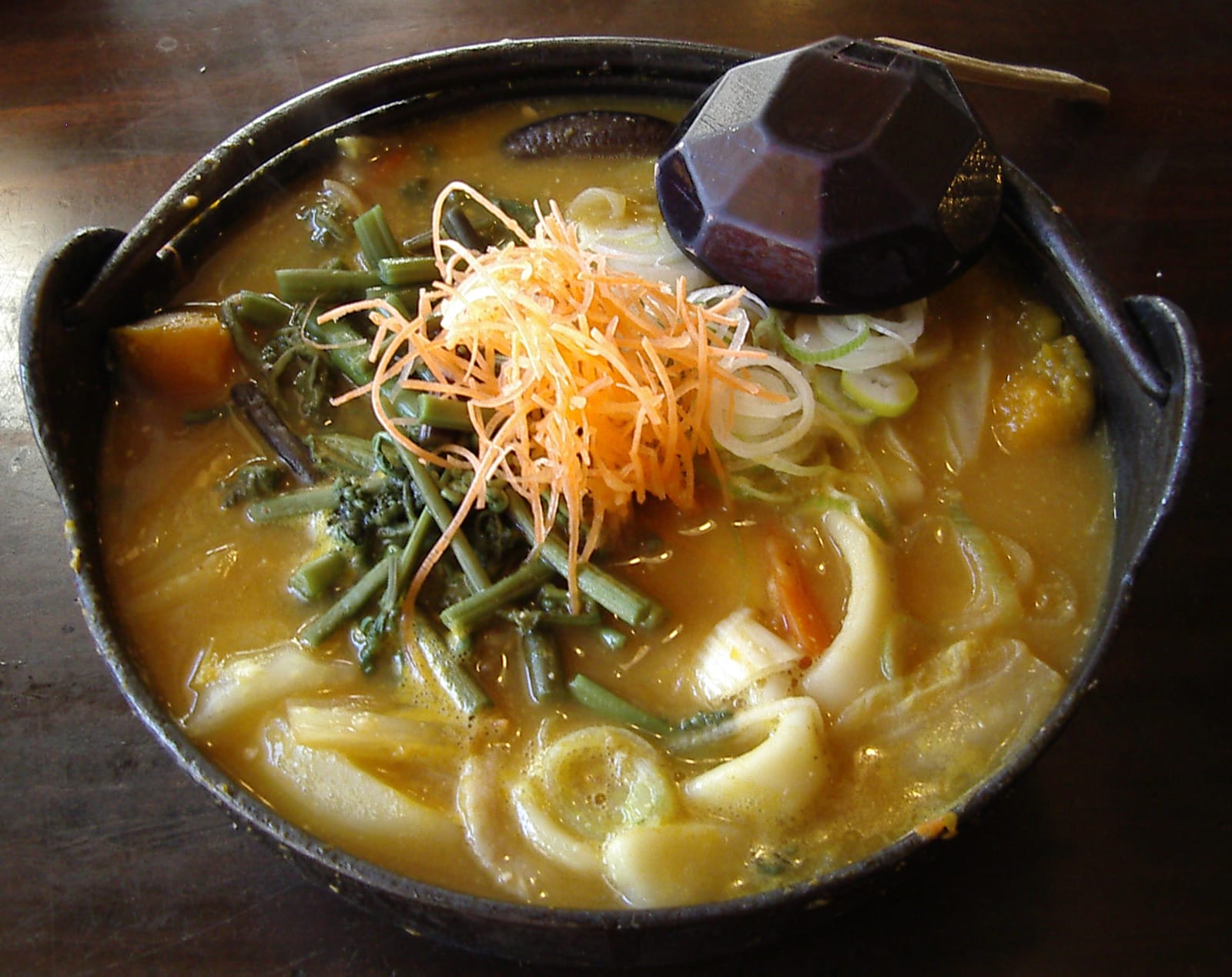
Hoto is a stew with noodles in it, not a noodle soup. The Japan Tourism Agency’s database describes thick, broad wheat noodles in a vegetable broth. Unlike many Japanese noodles they are not parboiled: once the dough is kneaded, dried and cut, the noodles are simmered along with everything else. Kabocha squash is the key ingredient in the rich, sweet broth, and carrots, cabbage, sweet potatoes and meat usually go in too.
The agency’s explanation for why it is eaten here is practical. Rice was difficult to grow around the Fuji Five Lakes, so people used wheat, and until a few decades ago every home had a hoto chopping board. You will see the battle flags of the warlord Takeda Shingen outside many restaurants, because of a story that he cut the dough with his treasured sword, or hoto. The agency calls that link to the name very likely fiction.
Do not confuse it with Yoshida no udon, the firm noodles of Fujiyoshida, the city next door. If your plan includes the pagoda, our Chureito Pagoda from Shinjuku guide covers that side of the mountain.
Which hoto restaurant should you choose?
Choose by transport first, then by closing time. This table compares the official details:
| Restaurant | Hours | Basic hoto | Seats | Best for |
|---|---|---|---|---|
| Houtou Fudou, Station Front | 11:00–19:00 | ¥1,380 | 110 | No car |
| Kosaku, Kawaguchiko | 11:00–20:00 (last order 19:30) | ¥1,450 | 250 | Many kinds of hoto |
| Houtou Fudou, South | 11:00–19:00 | ¥1,380 | 300 | Parking near town |
| Houtou Fudou, Higashi-koiji | 11:00–20:00 | ¥1,380 | 300 | Architecture |
| Funari, Kawaguchiko | 11:00–21:00 (last order 20:30) | ¥1,815 | 200 | Dinner |
| Houtou Fudou, North | 11:00–20:00 | ¥1,380 | 300 | North shore |
| Toge no Chaya | 11:00–15:00 | ¥1,350 | — | Road to Misaka Pass |
| Hoto Laboratory | 11:00–18:00 | ¥1,740 | 220 | Vegetarians, dogs, bookings |
All prices include tax. They can change, so check the linked page before you travel.
Where can you eat hoto, from the station outwards?
The list starts at Kawaguchiko Station, covers the south side of the lake, then crosses to the north shore, with the hot spring last. Tick “Add to my route” on the ones that fit your day, and the box at the end opens them in order in Google Maps.
Houtou Fudou, Kawaguchiko Station Front
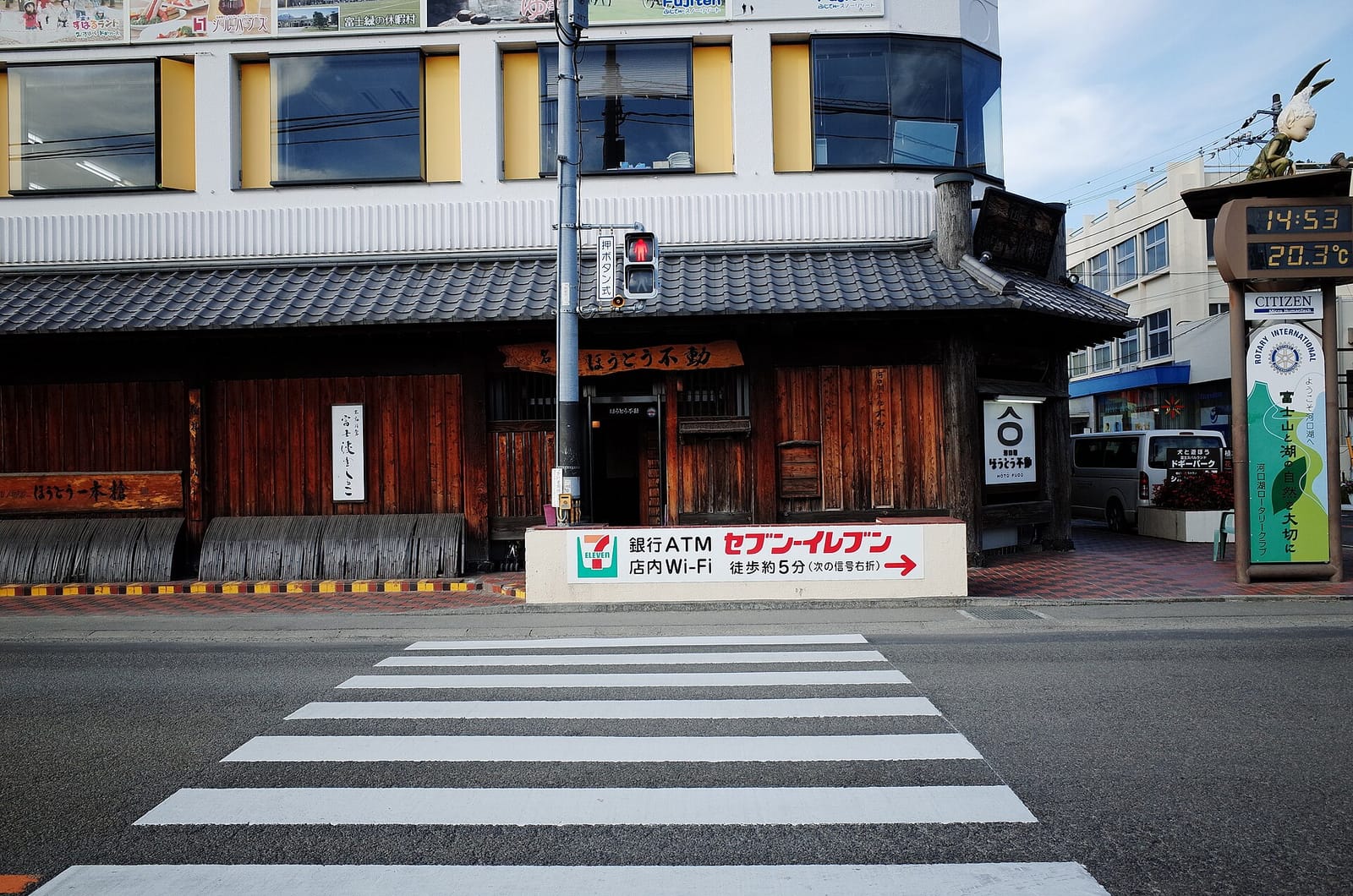
The easy choice on a day trip, with folk-style wooden interiors and 110 seats. The menu is short: hoto in miso broth with squash and mountain vegetables, inari rice cooked in brown sugar (¥550) and raw horse meat (¥1,320). There is no car park; the store asks drivers to use the station’s paid parking or another branch.
- Hours
- 11:00–19:00; phone first after 16:00 on weekdays (as of November 2026)
- Price
- Hoto ¥1,380
- Access
- Across from Kawaguchiko Station, Marubun building 1F, 1 min walk
- Source
- www.houtou-fudou.jp
Koshu Hoto Kosaku, Kawaguchiko
The widest choice of hoto on this list, from a Yamanashi chain of nine restaurants. Pumpkin is the standard and its best seller; there is also a sweet red bean version (¥1,400) and oyster hoto from November to March (¥2,400). The store has 250 seats and 70 parking spaces. It takes no reservations. Credit cards have been accepted since September 2026, but QR payments are not. Menu prices can differ slightly by branch, and the cold ozara noodles are not served here.
- Hours
- 11:00–20:00, last order 19:30; no regular closing day; closed Dec 31, 2026 and Jan 1, 2027
- Price
- Pumpkin hoto ¥1,450, pork ¥1,850, duck ¥2,100, wild boar ¥2,700
- Source
- www.kosaku.co.jp
Houtou Fudou, South Kawaguchiko
A large storehouse-style branch with 300 seats, big windows and its own car park. Same menu as the station store, plus a shop with hoto noodles and pickles to take home.
- Hours
- 11:00–19:00; phone first after 16:00 on weekdays (as of November 2026)
- Price
- Hoto ¥1,380
- Access
- About 5 min by taxi from Kawaguchiko Station
- Source
- www.houtou-fudou.jp
Houtou Fudou, Higashi-koiji
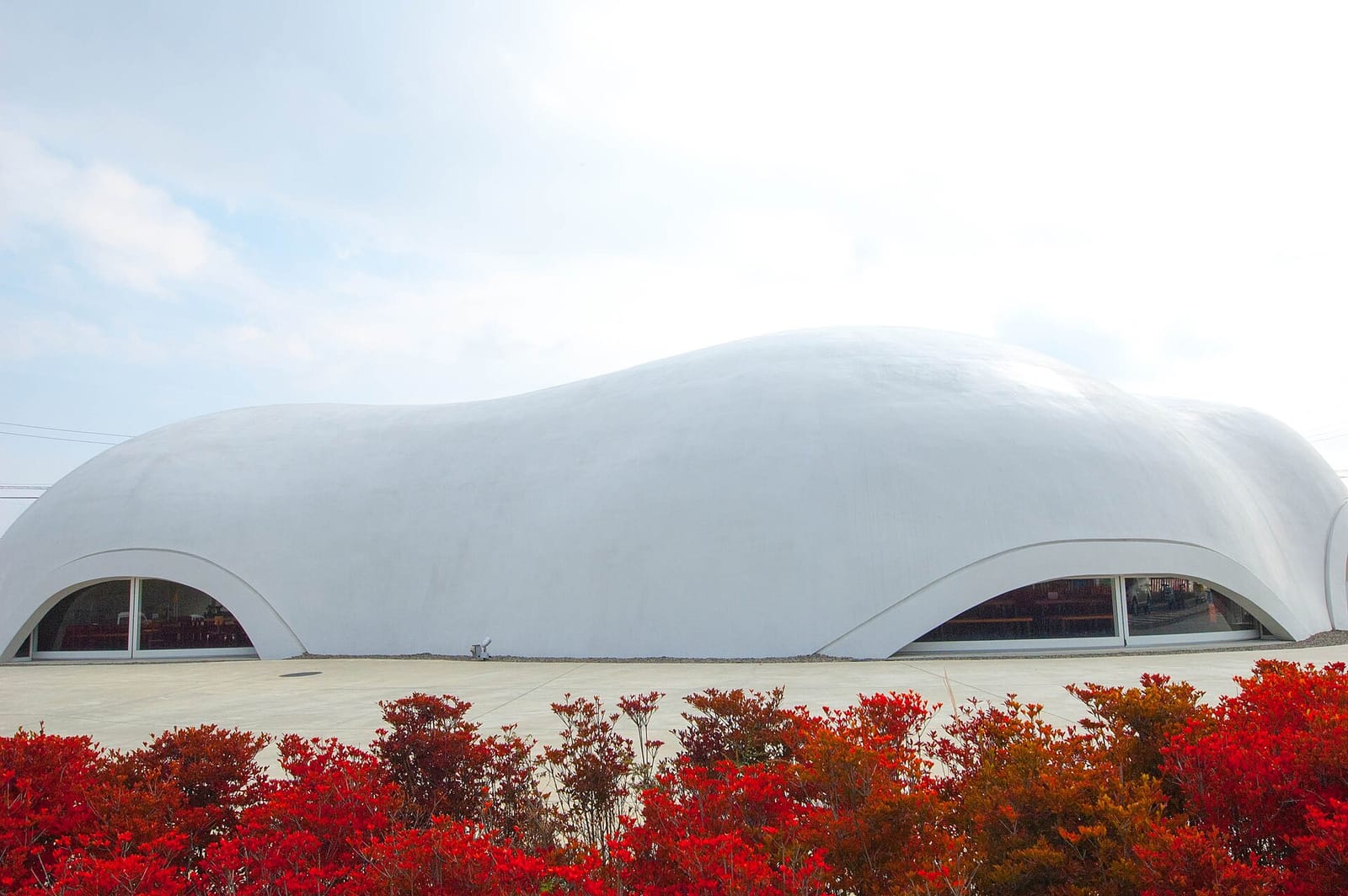
The white, cloud-shaped building, designed by architect Takeshi Hosaka to look as if a cloud from Mt. Fuji had settled on the ground. It stands at the Higashi-koiji intersection, with 300 seats and parking.
- Hours
- 11:00–20:00; phone first after 16:00 on weekdays (as of November 2026)
- Price
- Hoto ¥1,380
- Access
- About 8 min by taxi from Kawaguchiko Station
- Source
- www.houtou-fudou.jp
Hotokura Funari, Kawaguchiko
The one to pick for dinner. Its golden hoto mixes squash paste into the miso and adds abalone liver paste to the soup. The store has 200 seats, 130 parking spaces and a glass back wall facing Mt. Fuji. The town’s tourism site says it can get crowded and to allow time. The chain sometimes closes all branches for staff training, as it did on September 28 and 29, 2026, so check its notices. The link compares hotels if you stay for dinner.
- Hours
- 11:00–21:00, last order 20:30; no regular closing day (as of November 2026)
- Price
- Golden hoto ¥1,815; with abalone ¥2,783
- Access
- Blue Line bus from Kawaguchiko Station, about 10 min to Kawaguchiko Shopping Center Bell
- Source
- www.funari.jp
Houtou Fudou, North Kawaguchiko Head Store
The head store, across the lake bridge and just past the Oisaka tunnel on Route 137. It has 300 seats, with separate tatami rooms for groups.
- Hours
- 11:00–20:00; phone first after 16:00 on weekdays (as of November 2026)
- Price
- Hoto ¥1,380
- Access
- About 10 min by taxi from Kawaguchiko Station
- Source
- www.houtou-fudou.jp
Toge no Chaya (Tenkachaya branch)
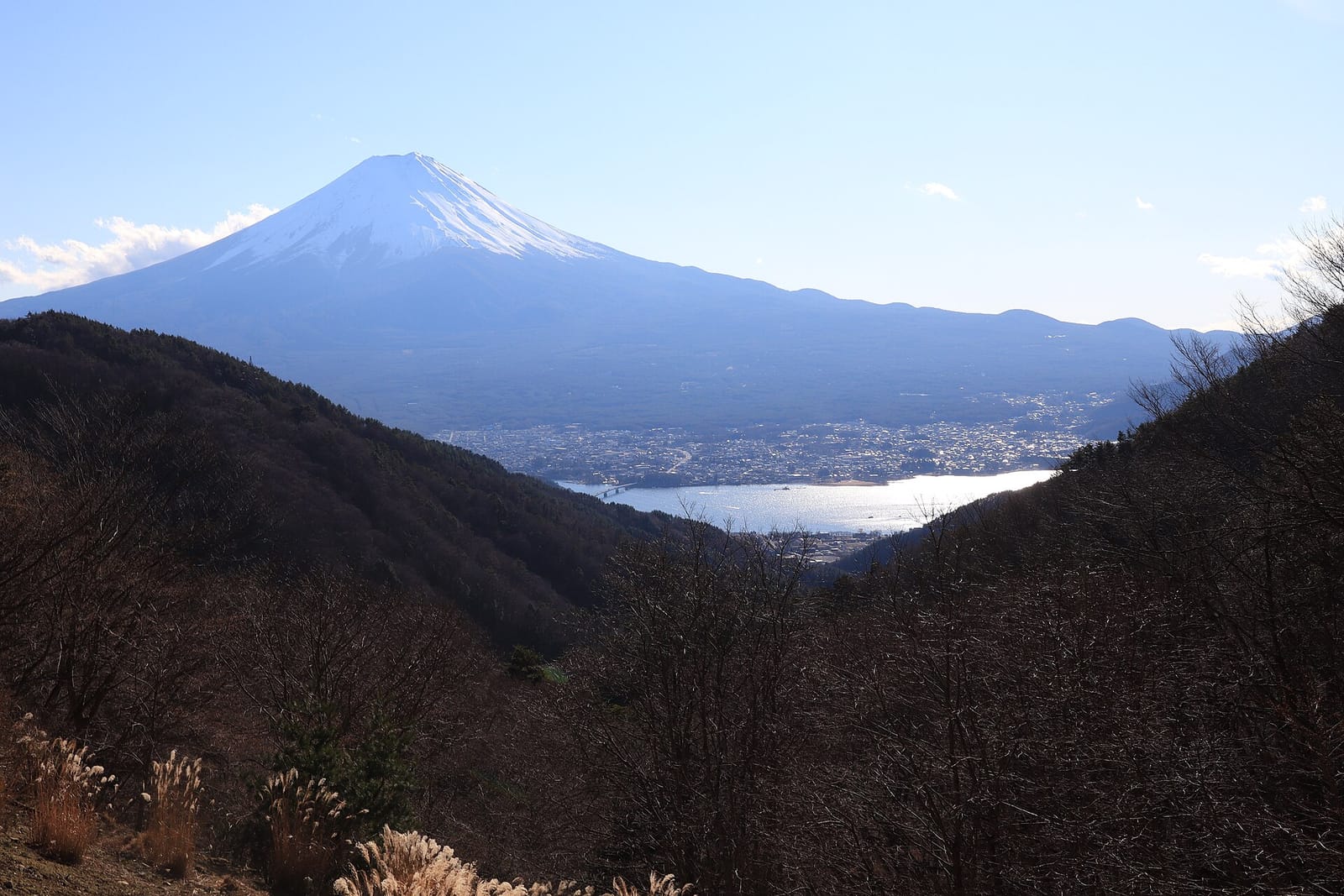
The easier-to-reach branch of Tenkachaya, the 1934 tea house on Misaka Pass where the novelist Osamu Dazai stayed. The photo shows the view from the original. The original also serves hoto, 10:00–16:00, but its bus has only a few morning runs and stops in winter, and its Dazai room closes from early December to early April. Use this branch instead unless you drive.
- Hours
- 11:00–15:00; may close in bad winter weather (as of November 2026)
- Price
- Hoto pot ¥1,350; set with rice ¥1,800; mushroom ¥1,650
- Access
- About 15 min by bus from Kawaguchiko Station to Yaen Koen-mae, then 10 min on foot
- Source
- tenkachaya.jp
Hoto Laboratory (Hoto Kenkyujo)
A 220-seat log house that makes its noodles daily and specializes in seafood hoto. The two vegetable bowls are marked vegetarian-friendly, and the town’s tourism site says it also caters to Muslim guests, so ask when you book. There is pet seating, salt-free hoto for dogs and a dog run (¥330). You can also book a noodle-making class; it has a separate booking form from meals. The tourism site lists later closing times, so trust the restaurant’s page or call.
- Hours
- 11:00–18:00 on its own site (as of November 2026)
- Price
- Vegetable hoto ¥1,740, seafood ¥2,510, with lobster ¥4,930
- Access
- Red Line bus, about 25 min from Kawaguchiko Station to Kawaguchiko Museum of Art
- Source
- fuji.creative-r.com
Where can you eat hoto with a hot spring?
At Yurari in Narusawa, about 20 minutes from Kawaguchiko Station by bus. You do not need to bathe to eat there.
Okariba at Yurari
Private rooms around a sunken hearth where a miniature steam train delivers the food. Hoto pot is its most popular dish. Reserve a room by phone. The other restaurant in the building, Fujizakura, does not take bookings and serves a spicy mixed hoto for ¥840 (as of November 2026).
- Hours
- From 11:00; last seating 19:00 weekdays, 19:30 weekends and holidays; closed Dec 7–9, 2026
- Access
- Free shuttle from Kawaguchiko Station (book ahead)
- Source
- fujisan.ne.jp
When is it busiest, and how do the queues work?
Lunch on weekends and holidays is the pinch point, and the second risk is arriving too late. The restaurants’ own notices tell you how to plan:
- After 16:00 on weekdays, phone Houtou Fudou first. All four stores post this request, because the closing time can change. If nobody in your group speaks Japanese, ask your hotel to call.
- At Kosaku, do not aim for last order. On long weekends, in mid-August, at New Year and on weekends, it may stop seating people before 19:30.
- Kosaku’s car park is a trap when full. Only two or three cars can wait inside, and the police do not allow stopping on the prefectural road in front. Come at another time rather than queue on the road.
- Kosaku over New Year: open on December 30, closed December 31 and January 1, open again from January 2.
- Book Hoto Laboratory if you need a fixed time or a table for a dog.
The slot that fits all of these is right at 11:00, when every restaurant in the main list opens. It also leaves the afternoon for the lake. The Kawaguchiko day trip itinerary shows where a hoto lunch fits on a clear and on a cloudy day, and best views of Mt. Fuji at Kawaguchiko covers the viewpoints around the shore.
What should you order if you do not eat meat or want something small?
Read the menu by its first word, then ask about the stock. Pumpkin (kabocha) hoto is the basic version at Kosaku; niku and buta mean meat and pork, kamo duck, kinoko mushroom and kaisen seafood. Only Hoto Laboratory marks vegetarian bowls on its menu. The other menus we read do not say whether the stock is vegetarian.
Portions come as a full pot, so for something smaller look at the sides: inari rice at Fudou, or the ¥840 mixed hoto at Fujizakura. Staying overnight and eating at your inn instead? See Kawaguchiko hotels with a Mt. Fuji view.
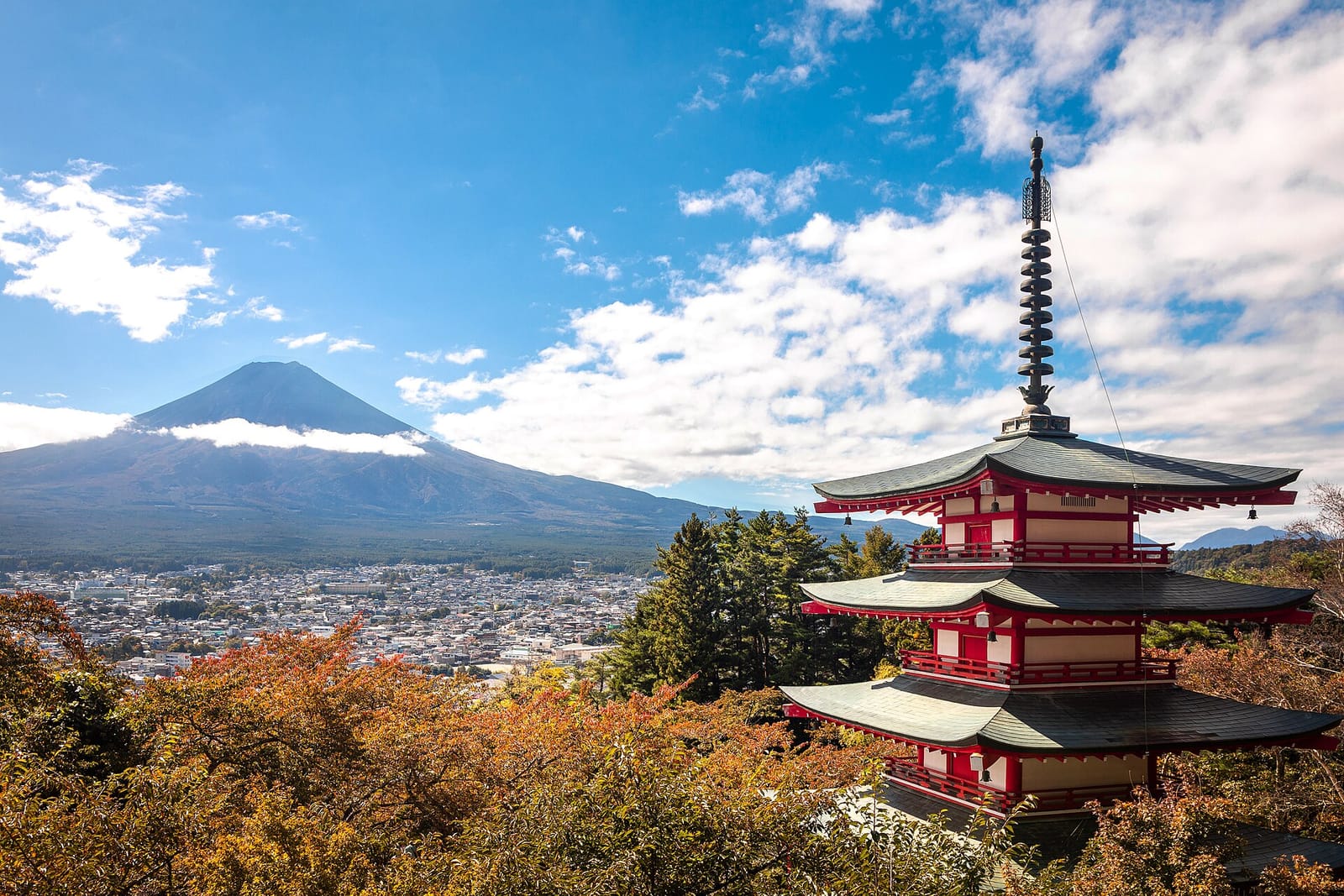 Chureito Pagoda Visiting Guide: Steps, Deck Queues and Best Light
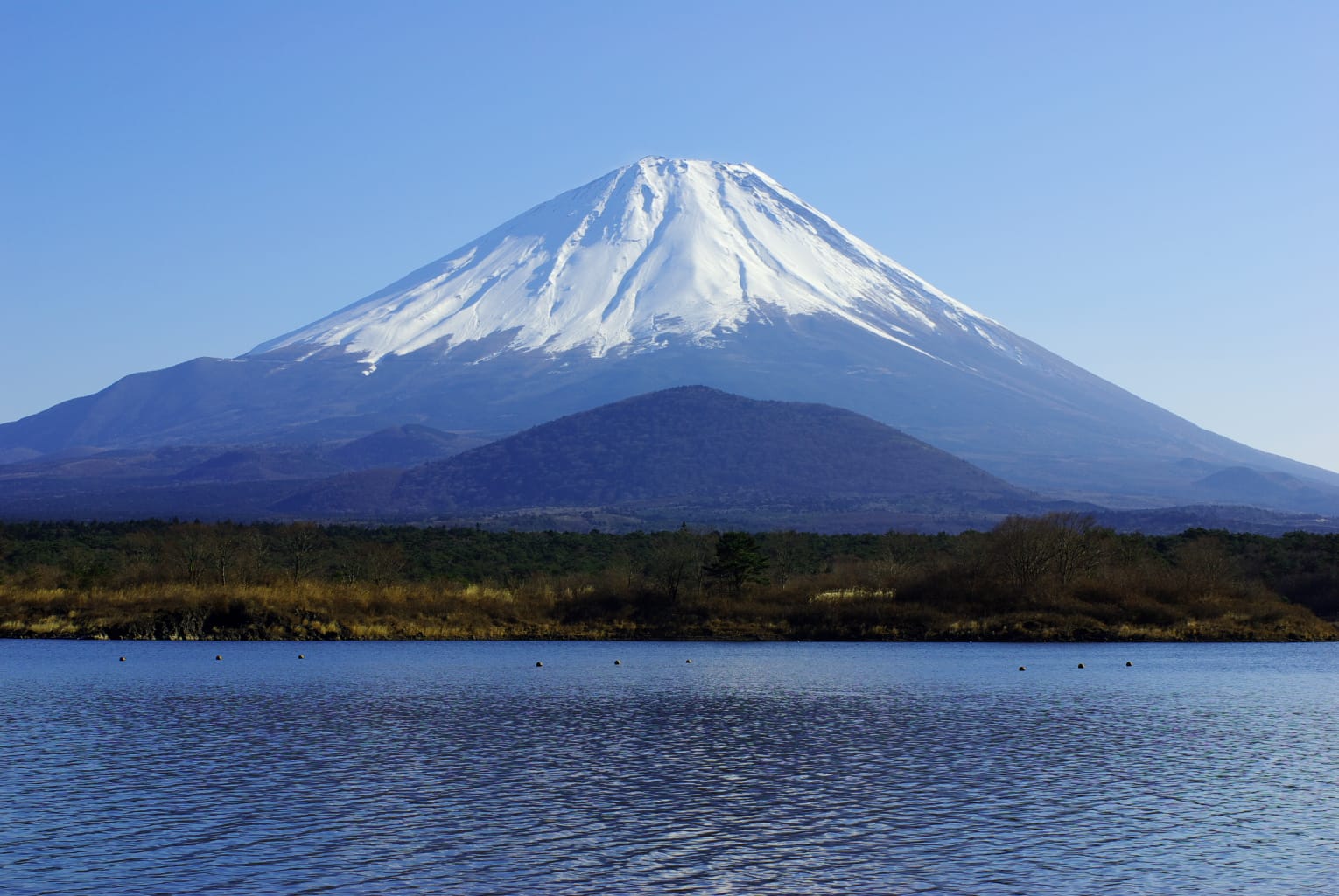 Things to Do in Kawaguchiko in Winter: 2026–27 Dates and Closures
FAQ
What are hoto noodles?
Thick, broad wheat noodles simmered with vegetables in one pot. The Japan Tourism Agency's database says hoto are not parboiled like many Japanese noodles, and that kabocha squash is the key ingredient in the broth, with carrots, cabbage, sweet potatoes and meat usually added. Restaurants at Kawaguchiko season it with miso.
How much does hoto cost at Kawaguchiko?
Plan on ¥1,350 to ¥1,815 for a basic pot, as of November 2026: ¥1,350 at Toge no Chaya, ¥1,380 at Houtou Fudou, ¥1,450 for pumpkin hoto at Kosaku and ¥1,815 for Funari's golden hoto. Seafood, duck or wild boar versions cost ¥2,100 and up.
Which hoto restaurant is closest to Kawaguchiko Station?
Houtou Fudou's Kawaguchiko Station Front store, on the ground floor of the Marubun building across from the station, about a 1 minute walk. It opens 11:00 to 19:00, has 110 seats and no parking.
Is there vegetarian hoto in Kawaguchiko?
Hoto Laboratory on the north shore marks two bowls as vegetarian-friendly on its own menu: vegetable hoto at ¥1,740 and special vegetable hoto at ¥2,180. Elsewhere, ask before you order, because the other menus do not say whether the stock is vegetarian.
Can you make a reservation for hoto?
At Hoto Laboratory, yes, online. Okariba at the Yurari hot spring takes phone bookings. Kosaku does not take reservations at all and seats people in order of arrival.
Sources
- Japan Tourism Agency multilingual database — Hoto Noodles
- Houtou Fudou — Stores, hours and seats (Japanese)
- Houtou Fudou — English menu and directions
- Koshu Hoto Kosaku — Kawaguchiko store (Japanese)
- Koshu Hoto Kosaku — Menu (Japanese)
- Koshu Hoto Kosaku — Notices, including New Year closing days (Japanese)
- Koshu Hoto Kosaku — Seating limits at busy times (Japanese)
- Funari — Kawaguchiko store (Japanese)
- Funari — Menu (Japanese)
- Fujikawaguchiko tourism — Hotokura Funari, Kawaguchiko (Japanese)
- Yamanashi Tourism Organization — Hotokura Funari, Kawaguchiko (Japanese)
- Hoto Laboratory — Official page (Japanese)
- Fujikawaguchiko tourism — Hoto Laboratory (Japanese)
- Tenkachaya and Toge no Chaya — Stores (Japanese)
- Tenkachaya and Toge no Chaya — Menu (Japanese)
- Fuji Chobo no Yu Yurari — Restaurants (Japanese)
- Fujikawaguchiko tourism — Okariba at Yurari (Japanese)
- Fuji Chobo no Yu Yurari — Closure, December 7–9, 2026
This article contains affiliate links. We may earn a commission at no extra cost to you.