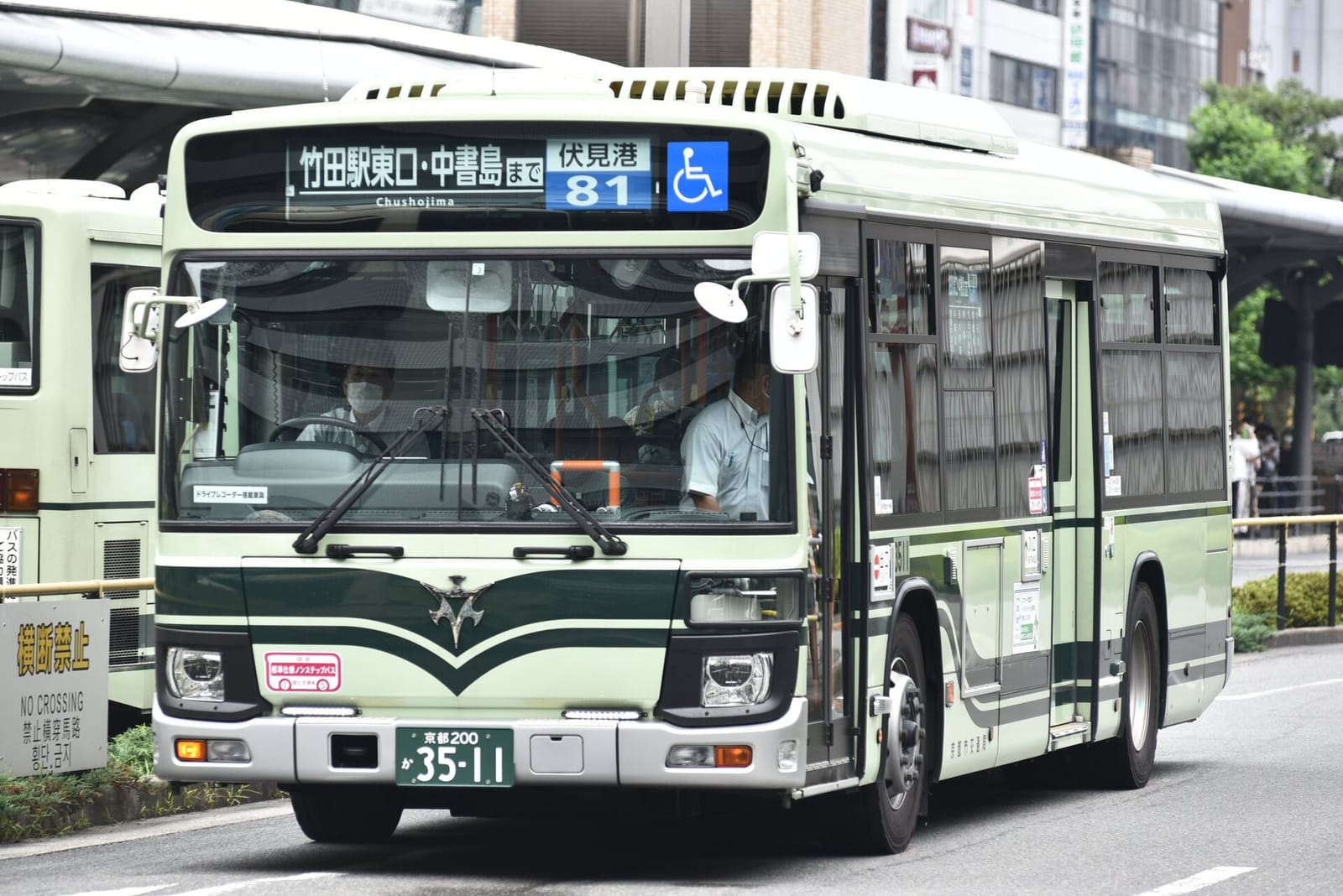
Kyoto Bus One-Day Pass Guide: The Subway & Bus 1-Day Pass
The bus-only Kyoto day pass is gone. How the ¥1,100 Subway & Bus 1-Day Pass works, when it pays off, EX100 express buses, and where to buy it at Kyoto Station.
Buy the Subway & Bus 1-Day Pass: it is the only day pass that still covers Kyoto City Bus, and it costs ¥1,100 for adults as of November 2026. The bus-only pass that many older guides recommend was withdrawn by Kyoto City Transportation Bureau in 2023, so the ¥700 price you may have seen no longer exists. The combined pass costs more, but it also covers both subway lines and the EX100 sightseeing express bus. Here is how it works, when it actually saves money, the three mistakes that cost visitors time, and where to buy it at Kyoto Station.
What happened to the Kyoto bus-only one-day pass?
It was discontinued. The Transportation Bureau stopped selling the Bus 1-Day Pass (¥700 adults, ¥350 children) on September 30, 2023, and the pass could not be used after March 31, 2024. The bureau’s ticket page now lists it under discontinued tickets and points riders to the Subway & Bus 1-Day Pass instead.
If you still have an unused ¥700 or ¥350 bus pass from an earlier trip, it can be refunded with no fee until March 31, 2029, according to the bureau’s notice. Refunds are generally limited to 10 passes per person per visit and are handled at the City Bus & Subway Information Centers and some commuter pass offices.
What does the Subway & Bus 1-Day Pass cost and cover?
It costs ¥1,100 for adults and ¥550 for children (as of November 2026) and gives unlimited rides for one day on these services:
| Operator | What the pass covers |
|---|---|
| Kyoto City Subway | All lines (Karasuma and Tozai) |
| Kyoto City Bus | All routes, including the EX100/EX101 sightseeing express buses and routes outside the flat-fare zone |
| Kyoto Bus | Routes as far as Ohara, Iwakura, Daikakuji, Kiyotaki and Kokedera; seasonal routes 51, 90 and 95 are excluded |
| Keihan Bus | Yamashina, the Daigo area and parts of central Kyoto; Hieizan and Hieidaira lines, highway buses, sightseeing buses and airport shuttles are excluded |
| West Japan JR Bus | Takao-Keihoku line, Kyoto Station to Toganoo |
Late-night buses need a separate surcharge on top of the pass. Rail lines other than the city subway, such as Kintetsu or the Keihan Otsu Line, are not covered.
Two extras are easy to miss. First, showing the pass on the day you use it gets you discounts at more than 50 facilities in Kyoto, according to the bureau. Second, there is a cheaper subway-only 1-Day Pass for ¥800 (adults) and ¥400 (children), which suits days when you do not plan to take a bus at all.
When does the 1-day pass actually save you money?
From the fifth regular bus ride of the day. A city bus ride in the flat-fare zone costs ¥230 for adults, so four rides cost ¥920 and five cost ¥1,150, just over the ¥1,100 pass price (fares as of November 2026). The sightseeing express buses change the math: they cost ¥500 a ride, so two EX100 rides plus one regular bus already reach ¥1,230.
| Day plan (adult fares) | Pay per ride | With the pass |
|---|---|---|
| 2 bus rides (to one temple and back) | ¥460 | ¥1,100: do not buy |
| 4 bus rides | ¥920 | ¥1,100: do not buy |
| 5 bus rides | ¥1,150 | ¥1,100: saves ¥50 |
| EX100 from Kyoto Station and back, plus 1 regular bus | ¥1,230 | ¥1,100: saves ¥130 |
| 3 bus rides and 2 subway rides | ¥1,130 or more (¥690 + at least ¥440) | ¥1,100: saves ¥30 or more |
Subway fares run from ¥220 to ¥360 for adults depending on distance, so mixing in two or three subway rides pushes a bus-heavy day past break-even quickly. On a light day, an IC card such as ICOCA or Suica is the cheaper choice. If you are arriving from Tokyo with a Suica, see our guide to buying Suica in Shinjuku: the same card works on Kyoto’s buses and subway.
What are the three most common Kyoto bus pass mistakes?
Mistake 1: Looking for the bus-only pass
Ticket machines and counters no longer sell it, and old passes stopped working in March 2024. Guides that still quote ¥600 or ¥700 for a bus pass are out of date. The pass to ask for is the Subway & Bus 1-Day Pass (地下鉄・バス1日券, chikatetsu basu ichinichi-ken).
Mistake 2: Treating it as a 24-hour ticket
The official page states plainly that the pass is not a 24-hour ticket. It is valid on the day you first use it, until that day’s last service. If you land in Kyoto in the evening, use an IC card or cash that night and start the pass the next morning. You can buy it in advance: the date of use is printed on the back the first time you use it.
Mistake 3: Expecting to pay by credit card or Japan Rail Pass
City buses do not accept credit, debit or cash cards, and the Japan Rail Pass is not valid on them, according to the bureau’s how-to-ride page. Buy the pass in advance, or carry cash or an IC card (ICOCA, Suica, PASMO or PiTaPa). The bus sells the pass on board, but the bureau warns that stock is limited and it can sell out.
How do you use the pass on a Kyoto bus, step by step?
- Buy the pass at an information center, a subway station, or on a city bus while stock lasts. Some convenience stores, tourist information centers and hotels in Kyoto also sell it.
- On most routes, board through the rear door. You pay when you get off, so keep the pass ready.
- Get off through the front door and use the pass instead of paying the fare.
- On the EX100 and EX101 express buses, it is the other way round: board at the front, use the pass as you get on, and leave by the rear door.
- On the subway, insert the pass into the ticket gate and take it back as you pass through. Do not leave it in the machine.
Hold on to the pass all day: it is a magnetic card, and you also need it to claim facility discounts.
Should you take the EX100 sightseeing express with the pass?
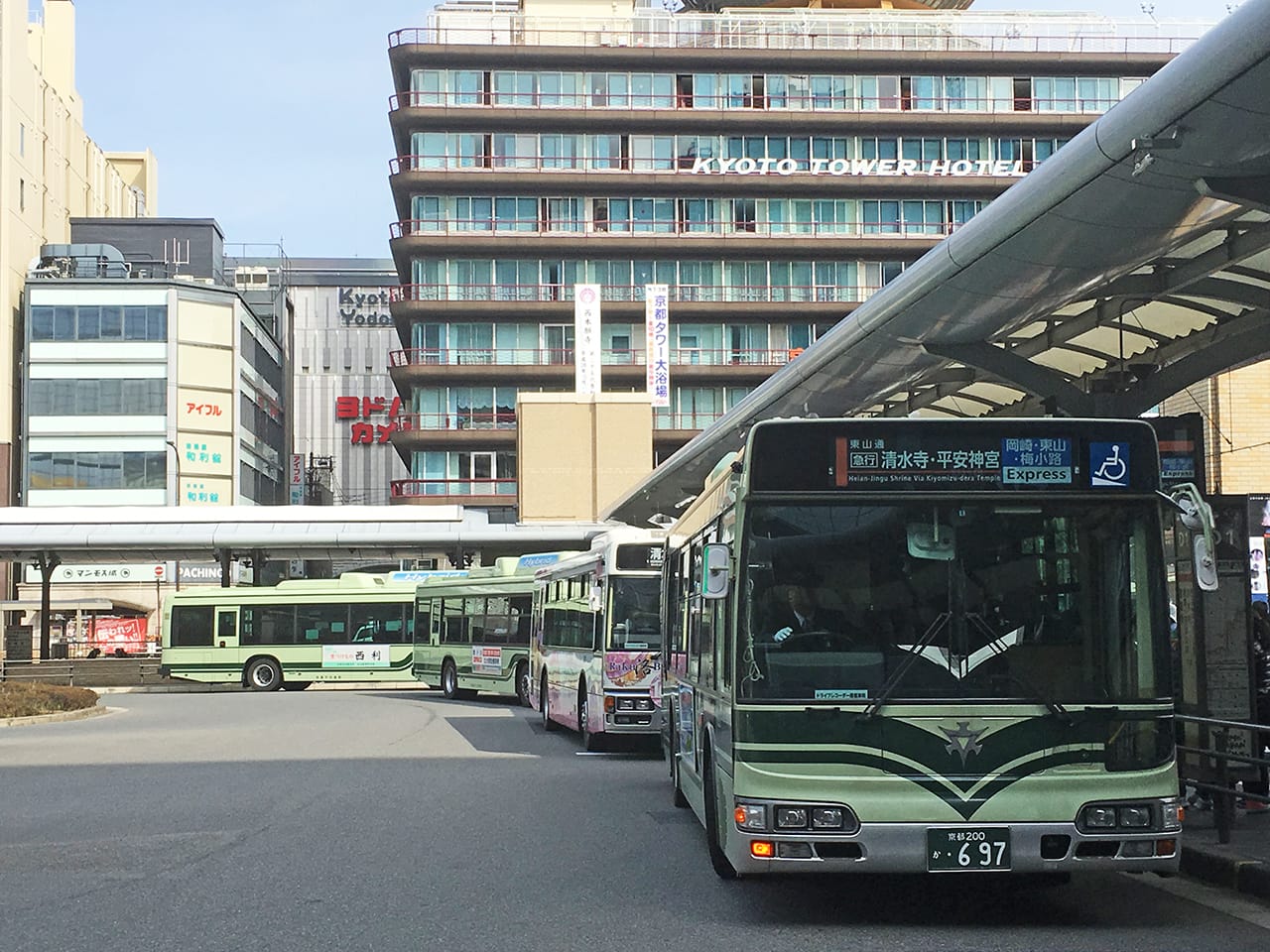
Yes, if you are heading from Kyoto Station to Kiyomizu-dera or Ginkaku-ji on a weekend. The EX100 runs from the D1 stop at Kyoto Station to Gojo-zaka (for Kiyomizu-dera), Gion, Okazaki Koen / Heian Jingu-mae and Ginkakuji-mae. The EX101 runs only between Kyoto Station and Gojo-zaka. The bureau runs these buses on Saturdays, Sundays and holidays, and its timetable shows the first departures from Kyoto Station at 9:04 (EX101) and 9:12 (EX100).
A single ride costs ¥500, more than twice the regular fare, but the 1-Day Pass covers it at no extra cost. That makes the pass worth buying on any weekend day when you plan to ride the EX100 out and back.
What changes on autumn weekends in November 2026?
The bureau is running crowd measures on Saturdays, Sundays and holidays from October 31 to November 29, 2026, with November 21–23, 28 and 29 set as priority days. On those days:
- Outbound EX100 buses take a different route from Kyoto Station to Gojo-zaka, via Shichijo-dori and Higashiyama-dori.
- Extra pass sales: on November 21 and 28 the pass is also sold on the 2nd-floor concourse of the Shinkansen side of Kyoto Station, 8:00–11:30.
During the campaign the bureau also offers free switches to the subway: at Higashiyama Sanjo (Higashiyama Station), riders heading for Kyoto Station by bus can switch to the subway for free from 15:45 to 19:20. Riders who board northbound at Kinkakuji-michi and are heading for Kyoto Station can switch to the subway for free at Kitaoji Bus Terminal from 15:00 to 17:30.
On Saturdays, Sundays and holidays during the campaign, the Karasuma Line runs extra trains between about 10:00 and 19:00. The bureau suggests combining subway and bus when the buses are full. For Kinkaku-ji, take the subway from Kyoto Station to Kitaoji and change to a bus there. It also asks visitors not to bring large suitcases onto buses: use hotel luggage delivery or storage instead. Our Kyoto by Shinkansen guide covers the arrival side of the trip.
Where can you buy the pass at Kyoto Station?
The fastest place is the Kyoto Station Bus Information Center in front of the station’s central entrance. If it is busy, try the Kotochika Kyoto center inside the subway station. All the centers below are run by the Transportation Bureau and open year-round (hours as of November 2026).
| Place | Where | Hours |
|---|---|---|
| Kyoto Station Bus Information Center | In front of JR Kyoto Station central entrance | 7:30–19:30 |
| Kotochika Kyoto Information Center | Subway Kyoto Station, next to Central Gate 1 | 7:30–19:30 |
| Kitaoji Information Center | Kitaoji Bus Terminal, next to Subway Kitaoji Station | 7:30–19:30 |
| Subway stations | Station ticket windows | Station hours |
| City buses | On board, while stock lasts | Bus hours |
Kyoto Station Bus Information Center
The Transportation Bureau’s counter outside the JR station, for passes and route questions. If you bought the digital pass, this is one of the two places where you exchange it for a card.
- Hours
- 7:30–19:30, open all year (as of November 2026)
- Access
- In front of JR Kyoto Station central entrance
- Source
- www2.city.kyoto.lg.jp
Kotochika Kyoto Information Center
Inside the subway station. It is a JNTO-certified tourist information center and the other place to exchange a digital pass, which helps when the counter above ground has a long line.
- Hours
- 7:30–19:30, open all year (as of November 2026)
- Access
- Subway Kyoto Station, next to Central Gate 1
- Source
- www2.city.kyoto.lg.jp
Kitaoji Information Center
Useful if you start in the north of the city or change from the subway to a bus for Kinkaku-ji, as the bureau suggests on busy days.
- Hours
- 7:30–19:30, open all year (as of November 2026)
- Access
- Kitaoji Bus Terminal, next to Subway Kitaoji Station
- Source
- www2.city.kyoto.lg.jp
Can you buy the pass online?
Yes, but you still have to pick up a card. The bureau sells a digital coupon for the pass through the KANSAI MaaS website and app, paid by credit card, with membership registration required. The coupon itself does not work on buses or the subway: you must exchange it for a pass at the Kyoto Station Bus Information Center or the Kotochika Kyoto Information Center.
For another example of working out whether a transport pass pays off, see our Hakone Freepass break-even guide. Heading to Kanazawa next? Our Kanazawa one day itinerary shows how the city’s ¥800 Loop Bus One Day Pass fits a full day of sightseeing.
What to pack before you go
Maps, train apps and translation drain a phone by mid-afternoon. Keep it in your carry-on: power banks are not allowed in checked luggage.
Japan still runs on coins: there are six of them, from 1 to 500 yen, and you collect a pocketful fast. A holder with a slot for each coin lets you pay the exact amount at ticket machines, shrines and small shops without digging.
 Amanohashidate Day Trip from Kyoto: Train or Bus, Timed Plan
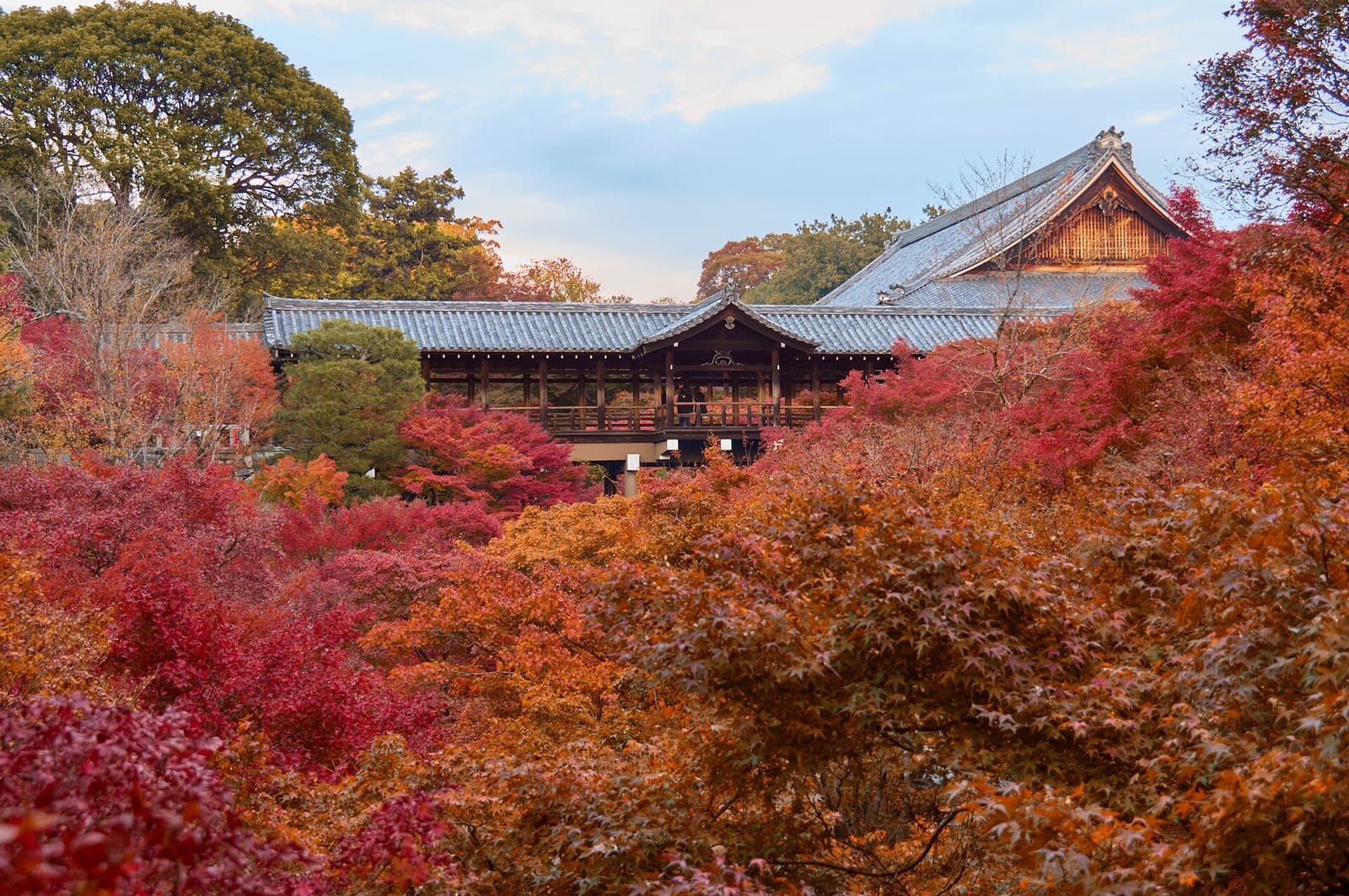 Fushimi Inari and Tofukuji Half Day from Kyoto Station
FAQ
Is there still a Kyoto bus one-day pass?
Not a bus-only one. Kyoto City Transportation Bureau ended sales of the Bus 1-Day Pass on September 30, 2023, and it could not be used after March 31, 2024. The Subway & Bus 1-Day Pass (¥1,100 adults, ¥550 children, as of November 2026) replaced it and also covers every city bus route.
How much is the Kyoto Subway & Bus 1-Day Pass?
¥1,100 for adults and ¥550 for children, as of November 2026. These prices have applied since October 1, 2021, according to the Transportation Bureau. A subway-only 1-Day Pass is also sold for ¥800 (adults) and ¥400 (children).
Is the Kyoto bus pass valid for 24 hours?
No. The official guide says the pass is valid only on the day it is first used, until the end of that day's service. You can buy it in advance, and the date of use is printed on the back the first time you use it.
Can I use the 1-day pass on the EX100 sightseeing express bus?
Yes. The Transportation Bureau says the Subway & Bus 1-Day Pass is accepted on the EX100 and EX101 sightseeing express buses at no extra fare. A single ride on those buses otherwise costs ¥500 for adults and ¥250 for children (as of November 2026).
Can I pay for Kyoto city buses with a credit card?
No. The official how-to-ride page says credit, debit and cash cards cannot be used on city buses. You can pay with cash, an IC card such as ICOCA, Suica, PASMO or PiTaPa, or a 1-day pass. The Japan Rail Pass is not valid on city buses.
Sources
- Kyoto City Bus & Subway Guide — Subway & Bus 1-Day Pass
- Kyoto City Bus & Subway Guide — 地下鉄・バス1日券 (Japanese)
- Kyoto City Transportation Bureau — 地下鉄・バス1日券 (digital coupon, facility discounts)
- Kyoto City Transportation Bureau — Bus 1-Day Pass sales ended at the end of September 2023
- Kyoto City Transportation Bureau — お得な乗車券 (current and discontinued tickets)
- Kyoto City Bus & Subway Guide — Subway 1-Day Pass
- Kyoto City Bus & Subway Guide — Taking the Kyoto City Bus
- Kyoto City Bus & Subway Guide — Sightseeing Limited Express Bus
- Kyoto City Bus & Subway Guide — Subway fares
- Kyoto City Bus & Subway Guide — Information Centers
- Kyoto City Transportation Bureau — Autumn 2026 city bus congestion measures
This article contains affiliate links. We may earn a commission at no extra cost to you.