Shinjuku to Kyoto by Shinkansen, Step by Step (and 3 Costly Mistakes)
No Shinkansen leaves Shinjuku. How to get to Shinagawa or Tokyo, which ticket to buy, how the transfer gate works, and the luggage rule that costs ¥1,000.
The smartEX booking site has one line that trips up many visitors leaving from Shinjuku: “you will need to pay the fare for the conventional train separately.” The Tokaido Shinkansen to Kyoto does not stop at Shinjuku, so every trip starts with a short JR ride to Shinagawa or Tokyo Station, and an online Shinkansen ticket does not cover that ride. Once you know that, the journey is simple: one local train, one transfer gate, and about 130 minutes to Kyoto. This guide starts with the three mistakes that cost time or money, then walks through each step. Prices are as of November 2026.
What are the three most common mistakes?
They are going to the wrong station, boarding with a big suitcase and no reservation, and riding a Nozomi on a Japan Rail Pass alone. Each one is easy to avoid if you know about it before you leave your hotel.
Mistake 1: Expecting a Shinkansen at Shinjuku
Shinjuku Station has no Shinkansen platforms. JR East’s Shinjuku timetable lists the Yamanote Line, the Chuo Line (Rapid), the Saikyo Line, the Shonan-Shinjuku Line and the Narita Express, with no Shinkansen among them. Trains to Kyoto leave from Tokyo Station and stop at Shinagawa on the way.
The money side of this mistake is the ticket. smartEX, the official online booking service for the Tokaido, Sanyo and Kyushu Shinkansen, sells tickets that start at the Shinkansen station. If you book Shinagawa to Kyoto, the Shinjuku to Shinagawa leg is a separate fare. The easiest way to pay it is with an IC card such as Suica (see our guide to buying a Suica in Shinjuku).
Mistake 2: Bringing a large suitcase without a baggage seat
JR Central says baggage with total dimensions (length + width + height) between 160 cm and 250 cm requires a reservation for a seat with an oversized baggage area. If you bring such a bag on board without that reservation, JR Central charges a ¥1,000 baggage fee (including tax). The conductor may also direct you to a designated space, and if those spaces are full you may be asked to take a later train.
Bags of 160 cm or less need no reservation. They go at your feet, on the overhead rack, or in the baggage storage area by the doors. Bags over 250 cm are not allowed on board at all.
Mistake 3: Boarding a Nozomi with only a Japan Rail Pass
The Japan Rail Pass does not cover Nozomi trains on its own. The official pass site says you need an extra NOZOMI MIZUHO Ticket for each ride, priced at ¥4,960 between Tokyo and Kyoto (as of November 2026). It is sold at JR reserved-seat ticket machines, JR ticket offices and Travel Centers, from one month before the day of travel up to the day itself, and only works together with a valid pass.
A related trap: during peak periods, all Nozomi seats are reserved. JR Central says non-reserved ticket holders may still board then, but must stand in the passageway. If you plan to use a non-reserved ticket around a holiday, check JR Central’s peak-period notice first.
Which ticket should you buy from Shinjuku to Kyoto?
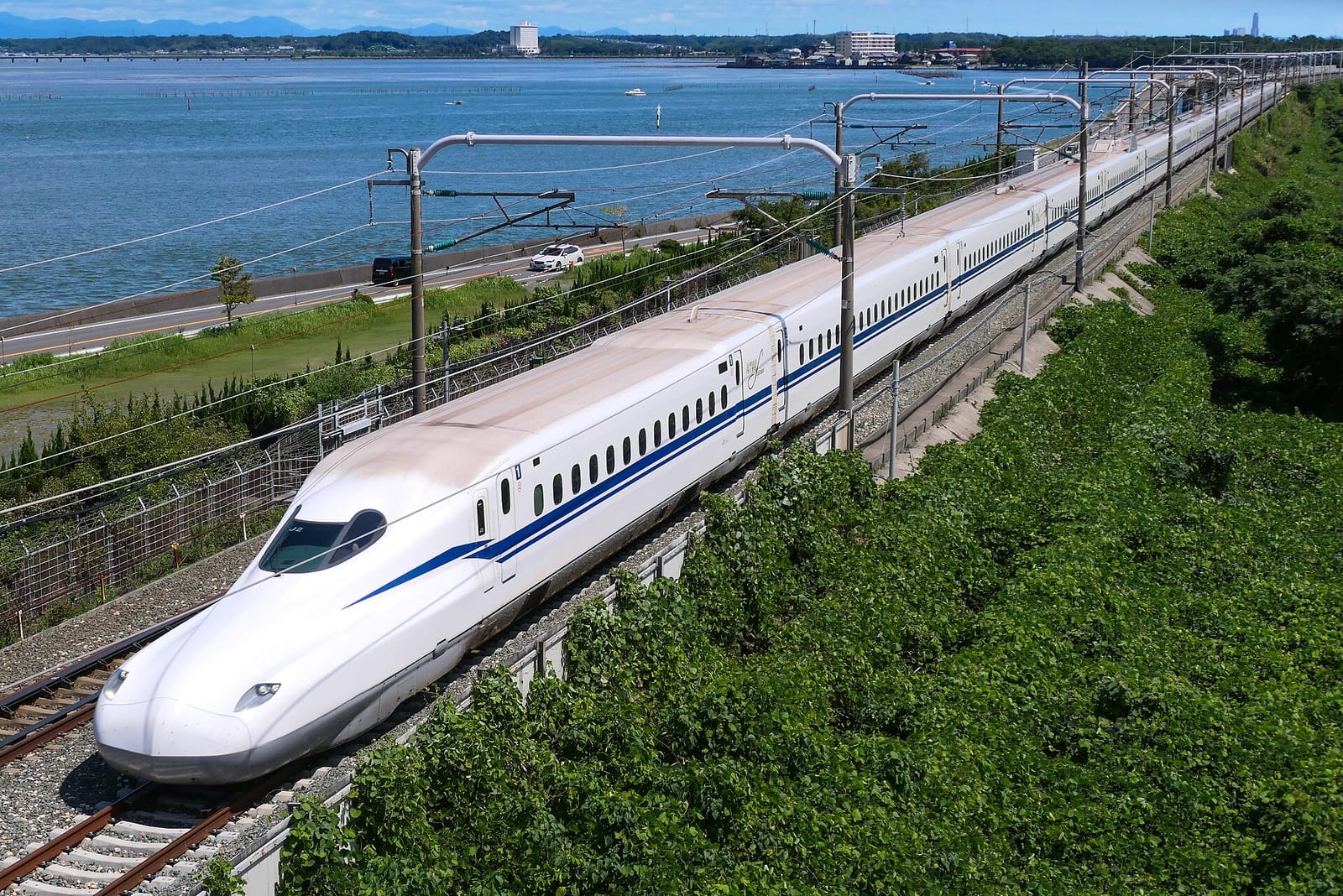
For most visitors without a rail pass, a smartEX reserved seat on a Nozomi is the simplest choice. You book on your phone, pay by credit card, and board with a QR code. These are the official prices for one adult, one way, from Tokyo or Shinagawa to Kyoto:
| Ticket | Price (as of November 2026) | Notes |
|---|---|---|
| smartEX, reserved seat, Nozomi | ¥13,970 | Regular season. ¥200 less in off-peak season, ¥200 more in peak season, ¥400 more in the busiest season |
| smartEX, reserved seat, Hikari or Kodama | ¥13,650 | Regular season, slower trains with more stops |
| smartEX, non-reserved seat | ¥13,320 | Any non-reserved car, no seat guarantee |
| EX Hayatoku 21, Nozomi | ¥12,430 | Book by 23:30 at least 21 days before travel. No changes, limited seats, not sold in busy periods |
| Japan Rail Pass + NOZOMI MIZUHO Ticket | ¥4,960 on top of the pass | Only with a valid pass |
All smartEX prices start at Shinagawa or Tokyo. Add the JR fare from Shinjuku to whichever station you choose.
A few smartEX rules worth knowing before you book:
- Registration needs a credit card. smartEX charges in yen, and your card company may add a foreign transaction fee.
- Changes are free on the basic service. You can change a smartEX Service booking as often as you like up to 4 minutes before departure. Each change charges the new fare before refunding the old one, so a foreign transaction fee may apply each time.
- Booking opens early. The basic service accepts bookings from 5:30 one year before travel, and confirms the exact train and seat after 8:00 one month before.
- Missing your train is not the end. If you miss a reserved smartEX train, you may take a later Shinkansen the same day in a non-reserved seat of an ordinary car.
If you have an oversized bag, book the “Seat with oversized baggage area” option in smartEX on the day sales open, one month before travel. smartEX says these seats cannot be booked through its early or after-hours requests.
How do you get from Shinjuku to Kyoto, step by step?
Ride a JR train to Shinagawa or Tokyo, go through the Shinkansen transfer gate with your QR code and IC card, and keep the paper slip the gate gives you. Here is the full sequence.
Step 1: Book and save your QR ticket. In the smartEX app, open “My Trips”, tap “Details”, then “Display QR-Ticket”. You can also add it to Apple Wallet or print it, which helps if your phone battery runs low.
Step 2: Take a JR train from Shinjuku. For Shinagawa, take the Yamanote Line in the counterclockwise direction, signed “for Shibuya / Shinagawa”. For Tokyo, take the Chuo Line (Rapid) signed “for Tokyo”. Touch in with your Suica or other IC card. If you need help finding the JR gates first, our Shinjuku Station exits guide shows the main ones.
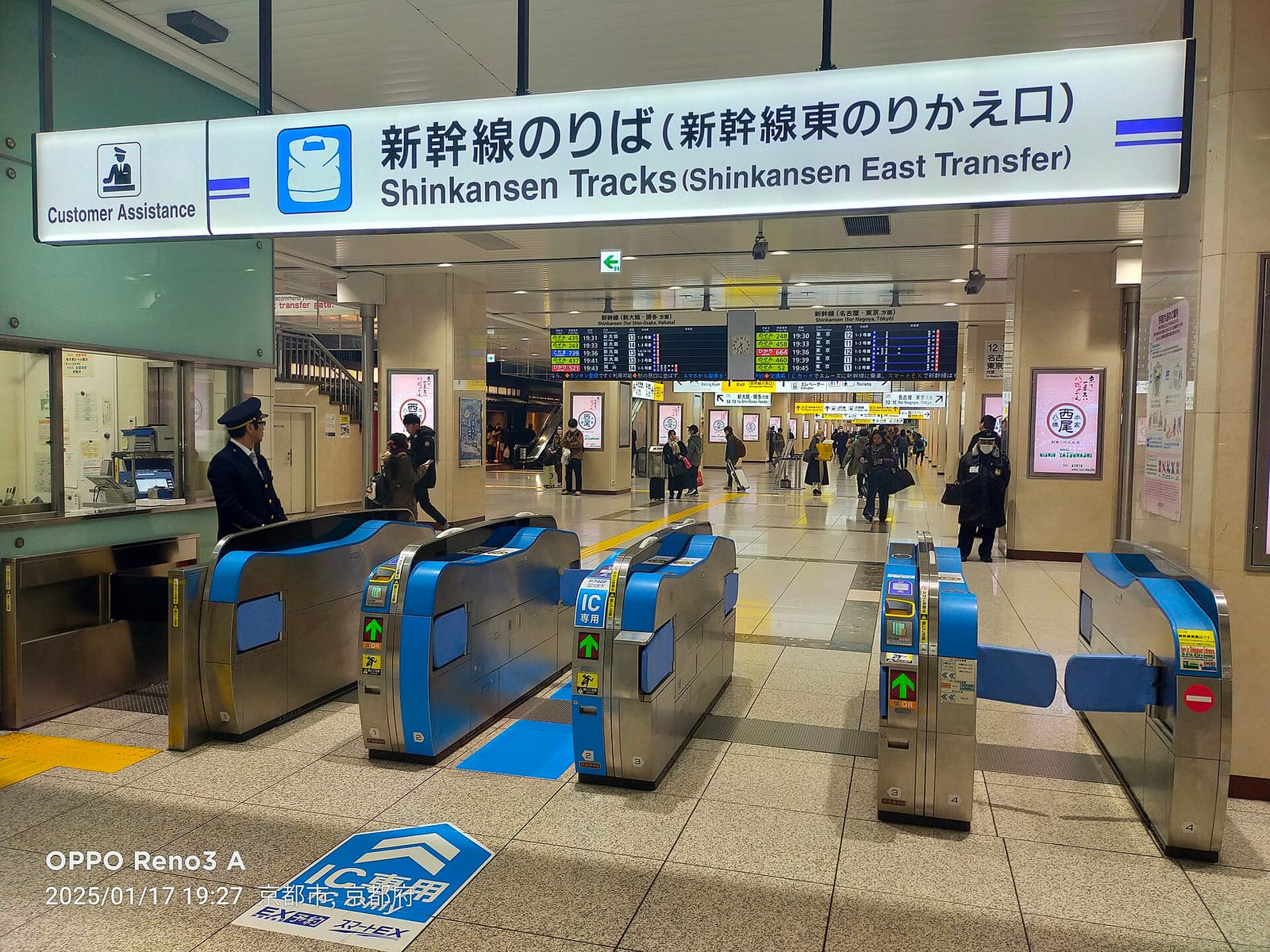
Step 3: Go through the Shinkansen transfer gate. At Shinagawa or Tokyo, follow the signs for the Tokaido Shinkansen to a transfer gate. Use a gate with the “QR” mark. smartEX’s instructions are to hold your QR ticket over the gate first, then touch your IC card. The gate deducts the JR fare from Shinjuku from your IC card balance.
Step 4: Take the “Seat Information” slip. The gate prints a “Seat Information” slip. Keep it until Kyoto. smartEX says the train crew checks it on board, and if you do not have it you may be charged the full fare and limited express charge again. The slip is not a ticket, so it will not open the exit gate.
Step 5: Find your car and board. Your QR ticket and slip show your car and seat number. Wait at the matching car number on the platform.
Step 6: Ride to Kyoto. JR Central gives the Tokyo to Kyoto time as about 130 minutes.
Step 7: Exit at Kyoto. Hold up the same QR ticket at the Shinkansen exit gate. smartEX notes you need the QR ticket to exit as well as to enter. If you go straight onto a JR local line at Kyoto, use the transfer gate with your QR ticket and IC card in the same way.
Using paper tickets from a station machine instead? JR Central’s instructions are to insert your conventional line ticket together with your Shinkansen ticket at the transfer gate, and keep the tickets for the on-board check and for exiting at Kyoto.
Shinagawa or Tokyo Station: which is better from Shinjuku?
Both stations charge the same smartEX price to Kyoto, so pick the one that is easier to reach. Here is how they compare when you start in Shinjuku:
| Shinagawa | Tokyo | |
|---|---|---|
| JR line from Shinjuku | Yamanote Line (counterclockwise, for Shibuya / Shinagawa) | Chuo Line (Rapid), for Tokyo |
| smartEX Nozomi reserved seat to Kyoto | ¥13,970 | ¥13,970 |
| Nozomi stops here | Yes | Yes (first station) |
| Good if | You stay on the south or west side, or come from Shibuya | You want the starting station of the line |
Shinagawa Station
Tokyo Station
Kyoto Station
Torn between a hotel by the station and one in Gion? Our Gion or Kyoto Station guide compares the transfer minutes, buses and luggage rules.
What if you cannot get a Shinkansen seat?
Switch the train type or the seat type before you change your plans. Hikari and Kodama trains keep non-reserved cars even in peak periods, according to JR Central, although they may be crowded then. smartEX also sells non-reserved seats for ¥13,320 (as of November 2026), valid on any non-reserved car.
If the issue is your luggage, you can leave the big bag in Tokyo for a few days. Our Shinjuku Station luggage storage guide lists lockers and counters by exit.
Still deciding where to stay before you leave Tokyo? Our guide to where to stay in Shinjuku for first-timers compares the areas around the station, including how close each one is to the Yamanote and Chuo lines.
Planning a kimono day once you arrive? Our guide to kimono rental in Gion compares three shops near Gion-Shijo Station and their return deadlines.
Once you have your ticket, our guide to where to stay in Kyoto for first-timers compares the areas around Kyoto Station, Gion, Kawaramachi and Arashiyama.
What to pack before you go
Maps, train apps and translation drain a phone by mid-afternoon. Keep it in your carry-on: power banks are not allowed in checked luggage.
Japan still runs on coins: there are six of them, from 1 to 500 yen, and you collect a pocketful fast. A holder with a slot for each coin lets you pay the exact amount at ticket machines, shrines and small shops without digging.
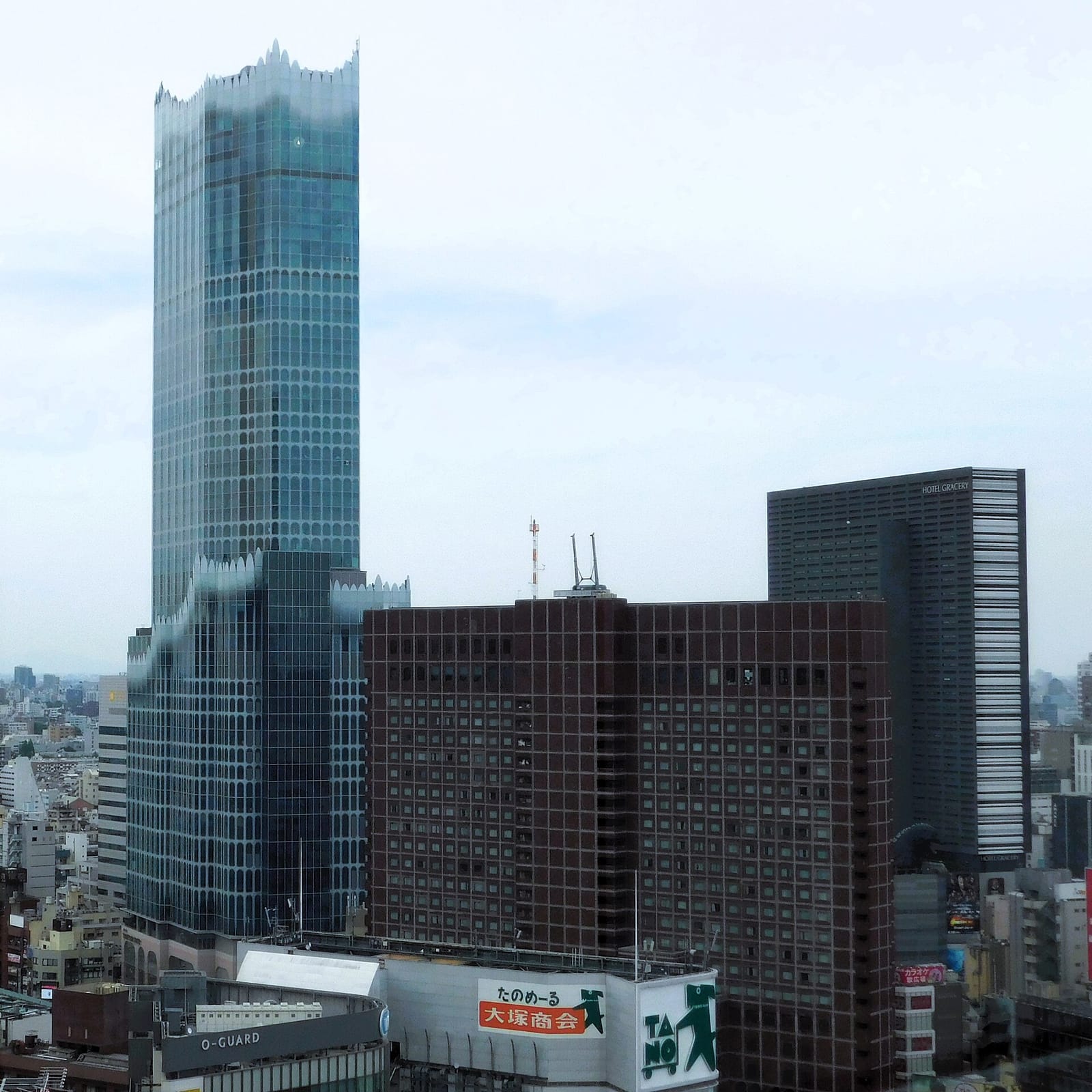 Shinjuku Hotels With Big Rooms for Families: 6 Picks by Group Size
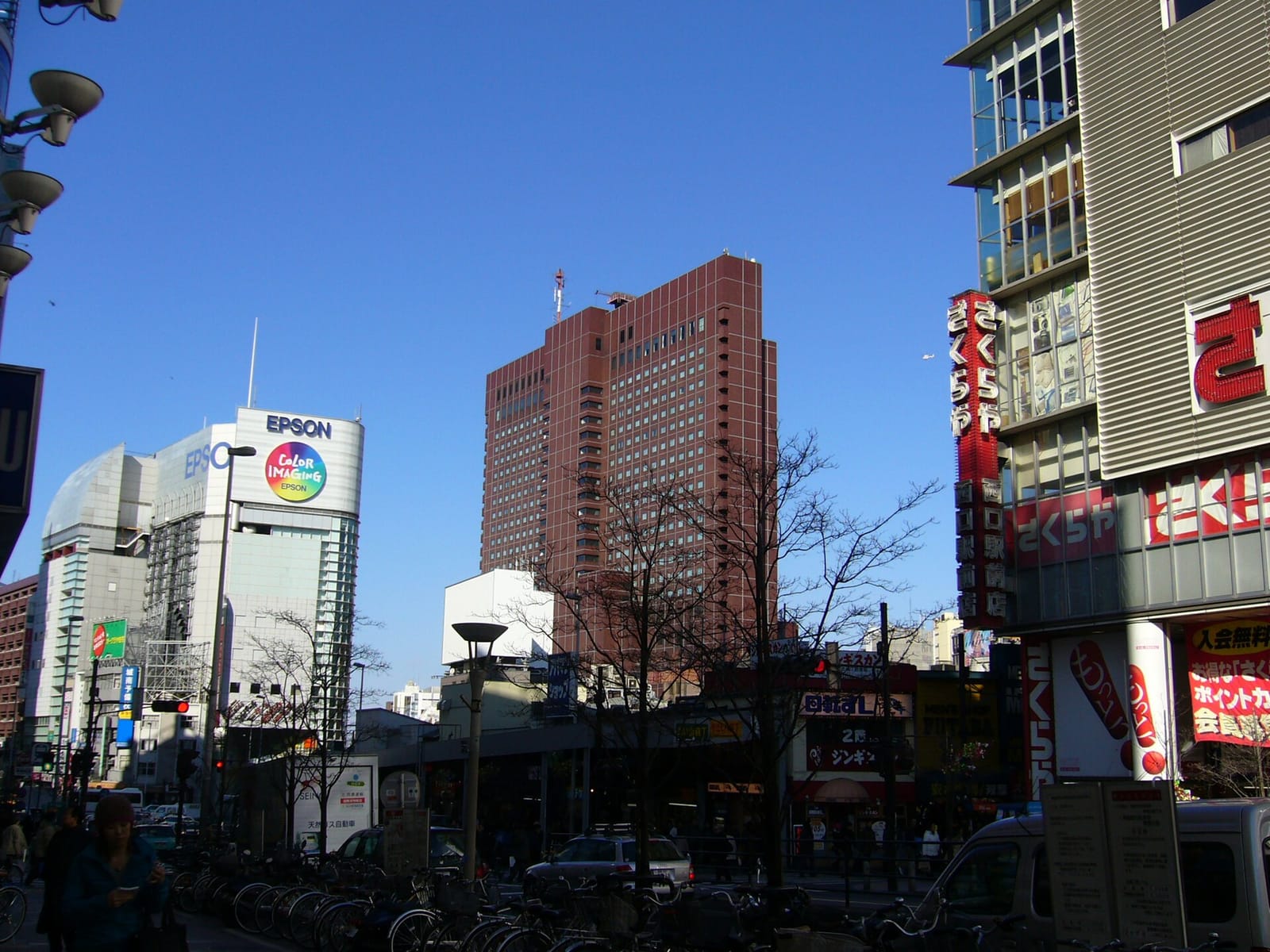 Shinjuku Hotels Connected to the Station: What 'Direct' Means
FAQ
Is there a Shinkansen from Shinjuku Station to Kyoto?
No. The Tokaido Shinkansen to Kyoto starts at Tokyo Station and also stops at Shinagawa. From Shinjuku, JR East runs the Yamanote Line toward Shibuya and Shinagawa, and the Chuo Line (Rapid) toward Tokyo, so you change once.
Should I board at Shinagawa or Tokyo Station?
Either works. The smartEX price to Kyoto is the same from both, ¥13,970 for a regular-season Nozomi reserved seat (as of November 2026). Choose the station that is easier for you to reach: the Yamanote Line goes to Shinagawa, and the Chuo Line (Rapid) goes to Tokyo.
How long does the Shinkansen take from Tokyo to Kyoto?
JR Central says you can reach Kyoto from Tokyo in about 130 minutes. Allow extra time for the JR line from Shinjuku and for the change at Shinagawa or Tokyo.
Can I use the Japan Rail Pass on the Nozomi to Kyoto?
Not with the pass alone. You also need a NOZOMI MIZUHO Ticket, which costs ¥4,960 between Tokyo and Kyoto (as of November 2026). It is sold at JR reserved-seat ticket machines and ticket offices from one month before the travel date.
Do I need to reserve a seat for my suitcase on the Shinkansen?
Only if its length, width and height add up to more than 160 cm. Bags between 160 and 250 cm need a seat with an oversized baggage area, booked at no extra cost over a normal reserved seat. Bags over 250 cm are not allowed.
Sources
- smartEX — smartEX Service fare overview
- smartEX — smartEX Service prices, reserved seats (PDF, as of April 1, 2025)
- smartEX — smartEX Service prices, non-reserved seats (PDF, as of April 1, 2025)
- smartEX — EX Hayatoku 21
- smartEX — EX Hayatoku 21 prices from March 13, 2026 (PDF)
- smartEX — Boarding with QR-Ticket
- smartEX — Boarding with an IC card
- smartEX — Tokaido Sanyo Kyushu Shinkansen Internet Reservation Service
- Central Japan Railway — Oversized baggage
- Central Japan Railway — How to use the trains
- Central Japan Railway — Nozomi during peak periods
- Central Japan Railway — Kyoto by Shinkansen
- JAPAN RAIL PASS — Use of NOZOMI and MIZUHO trains
- JR East — Shinjuku Station timetable
This article contains affiliate links. We may earn a commission at no extra cost to you.