Senso-ji Early Morning Before the Crowds: A 6:00 Walking Plan
See Senso-ji before the crowds: the 6:00 bell, the main hall opening at 6:30 from October to March, Nakamise shutters down, and 9 stops in walking order.
5:50, Kaminarimon: the shops are shut and the road in front of the gate is quiet. 6:00: a monk strikes the old bell on Bentenyama, a few minutes’ walk away. 6:30 from October to March (6:00 the rest of the year): the main hall of Senso-ji opens its doors. By 9:00 the shops of Nakamise are starting to open, and the quiet morning is over. This guide follows that clock, with eight stops in walking order and the times each one starts.
When does Senso-ji open in the morning?
The main hall opens at 6:00 from April to September and at 6:30 from October to March, and it closes at 17:00 all year (as of November 2026). Those are the only hours the temple publishes. It asks visitors to contact it for the hours of the other halls on the grounds.
The gates, Nakamise and the paths between the halls are outdoors, and walking them costs nothing. So “before the crowds” has two parts:
| Time | What happens | Season |
|---|---|---|
| Before 6:00 | Gates and Nakamise shutters, no one around | All year |
| 6:00 | Toki-no-Kane bell rung on Bentenyama | Every day |
| 6:00 | Main hall opens | April to September |
| 6:30 | Main hall opens | October to March |
| About 6:30–6:50 | Sunrise in Tokyo (6:32 on December 1, 6:50 on December 31, 2026) | Winter |
| 7:00 | Sumida River Walk opens | All year |
| 9:00 | Culture center terrace and Asakusa Shrine office open | All year |
| From morning | Nakamise stalls open, each at its own time | All year |
Sunrise times are from the National Astronomical Observatory of Japan; everything else is from each place’s own site or GO TOKYO.
In winter this lines up well. The hall opens just as the sun comes up, so you get the gates in blue early light and the hall in the first sun. In summer the sun is up long before 6:00, and the hall opening is the time that matters.
What can you see before Nakamise opens?
Everything outside: the two big gates, the 250-meter shopping street with its shutters down, the pagoda and the water pavilion. What you cannot do is shop or snack, because Nakamise has no shared opening time. GO TOKYO counts about 90 stalls and says hours vary by store.
There is a payoff. The shutters are painted with a picture scroll of Senso-ji’s seasonal events, which you only see while they are closed. GO TOKYO tells visitors to come after dinner for them; the early morning gives you the same view, with better light for photos.
The gates and the street
Kaminarimon
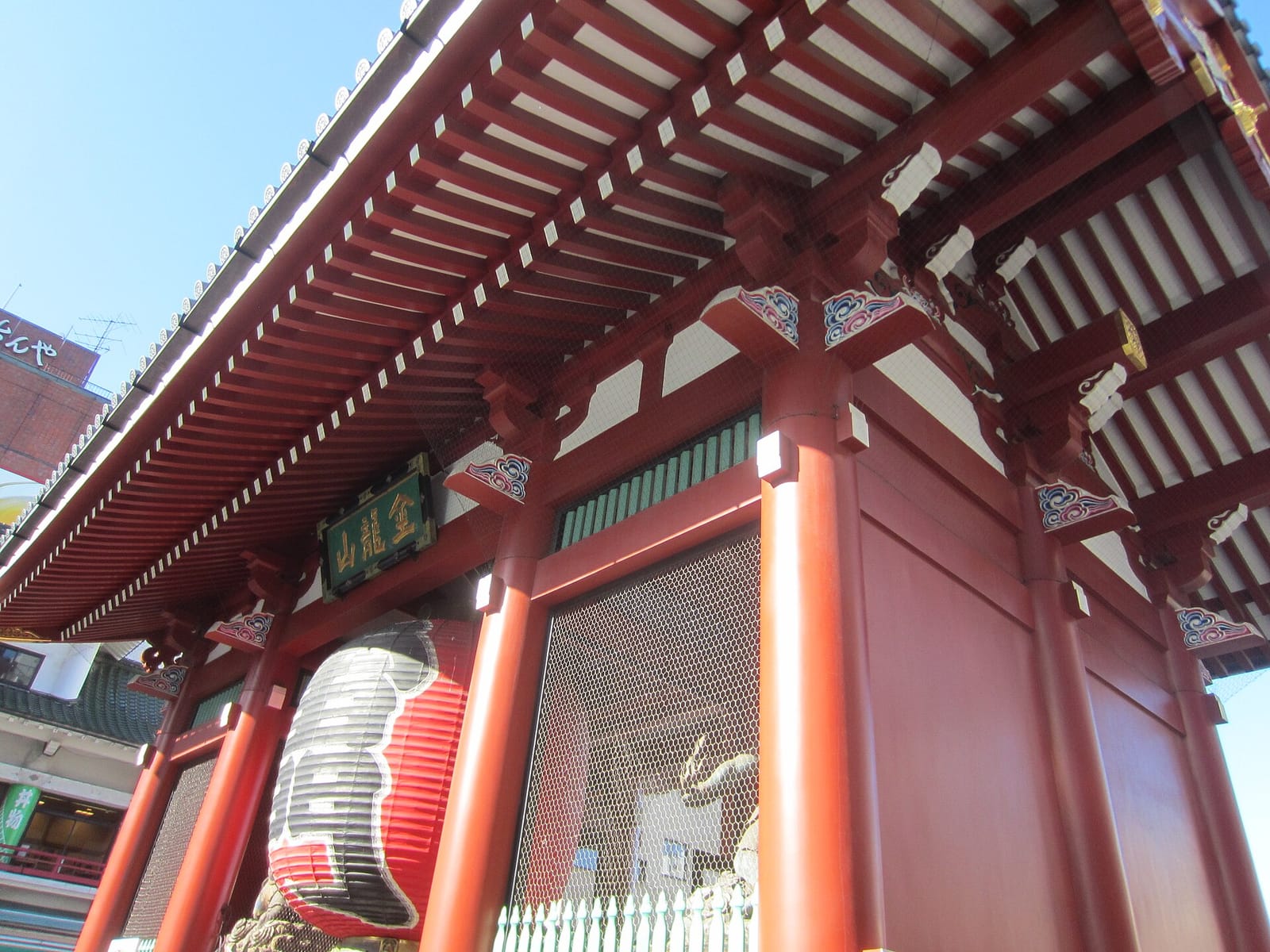
The main gate. Its official name is Furaijinmon, for the Wind God and Thunder God that guard it, and the red lantern is about 3.9 m tall and weighs about 700 kg. The current gate dates from 1960, the first rebuild in 95 years after a fire in 1865. Stand in the middle of Kaminarimon-dori’s sidewalk for the straight-on photo; early in the morning you can usually take it without waiting.
- Price
- Free
- Access
- About 5 min walk from Asakusa Station (Ginza Line, Tobu Skytree Line, Tsukuba Express); Exit A4 on the Toei Asakusa Line
- Source
- www.senso-ji.jp
Nakamise with the shutters down
The street began around 1685, when the temple let local people set up stalls in return for cleaning the grounds. It was rebuilt in vermilion concrete in 1925 and again after the air raids of 1945. Walk it slowly in the early morning and read the painted shutters as you go; come back later in the morning if you want to shop.
- Hours
- Shop hours vary by stall
- Access
- Between Kaminarimon and Hozomon
- Source
- www.gotokyo.org
Bentenyama and the Toki-no-Kane bell
A small hill southeast of the main hall, off the east side of Nakamise. The bell was recast in 1692 on the orders of the shogun Tokugawa Tsunayoshi and was one of the bells that told the time to Edo. A monk still strikes it every morning at 6:00, and it is a Tokyo designated cultural property. Be on the hill a few minutes early and wait quietly.
- Hours
- Bell rung every day at 6:00
- Source
- www.senso-ji.jp
Inside the grounds
Hozomon
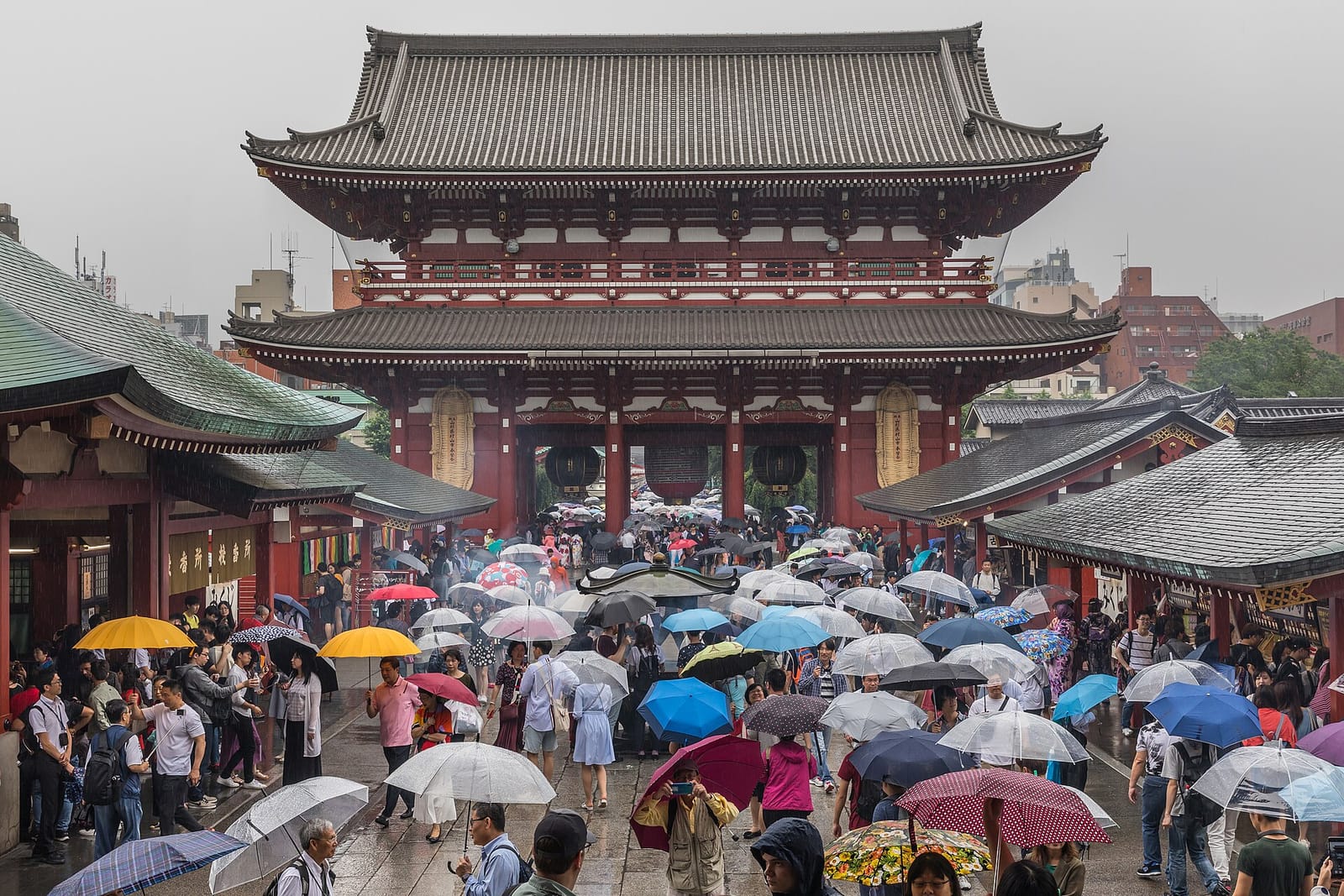
The inner gate, rebuilt in 1964, holds sutras and temple treasures, hence the name. Walk round to the back for the giant straw sandals: 4.5 m tall and 500 kg each, the current pair donated by Murayama City in Yamagata in 2018. The red lantern in the middle was renewed in October 2026.
- Price
- Free
- Access
- North end of Nakamise
- Source
- www.senso-ji.jp
Senso-ji main hall
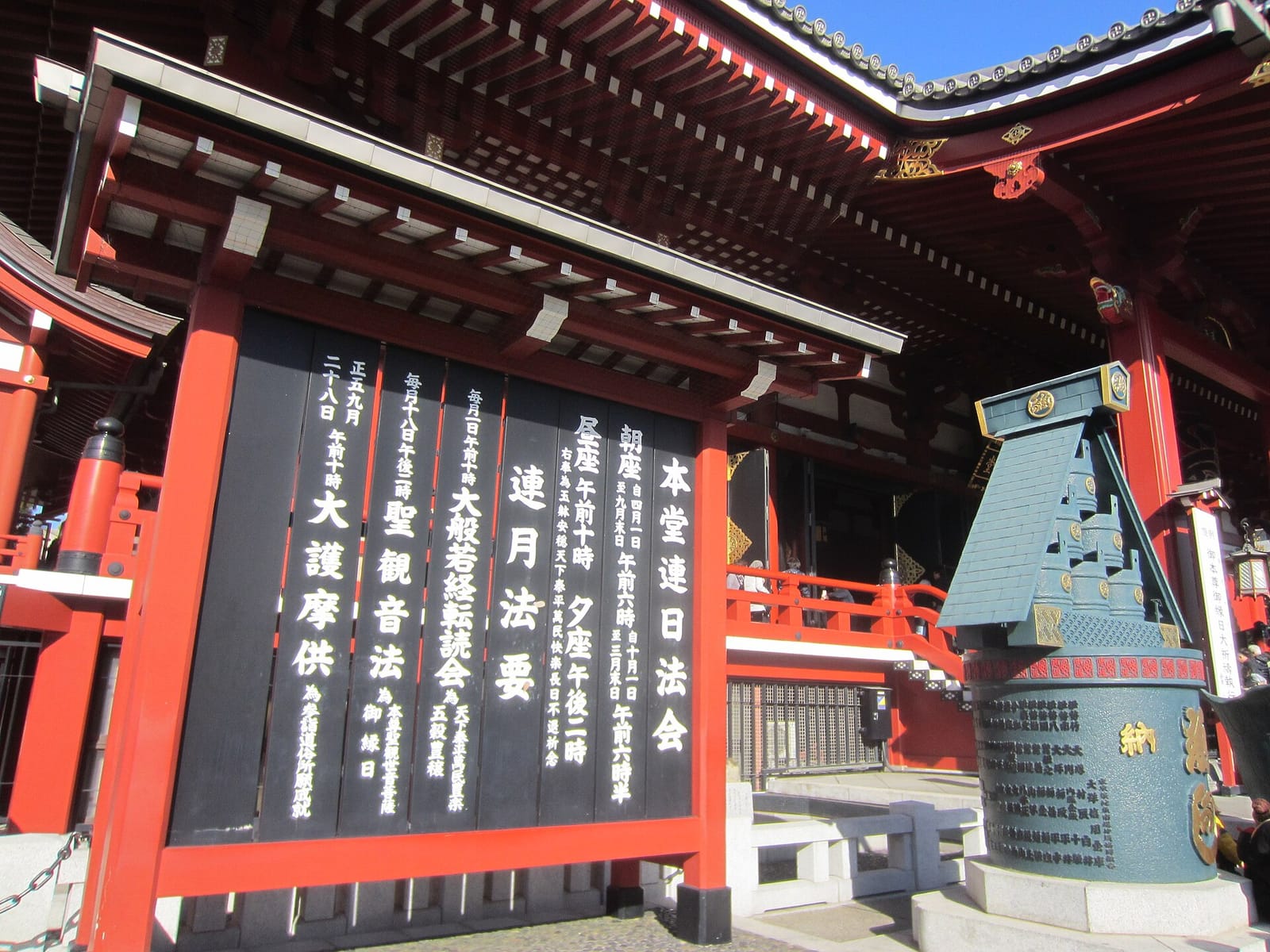
Stop at the Omizuya, the water pavilion on the right in front of the hall, to rinse your hands first; its dragon-king statue dates from 1903. Inside, look up: the dragon on the ceiling is by Kawabata Ryushi. The hall was finished in 1958, based on the hall of 1649 that burned in 1945. The main image of Kannon is hidden and never shown, and the temple asks visitors to say “Namu Kanzeon Bosatsu” as they pray.
- Hours
- 6:00–17:00; opens 6:30 from October to March (as of November 2026)
- Price
- Free
- Access
- About 5 min walk from Asakusa Station; elevator on the left side of the hall
- Source
- www.senso-ji.jp
Five-story pagoda
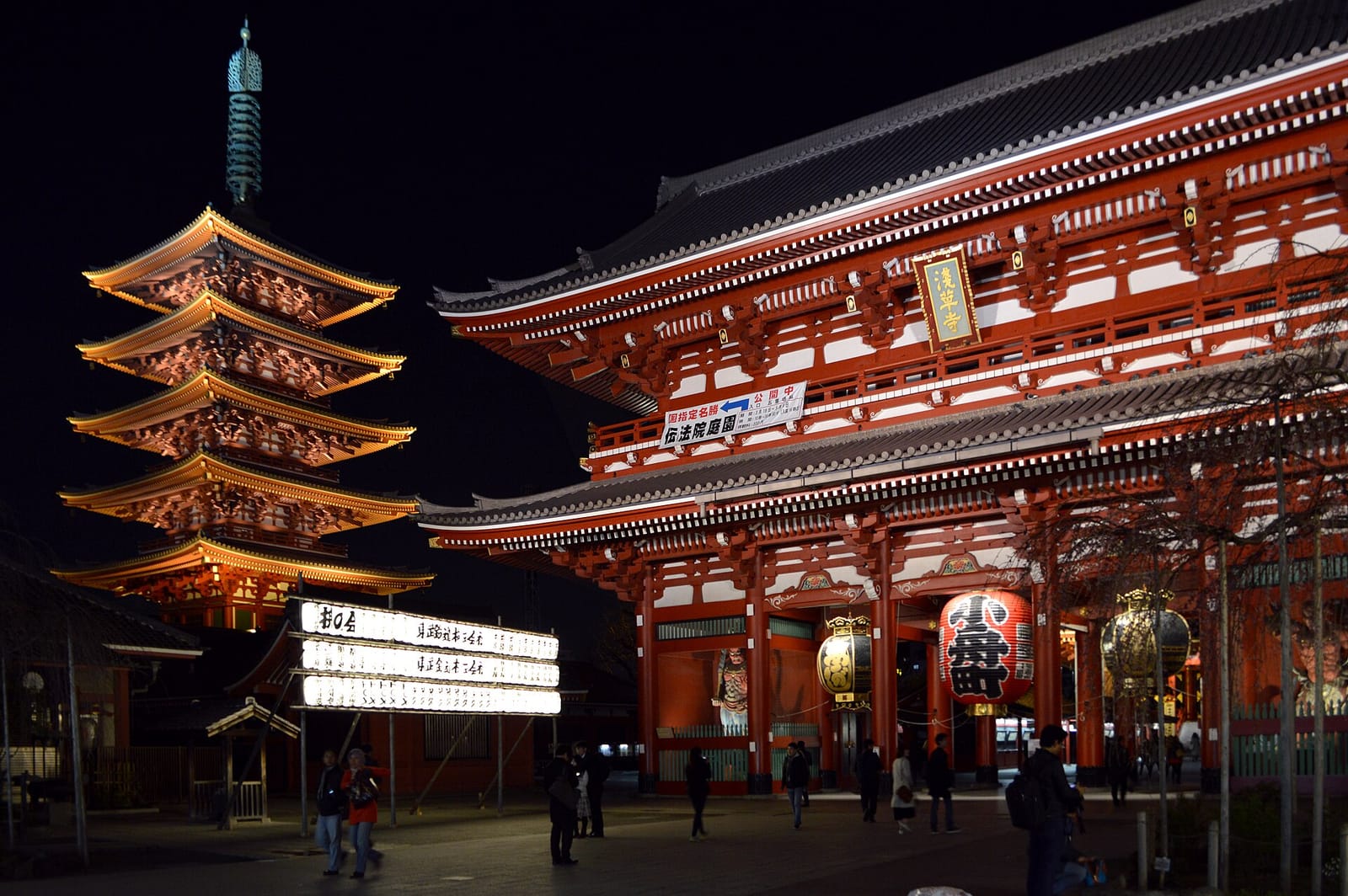
About 53 m tall with its base, rebuilt in 1973 after the 1945 air raid. A relic of the Buddha from a temple in Sri Lanka rests on the top floor. The pagoda is not open to ordinary visitors, so this is a view from the path; it sits to the left of Hozomon as you walk in.
- Price
- Free to view from outside
- Source
- www.senso-ji.jp
Asakusa Shrine
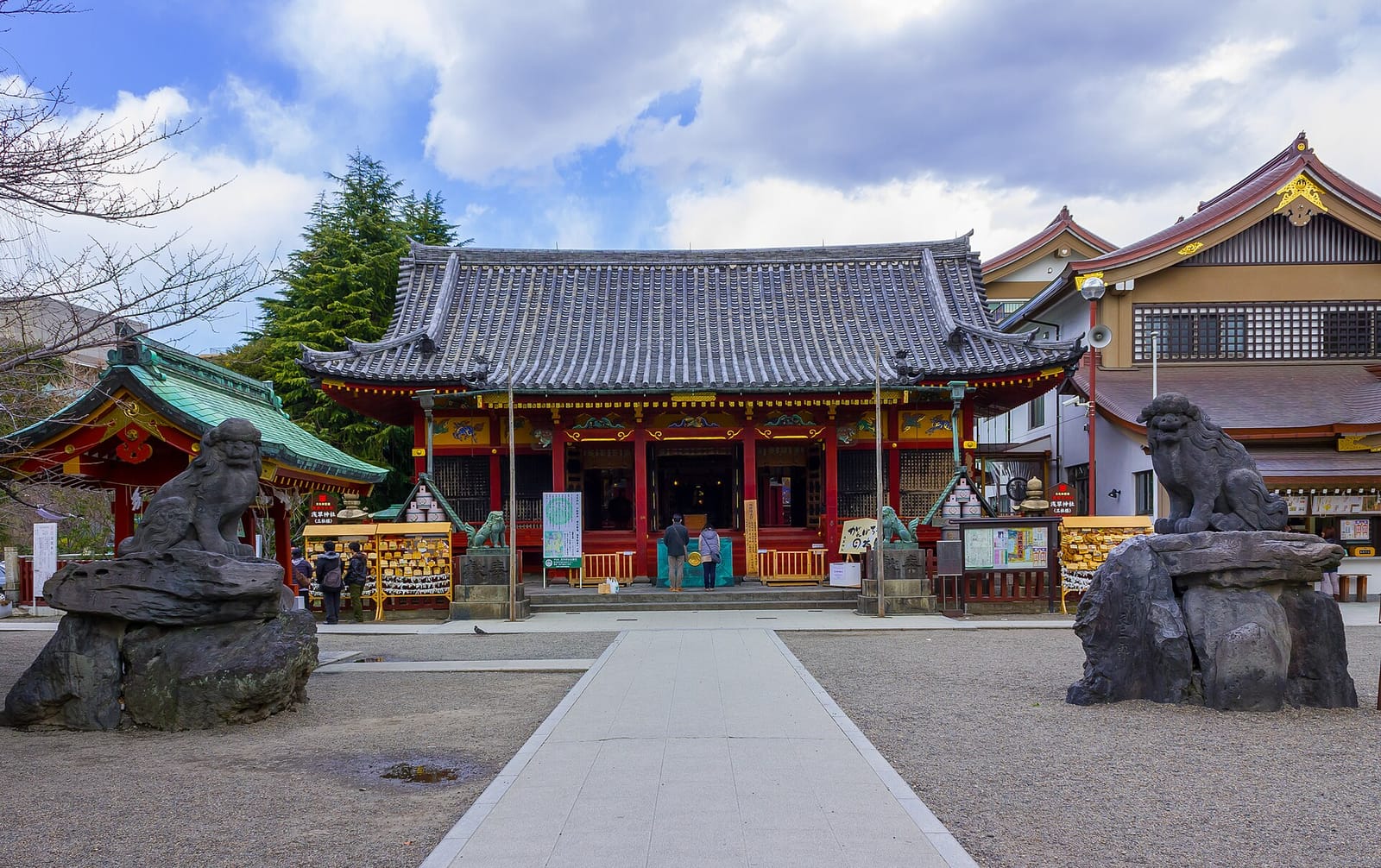
The shrine next to the main hall, home of the Sanja Festival. Its hall was built and donated in 1649 by the third shogun, Tokugawa Iemitsu, and it became a national Important Cultural Property in 1951. It survived the fires that destroyed the temple buildings around it, so this is one of the oldest things you will see this morning. The office, where amulets and stamps are handled, opens at 9:00.
- Hours
- Shrine office 9:00–16:00 on weekdays, 9:00–16:30 on weekends and holidays
- Access
- About 7 min walk from Asakusa Station (Ginza, Toei Asakusa and Tobu lines); 10 min from the Tsukuba Express
- Source
- asakusajinja.jp
Nitenmon
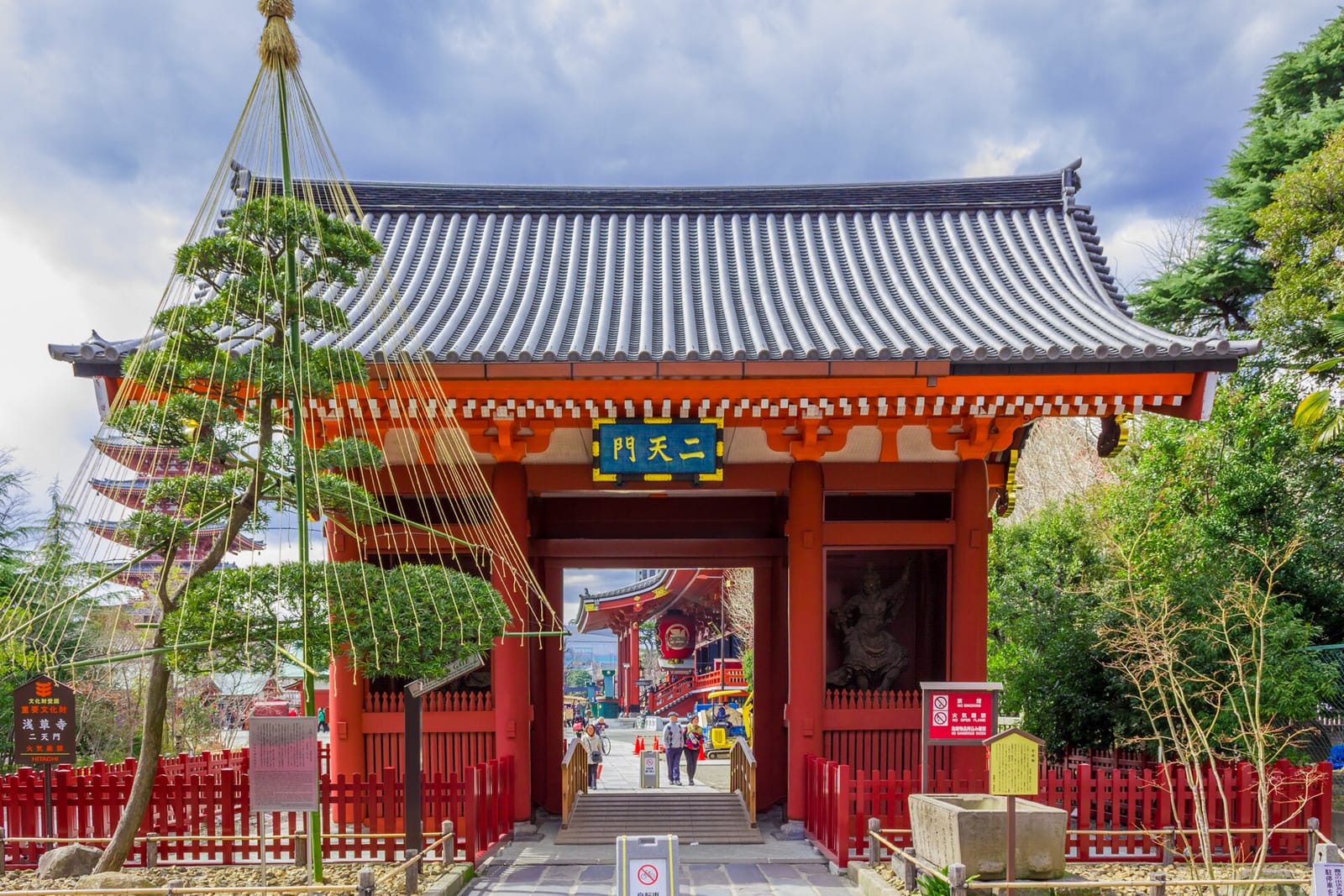
The east gate, from 1649 and a national Important Cultural Property. Few people use it, and it is the most direct way out of the grounds toward the river. Leave through it and walk south-east to the Sumida.
- Price
- Free
- Source
- www.senso-ji.jp
By the river
Sumida River Walk
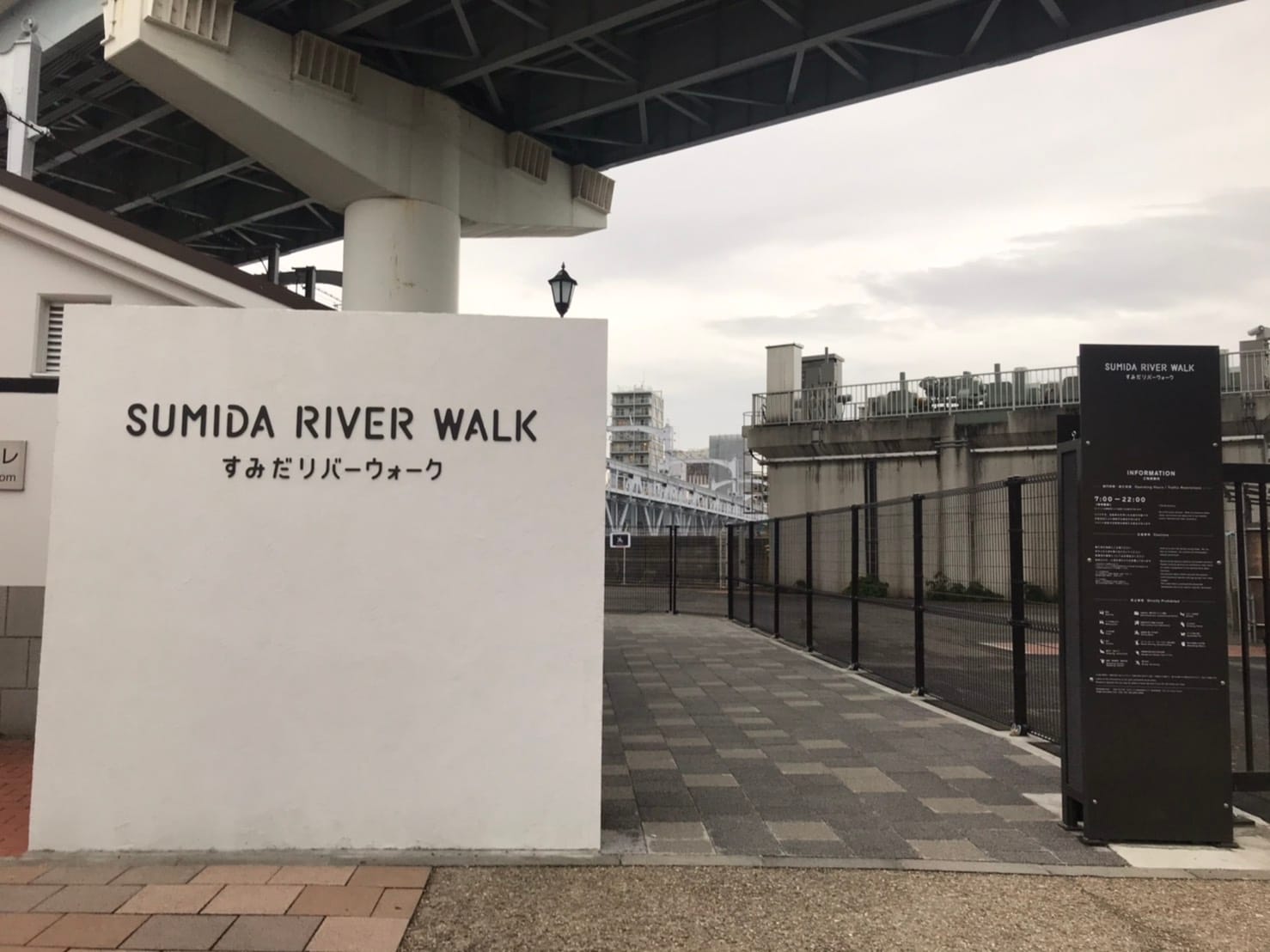
A 160-meter footpath beside the railway bridge, with a glass panel in the floor that shows the boats below. It opens at 7:00, which makes it the natural next stop after the temple, and it leads across to Tokyo Skytree Town.
- Hours
- 7:00–22:00 daily
- Price
- Free
- Access
- About 3 min walk from the North Exit of Tobu Asakusa Station; 7 min from Exit 5 of the Ginza Line station
- Source
- www.gotokyo.org
Tick “Add to my route” on the stops you want, and the box at the end of the page opens them in this order in Google Maps.
How early should you arrive?
Arrive at Kaminarimon by about 5:50 if you want the bell, and no later than the hall opening if you want to pray inside. That gives you the gates and Nakamise first, the bell at 6:00, and Hozomon and the pagoda before the hall doors open.
Two sample mornings:
- October to March, about 2 hours: 5:50 Kaminarimon → 6:00 Bentenyama bell → 6:15 Hozomon and pagoda → 6:30 main hall → 7:00 Asakusa Shrine and Nitenmon → 7:15 Sumida River Walk.
- April to September, about 1.5 hours: 5:45 Kaminarimon → 6:00 bell, then straight to the main hall, which opens at the same time → 6:30 pagoda and shrine → 7:00 river walk.
If you cannot be there by 6:00, the hall opening still works as a start. The point is to see the main hall and Kaminarimon before the shops open and the street fills with shoppers.
Sleep close. A 6:00 start is easiest from a hotel within walking distance. See budget hotels in Asakusa or Asakusa hotels with a Skytree view. Coming in by train, check the first train on your line the night before; the Shinjuku to Asakusa train guide covers the routes from the west side.
What should you know about etiquette in the morning?
Morning is when local people come to pray, so keep your voice down and step aside from the offering box when you take photos. Three small rules help:
- Rinse first. Use the Omizuya water pavilion before you go up to the hall.
- Return the fortune sticks. If you draw an omikuji fortune, the temple asks you to put the stick back in its holder. A bad fortune can be tied at the marked spot on the grounds.
- Mind the bell. At Bentenyama the bell is rung by a monk, not by visitors. Watch from the side.
The grounds are flat, and there is an elevator on the left side of the main hall. Accessible toilets are to the right of Hozomon and behind the main hall.
What about goshuin stamps and amulets?
Goshuin, the handwritten temple stamps, are issued at Kageyodo, the hall northwest of the main hall. The temple does not post its hours online, so do not plan on getting one at 6:30. The temple’s phone line answers on weekdays except Sundays and holidays from 9:00 to 16:30 (03-3842-0181) if you want to ask.
At Asakusa Shrine next door, the office opens at 9:00. If a stamp book is the reason you came, finish the walk, have breakfast, and come back after 9:00.
What can you do after the temple, before the shops open?
Walk to the river, then come back for 9:00. The Sumida River Walk opens at 7:00. The 8th-floor terrace of the Asakusa Culture Tourist Information Center, across the road from Kaminarimon, opens at 9:00 and is free; it looks straight down Nakamise to the temple, so you can see the street you walked at dawn as the shops roll up their shutters. The information desk downstairs also opens at 9:00.
From there, our one day in Asakusa itinerary carries on to Kappabashi and Tokyo Skytree. If you would rather come back at the other end of the day, things to do in Asakusa at night after the shops close covers the light-up, which runs from sunset to about 23:00. Visiting on January 1–3? The early start works differently then; see Senso-ji at New Year for first-timers.
For where to eat once the hall is open, see our guide to breakfast in Asakusa early in the morning, which lists what opens from 4:00 to 9:00.
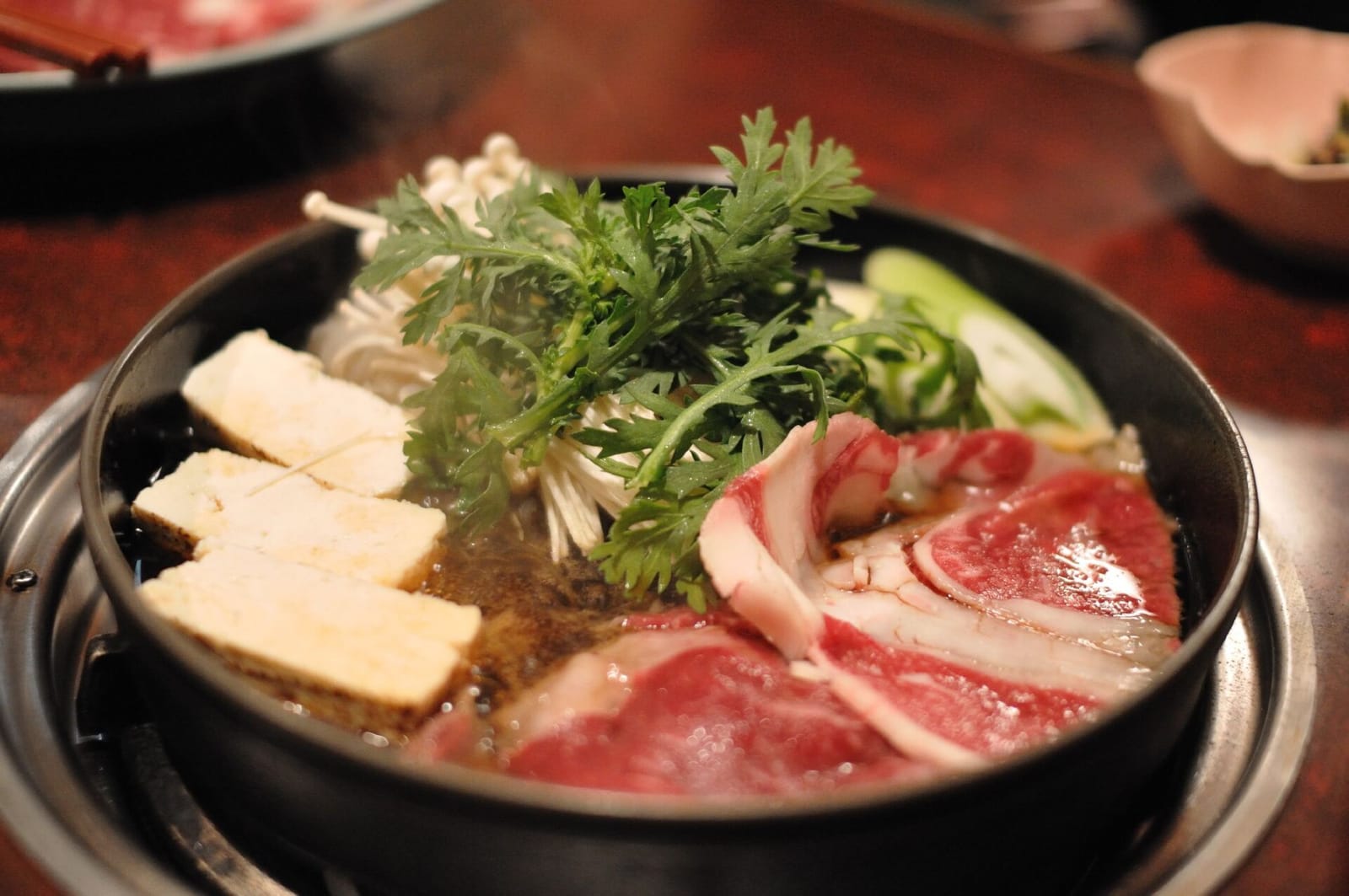 Sukiyaki in Asakusa: How to Reserve, Lunch to Dinner (5 Places)
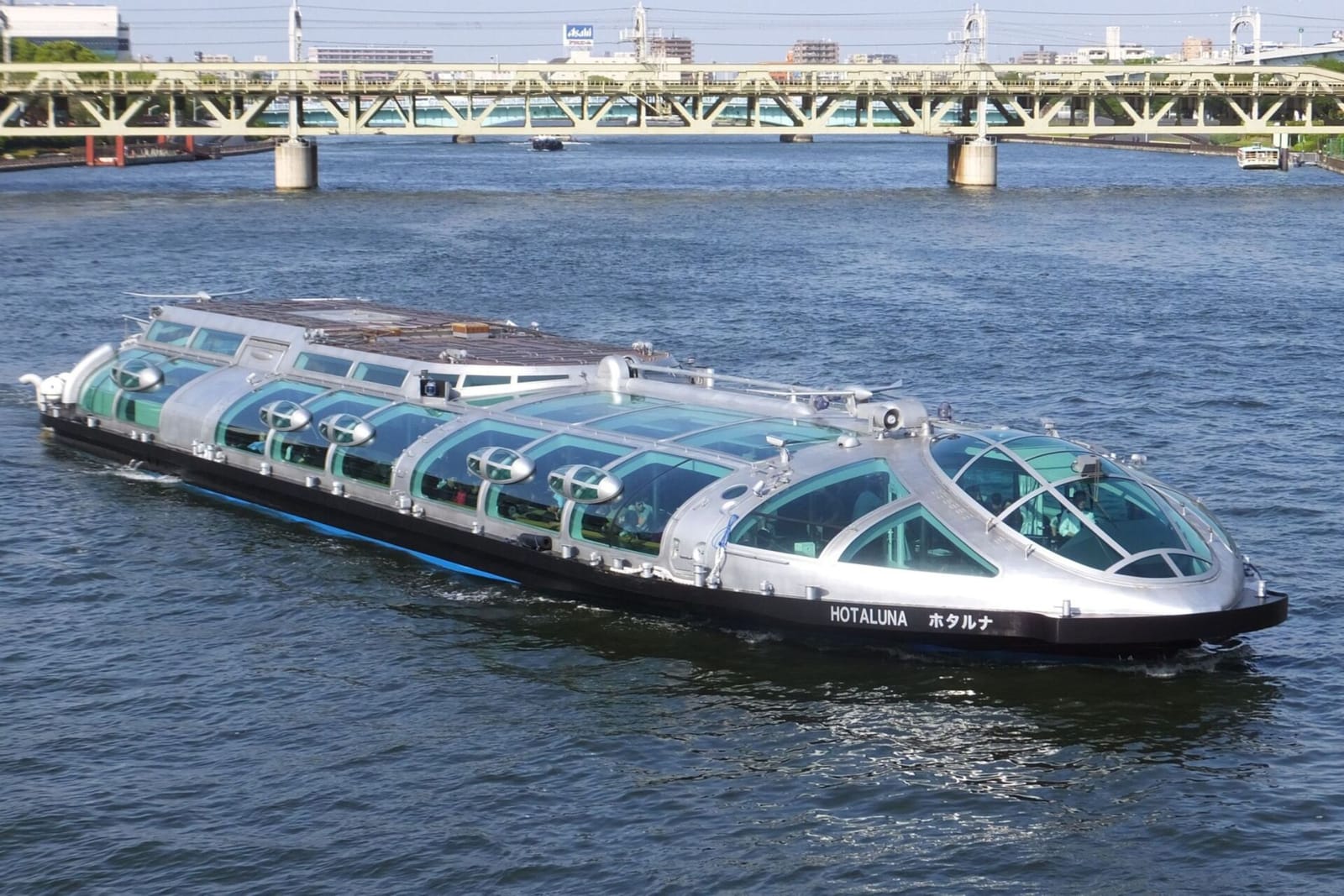 Sumida River Cruise: Asakusa to Hamarikyu and Odaiba in One Day
FAQ
What time does Senso-ji open?
The main hall opens at 6:00 and closes at 17:00. From October to March it opens at 6:30 instead (as of November 2026). The temple asks visitors to contact it for the hours of its other halls.
What time does Nakamise Street open?
There is no single opening time. Nakamise is a row of about 90 independent stalls, and the Tokyo tourism site GO TOKYO says hours vary by store. Early in the morning you walk past closed shutters, which are painted with scenes of the temple's seasonal events.
Is Senso-ji worth visiting early in the morning?
Yes, if you want photos of Kaminarimon and the main hall without a crowd, and time to pray quietly. The trade-off is shopping and snacks: plan a second pass down Nakamise later in the morning if you want those.
Can you get a goshuin stamp at Senso-ji early in the morning?
Goshuin are issued at Kageyodo, the hall northwest of the main hall, but the temple does not publish its hours online. Its phone line, 03-3842-0181, answers on weekdays except Sundays and holidays from 9:00 to 16:30.
How do you get to Senso-ji from the station?
Senso-ji is about 5 minutes on foot from Asakusa Station on the Ginza Line, Tobu Skytree Line and Tsukuba Express, and from Exit A4 of the Toei Asakusa Line station. Kaminarimon, the main gate, faces Kaminarimon-dori.
Sources
- Senso-ji — About the temple, main hall hours (Japanese)
- Senso-ji — FAQ (Japanese)
- Senso-ji — Access (Japanese)
- Senso-ji — Kaminarimon (Japanese)
- Senso-ji — Nakamise (Japanese)
- Senso-ji — Hozomon (Japanese)
- Senso-ji — Main hall (Japanese)
- Senso-ji — Five-story pagoda (Japanese)
- Senso-ji — Kageyodo (Japanese)
- Senso-ji — Nitenmon (Japanese)
- Senso-ji — Omizuya water pavilion (Japanese)
- Senso-ji — Bentenyama and the Toki-no-Kane bell (Japanese)
- GO TOKYO — Nakamise
- GO TOKYO — TOKYO mizumachi / SUMIDA RIVER WALK
- Asakusa Shrine — History (Japanese)
- Asakusa Shrine — Access and office hours (Japanese)
- Tokyo Tourist Information — Asakusa Culture Tourist Information Center
- National Astronomical Observatory of Japan — Tokyo sunrise and sunset, December 2026 (Japanese)
This article contains affiliate links. We may earn a commission at no extra cost to you.