Shinjuku to Asakusa by Train: The Fastest Route, Step by Step
Shinjuku to Asakusa takes about 35 minutes by train: JR Chuo Line to Kanda, then the Ginza Line. Which trains to board, how to pay and Senso-ji hours.
Shinjuku sits on Tokyo’s west side, all towers and neon. Asakusa sits on the old east side, with Senso-ji’s red lantern and rows of small shops. No single train links the two, so you change once. The fastest way is the JR Chuo Line to Kanda, then the Tokyo Metro Ginza Line to Asakusa: about 35 minutes in total, according to GO TOKYO, the city’s official tourism site. This guide walks through that route, which trains to board and which to skip, how to pay, what to do if trains are disrupted, and when to arrive for Senso-ji. Times are as of November 2026.
What is the fastest way from Shinjuku to Asakusa by train?
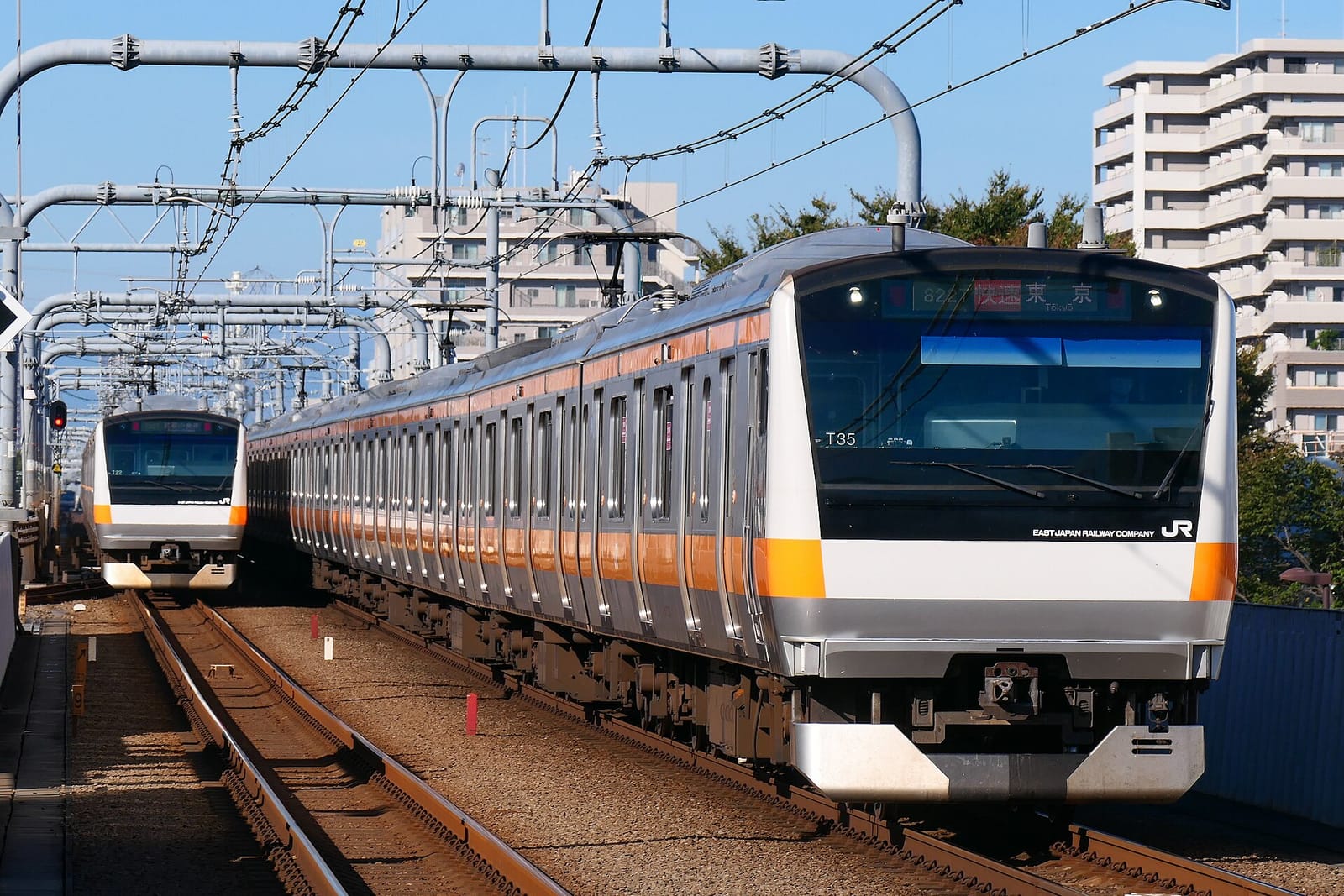
Take the JR Chuo Line (Rapid) from Shinjuku to Kanda, then change to the Tokyo Metro Ginza Line for Asakusa. GO TOKYO gives the whole journey as 35 minutes. Tobu Railway, which also runs trains into Asakusa, splits it into about 12 minutes on the Chuo Line and about 17 minutes on the Ginza Line. The rest is the walk between the two stations at Kanda.
The steps:
- At JR Shinjuku Station, follow signs for the orange Chuo Line (Rapid) and board a train “for Tokyo (Inbound)”.
- Get off at Kanda. It is the stop just before Tokyo Station.
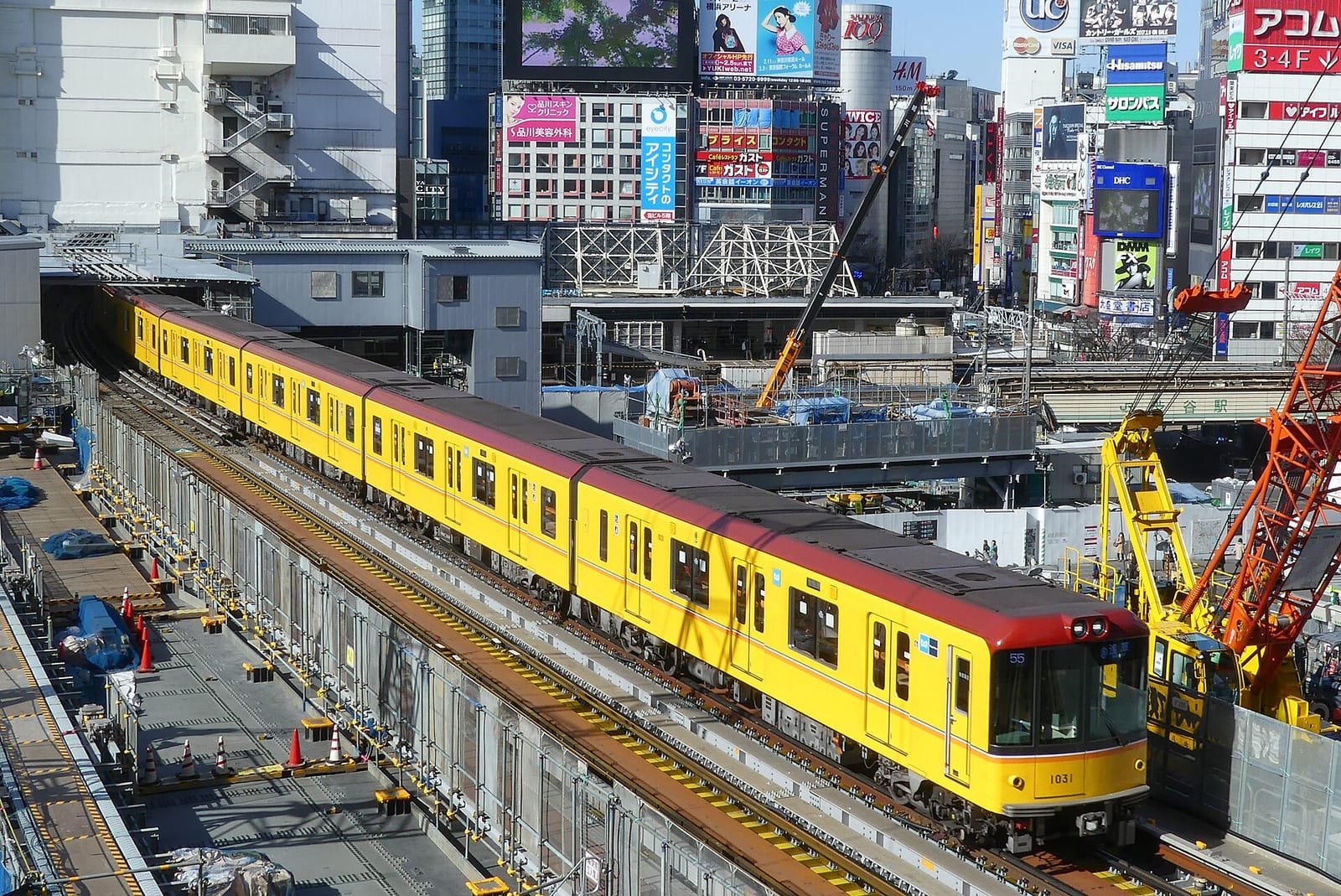
- Change to the Ginza Line. Leave the JR gates and follow the signs for the Tokyo Metro Ginza Line.
- Board a Ginza Line train toward Asakusa and ride to Asakusa Station.
GO TOKYO uses the same change point for visitors starting at Tokyo Station: the JR Yamanote Line to Kanda, then the Ginza Line, 20 minutes in total. Kanda is simply where JR and the Ginza Line meet on the way to Asakusa.
Which Chuo Line trains stop at Kanda?
All the ordinary Tokyo-bound ones. JR East’s weekday timetable for the Chuo Line (Rapid) “for Tokyo (Inbound)” at Shinjuku lists 14 departures in the 10:00 hour, all running to Tokyo. They come in four types:
| Train type at Shinjuku | Ride it to Kanda? |
|---|---|
| Rapid | Yes |
| Chuo Special Rapid | Yes |
| Ome Special Rapid | Yes |
| Limited Express Kaiji | No, it needs an extra limited express ticket |
The Special Rapids skip stations further west, not between Shinjuku and Kanda. JR East’s stop list for a weekday Chuo Special Rapid shows it leaving Shinjuku at 10:03 from track 8, then calling at Yotsuya and Ochanomizu before reaching Kanda at 10:14. That is 11 minutes on the train, and the ride ends at Tokyo three minutes later, so stand up when you leave Ochanomizu.
With 13 ordinary departures in that hour, you will rarely wait more than a few minutes. Walk to the platform and board the next train that is not the Kaiji.
If you are coming from a far corner of Shinjuku Station, finding the Chuo Line platform can take longer than the ride. Our Shinjuku Station exits guide shows which JR gates are closest to each part of the station.
How do you pay for the trip?
Tap an IC card such as Suica or PASMO at every gate. This route uses two companies, JR East and Tokyo Metro, so you pay two separate fares. The card handles that for you: tap out of JR at Kanda and tap in again at the Ginza Line gate. If you do not have a card yet, see how to buy a Suica in Shinjuku.
Paper tickets work too, but you need two: a JR ticket from Shinjuku to Kanda, then a Tokyo Metro ticket from Kanda to Asakusa. Check the fare charts above each set of ticket machines. An IC card saves you the second queue.
If you are carrying a suitcase, the change at Kanda is the hardest part of the trip, because you leave one station and enter another. Consider leaving bags in Shinjuku first. Our Shinjuku Station luggage storage guide lists coin lockers and counters by gate.
What if the Chuo Line is delayed or crowded?
Wait a few minutes or aim for another Asakusa line. Because the Chuo Line (Rapid) runs this often, a short delay usually costs you little. If the line is stopped:
- Aim for any line into Asakusa. Senso-ji lists four railways at Asakusa Station: the Tokyo Metro Ginza Line, the Toei Asakusa Line, the Tobu Skytree Line and the Tsukuba Express. Any route that reaches one of them works. The station staff or a route app can find the best one on the day.
- Avoid the morning peak with luggage. Ordinary commuter trains fill up early on weekdays. Starting after 10:00 makes the change at Kanda easier.
- Travel as a group with heavy bags? A taxi takes you door to door with no change, but the fare is metered and rises in traffic. The train is usually the quicker option across town.
How do you get from Asakusa Station to Senso-ji?
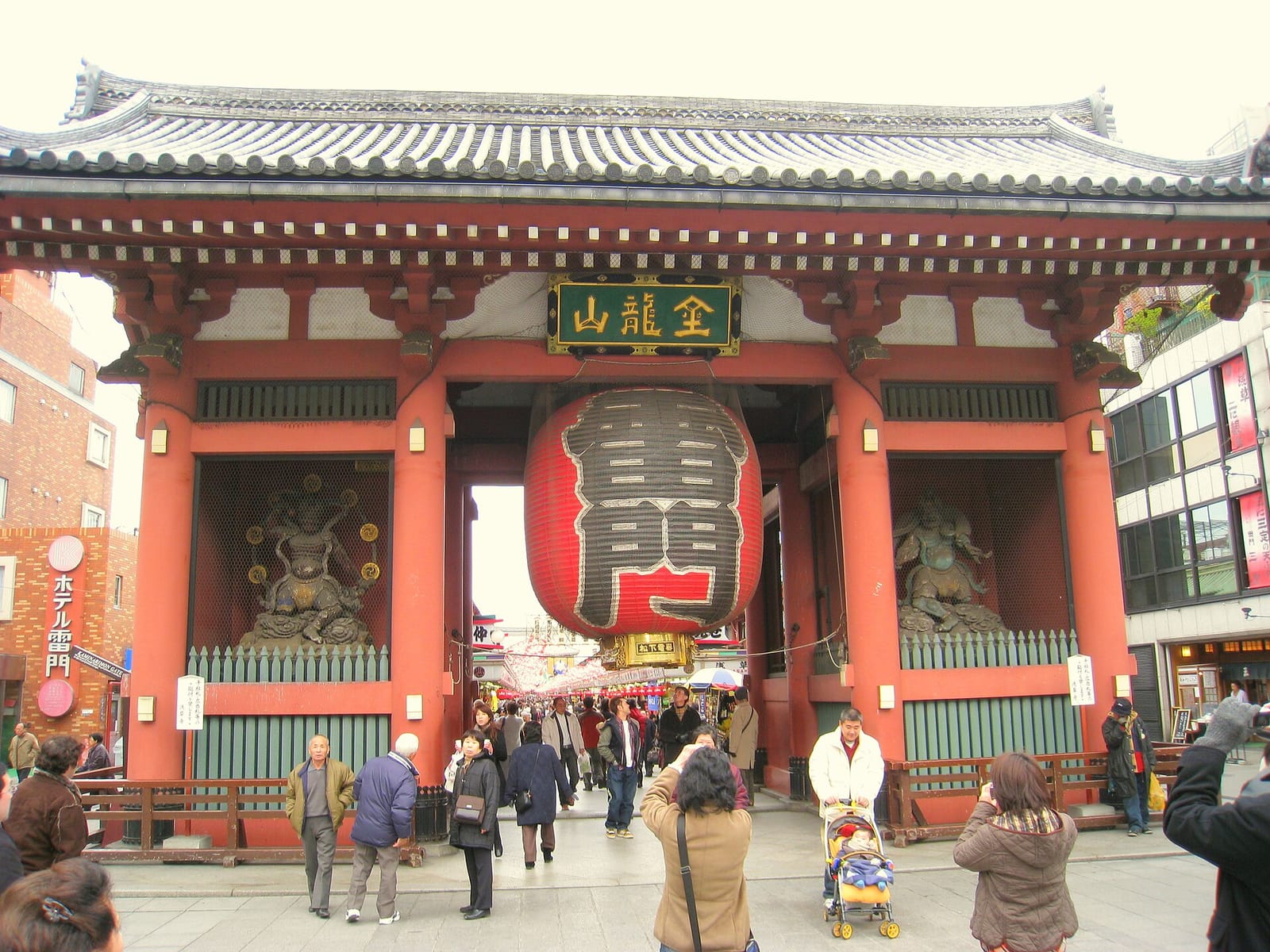
Walk. Senso-ji says the temple is 5 minutes on foot from Asakusa Station, whether you arrive on the Ginza Line, the Toei Asakusa Line, the Tobu Skytree Line or the Tsukuba Express. If you arrive on the Toei Asakusa Line, use Exit A4. If you would rather stay the night, our guide to Asakusa hotels with a Skytree view lists hotels near these exits.
Plan your departure from Shinjuku around the main hall’s hours. Senso-ji says the hall is open from 6:00 a.m. to 5:00 p.m., and from October to March it opens at 6:30 a.m.
| If you want to | Leave Shinjuku |
|---|---|
| Be there when the main hall opens | About 40 minutes before opening (6:30 a.m. from October to March) |
| Visit the main hall in the afternoon | By about 4:00 p.m., to arrive before 5:00 p.m. with time inside |
These times add GO TOKYO’s 35-minute journey to the temple’s 5-minute walk, with a few minutes spare for the change at Kanda. Check the first train times on JR East’s timetable if you plan the early start.
What time is the last train back to Shinjuku?
Check on the day and plan to head back well before midnight. The return trip needs two last trains, one on the Ginza Line and one on the JR Chuo Line, and you have to catch both. For the outbound direction, JR East’s weekday timetable lists the last Tokyo-bound Chuo Line (Rapid) train leaving Shinjuku at 0:15. Weekend and holiday timetables are published separately, and JR East notes that its train times apply only on the dates shown in each timetable’s calendar.
Which option should you choose?
For almost everyone, the answer is the same:
| If you | Do this |
|---|---|
| Start at JR Shinjuku Station | Chuo Line (Rapid) to Kanda, then the Ginza Line to Asakusa |
| See the Kaiji on the board | Let it go and take the next Rapid or Special Rapid |
| Carry a big suitcase | Store it in Shinjuku first, or allow extra time at Kanda |
| Want to see inside Senso-ji’s main hall | Arrive before 5:00 p.m. |
| Find the Chuo Line stopped | Use any line that reaches Asakusa Station |
Heading somewhere else from Shinjuku? Our Shinjuku to Shibuya guide covers the short hop south, and our one-day Shinjuku itinerary covers what to see before you head east.
What to pack before you go
Maps, train apps and translation drain a phone by mid-afternoon. Keep it in your carry-on: power banks are not allowed in checked luggage.
Japan still runs on coins: there are six of them, from 1 to 500 yen, and you collect a pocketful fast. A holder with a slot for each coin lets you pay the exact amount at ticket machines, shrines and small shops without digging.
 Shinjuku Hotels With Big Rooms for Families: 6 Picks by Group Size
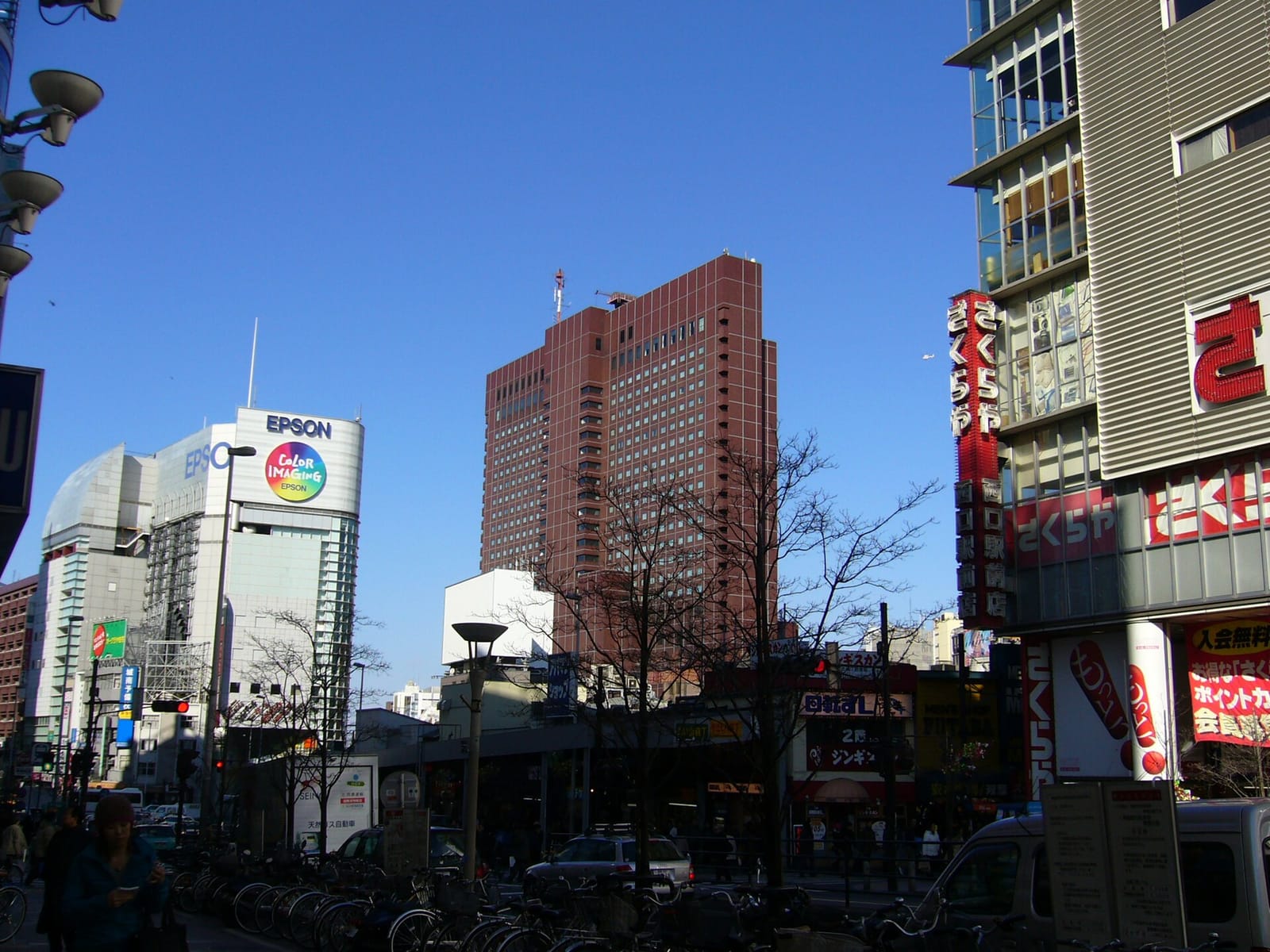 Shinjuku Hotels Connected to the Station: What 'Direct' Means
FAQ
Is there a direct train from Shinjuku to Asakusa?
No. You need to change trains. The quickest route, given by GO TOKYO, is the JR Chuo Line to Kanda and then the Tokyo Metro Ginza Line to Asakusa, about 35 minutes in total.
How long does it take from Shinjuku to Asakusa by train?
About 35 minutes, according to GO TOKYO. Tobu Railway breaks it down as about 12 minutes on the JR Chuo Line to Kanda and about 17 minutes on the Ginza Line to Asakusa, plus the time to change trains.
Can I use Suica from Shinjuku to Asakusa?
Yes. An IC card such as Suica or PASMO works on both JR and the Tokyo Metro Ginza Line. You tap out of JR at Kanda, tap in at the Ginza Line gate, and each company's fare is taken from your card.
Does the Chuo Special Rapid stop at Kanda?
Yes. JR East's stop list for a weekday Chuo Special Rapid shows it leaving Shinjuku at 10:03 and stopping at Yotsuya, Ochanomizu and Kanda, where it arrives at 10:14.
How do I get from Asakusa Station to Senso-ji?
Walk. Senso-ji says the temple is 5 minutes on foot from Asakusa Station on the Ginza Line, Toei Asakusa Line, Tobu Skytree Line and Tsukuba Express. From the Toei Asakusa Line, use Exit A4.
Sources
- GO TOKYO — Asakusa (access from Shinjuku and Tokyo stations)
- Tobu Railway — Access to Asakusa
- JR East — Shinjuku Station timetables
- JR East — Shinjuku, Chuo Line (Rapid) for Tokyo (weekdays)
- JR East — Chuo Special Rapid train stops (Shinjuku to Kanda)
- Senso-ji — Access (Japanese)
- Senso-ji — About the temple, opening hours (Japanese)
This article contains affiliate links. We may earn a commission at no extra cost to you.