One Day in Shinjuku Itinerary: Clear-Day and Rainy-Day Plans
Two timed Shinjuku day plans from 9:00 to 22:00, one for clear weather and one for rain, with winter garden hours, observatory closure dates and costs in yen.
The most common mistake with a day in Shinjuku is saving the garden for the afternoon. From October 1 to March 14, Shinjuku Gyoen stops letting people in at 16:00 and closes at 16:30, and it is shut on Mondays. Visitors who start with shopping and drift over after lunch often arrive to a closed gate, or get barely an hour inside. The fix is simple: do the things with early closing times first, and leave the places that stay open late for the evening. This guide gives you two timed plans built on that rule, one for a clear day and one for rain, with the November and December hours that matter.
How should you plan one day in Shinjuku?
Plan by closing time, not by map. Shinjuku Gyoen (last entry 16:00 in winter) goes first, the free Tokyo Metropolitan Government observatory (last entry 21:30 on the South deck) goes in late afternoon, and the bar alleys, which are evening businesses, go last.
Before you fix a date, check three things:
- Is it a Monday? Shinjuku Gyoen is closed on Mondays (or the next weekday if Monday is a public holiday). The SOMPO Museum of Art is also closed on Mondays. On a Monday, start on the west side instead.
- Which observatory deck is open? The Tokyo Metropolitan Government Building has two free decks on the 45th floor, and each closes on set days. The table below lists the dates.
- What is the forecast? Use the clear-day plan if the morning is dry. Switch to the rainy-day plan if it is wet before noon.
Here are the observatory days to watch in late 2026, from the Tokyo Metropolitan Government’s operation calendar. On normal days the South deck is open 9:30–22:00 and the North deck 9:30–17:30, with last entry 30 minutes before closing.
| Date (2026) | South deck | North deck |
|---|---|---|
| Tue, Nov 24 | 9:30–22:00 | Closed |
| Tue, Dec 1 | Closed | 9:30–22:00 |
| Mon, Dec 14 | 9:30–22:00 | Closed |
| Tue, Dec 15 | Closed | 9:30–22:00 |
| Mon, Dec 28 | 9:30–22:00 | Closed |
| Dec 29–31 | Closed | Closed |
When the South deck is closed, the North deck stays open until 22:00 instead, so you can still go up in the evening. The city warns that it can change hours at short notice in bad weather. For more on the two decks, see our Tokyo Metropolitan Government Building observatory guide. To see more of the towers around it on foot, follow our Nishi-Shinjuku skyscraper walking route.
What does a clear day in Shinjuku look like, hour by hour?
On a dry day, spend the morning outdoors in the garden, cross to the east side for lunch and the shrine, then go west for the view and back east for the night.
| Time | Stop | Cost (as of November 2026) |
|---|---|---|
| 9:00 | Shinjuku Gyoen, enter at the Shinjuku Gate | ¥500 adults |
| 11:45 | Lunch: Isetan Shinjuku food hall (B1) or 7F restaurants | Food only |
| 13:15 | Hanazono Shrine | — |
| 14:00 | Walk or ride west, free time around the West Exit | — |
| 15:30 | Tokyo Metropolitan Government observatory, 45th floor | Free |
| 17:30 | TOKYO Night & Light projection on the building | Free |
| 18:15 | Dinner at Omoide Yokocho | Food only |
| 19:45 | Kabukicho and the Godzilla Head | Free to look |
| 20:30 | Golden Gai until about 22:00 | Bar charges vary |
That is ¥500 in admission fees for the whole day, plus whatever you eat and drink. The times are a planning guide; adjust them to the queues on the day.
Why this order? The garden takes two to three hours and closes first. Hanazono Shrine is next door to the Isetan side of Shinjuku-sanchome, so it slots in after lunch. Going up the observatory in late afternoon gives you the city in daylight and after dark in one visit. Omoide Yokocho sits by the West Exit, on your way back across the tracks, and Kabukicho and Golden Gai are the latest places in the day.
What does a rainy day in Shinjuku look like?
On a wet day, start high and indoors on the west side, use the underground passages to cross to the east, and keep the garden to its greenhouse.
| Time | Stop | Cost (as of November 2026) |
|---|---|---|
| 9:30 | Tokyo Metropolitan Government observatory (direct from Tochomae Station) | Free |
| 10:30 | SOMPO Museum of Art, Van Gogh’s Sunflowers | ¥2,000 adults 26+; ¥1,200 ages 18–25 |
| 12:15 | Lunch at Isetan Shinjuku (direct from Shinjuku-sanchome Station) | Food only |
| 14:00 | Shinjuku Gyoen greenhouse (last entry 15:30) | ¥500 garden admission |
| 15:45 | Hanazono Shrine (Exit E2, Shinjuku-sanchome) | — |
| 16:30 | Thermae-yu hot spring, Kabukicho | Check the official site |
| 18:30 | Dinner at Omoide Yokocho | Food only |
| 20:00 | Golden Gai until about 22:00 | Bar charges vary |
Admissions come to ¥2,500 for an adult 26 or over, before food, drinks and the bathhouse.
Two notes for the rainy plan. First, the SOMPO Museum of Art’s schedule lists no exhibition between December 14, 2026 and January 8, 2027, and it says it closes “periodically during changes of exhibits”, so check the museum before you go in that period. If it is closed, spend longer at Isetan or go straight to the greenhouse. Second, the observatory view on a rainy morning can be grey. Go anyway if the clouds are high, or move it to the evening when the lights are on. On a Monday, when both the garden and the museum are closed, double the observatory and Isetan time and go to Thermae-yu earlier.
Which stops are on the route?
Here are the stops in clear-day order, followed by the two rainy-day extras. Tick “Add to my route” on the ones you want, and the box at the end of the page opens them in order in Google Maps.
Shinjuku Gyoen National Garden
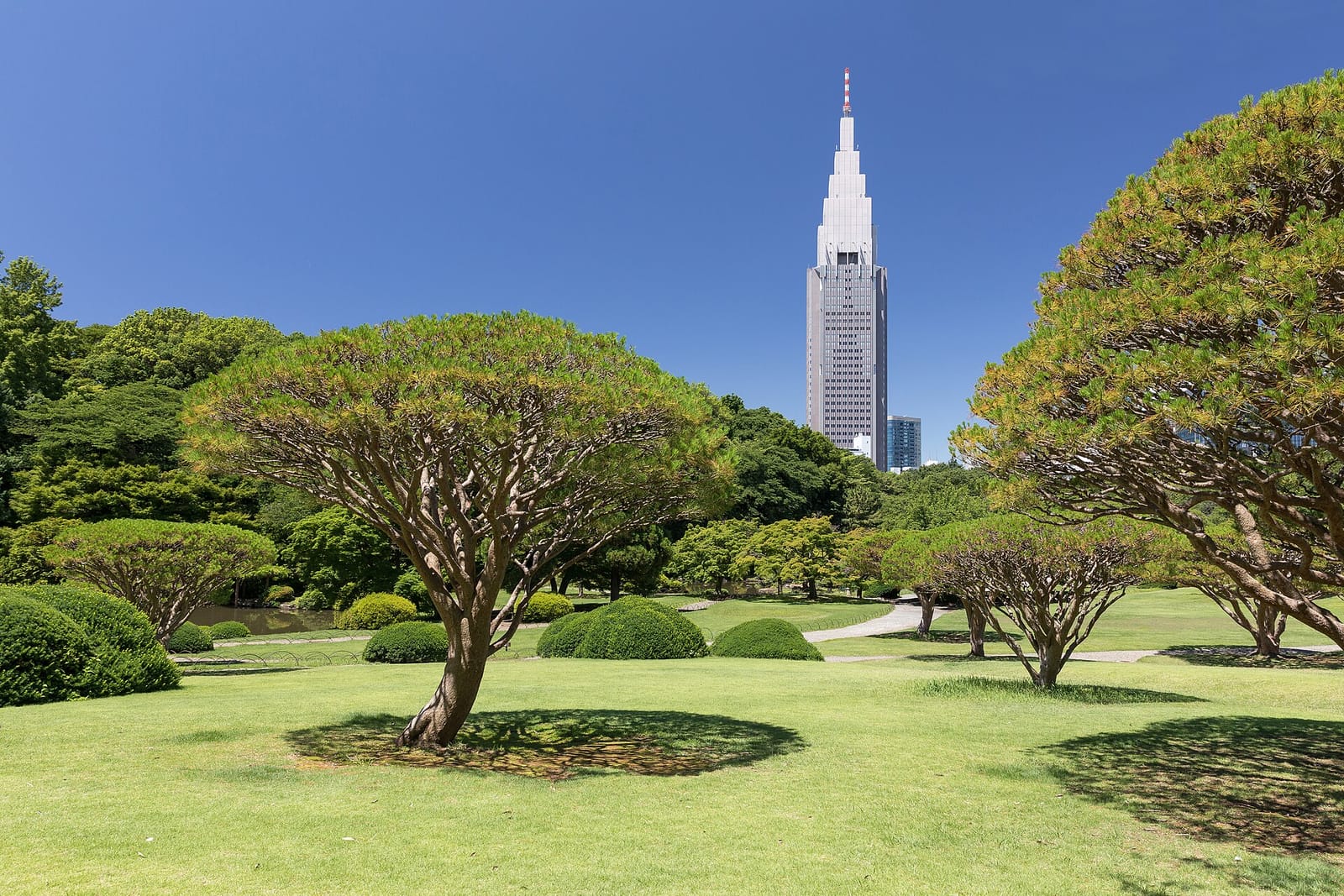
Be at the Shinjuku Gate when it opens at 9:00. Two and a half hours is enough for a loop through the landscape lawn, the formal garden with its plane-tree rows, and the Japanese garden around the pond. If you want coffee inside, the garden’s Starbucks opens at 9:00 and takes last orders at 15:30 in winter. Our Shinjuku Gyoen tips give a gate-to-gate walking route and the garden’s rules.
- Hours
- 9:00–16:30, last entry 16:00 (Oct 1–Mar 14); closed Mondays and Dec 29–Jan 3 (as of November 2026)
- Price
- Adults ¥500; students 16 and over ¥250; 15 and under free (as of November 2026)
- Access
- Shinjuku Gate: 10 min walk from Shinjuku Station South Exit; 5 min from Shinjuku-sanchome Station
- Source
- policies.env.go.jp
Isetan Shinjuku
The food hall is on B1, and the restaurant floor is on 7F. On a rainy day the direct connection from Shinjuku-sanchome Station means you can arrive without an umbrella. The B1 floor also has a counter for local and overseas shipping, which is handy if you bought more than you can carry.
- Hours
- Store 10:00–20:00; 7F restaurants 11:00–22:00, hours vary by restaurant (as of November 2026)
- Access
- Exits B3, B4 and B5 of Shinjuku-sanchome Station connect directly to B1; 5 min walk from JR Shinjuku Station
- Source
- cp.mistore.jp
Hanazono Shrine
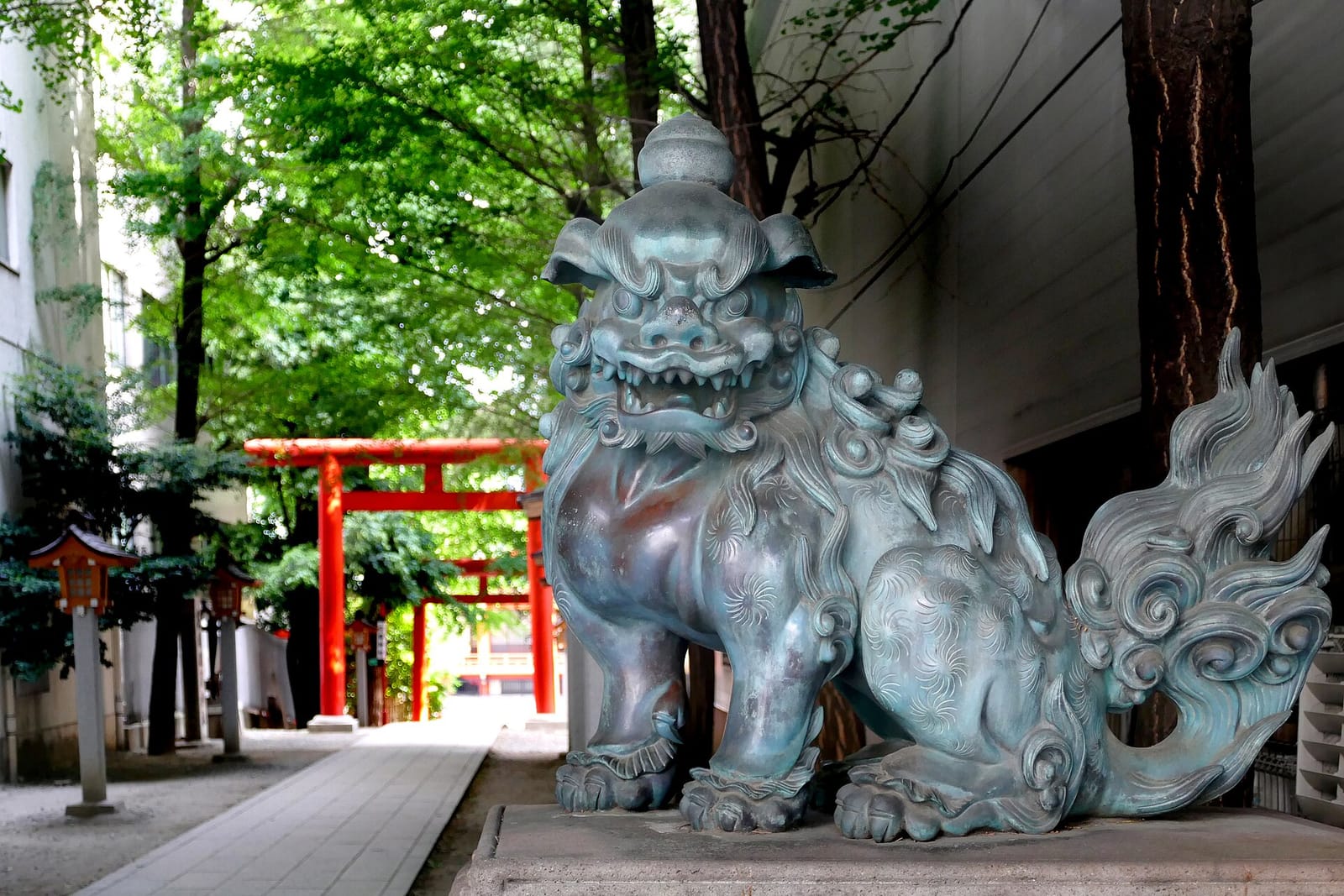
The shrine sits right outside Exit E2 of Shinjuku-sanchome Station, between the department stores and Golden Gai. Twenty to thirty minutes is enough to walk through the gate, pay your respects at the main hall and look at the smaller shrines in the grounds. It is a quiet break between lunch and the walk west.
- Access
- 0 min from Exit E2, Shinjuku-sanchome Station; 7 min walk from the East Exit of Shinjuku Station
- Source
- hanazono-jinja.or.jp
Tokyo Metropolitan Government Building Observatory
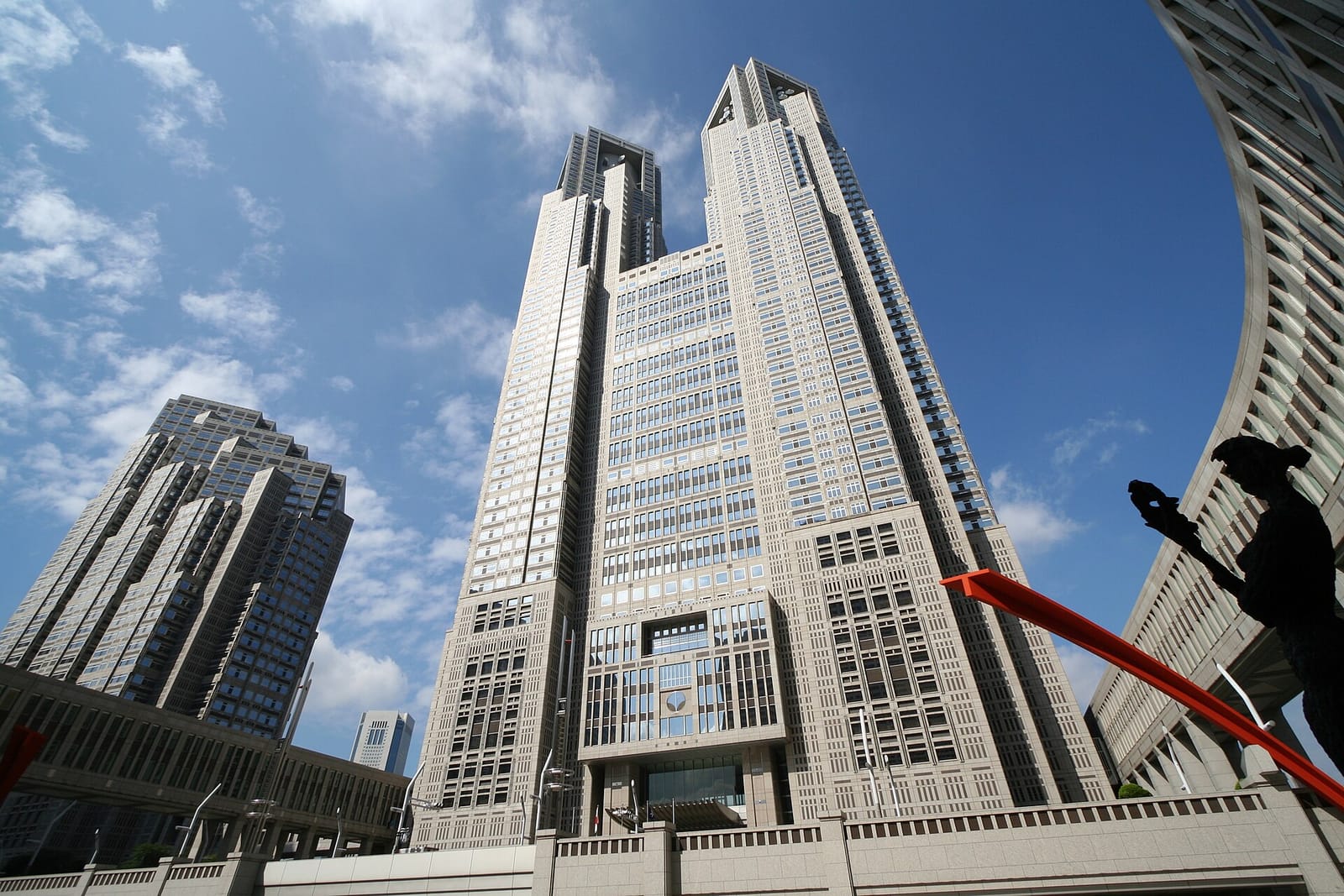
Both decks are on the 45th floor, 202 meters up, and you reach them by the dedicated observatory elevator from the 1st floor of the No. 1 Building. After dark, the building’s facade becomes the screen for TOKYO Night & Light, a free projection show that GO TOKYO says runs several times each evening from after sunset until 21:45. Watch it from the plaza in front of the building.
- Hours
- South deck 9:30–22:00, North deck 9:30–17:30; last entry 30 min before closing; see the closure dates above (as of November 2026)
- Price
- Free
- Access
- Directly connected to Tochomae Station (Toei Oedo Line); about 10 min walk from the West Exit of JR Shinjuku Station
- Source
- www.zaimu.metro.tokyo.lg.jp
Omoide Yokocho
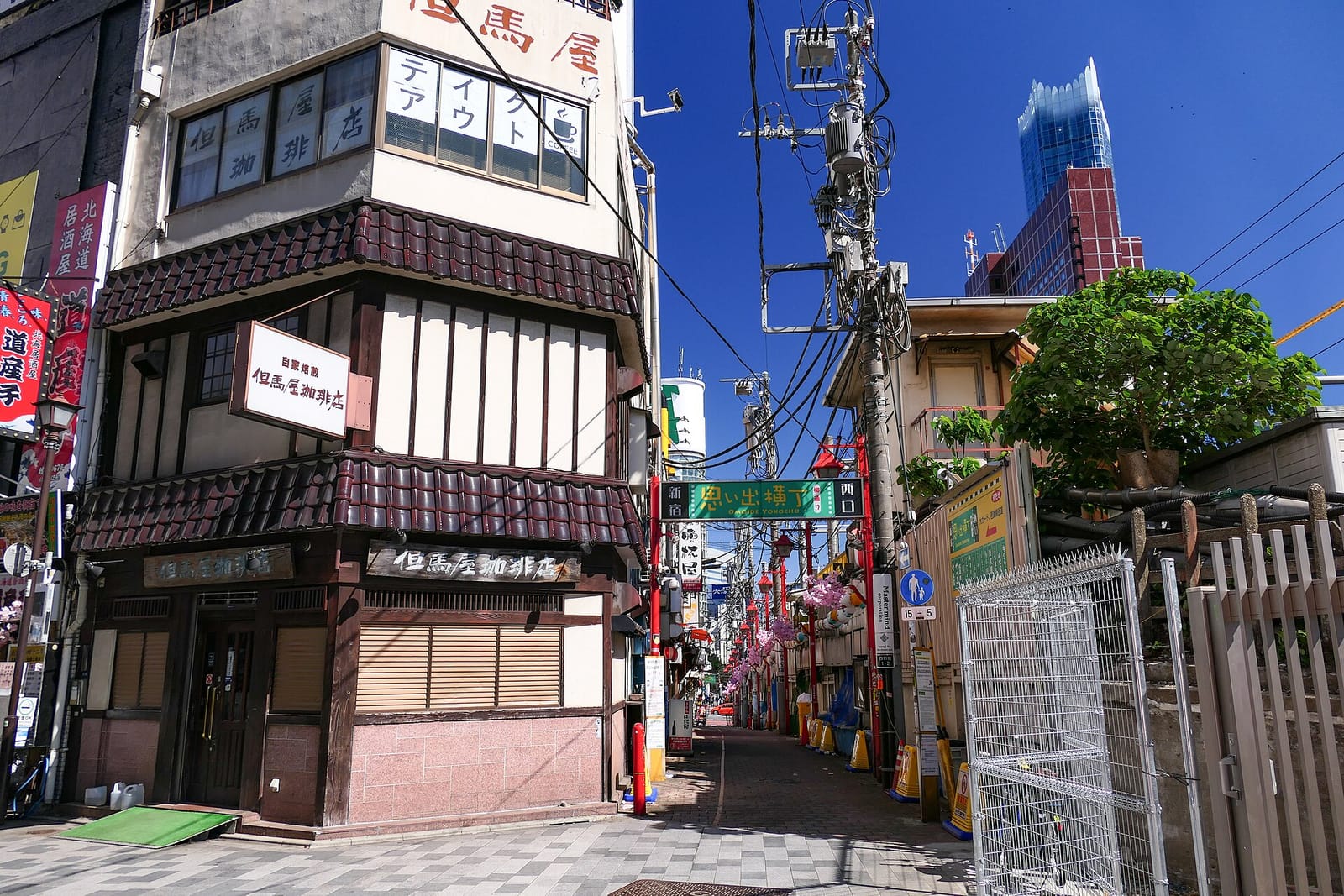
The official site traces these alleys back to a street-vendor market that grew up on burned-out land just after the war. Today about 80 businesses, around 60 of them places to eat and drink, are packed into the lanes. Most are small counters. The site warns that each shop’s opening days, hours and menus can change without notice, so pick a place with a free seat rather than a fixed name.
- Access
- At the West Exit of Shinjuku Station
- Source
- shinjuku-omoide.com
Godzilla Head, Kabukicho
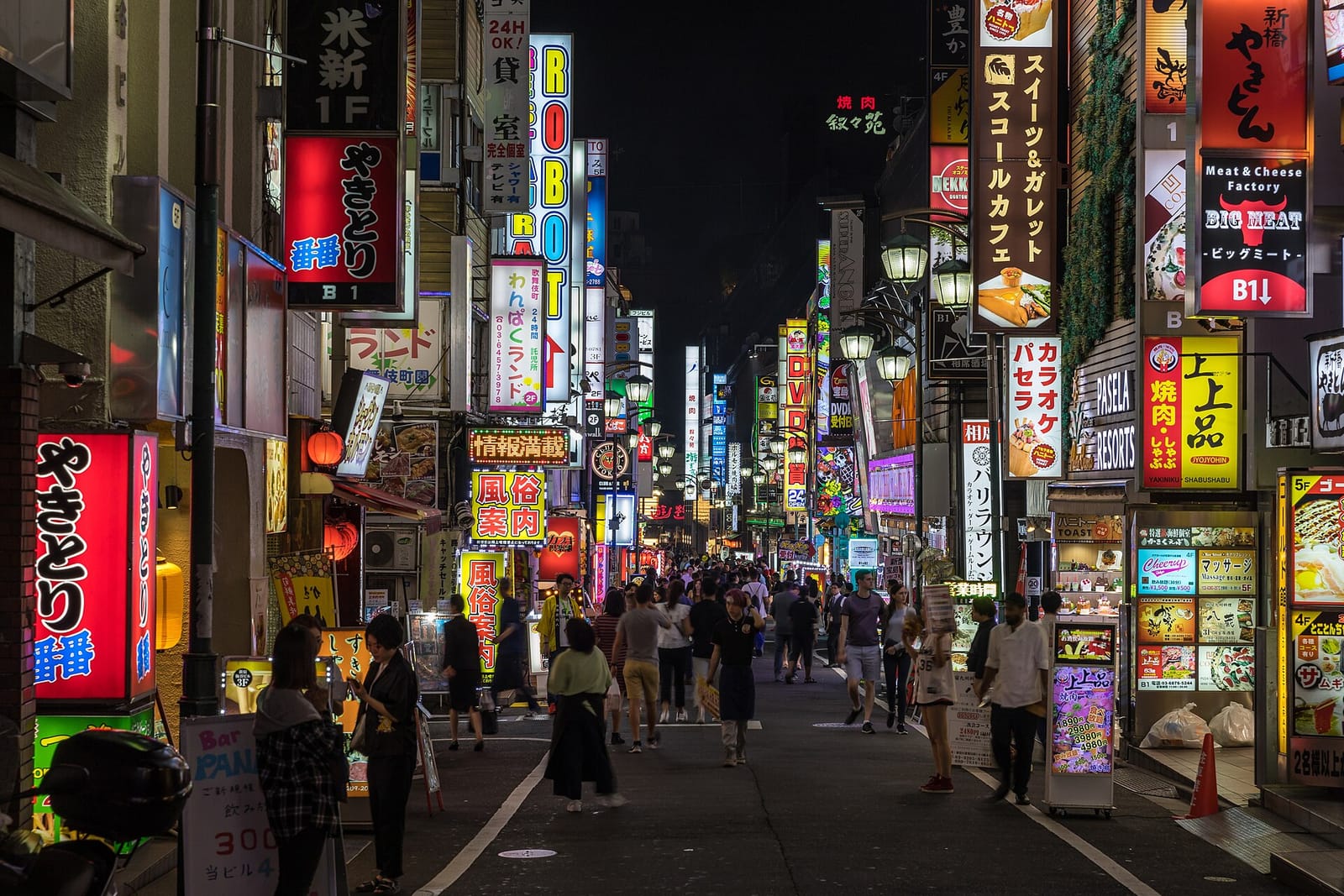
The head sits on the 8th-floor terrace of the Shinjuku Toho Building, which opened in 2015 on the site of the former Shinjuku Koma Theater. Look up at it from the street, then keep walking: Kabukicho is busy and well lit at night. Ignore anyone on the street who offers to take you to a bar.
- Price
- Free to view from the street
- Access
- About 5 min walk from JR Shinjuku Station; about 3 min from Seibu-Shinjuku Station
- Source
- www.gotokyo.org
Shinjuku Golden Gai
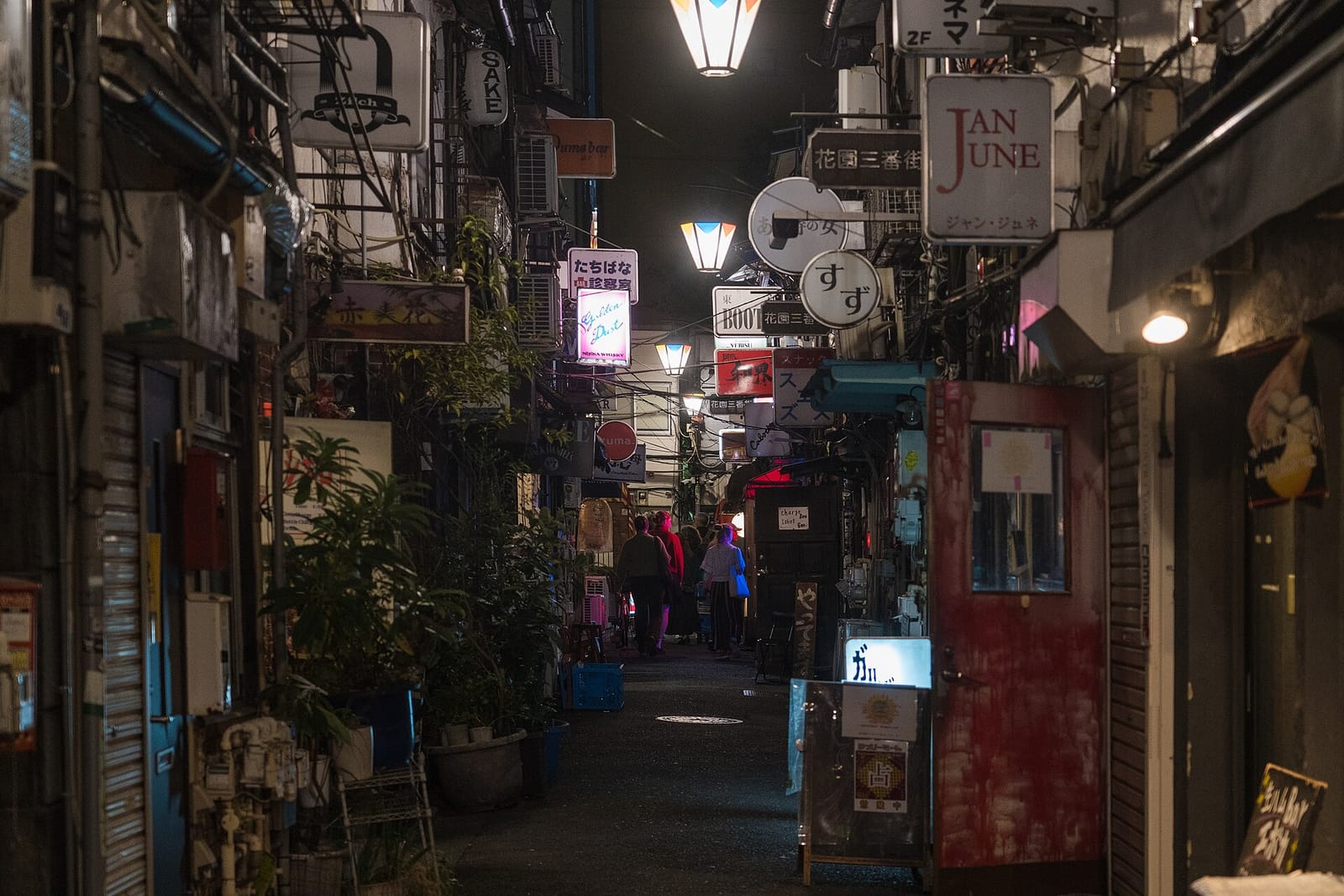
A grid of narrow lanes lined with very small bars, many with only a handful of seats. Each bar sets its own hours and its own charges, and many post them at the door, so read the sign before you go in. Some bars welcome first-time visitors and say so; others are aimed at regulars. Keep your voice down in the lanes, because people live and work close by.
SOMPO Museum of Art (rainy day)
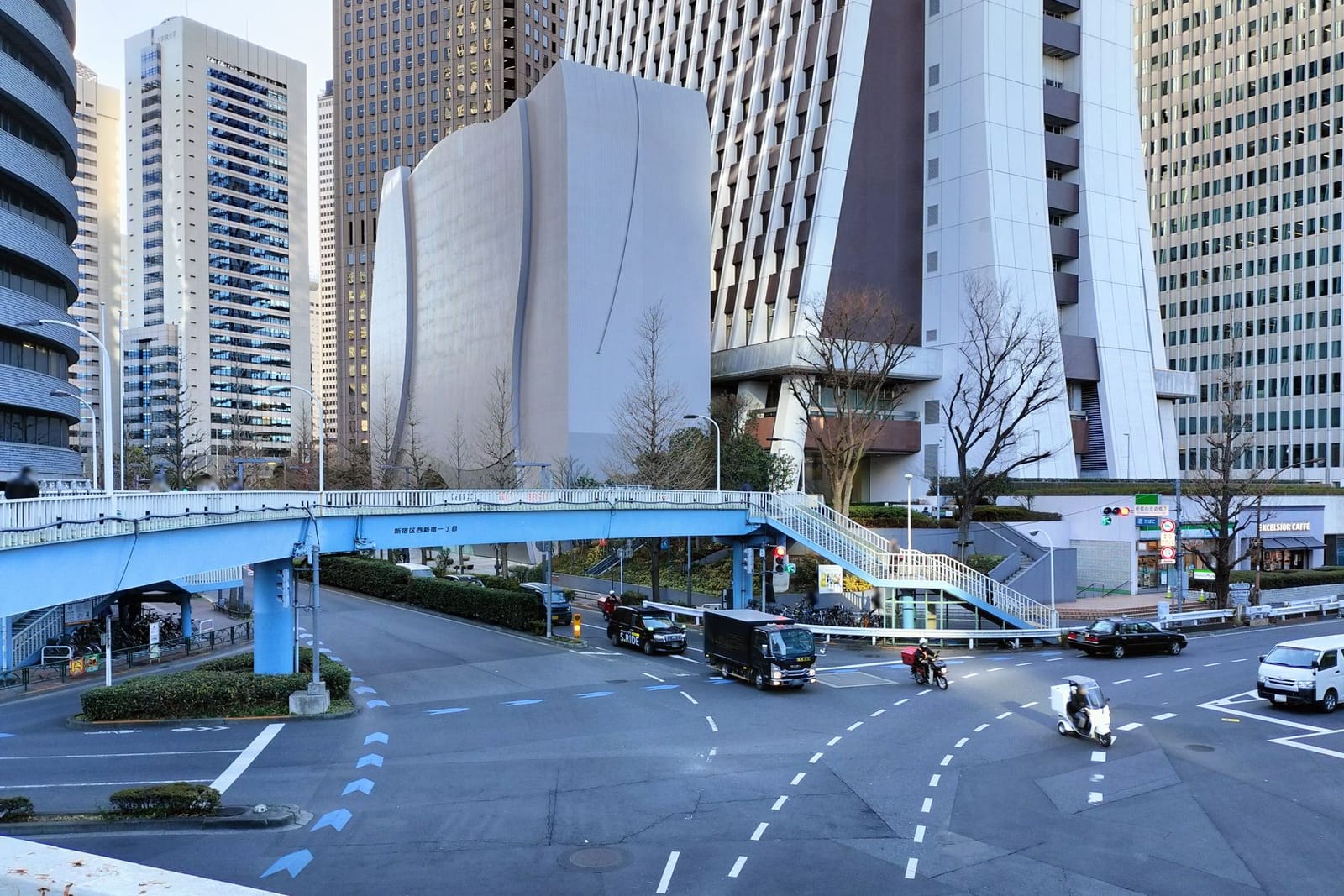
The museum has owned Van Gogh’s Sunflowers since 1987 and shows it as a permanent exhibit. Until December 13, 2026 its special exhibition is a retrospective of the French painter Albert Marquet; the next one, on Togo Seiji, starts on January 9, 2027. It is a 5-minute walk from the West Exit, so it pairs well with the observatory in the morning.
- Hours
- 10:00–18:00, Fridays to 20:00, last entry 30 min before closing; closed Mondays and Nov 24 (as of November 2026)
- Price
- Adults 26+ ¥2,000; ages 18–25 ¥1,200; 17 and under free (as of November 2026)
- Access
- 5 min walk from the West Exit of JR Shinjuku Station
- Source
- www.sompo-museum.org
Thermae-yu Shinjuku (rainy day)
A large bathhouse with natural hot spring baths, a good place to warm up after a cold, wet afternoon before dinner. Admission depends on the day and time, and the house rules have changed over the years, so check the official site for the current fee and policies before you go.
- Hours
- Open 24 hours, every day (as of November 2026)
- Access
- About 2 min walk from Exit E1, Shinjuku-sanchome Station; about 9 min from the East Exit of JR Shinjuku Station
- Source
- www.thermae-yu.jp
How do you get between the stops?
Walk, and use Shinjuku-sanchome Station as your east-side hub. Most of the route is on foot: the garden, Isetan, Hanazono Shrine, Kabukicho and Golden Gai are all on the east side, close together. The only longer leg is the walk to the observatory, about 10 minutes from the West Exit. If you would rather ride, the Toei Oedo Line’s Tochomae Station connects directly to the building.
The station itself is the hard part. Our Shinjuku Station exits guide explains which exit leads where, and if you are checking out of a hotel on the day, our Shinjuku luggage storage guide lists the lockers near each exit.
How can you change the plan?
Cut, do not rush. If you only have half a day, keep the garden and the observatory, which our free things to do in Shinjuku guide pairs with other no-cost stops. If you arrive in the afternoon, skip the garden and start at the observatory, then follow our Shinjuku night route from sunset.
If you have a second day, our two-day Shinjuku itinerary adds a route through Kagurazaka, Waseda and Shin-Okubo.
If you visit in early November next year, check the garden’s Chrysanthemum Exhibition dates (November 1 to 15): the garden opens every day during the show, Mondays included.
What to pack before you go
Maps, train apps and translation drain a phone by mid-afternoon. Keep it in your carry-on: power banks are not allowed in checked luggage.
Japan still runs on coins: there are six of them, from 1 to 500 yen, and you collect a pocketful fast. A holder with a slot for each coin lets you pay the exact amount at ticket machines, shrines and small shops without digging.
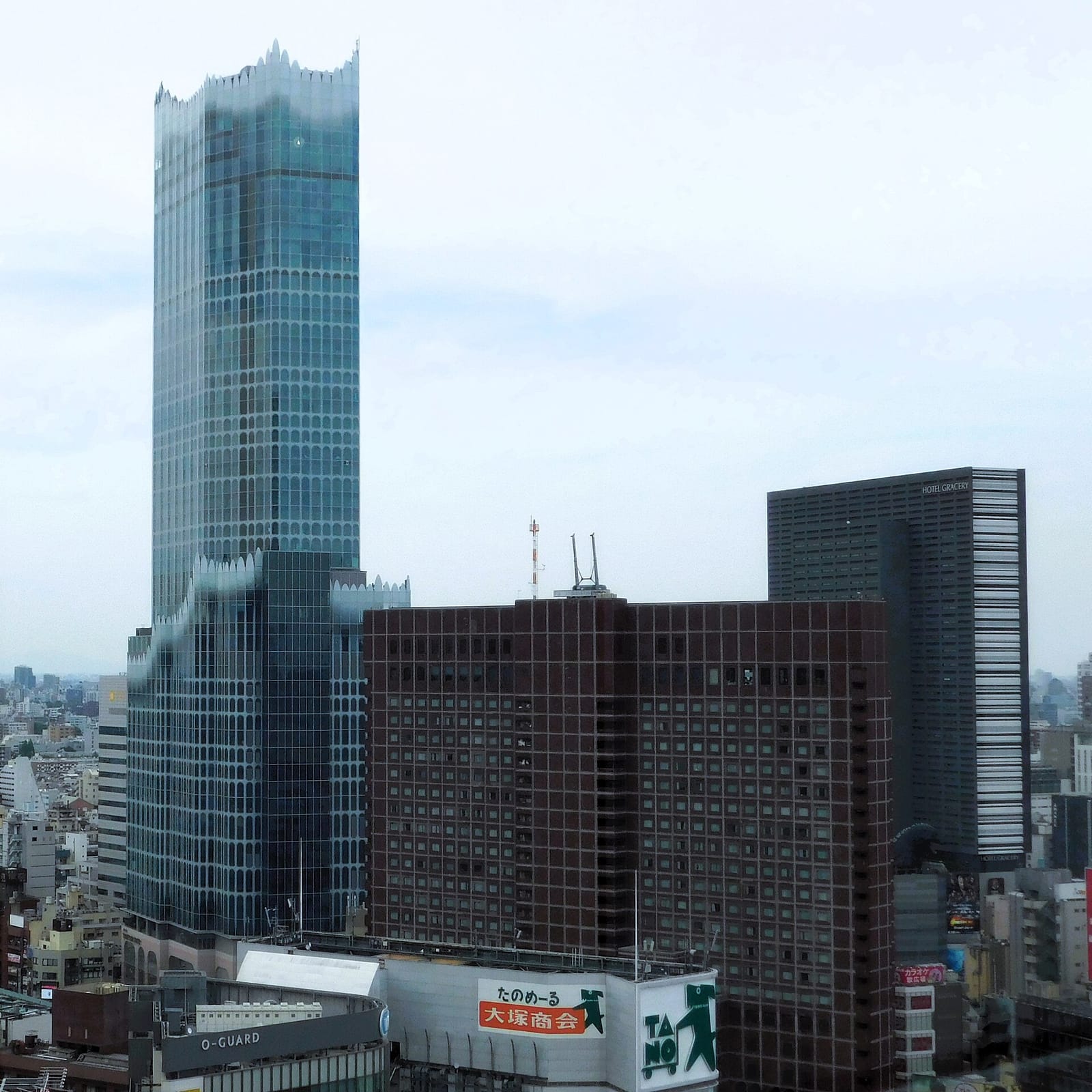 Shinjuku Hotels With Big Rooms for Families: 6 Picks by Group Size
 Shinjuku Hotels Connected to the Station: What 'Direct' Means
FAQ
Is one day enough for Shinjuku?
One day is enough for the main sights if you follow the clock: the garden in the morning, the east side at midday, the free observatory in late afternoon and the bar alleys at night. You will not have time for long shopping trips as well, so pick one department store at most.
How much does a day in Shinjuku cost?
Entry fees are low. As of November 2026, Shinjuku Gyoen costs ¥500 for adults and the Tokyo Metropolitan Government observatory is free, so the clear-day plan costs ¥500 in admissions plus food and drinks. The rainy-day plan adds the SOMPO Museum of Art at ¥2,000 for adults 26 and over.
What should you not miss in Shinjuku in one day?
Shinjuku Gyoen for the morning, the 45th-floor observatory of the Tokyo Metropolitan Government Building for the view, and Omoide Yokocho and Golden Gai for the evening. Hanazono Shrine is a short, easy stop on the east side between them.
What can you do in Shinjuku when it rains?
Go up to the free observatory of the Tokyo Metropolitan Government Building, which you reach directly from Tochomae Station on the Toei Oedo Line, then see Van Gogh's Sunflowers at the SOMPO Museum of Art. Shinjuku Isetan connects underground to Shinjuku-sanchome Station, and the greenhouse inside Shinjuku Gyoen gives you plants and warmth out of the rain.
Is Shinjuku Gyoen open on Mondays?
No. The garden is closed on Mondays, or on the next weekday if Monday is a public holiday, and from December 29 to January 3. It opens every day during the Chrysanthemum Exhibition (November 1 to 15) and the cherry blossom season (March 25 to April 24).
Sources
- Shinjuku Gyoen National Garden — Admission (hours, closed days, fees)
- Shinjuku Gyoen National Garden — Access
- Shinjuku Gyoen National Garden — Facility Guide (greenhouse, cafes)
- Tokyo Metropolitan Government — Observatory visitor guide (Japanese)
- Tokyo Metropolitan Government — Observatory operation calendar (PDF)
- Tokyo Metropolitan Government — Facilities and access (Japanese)
- GO TOKYO — Tokyo Metropolitan Government No.1 Building
- Hanazono Shrine (official site, Japanese) — Access
- ISETAN MITSUKOSHI — Isetan Shinjuku store information
- Shinjuku Omoide Yokocho (official site)
- GO TOKYO — GODZILLA HEAD
- SOMPO Museum of Art — Visit (hours, admission, access)
- SOMPO Museum of Art — Exhibition schedule
- Thermae-yu Shinjuku (official site, Japanese)
This article contains affiliate links. We may earn a commission at no extra cost to you.