Tokyo Food Itinerary for 2 Days: Markets, Depachika and Yokocho
A timed two-day Tokyo food plan from Tokyo Station: Tsukiji and Toyosu market breakfasts, depachika lunches, Ameyoko and Omoide Yokocho dinners.
Getting around for two full days of eating in Tokyo can cost ¥1,500: that is the adult price of the 48-hour Tokyo Subway Ticket, which covers every Tokyo Metro and Toei Subway line, according to GO TOKYO (as of November 2026). Entry to the two fish markets in this plan is free, so almost everything else you spend goes on food. This plan is for first-time visitors staying near Tokyo Station who want two days built around meals rather than sights. Each day has a market breakfast, a department-store food hall lunch and a dinner in a drinking alley, in six different districts.
Which ticket should you buy for a two-day food trip?
Buy the 48-hour Tokyo Subway Ticket if you follow the whole plan; use a Suica or PASMO card if you cut stops. The route has eight subway rides plus two short JR rides and a Yurikamome ride to Toyosu Market, which the subway ticket does not cover.
Here is the arithmetic, with fares as of November 2026:
| 48-hour Tokyo Subway Ticket | Suica or PASMO | |
|---|---|---|
| Price | ¥1,500 adults, ¥750 children | Pay per ride; ¥500 refundable deposit |
| Covers | All Tokyo Metro and Toei Subway lines | Subway, JR, Yurikamome and most other lines |
| This plan | 8 subway rides covered | 8 subway rides at ¥180 or more each |
| Not covered | JR Yamanote Line, Yurikamome | — |
Tokyo Metro fares start at ¥180 and Toei fares at ¥180, according to GO TOKYO. Eight rides at the minimum would be ¥1,440, and Tokyo Metro fares rise to ¥330 on longer rides, so the ticket comes out slightly ahead. Two things decide it for most people:
- The 48 hours start at first use. If your first ride is at 8:40 on day 1, the paper ticket runs until 8:40 on day 3, before the expiry date printed on the back. GO TOKYO notes one exception: when the ticket is loaded onto a PASMO card, the time runs from purchase.
- You still need a Suica or PASMO. The JR rides between Tokyo Station and Ueno and the Yurikamome to Toyosu Market are separate fares, so carry an IC card as well. Our Suica guide explains how to get one.
If you are deciding between the 48-hour and 72-hour versions for a longer stay, our Tokyo Subway Ticket guide has the break-even counts for each.
Which days should you choose?
Make day 2 a Monday to Saturday that is not a Toyosu Market closed day. Toyosu is closed on Sundays, public holidays and other days set on the market calendar, and visitors cannot enter when it is closed. Tsukiji Outer Market follows the same wholesale market calendar, though its official site asks you to check each shop’s own schedule. Kappabashi on day 1 is also quieter on Sundays: the street’s association says about 30% of stores open on Sundays, while most open on Saturdays.
The two depachika (department-store food halls) are the safe part of the plan. Daimaru Tokyo is open every day except January 1 and 2.
What does day 1 look like?
Day 1 goes east and north from Tokyo Station: Tsukiji for breakfast, Daimaru for lunch, the kitchenware street of Kappabashi in the afternoon and Ameyoko in Ueno for dinner. Times on the subway are approximate and do not include waiting.
| Time | Where | Transport | Ride time and fare (as of November 2026) |
|---|---|---|---|
| 8:40 | Leave Tokyo Station | Marunouchi Line to Ginza, Hibiya Line to Tsukiji | About 15 min; subway ticket |
| 9:00 | Tsukiji Outer Market breakfast | 1 min walk from Tsukiji Station | — |
| 10:45 | Back to Tokyo Station | Hibiya Line to Ginza, Marunouchi Line to Tokyo | About 15 min; subway ticket |
| 11:15 | Daimaru Tokyo food floors (B1F and 1F) | Next to the Yaesu North gate | — |
| 13:00 | Ride to Ueno | JR Yamanote Line, Tokyo to Ueno | About 10 min; Suica fare |
| 13:20 | Ride to Tawaramachi | Ginza Line, Ueno to Tawaramachi | About 5 min; subway ticket |
| 13:30 | Kappabashi Dougu Street | 5 min walk from Tawaramachi Station | — |
| 15:45 | Back to Ueno | Ginza Line, Tawaramachi to Ueno | About 5 min; subway ticket |
| 16:00 | Ameyoko snacks, then dinner | Next to JR Ueno Station, Shinobazu Exit | — |
| 19:30 | Back to Tokyo Station | JR Yamanote Line, Ueno to Tokyo | About 10 min; Suica fare |
Starting at 9:00 is deliberate. Tsukiji’s official manners guide asks visitors to give priority to professional buyers until 9:00, and lists 9:00 to 14:00 as the hours for general shoppers.
What does day 2 look like?
Day 2 goes south and then west: Toyosu Market for breakfast, Ginza Mitsukoshi for lunch and Omoide Yokocho in Shinjuku for dinner. It starts earlier because the tuna auctions at Toyosu happen early in the morning.
| Time | Where | Transport | Ride time and fare (as of November 2026) |
|---|---|---|---|
| 7:00 | Leave Tokyo Station | Marunouchi Line to Ginza, walk to Ginza-itchome, Yurakucho Line to Toyosu | About 20 min; subway ticket |
| 7:25 | Change at Toyosu | Yurikamome, Toyosu to Shijo-mae | A few minutes; Suica fare |
| 7:40 | Toyosu Market: auction walkway, then breakfast | 3 min walk from Shijo-mae Station | — |
| 10:45 | Back to Ginza | Yurikamome to Toyosu, Yurakucho Line to Ginza-itchome | About 20 min; Suica fare, then subway ticket |
| 11:15 | Ginza Mitsukoshi food floors (B2F and B3F) | 5 min walk from Ginza Station | — |
| 13:00 | Free afternoon in Ginza, or rest at the hotel | On foot | — |
| 16:30 | Ride to Shinjuku | Marunouchi Line, Ginza to Shinjuku, no change | About 20 min; subway ticket |
| 17:00 | Omoide Yokocho dinner | 2 min walk from Shinjuku Station | — |
| 20:30 | Back to Tokyo Station | Marunouchi Line, Shinjuku to Tokyo, no change | About 20 min; subway ticket |
GO TOKYO puts the morning rush at about 7:30 to 9:30, so the 7:00 start also gets you onto the subway before the worst crowding.
Which stops are on the route?
Here are the seven food stops in the order you visit them. Tick “Add to my route” on the ones you want, and the box at the end of the page opens them in order in Google Maps.
Day 1
Tsukiji Outer Market
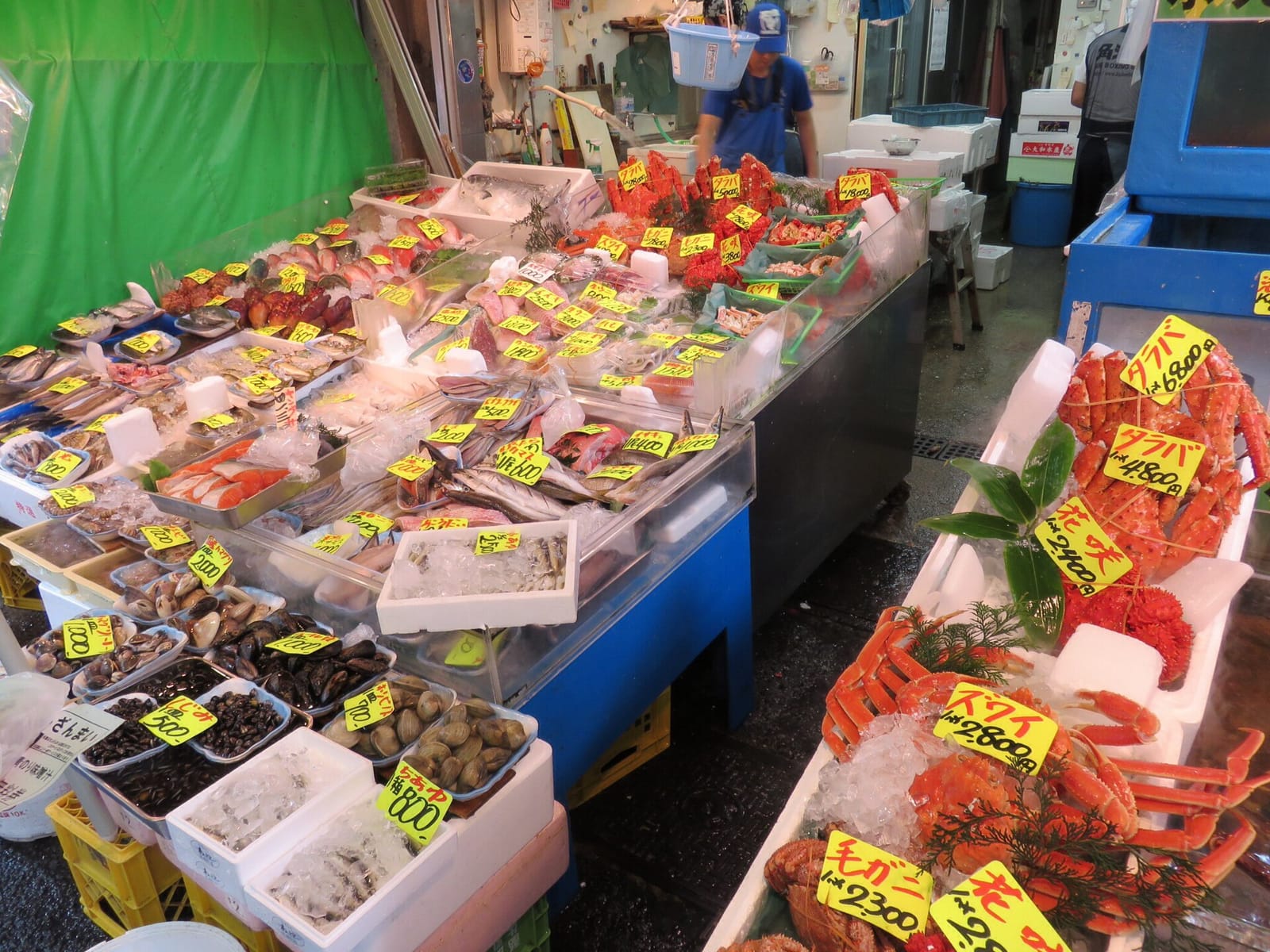
Tsukiji Outer Market is the street of food shops and small restaurants that stayed in Tsukiji after the wholesale market and its fish auctions moved to Toyosu. The official manners guide asks you to eat inside the eatery or in a space set aside for eating rather than while walking, to ask before taking photos, not to touch raw food, and not to bargain. Put a large bag in a coin locker before you go in.
- Hours
- 6:00–9:00 professional buyers; 9:00–14:00 general shoppers; after 14:00 hours vary by shop; closed days follow the wholesale market calendar (as of November 2026)
- Price
- Free to enter
- Access
- Tsukiji Station (Hibiya Line) or Tsukijishijo Station (Toei Oedo Line), 1 min walk; Higashi-ginza Station, 3 min walk
- Source
- www.tsukiji.or.jp
Daimaru Tokyo (B1F and 1F food floors)
Daimaru Tokyo is the department store built into the Yaesu side of Tokyo Station, and its food floors are B1F and 1F. That makes it the easiest depachika lunch in the plan: you walk out of the Yaesu North gate and you are there. If you would rather sit down to eat, the 13th-floor restaurants open at 11:00. Some shops keep their own hours, so check the store’s notices if one counter matters to you.
- Hours
- B1F–11F 10:00–20:00; 13F restaurants 11:00–23:00; open every day except January 1 and 2 (as of November 2026)
- Access
- Right outside the JR Tokyo Station Yaesu North gate
- Source
- www.daimaru.co.jp
Kappabashi Dougu Street
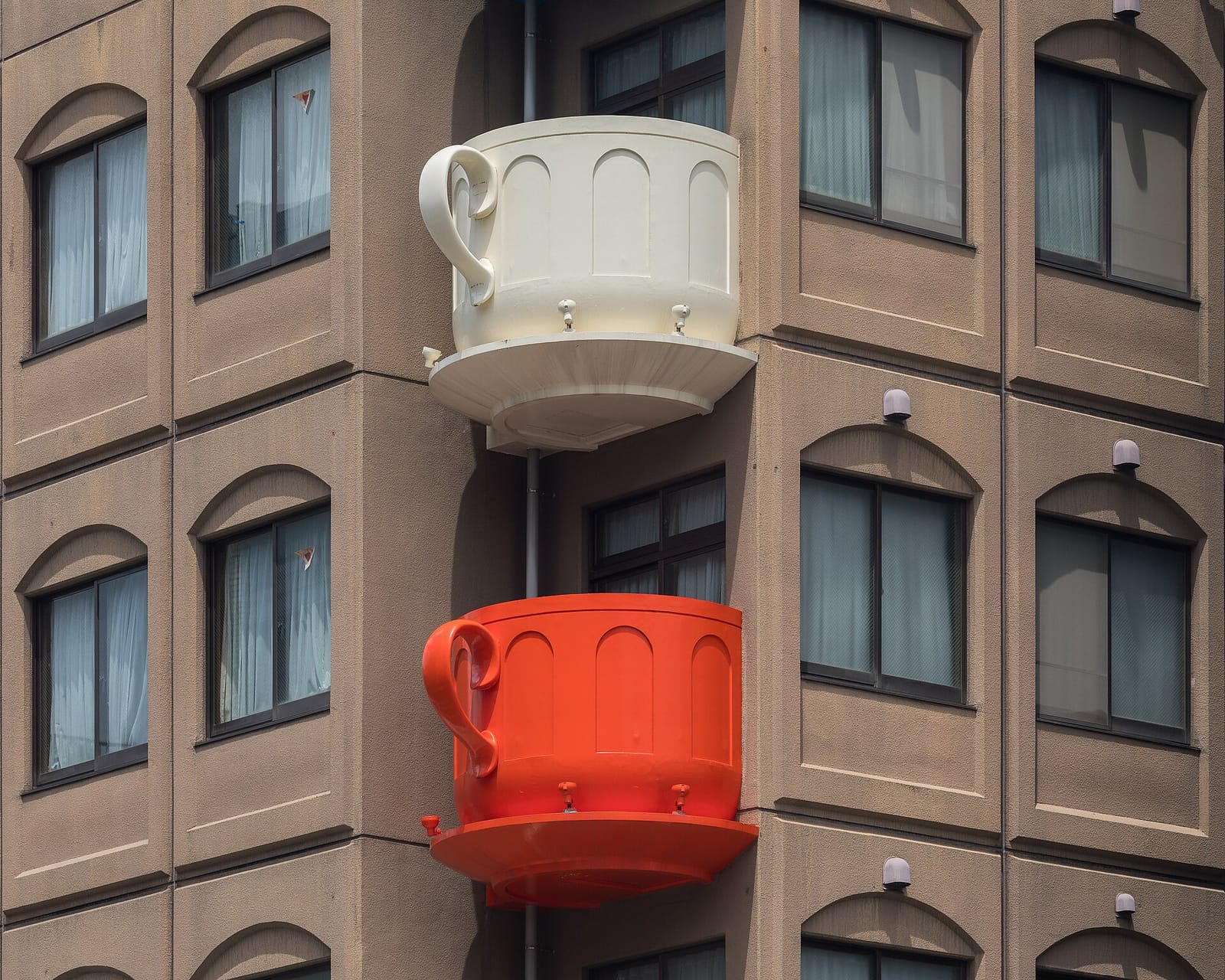
Kappabashi is an 800-meter street of more than 170 shops supplying the restaurant trade, and merchants first gathered here around 1912, according to the street’s association. Its shops sell the tools and tableware that restaurants use. It is the afternoon break between meals, and the place to buy a kitchen souvenir. Each store sets its own closed days, so a weekday or Saturday gives you the most open shops.
- Access
- Tawaramachi Station (Ginza Line), 5 min walk; Iriya Station (Hibiya Line), 6 min walk; JR Ueno Station, 15 min walk
- Source
- www.kappabashi.or.jp
Ameyoko
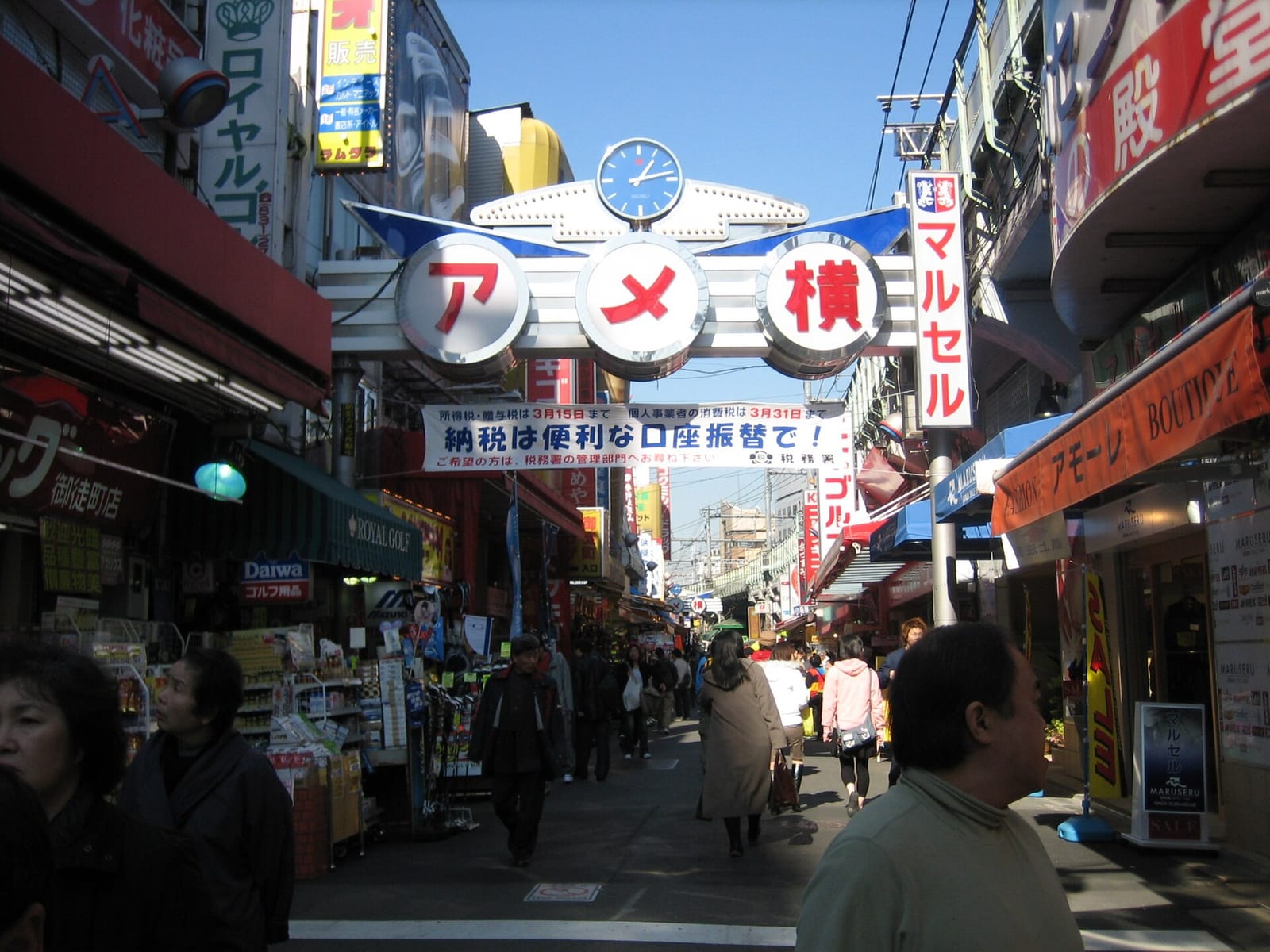
Ameyoko runs about 500 meters along the tracks from Ueno Station to Okachimachi Station, with about 500 shops and stalls selling seafood, sweets, international food, clothes and cosmetics, according to GO TOKYO. Start with snacks from the stalls, then sit down somewhere along the street for dinner. The street is open daily, but hours vary by shop, so arrive by late afternoon to see most of it open. From here, JR Ueno Station takes you straight back to Tokyo Station.
- Access
- JR Ueno Station, Shinobazu Exit; JR Okachimachi Station, North Exit
- Source
- www.gotokyo.org
Day 2
Toyosu Market
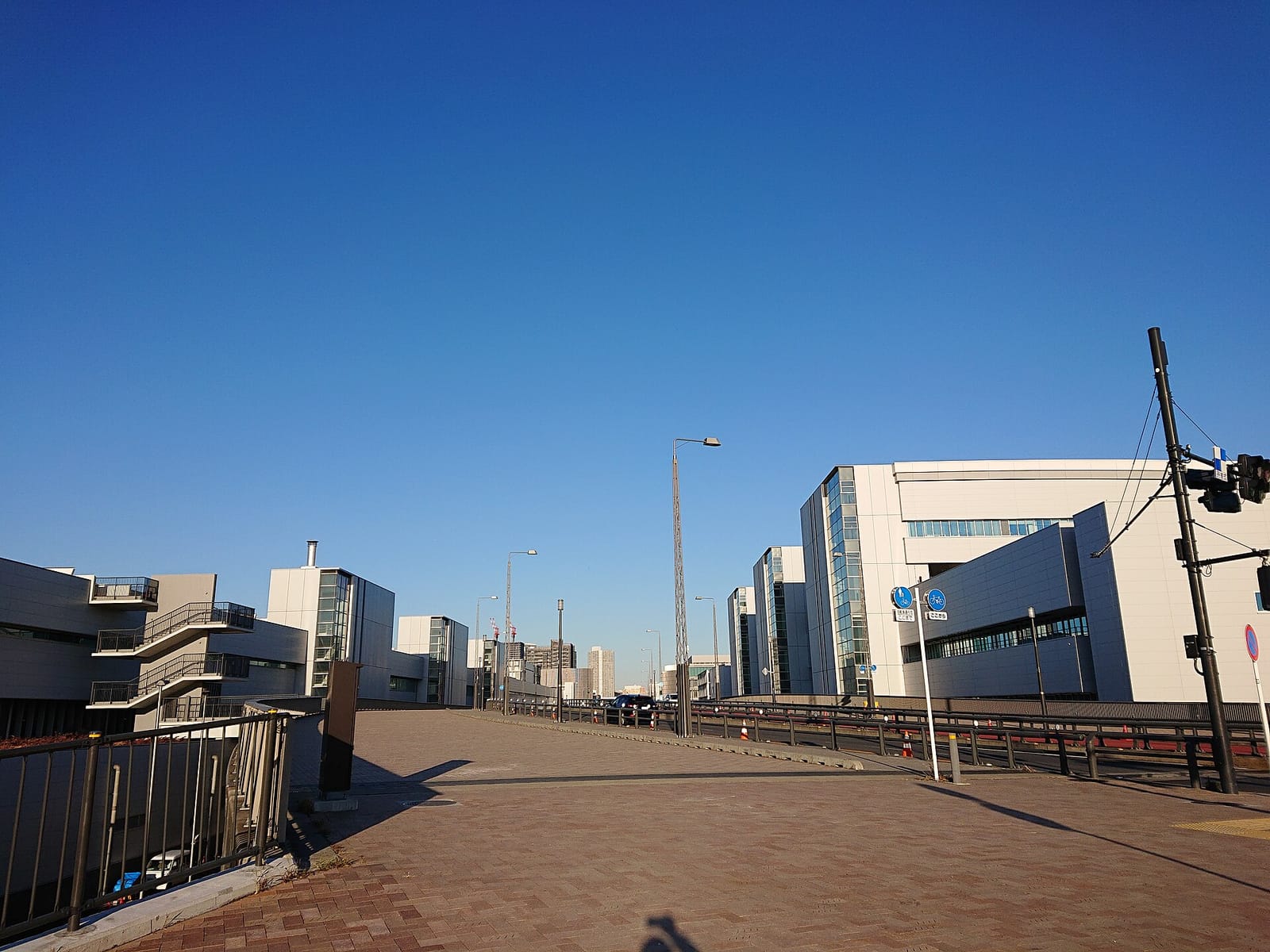
Toyosu is Tokyo’s central wholesale market, and the fish auctions that once took place at Tsukiji now happen here. You can watch the tuna auctions from the visitor walkway on the second floor of the Fisheries Wholesale Market Building without a booking. A closer observation deck needs an application in advance and is decided by lottery when there are many applicants. GO TOKYO counts 38 restaurants across three buildings, so breakfast after the auction is easy to find. There is no public parking, so come by Yurikamome.
- Hours
- Visitors 5:00–17:00; restaurants and shops keep their own hours; closed Sundays, public holidays and other market closed days (as of November 2026)
- Price
- Free to enter
- Access
- Yurikamome Shijo-mae Station, 3 min walk
- Source
- www.english.metro.tokyo.lg.jp
Ginza Mitsukoshi (B2F and B3F food floors)
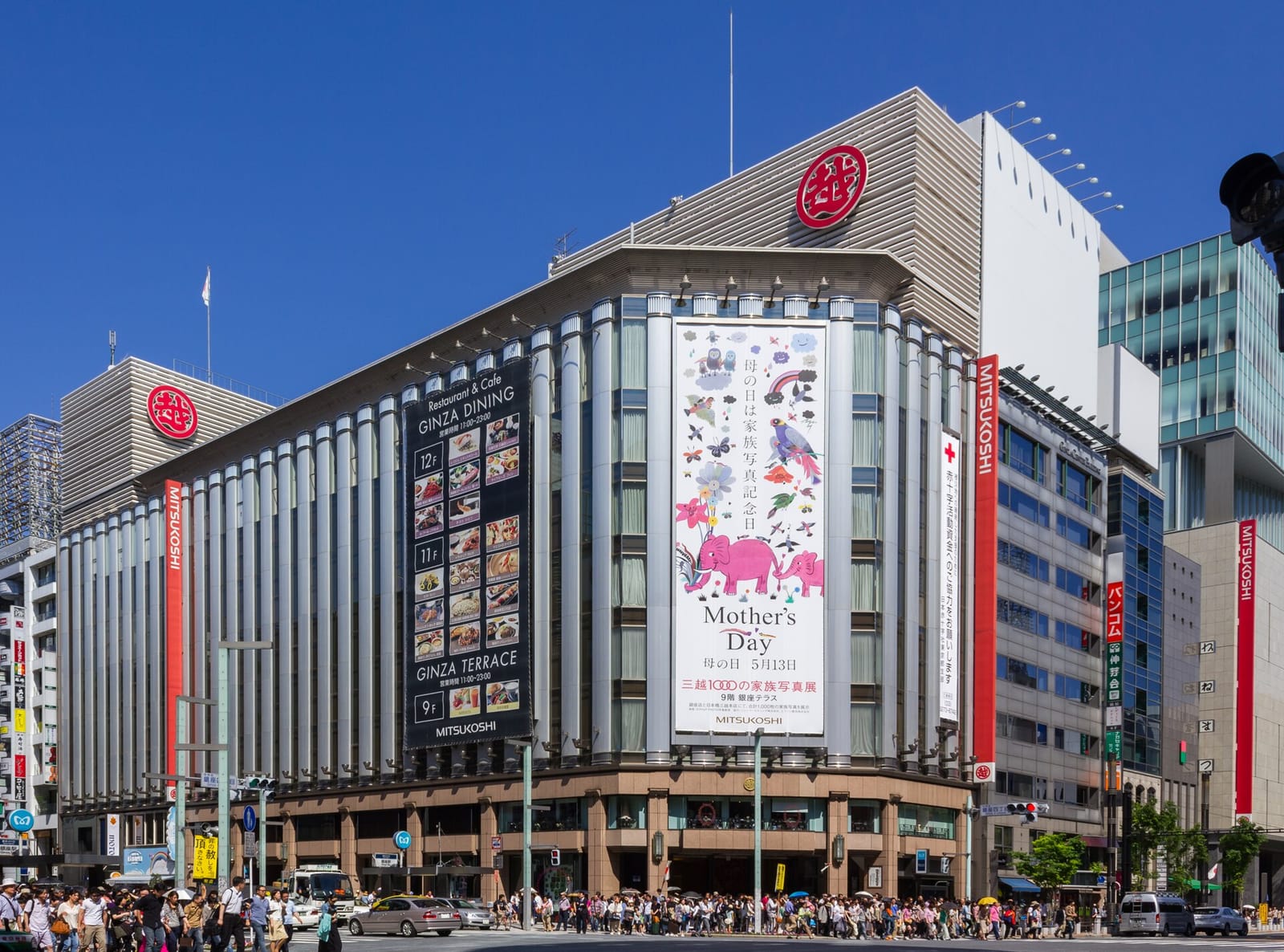
Ginza Mitsukoshi’s food floors are two levels down, on B2F and B3F. After a fish-heavy breakfast, a depachika lunch lets you choose anything from bento to sweets. If you want a table instead, the 11th and 12th floors have restaurants from 11:00. The store’s notices say hours can change, so check its news page before a holiday visit.
- Hours
- 10:00–20:00; 11F and 12F restaurants 11:00–23:00 (as of November 2026)
- Access
- 5 min walk from Ginza Station (Ginza, Marunouchi and Hibiya lines)
- Source
- cp.mistore.jp
Omoide Yokocho
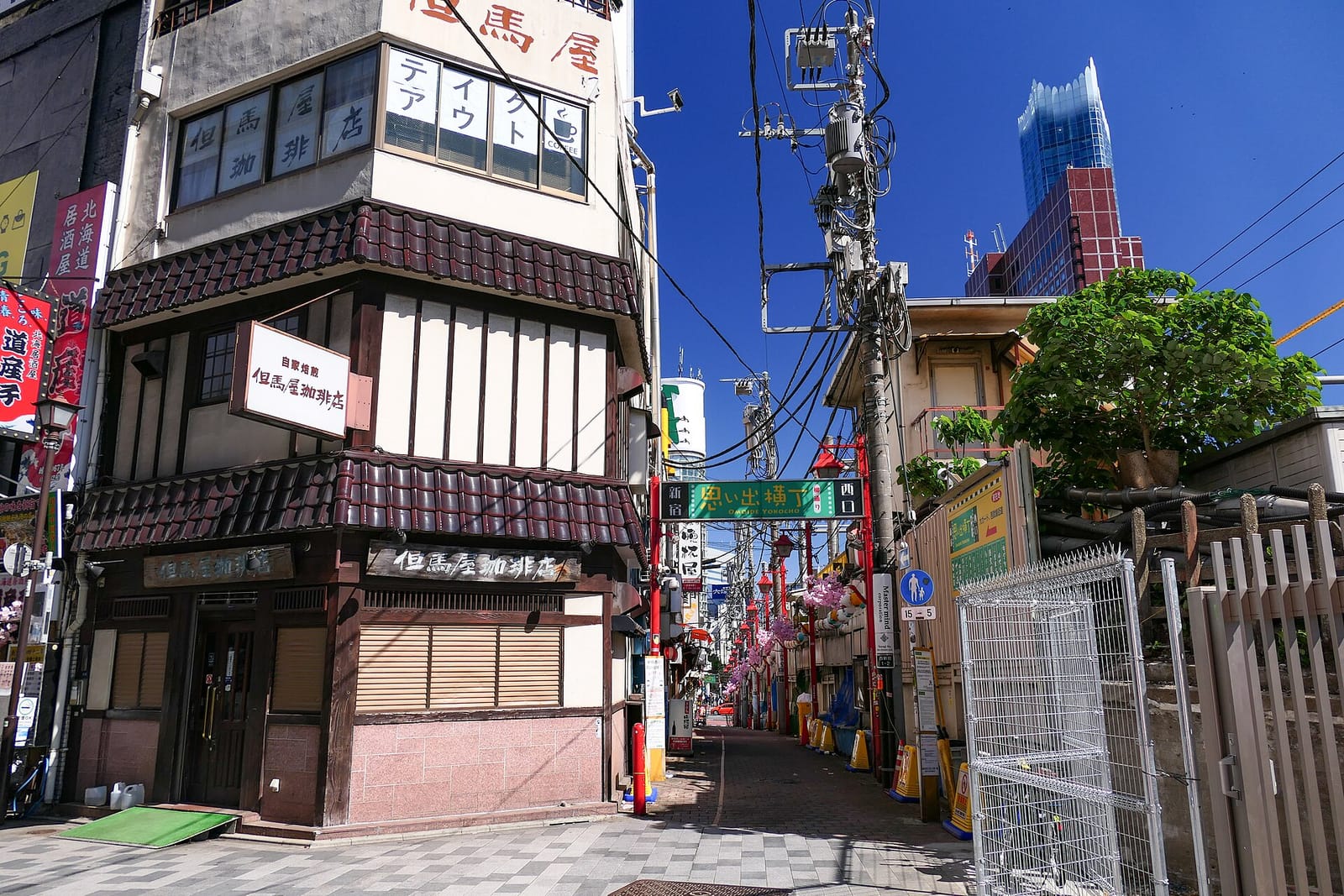
Omoide Yokocho is a set of narrow alleys by Shinjuku Station’s West Exit, with roots in the market stalls that appeared after the war. The official site counts about 80 shops, about 60 of them restaurants, mainly yakitori and motsuyaki (grilled offal) bars. Many seat only a handful of people. Bring cash, and check each shop’s rules at the door: some have a table charge, a one-drink-one-dish rule or a 90-minute limit. Our Omoide Yokocho guide covers individual shops and their hours.
- Access
- Next to Shinjuku Station on the West Exit side, 2 min walk
- Source
- www.gotokyo.org
What if it rains, or it is a Sunday?
Keep the depachika and change the outdoor parts. Both food halls are indoors and open on Sundays, so they anchor the plan when the rest is closed or wet.
- Rain on day 1: Tsukiji’s lanes and Ameyoko are mostly open-air. Keep Tsukiji for breakfast, then stay in and around Tokyo Station: lunch at Daimaru, and dinner on Daimaru’s 13th floor instead of Ameyoko. Kappabashi’s shops are indoors, so that part still works with an umbrella.
- Day 2 falls on a Sunday or holiday: Toyosu is closed. Swap breakfast for a hotel breakfast or an early Ginza cafe, and move straight to the depachika lunch.
- A slower pace: Drop Kappabashi on day 1 and the free afternoon in Ginza on day 2. That leaves a long midday break each day for a rest at the hotel.
- More time in Shinjuku: Ride the Marunouchi Line to Shinjuku in the early afternoon and compare the food halls in our Shinjuku depachika guide, then stay for dinner.
How do you get back to Tokyo Station at night?
Take the Marunouchi Line from Shinjuku or the JR Yamanote Line from Ueno; both run straight to Tokyo Station. GO TOKYO says Tokyo trains generally run from about 5:00 to midnight, with last trains between about 23:30 and 0:30, so a 20:30 or 22:00 return is safe.
A few things to plan for on the way back:
- The evening rush. GO TOKYO puts it at about 17:30 to 19:30. If you buy a lot at Kappabashi or the depachika, go back after it or drop your bags at the hotel in the afternoon.
- Cash for the last meal. Omoide Yokocho shops often take cash only, so withdraw enough before you leave Ginza.
- Other dinner options in Shinjuku. If Omoide Yokocho is full, our Shinjuku izakaya guide lists larger places nearby, and our cheap eats under ¥1,000 covers quick meals by the station.
- A sit-down sushi dinner instead. For one evening at a counter, our omakase sushi guide for beginners explains how booking and pricing work.
If you decide to stay near the start of each day, hotels around Tokyo Station keep both Tsukiji and Toyosu one subway journey away.
Hotels near Tokyo Station
Compare hotels around Tokyo Station on Agoda. Staying near the Yaesu side puts Daimaru and the JR Yamanote Line at your door, and the Marunouchi Line runs to both Ginza and Shinjuku.
What to pack before you go
Maps, train apps and translation drain a phone by mid-afternoon. Keep it in your carry-on: power banks are not allowed in checked luggage.
Japan still runs on coins: there are six of them, from 1 to 500 yen, and you collect a pocketful fast. A holder with a slot for each coin lets you pay the exact amount at ticket machines, shrines and small shops without digging.
 Imperial Palace East Gardens and Marunouchi With Elderly Parents
 Tokyo Station to Narita by Bus: The ¥1,500 TYO-NRT From Yaesu
FAQ
Is two days enough for a food trip to Tokyo?
Two days is enough for six meals in six different districts if you base yourself near Tokyo Station. This plan uses two fish markets, two department-store food halls and two drinking alleys, so you see the main kinds of food places without repeating one.
Should I go to Tsukiji or Toyosu for breakfast?
This plan does both, one each day. Tsukiji Outer Market is the shopping street that stayed in Tsukiji after the wholesale market moved, and is a short subway ride from Tokyo Station. Toyosu Market is the wholesale market itself, where you can watch the tuna auctions from a second-floor visitor walkway and eat at restaurants inside the market.
Is the 48-hour Tokyo Subway Ticket worth it for a food itinerary?
For this plan it roughly breaks even. It costs ¥1,500 for adults (as of November 2026) and the route has eight subway rides; at the ¥180 minimum fare that is ¥1,440, and longer rides cost more. If you drop a stop, a Suica or PASMO card is just as good.
When is Toyosu Market closed?
Toyosu Market is closed on Sundays, public holidays and other closed days set on the market calendar, and visitors cannot enter on those days. Visitor hours are 5:00 to 17:00, and each restaurant and shop keeps its own hours.
Do I need cash at Omoide Yokocho?
Bring cash. The official Omoide Yokocho site says many shops accept cash only, and some have a table charge, a one-drink-one-dish rule or a 90-minute limit, so check each shop's rules before you sit down.
Sources
- GO TOKYO — Cheap tickets & IC cards (Tokyo Subway Ticket prices and validity)
- GO TOKYO — How to use the Tokyo subway system (fares, rush hours, last trains)
- Tsukiji Outer Market (official) — Calendar and business hours
- Tsukiji Outer Market (official) — Access
- Tsukiji Outer Market (official) — Guide and manners
- Daimaru Tokyo (official, Japanese) — Business hours
- Daimaru Tokyo (official, Japanese) — Access
- Daimaru Tokyo (official, Japanese) — Floor guide
- Kappabashi Dougu Street (official) — Overview
- Kappabashi Dougu Street (official) — Access
- Kappabashi Dougu Street (official) — Q&A (closed days)
- GO TOKYO — Ameyoko
- Tokyo Metropolitan Government — Toyosu Market (visitor hours, closed days, tuna auction viewing)
- GO TOKYO — Toyosu Market
- Ginza Mitsukoshi (official) — Store information
- Shinjuku Nishiguchi Omoide Yokocho — Official site (English)
- Shinjuku Nishiguchi Omoide Yokocho — For first-time visitors (English, official)
- GO TOKYO — Omoide Yokocho
This article contains affiliate links. We may earn a commission at no extra cost to you.