Is the Tokyo Subway Ticket 72-Hour Worth It at ¥2,000?
Tokyo Subway Ticket 72-hour after the March 2026 price rise: ride counts that break even, when the clock starts, where to buy it, and when Suica is better.
Day 1, 5 p.m.: you put a 72-hour Tokyo Subway Ticket through your first subway gate, and the clock starts. Days 2 and 3 are full days of unlimited Tokyo Metro and Toei Subway rides. Day 4, 5 p.m.: the 72 hours are up. Whether those three days are worth ¥2,000 depends on how many subway rides you fit in, and how many of your trips are on JR instead. This guide gives the ride counts that break even at the 2026 price, the rules that catch people out, and what to use when the pass is the wrong fit.
Is the 72-hour Tokyo Subway Ticket worth it?
Yes, if you take about four subway rides a day for three days. At ¥2,000 for adults, the ticket breaks even after 12 rides at the ¥180 minimum fare, or after 7 rides if every trip is a long one (as of November 2026). If you only ride twice a day, or most of your trips are on JR lines, pay as you go with an IC card instead.
The quickest way to decide:
- Count your subway rides. Write down each hop for the three days: hotel to sight, sight to lunch, lunch to the next sight, back to the hotel. Four or more a day is the usual break-even.
- Check which company runs each ride. Only Tokyo Metro and Toei Subway count. A ride on the JR Yamanote Line adds nothing to the pass.
- Time your first ride. The 72 hours start at first use, so plan for the ticket to end when your last busy day ends.
Before March 14, 2026, the 72-hour ticket cost ¥1,500, and many guides still use that price. The Tokyo Metropolitan Government’s price table lists the fares from that date:
| Tokyo Subway Ticket | Adult | Child | Adult price before March 14, 2026 |
|---|---|---|---|
| 24-hour | ¥1,000 | ¥500 | ¥800 |
| 48-hour | ¥1,500 | ¥750 | ¥1,200 |
| 72-hour | ¥2,000 | ¥1,000 | ¥1,500 |
The ¥500 rise on the 72-hour ticket changes the maths. At the old price, nine minimum-fare rides covered it. Now you need 12.
How many rides do you need to break even?
Between 7 and 12 rides in 72 hours, depending on how far each one goes. GO TOKYO, the city’s official tourism site, says subway fares depend on distance: both Tokyo Metro and Toei start at ¥180, Tokyo Metro tops out at ¥330 and Toei at ¥430.
| Your rides | Fare per ride | Rides to pass ¥2,000 | Per day over 3 days |
|---|---|---|---|
| All short hops (minimum fare) | ¥180 | 12 rides (¥2,160) | 4 |
| All long Tokyo Metro rides (maximum fare) | ¥330 | 7 rides (¥2,310) | 2–3 |
| Long Toei rides (maximum fare) | ¥430 | 5 rides (¥2,150) | 2 |
Most days mix short and long rides, so the real break-even sits between these lines. A typical sightseeing day might be hotel to Asakusa, Asakusa to Ueno, Ueno to Ginza, and Ginza back to the hotel: four rides. Do that for three days and the pass pays for itself, with every extra ride free.
There is one more saving that ride counts miss. GO TOKYO notes that Tokyo Metro and Toei are separate companies, so a journey that changes from one to the other needs a separate ticket for each. With the pass, that change costs nothing extra.
Children pay ¥1,000 for the 72-hour ticket, so the same ride counts apply at half the price.
How does the 72-hour ticket compare with other passes?
It is the cheapest way to get three days of unlimited Tokyo Metro and Toei rides. GO TOKYO lists these alternatives, as of November 2026:
| Option | Adult price | Covers | Validity |
|---|---|---|---|
| Tokyo Subway Ticket 72-hour | ¥2,000 | Tokyo Metro and Toei Subway | 72 hours from first use |
| Tokyo Subway Ticket 48-hour + 24-hour | ¥2,500 | Tokyo Metro and Toei Subway | 48 + 24 hours |
| Three Tokyo Metro 24-Hour Tickets | ¥2,100 | Tokyo Metro only (no Toei) | 24 hours each from first use |
| Three Common One-Day Tickets for Tokyo Metro and Toei Subway | ¥3,300 | Tokyo Metro and Toei Subway | One day each |
| Tokyo One-Day Ticket (Tokyo Free Kippu) | ¥1,720 per day | JR East in Tokyo’s 23 wards, Tokyo Metro, Toei Subway, Toei Bus, Tokyo Sakura Tram, Nippori-Toneri Liner | One day |
Two points stand out. The Tokyo Metro 24-Hour Ticket is still ¥700, and same-day tickets are sold at Tokyo Metro ticket machines. If you never ride the four Toei lines (Asakusa, Mita, Shinjuku and Oedo), three of them cost only ¥100 more than the 72-hour pass. GO TOKYO also notes that a same-day 24-Hour Ticket becomes invalid if you do not use it by the last train on the day you buy it. Second, the Tokyo One-Day Ticket is the only one of these that includes JR, which suits a single day that mixes the Yamanote Line with the subway.
When does the 72-hour clock start?
At first use. GO TOKYO says the ticket is valid for 72 hours from first use, before the expiry date listed on the back of the ticket. Buying it does not start the clock.
The exception is the IC version on a PASMO card. GO TOKYO says that one runs for 72 hours from the time of purchase. Buy it the moment you want to start riding, not the night before.
So the timing tip from the opening applies to the paper ticket. If you arrive in Tokyo in the afternoon of day 1 and fly home in the evening of day 4, a first ride in the late afternoon of day 1 covers the whole stay. If you start the morning after you arrive, the ticket runs until that same morning hour three days later.
Where can you buy it?
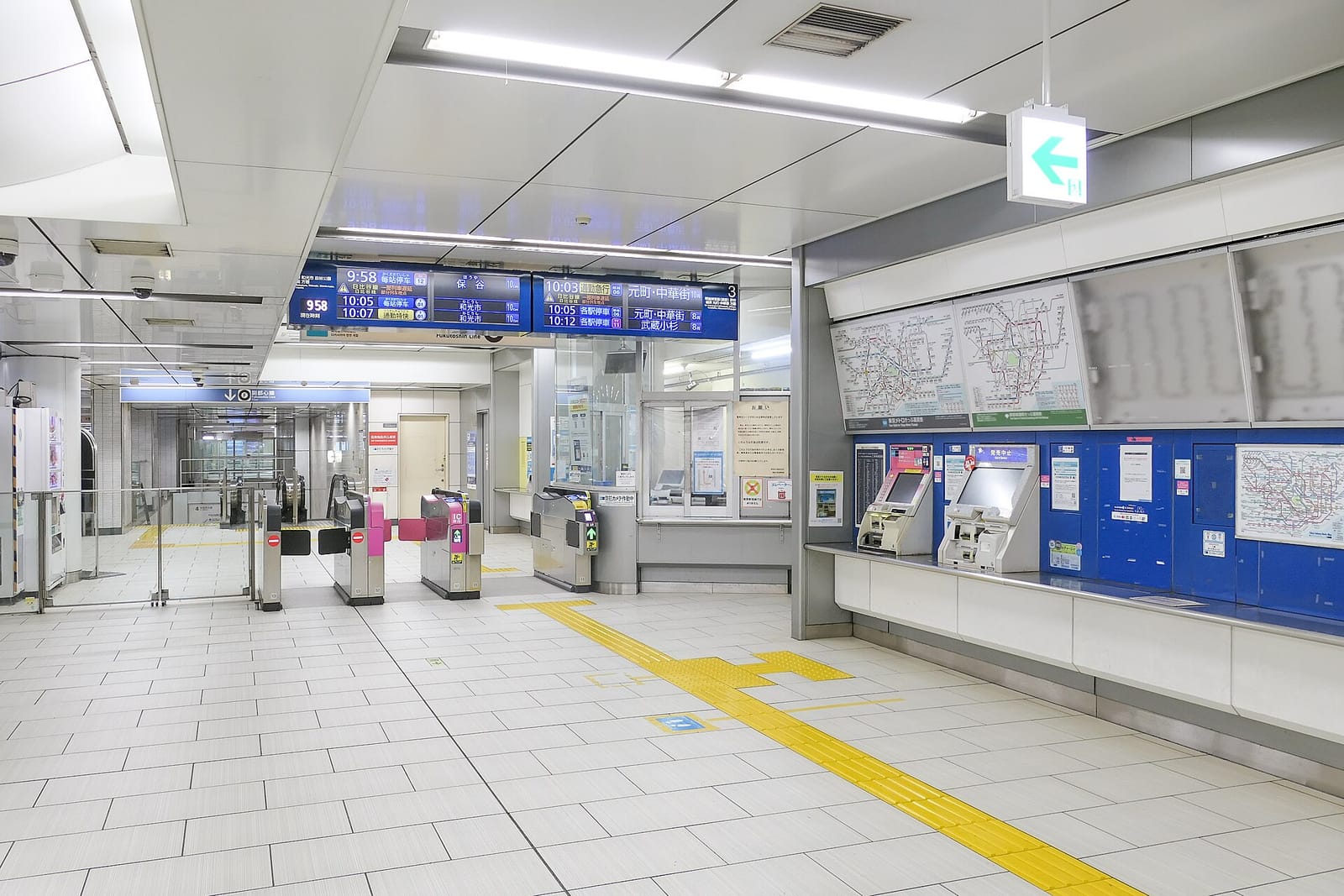
At Tokyo Metro Pass Offices, some subway station tourist information counters, large electronics stores such as Bic Camera, city tourist information centers and airports, according to GO TOKYO. You must show your passport, so keep it with you when you go to buy one.
You can also buy it in a set with your airport train or bus. The Tokyo Metropolitan Government’s price notice lists the Keisei Skyliner & Tokyo Subway Ticket at ¥3,100–¥6,100 for adults and the Haneda & Tokyo Subway Ticket at ¥1,600–¥2,600, depending on the combination, from March 14, 2026. These sets are sold by the other railway companies, not at Tokyo Metro or Toei stations.
If you land at Narita and head west, our Narita Airport to Shinjuku guide compares the train and bus options that feed into the subway.
Is it worth it if you stay near Tokyo Station?
Often, yes, but only if you use the subway rather than JR. The JR lines and the shinkansen at Tokyo Station are not covered. What is covered is the Tokyo Metro Marunouchi Line at Tokyo Station, and the lines at Otemachi Station, which Tokyo Station City lists as the other subway station for reaching Tokyo Station.
Tokyo Station (Tokyo Metro Marunouchi Line)
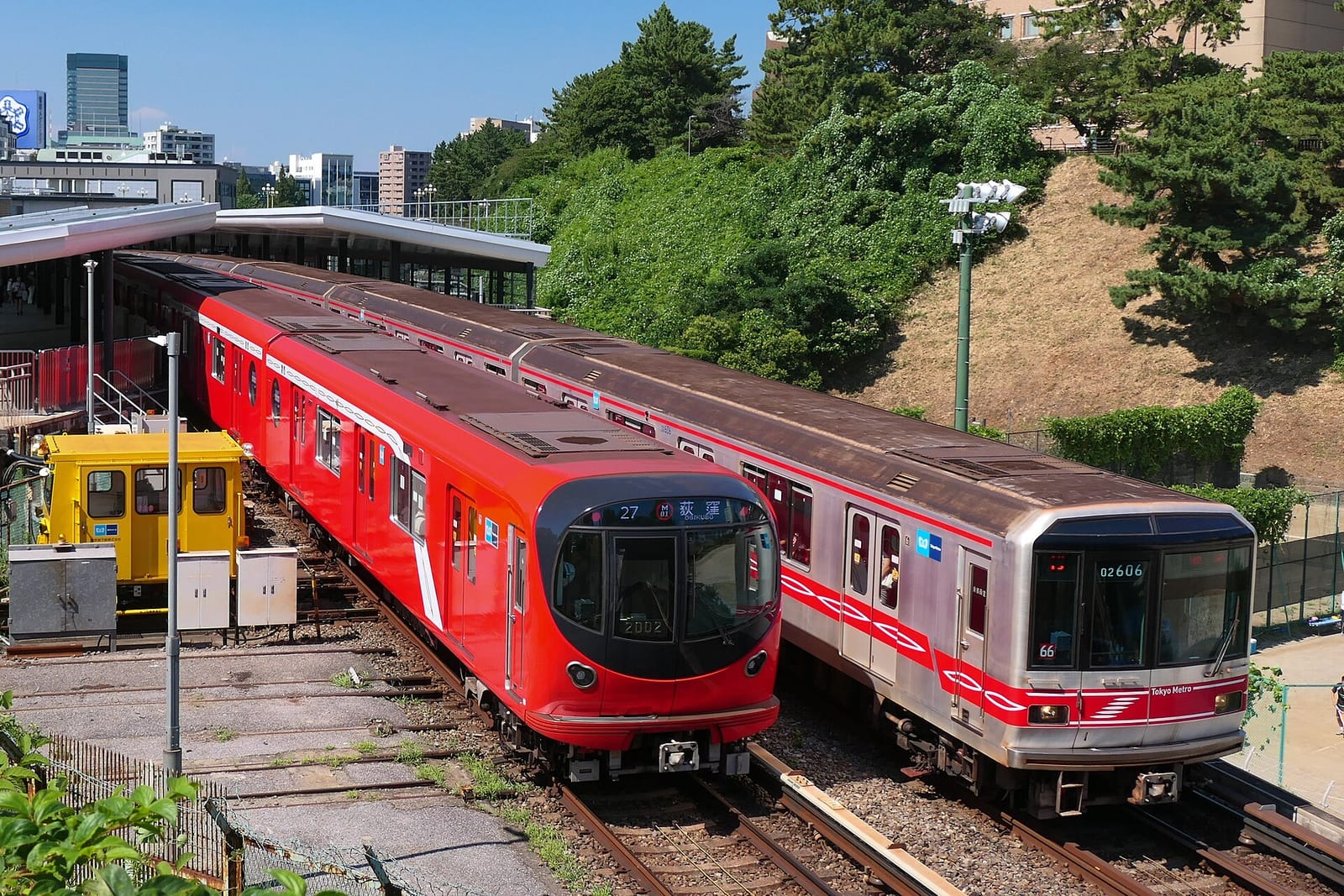
The line the pass covers at Tokyo Station itself. GO TOKYO notes that the Marunouchi Line gives direct access to Ginza, Shinjuku and Ikebukuro, so a hotel near Tokyo Station has a one-train subway ride to all three. For Shinjuku in particular, this means you can stay on the pass instead of switching to JR.
- Access
- Tokyo Metro Marunouchi Line, inside the Tokyo Station area
- Source
- www.tokyostationcity.com
Otemachi Station
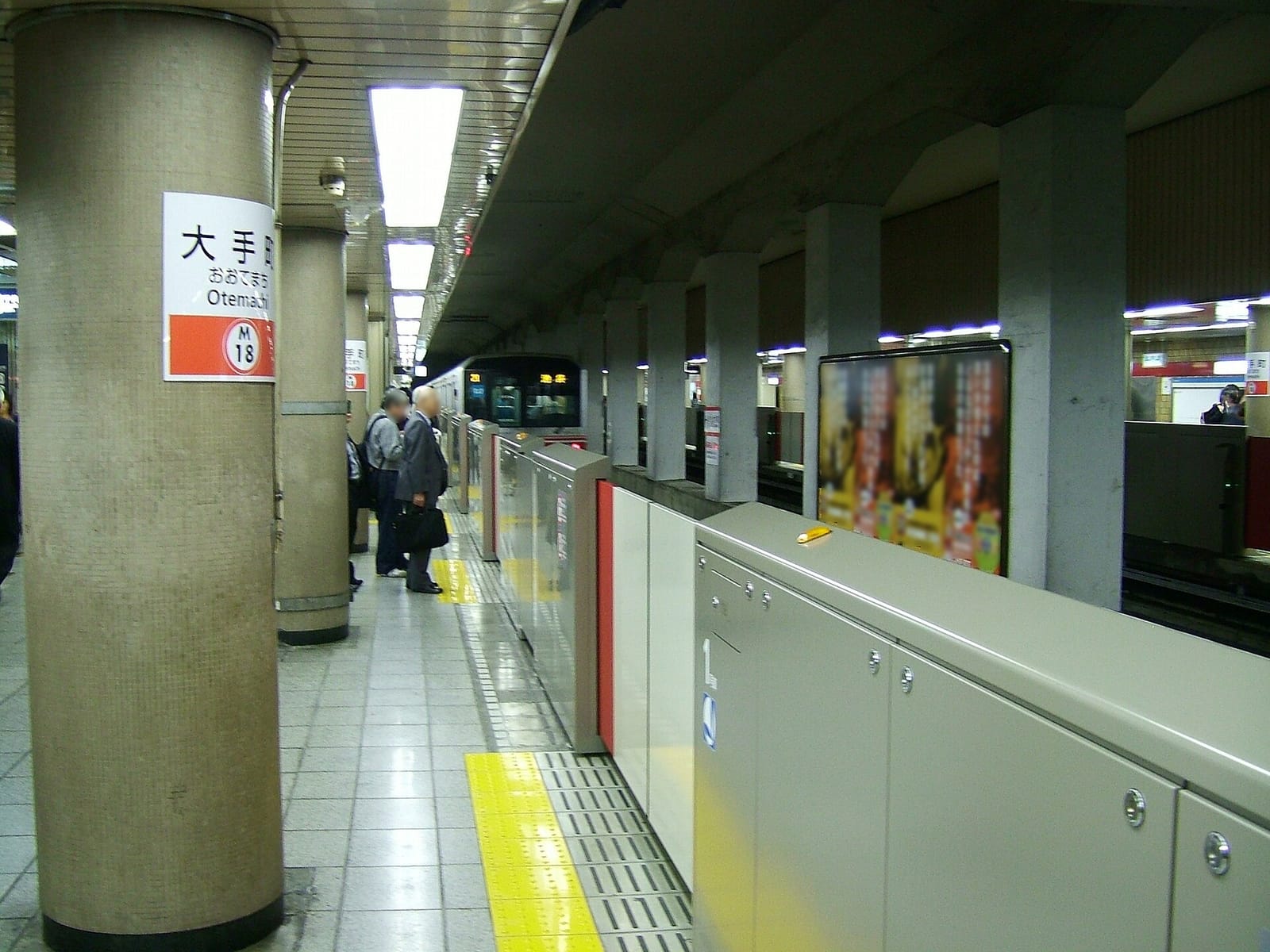
The subway hub for anyone staying around Tokyo Station. Four Tokyo Metro lines and the Toei Mita Line meet here. A trip that starts on the Mita Line and changes to a Tokyo Metro line would normally need two tickets, so this is where the pass saves the most.
- Access
- Tokyo Metro Chiyoda, Hanzomon, Marunouchi and Tozai lines; Toei Mita Line
- Source
- www.gotokyo.org
From a base near Tokyo Station, four rides a day comes easily: out from Otemachi or the Marunouchi Line, two hops between sights, and back. If instead you walk to the JR platforms for every trip, an IC card is the better buy. For a full plan built on this base, with every subway ride counted, see our 3-day Tokyo itinerary for first-timers.
When is the 72-hour ticket the wrong choice?
When most of your rides are not on Tokyo Metro or Toei Subway. These are the common cases:
- Your trips are mainly on JR. GO TOKYO notes that the subway lines are not run by JR, so the two systems are paid separately. Many routes mix the two. Our Shinjuku to Asakusa guide is an example: the fastest route is JR to Kanda, then the Ginza Line, so only half the journey uses the pass.
- One of the three days is a day trip. Hakone, Mt. Fuji and Nikko are outside the subway network, so that day earns almost nothing from the pass. Two days of city riding often suit the 48-hour ticket at ¥1,500. For Hakone, check whether the Hakone Freepass is worth it instead. For Nikko, our Nikko day trip from Tokyo plan covers the Tobu train from Asakusa and the NIKKO PASS.
- You walk more than you ride. If your hotel is within walking distance of most of what you want to see, two rides a day will not reach the break-even point.
- You have a JR Pass. GO TOKYO says it cannot be used on the subway, but several JR lines in the city accept it. If your JR Pass is already active, use it for JR trips and pay for the odd subway ride by IC card.
In all of these cases, an IC card is the simplest fallback. Suica and PASMO both work on the subway and JR, and charge each ride’s fare when you touch out. GO TOKYO says short-term visitors can also get Welcome Suica or Tourist PASMO, with no deposit, usable for 28 days. See how to buy a Suica in Shinjuku for where to get one and how to top it up.
So, should you buy the 72-hour ticket?
Buy it if your three days are built around the subway: about four Tokyo Metro or Toei rides a day, with your first ride timed so the ticket runs to the end of your last busy day. At ¥2,000 it no longer pays off on a light schedule, and it does nothing for JR trips or day trips. If your plans are mixed, use an IC card for everything, or pair a 48-hour ticket with a Suica for the JR days.
What to pack before you go
Maps, train apps and translation drain a phone by mid-afternoon. Keep it in your carry-on: power banks are not allowed in checked luggage.
Japan still runs on coins: there are six of them, from 1 to 500 yen, and you collect a pocketful fast. A holder with a slot for each coin lets you pay the exact amount at ticket machines, shrines and small shops without digging.
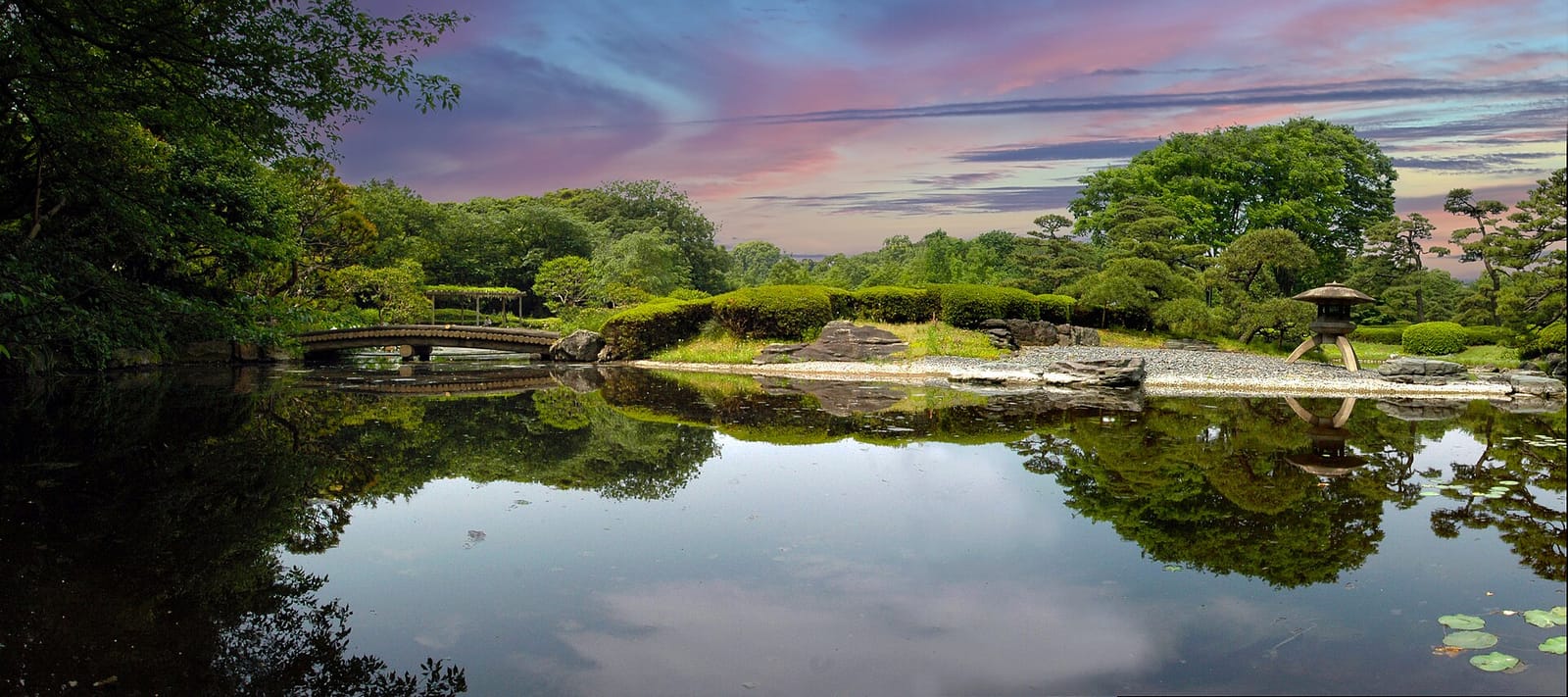 Imperial Palace East Gardens and Marunouchi With Elderly Parents
 Tokyo Station to Narita by Bus: The ¥1,500 TYO-NRT From Yaesu
FAQ
Is the Tokyo Subway Ticket 72-hour worth it?
It is worth it if you take about four or more subway rides a day for three days. At ¥2,000 for adults (as of November 2026), it breaks even after 12 rides at the ¥180 minimum fare, or fewer if your rides are longer. If many of your trips are on JR, it usually does not pay off.
When does the 72-hour Tokyo Subway Ticket start?
The paper ticket runs for 72 hours from its first use, before the expiry date printed on the back. GO TOKYO notes one exception: if the ticket is loaded on an IC card (PASMO), the 72 hours run from the time of purchase.
How much is the Tokyo Subway Ticket in 2026?
Since March 14, 2026, the 24-hour ticket is ¥1,000, the 48-hour ticket ¥1,500 and the 72-hour ticket ¥2,000 for adults. Child tickets are ¥500, ¥750 and ¥1,000. Before the change, the 72-hour ticket was ¥1,500 for adults.
Does the Tokyo Subway Ticket cover the JR Yamanote Line?
No. It covers the 9 Tokyo Metro lines and the 4 Toei Subway lines only. JR lines, including the Yamanote Line and the JR platforms at Tokyo Station, need a separate fare, for example on a Suica or PASMO.
Where can I buy the Tokyo Subway Ticket?
GO TOKYO lists Tokyo Metro Pass Offices, some subway station tourist information counters, large electronics stores such as Bic Camera, and city tourist information centers, as well as airports. You must show your passport.
Sources
- Tokyo Metropolitan Government — Special ticket price changes from March 14, 2026
- GO TOKYO — Cheap tickets & IC cards
- GO TOKYO — How to use the Tokyo subway system
- GO TOKYO — Tokyo Station & Marunouchi area
- Tokyo Station City — Accessing Tokyo Station
- GO TOKYO — Palace Hotel Tokyo (Otemachi Station lines)
This article contains affiliate links. We may earn a commission at no extra cost to you.