What to Pack for Japan in Winter: A Situation-by-Situation List
What to pack for Japan in winter, using official JMA temperatures for Tokyo and Mt. Fuji: layers for arrival day, city days, ryokan nights and snowy trips.
In January, Tokyo’s average daily low is 1.2°C and its average high is 9.8°C, according to the Japan Meteorological Agency’s climate normals for 1991–2020. That is cold enough for a proper coat, but it is not the deep freeze many visitors pack for. The same data shows only 59.7 mm of rain in January and an average humidity of 51%, so winter days in Tokyo tend to be dry and bright. The real packing problem is the change between cold streets and warm indoor spaces, and the jump in cold if you take a day trip toward Mt. Fuji. This guide sorts your list by situation, so you pack for the days you will actually have.
How cold is Japan in winter, by the numbers?
Tokyo is cool and dry from December to February; the mountain areas a short trip away are well below freezing at night. Here are the official averages from the Japan Meteorological Agency (JMA), based on 1991–2020 data.
| Month | Tokyo avg. high | Tokyo avg. low | Kawaguchiko avg. high | Kawaguchiko avg. low |
|---|---|---|---|---|
| December | 12.0°C | 3.8°C | 8.5°C | -2.9°C |
| January | 9.8°C | 1.2°C | 5.5°C | -5.7°C |
| February | 10.9°C | 2.1°C | 6.6°C | -4.8°C |
Two more numbers shape the list. Tokyo’s normal snowfall total is about 4 cm in January and 4 cm in February, so snow in the city is an occasional event, not the default. At Kawaguchiko, the JMA station at the Fuji Five Lakes, the normal snowfall total is 37 cm in January and 28 cm in February.
Before you leave, check the JMA forecast for the exact days of your trip. Averages tell you what to pack; the forecast tells you what to wear tomorrow.
What should you wear on arrival day?
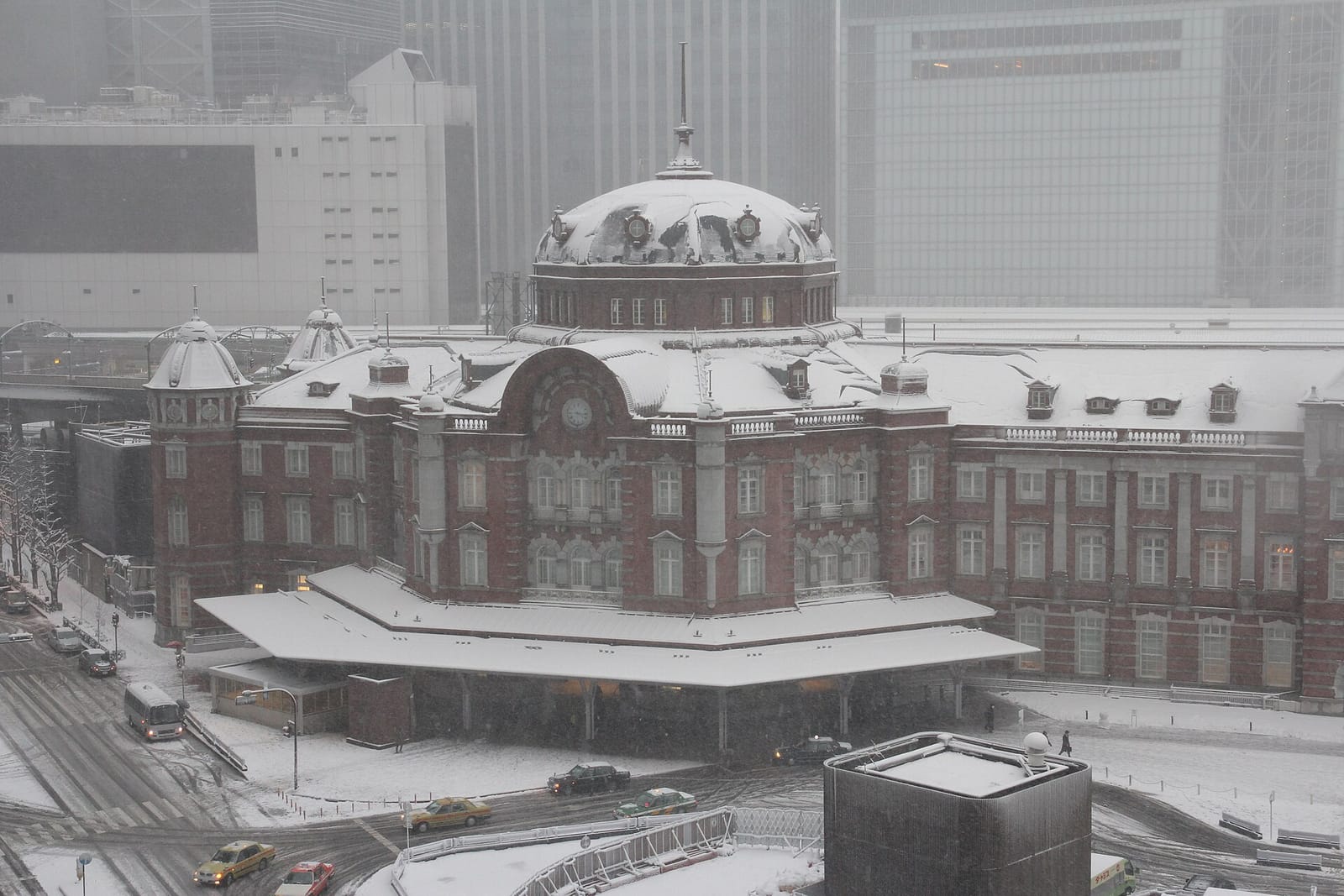
Wear your warmest coat on the plane rather than packing it. You may land at Narita or Haneda in the evening, when temperatures are close to the daily low, and then stand on a platform or at a bus stop with your luggage.
A simple arrival-day outfit:
- A warm coat with a hood or a hat in the pocket. Wind on open platforms and bus stops feels colder than the number on the forecast.
- A thin base layer under a normal shirt. Planes, airport terminals and trains are warm, so a heavy sweater under the coat will be too much for most of the journey.
- Gloves within reach. You will be pulling a suitcase in the cold, and a hand on a metal handle gets cold fast.
- Your phone charged. Cold air drains phone batteries faster, and you will use maps and transit apps right away.
If you are heading into the city by train, see our guide to getting from Narita Airport to Shinjuku for the main routes and how long each takes.
What do you need for a full day of sightseeing in Tokyo?
Pack thin layers you can open and close, not one thick sweater. A typical Tokyo day in winter means walking outside at 5–10°C, then riding a heated train, then spending an hour in a warm department store or museum.
A layering system that works:
- Base layer: a thin thermal top. It adds warmth without bulk and stays on all day.
- Middle layer: a light fleece, cardigan or thin down vest that you can take off and fold into a day bag.
- Outer layer: a windproof coat that you can unzip on the train.
- Accessories: a scarf or neck warmer, a hat and gloves. They do most of the work outdoors and take no space when you go inside.
Dry air is the other winter issue. With average humidity around 51% in January in Tokyo, and indoor heating on top of that, lips and hands dry out quickly. A lip balm and a small tube of hand cream in your coat pocket solve most of it.
For grey or wet days, our guide to a rainy day in Shinjuku lists indoor places to spend the time.
What should you pack for heated trains, shops and hotels?
Expect to be warm indoors and plan to carry what you take off. Trains, department stores and hotel rooms are heated in winter, and it is easy to overheat in a full winter outfit.
- A day bag with spare room for your scarf, gloves and middle layer.
- A light top under your sweater, so you can take the sweater off and still look dressed for a restaurant.
- A small reusable bag, handy when your shopping and your layers both need a home.
What changes for a ryokan or temple visit?
Pack shoes you can take off and put on quickly, and socks you are happy to show. At a ryokan (traditional inn), and in many temple halls and some restaurants with tatami floors, you take your shoes off at the entrance.
- Slip-on shoes or boots with a side zip save time at every entrance. Tall lace-up boots slow you down.
- Warm socks without holes. Wooden corridors and tatami rooms can feel cold underfoot in winter.
- A cardigan or fleece for the evening. Many ryokan provide a yukata (cotton robe) to wear around the inn, and a layer on top keeps you comfortable in corridors.
- Heat packs. Disposable heat packs, called kairo in Japan, are sold at convenience stores and drugstores. A non-stick kind goes in your pocket; a stick-on kind attaches to the outside of your inner layer (not to your skin).
If an onsen is part of your plan, see our guide to day-trip onsen near Hakone-Yumoto. Box seats at the January sumo tournament are shoes-off too; see how to book sumo tickets in Tokyo.
What do you need for a snowy day trip to Mt. Fuji or the mountains?
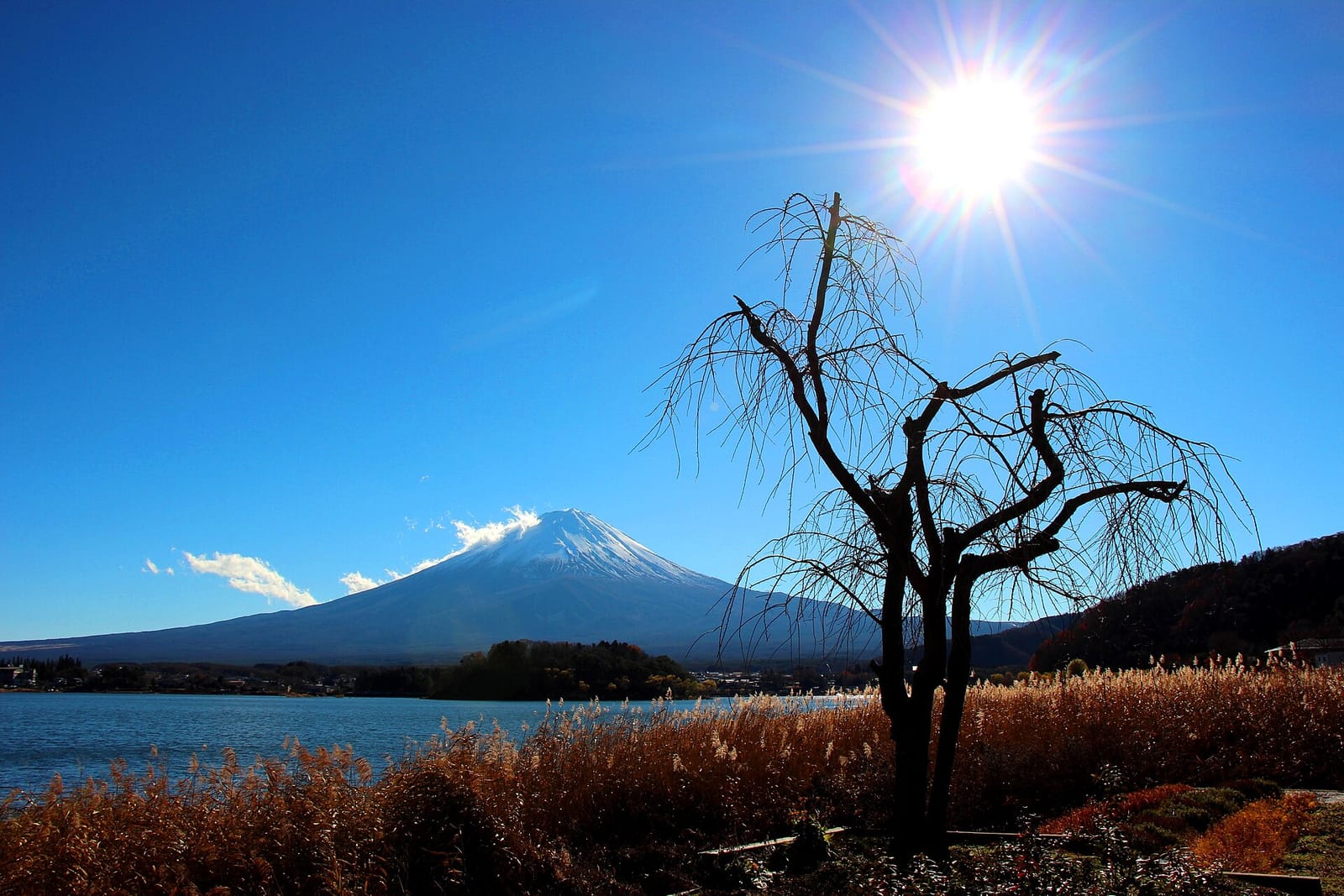
Pack for below freezing. JMA’s normals for Kawaguchiko show a January average low of -5.7°C, so a Tokyo outfit that feels fine in the city can feel thin by the lake, especially in the morning and after sunset.
Add these for the day:
- A warm hat that covers your ears, and real gloves, not just thin touchscreen ones.
- Thick socks and a spare pair. Wet feet in the cold are the quickest way to end a day early.
- Shoes with good grip, plus slip-on grips for icy paths and stairs. Remove metal grips before you go inside, as they can damage floors. The paths in Shirakawa-go’s snowy village are a good example; see our Shirakawa-go day trip from Takayama for bus times and winter backups.
- Sunglasses. Clear winter days and snow can be very bright.
- Snacks and a warm drink, as you may wait outdoors for a bus or a view of the mountain.
For routes and timing, see our guides to the Mt. Fuji day trip from Shinjuku by bus, Chureito Pagoda from Shinjuku and the Oshino Hakkai day trip from Tokyo.
What if it snows in Tokyo during your trip?
Check train status before you head out, and wear your grippiest shoes. Snow in Tokyo is not frequent, but when it does fall, sidewalks and station stairs can get slippery and trains can run late.
- Look at the JMA forecast the evening before for snow warnings in your area.
- Check JR East’s Train Status Information page (in English) before leaving your hotel, especially on the day you go to the airport.
- Leave extra time for any fixed booking, such as a Shinkansen departure or a flight.
What about checkout day and the trip home?
Wear your bulky items and pack the light ones. On your last day you may have a few hours between checkout and your flight, and your coat, boots and thick sweater take up most of a suitcase.
- Wear the heaviest coat and shoes on the travel day so your suitcase closes.
- Keep one warm layer out of the suitcase. Airports and trains are warm, but you may wait outside for a bus or taxi.
- Use up or leave behind open heat packs. Check your airline’s rules on what you can take in your carry-on and checked baggage.
- Move your power bank to your carry-on. It cannot go in checked baggage. Our guide to power bank airline rules in Japan covers the limits.
If you want to explore without your luggage before the flight, see our guide to Shinjuku Station luggage storage. For shopping on the way out, our guide to tax-free shopping in Shinjuku explains how the process works.
Your Japan winter packing checklist
| Category | For Tokyo | Add for Mt. Fuji area or snow |
|---|---|---|
| Outerwear | Windproof coat | Warmer coat or an extra mid layer |
| Layers | Thin thermal top, fleece or cardigan | Thermal leggings |
| Accessories | Scarf, hat, gloves | Ear-covering hat, insulated gloves, sunglasses |
| Footwear | Comfortable water-resistant shoes, easy to remove | Shoes with good grip, slip-on grips, spare socks |
| Care | Lip balm, hand cream | Heat packs |
| Tech | Phone, power bank | Keep the power bank in an inside pocket |
 Imperial Palace East Gardens and Marunouchi With Elderly Parents
 Tokyo Station to Narita by Bus: The ¥1,500 TYO-NRT From Yaesu
FAQ
How cold is Tokyo in winter?
Cool rather than freezing. According to the Japan Meteorological Agency's 1991–2020 normals, Tokyo's average daily high is 12.0°C in December, 9.8°C in January and 10.9°C in February, and the average daily low stays just above zero in all three months.
Do I need snow boots for Tokyo?
Usually not. JMA's normals for Tokyo show about 4 cm of snowfall in total for January and for February, so most days are dry. Comfortable, water-resistant walking shoes are enough; add slip-on grips only if snow is forecast or you are heading to the mountains.
What should I wear for a day trip to Mt. Fuji in winter?
Dress for below freezing. JMA's normals for Kawaguchiko, at the Fuji Five Lakes, give a January average high of 5.5°C and low of -5.7°C, with 37 cm of snowfall over the month. A warm coat, hat, gloves, thick socks and shoes with good grip are worth packing.
Is it better to buy winter clothes in Japan?
Small items, yes. Disposable heat packs, lip balm and thermal innerwear are easy to find at drugstores, convenience stores and clothing chains in Tokyo. Bring your main coat and shoes from home so you are warm from the moment you land.
Why do people say to dress in layers in Japan in winter?
Because you keep moving between cold air outside and heated spaces inside, such as trains, department stores and hotels. Layers let you remove a fleece or scarf indoors and put it back on at the platform.
Sources
This article contains affiliate links. We may earn a commission at no extra cost to you.