Gion or Kyoto Station: Where Should You Stay in Kyoto?
Gion or Kyoto Station for your Kyoto hotel? Compare transfer minutes, buses vs trains, luggage rules and evenings to pick the base that fits your days.
Gion and Kyoto Station are the two names that come up first when you plan a Kyoto stay, and they suit different travelers. Kyoto Station is the transport base: trains, buses and luggage services all start in one place. Gion is the evening base: old streets, Yasaka Shrine and Higashiyama dinners are a walk from your door. The real question is how many times you will make the trip between them, and with what in your hands. This guide answers that with minutes, fares and luggage rules from JR West, Kyoto City and the shrine itself.
This is a focused two-area comparison. If you are still weighing other districts, such as Kawaramachi or Arashiyama, start with a broader Kyoto area guide and come back here when your shortlist is down to these two.
How are Kyoto Station and Gion laid out?
Kyoto Station sits in the south of central Kyoto, and Gion sits east of the Kamo River, around the end of Shijo-dori. They are not connected by one direct train, which is why the choice matters more than it first seems.
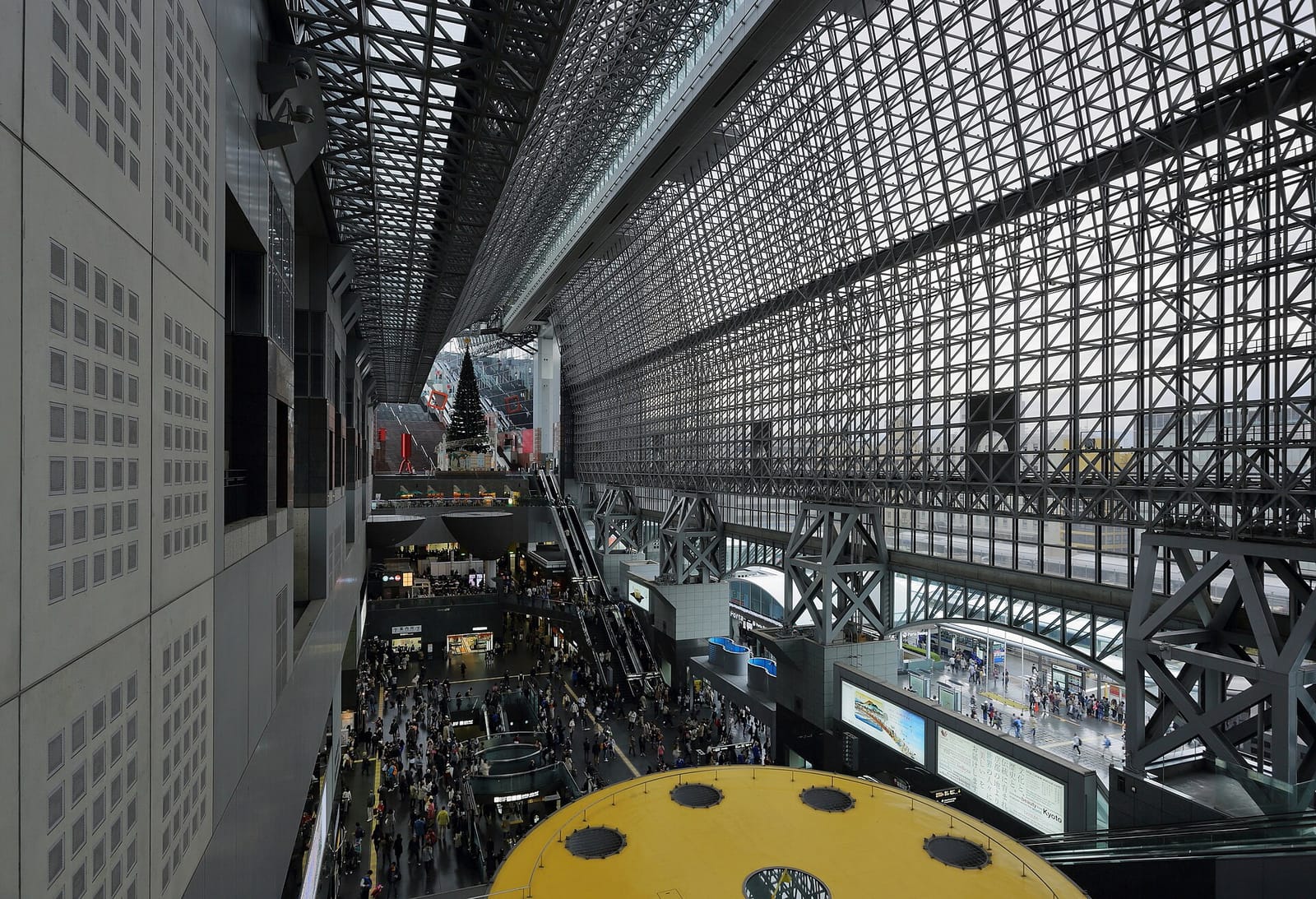
At Kyoto Station, three things you will use are in different places:
- The bus stops are in front of the Central Gate. The EX100 sightseeing limited express bus to Gion leaves from stop D1, according to Kyoto City’s official travel guide.
- The JR Nara Line uses platforms 8, 9 and 10. This is the first leg of the train route to Gion, according to JR West.
- The luggage counters are spread across the building. HANDS FREE KYOTO lists five at the station, including Crosta KYOTO and a delivery counter at the JR Hachijo Gate.
In Gion, the main rail stop is Keihan Gion-Shijo Station. JR West’s directions use Exit 7, then a walk along Shijo-dori to the west gate of Yasaka Shrine. Yasaka Shrine says it is about 5 minutes on foot from Gion-Shijo and about 8 minutes from Hankyu Kawaramachi Station, on the other side of the river.
What is it like to stay around Kyoto Station?
Kyoto Station is the right base when your plans keep pulling you onto trains. The Shinkansen, the JR lines and the city bus stops are all at this one station, so a day trip starts without a transfer.
Kyoto Station
The station area is built for arrivals and departures. Hotels a few minutes from the platforms mean the walk with a suitcase is short on both your first and last day. If you are coming from Tokyo, our Shinjuku to Kyoto by Shinkansen guide covers the trip that ends here.
- Access
- JR Nara Line from platforms 8, 9 and 10; EX100 bus to Gion from stop D1
- Source
- www.westjr.co.jp
Strengths:
- Luggage is easy. Every HANDS FREE KYOTO counter is in or by the station, so you can store bags on checkout day and still go sightseeing.
- Day trips start at the door. You board JR trains, including the Nara Line, without crossing town first.
- Late arrivals are simple. You step off the train and reach the hotel without another ride.
Weak point: evenings. To reach Gion for dinner you take a train with a transfer, a bus or a taxi, and you make the same trip back at night. Around the station itself, the evening options are mostly the station building, department stores and Kyoto Tower.
Kyoto Tower
The obvious evening stop on the station side. The tower stands on Karasuma-dori facing the station, and its observation deck stays open until 21:00, with last admission at 20:30, according to the official site. It is a short evening plan for station-side guests who do not want to ride into Gion after dark.
- Hours
- Observation deck 10:00–21:00 (last admission 20:30)
- Source
- www.kyoto-tower.jp
What is it like to stay in Gion?
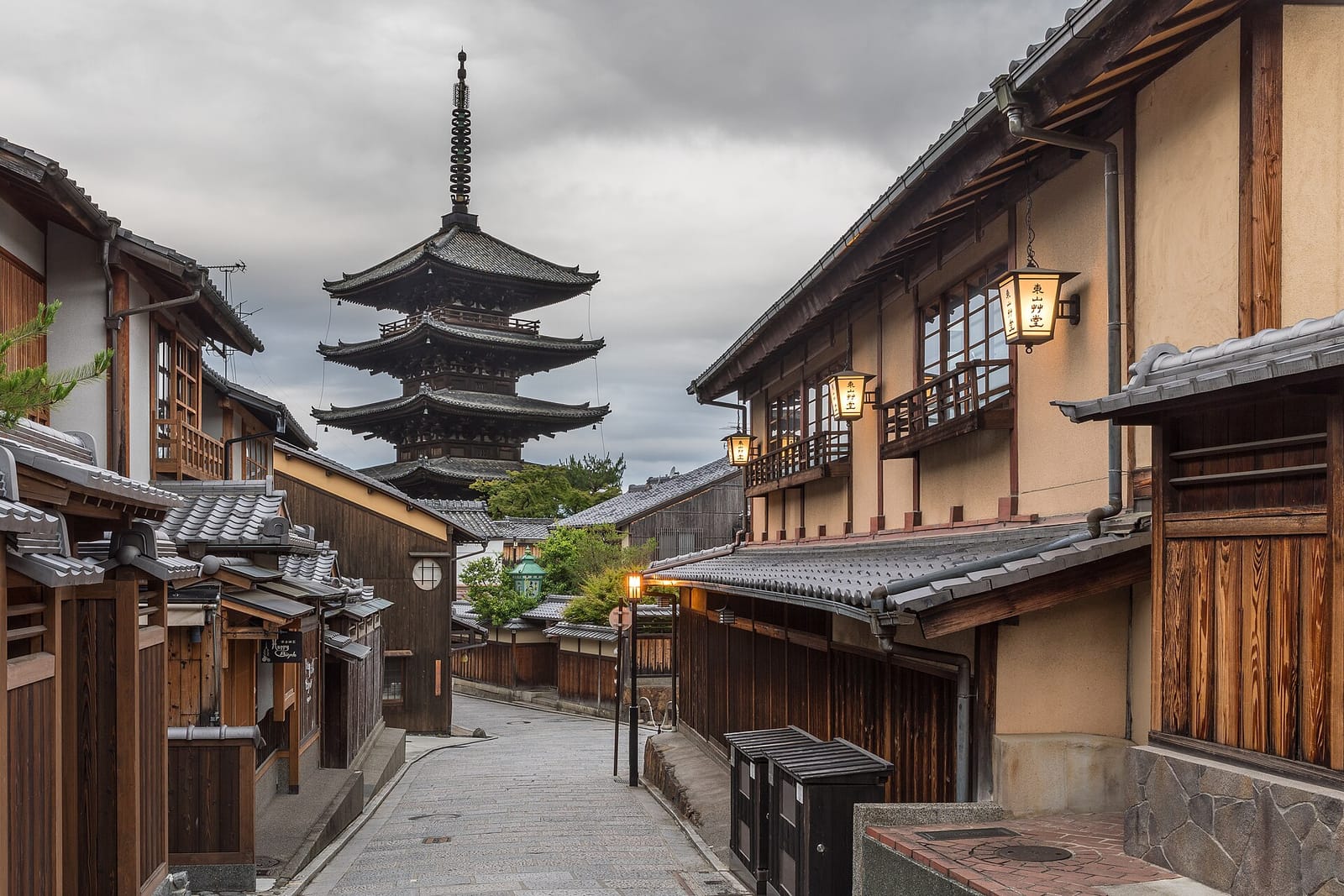
Gion is the right base when you plan to spend most of your time in Higashiyama and want your evenings free of transfers. Yasaka Shrine, the old streets around Hanamikoji and the walk up toward Kiyomizu-dera are all on foot from here.
Gion
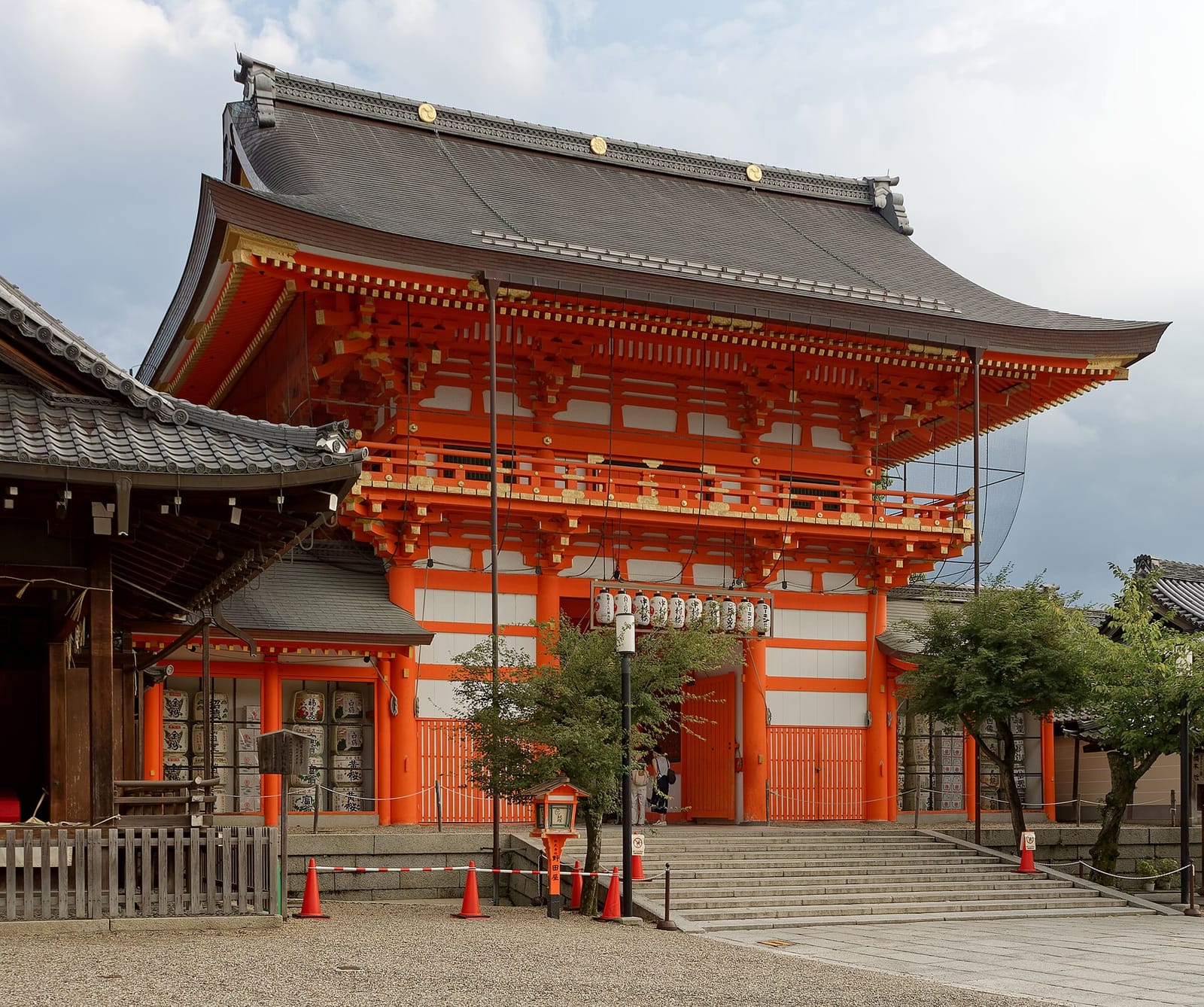
The core of the district runs along Shijo-dori to the gates of Yasaka Shrine. The shrine lists about a 5-minute walk from Keihan Gion-Shijo Station and about 8 minutes from Hankyu Kawaramachi Station. Staying here means the late walk back from dinner is the whole commute.
- Access
- About 5 min walk from Keihan Gion-Shijo Station to Yasaka Shrine; about 8 min from Hankyu Kawaramachi Station
- Source
- www.yasaka-jinja.or.jp
Strengths:
- Evenings are on foot. Dinner, a night walk and the return to your room need no train or bus.
- Early mornings are quiet. You can be at Yasaka Shrine or the Higashiyama streets before day-trip crowds arrive from the station.
- Two railways nearby. Keihan Gion-Shijo is in Gion itself, and Hankyu Kawaramachi is across the river, about 8 minutes on foot from Yasaka Shrine.
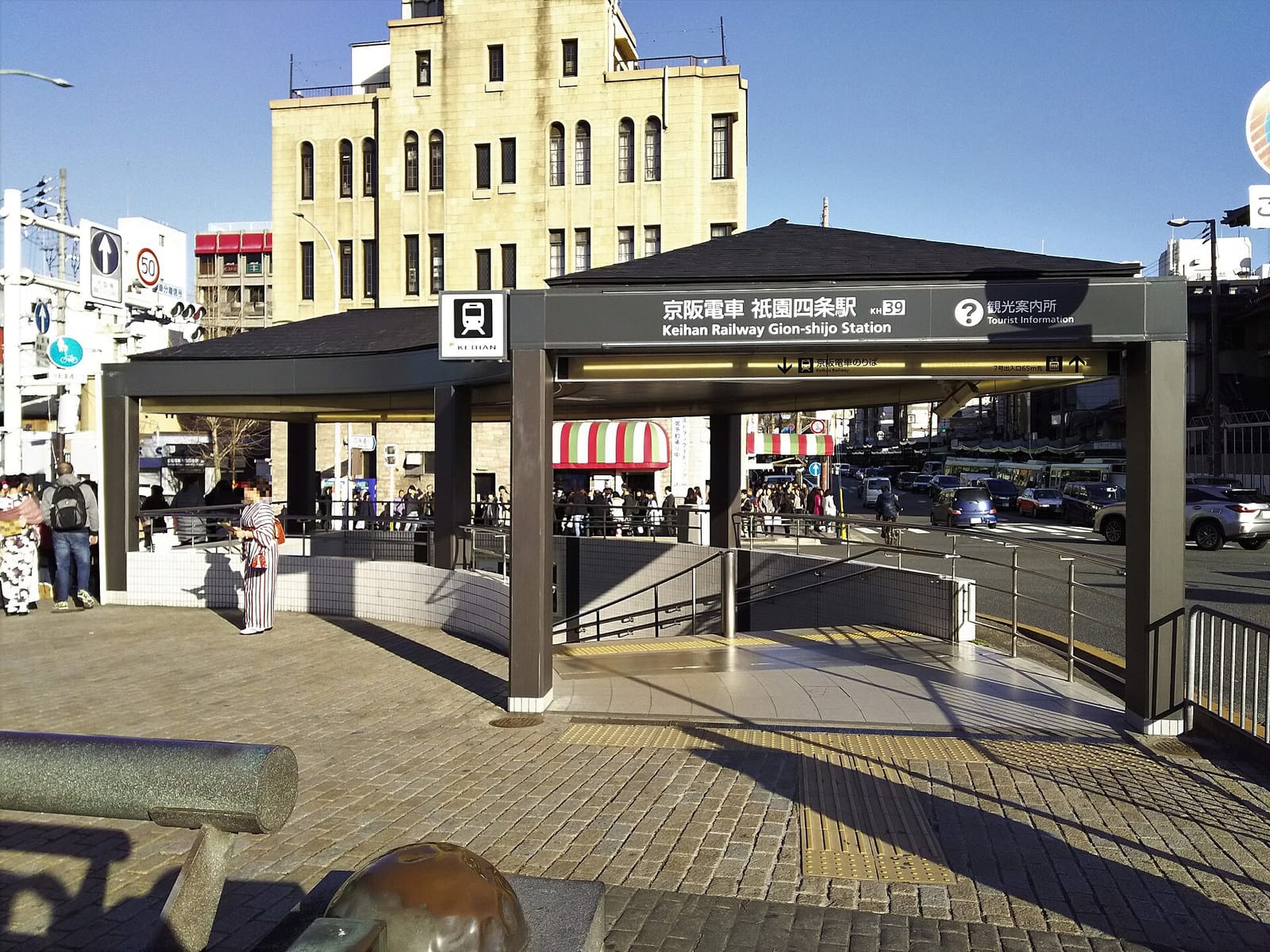
Weak point: arrival and departure days. Reaching Gion from Kyoto Station with a suitcase means a train transfer, a crowded city bus or a taxi. Gion is also a place where people live and work, so read and follow any posted signs about entry or photos, especially at night.
How long does it take to get between Kyoto Station and Gion?
By train it takes about 2 minutes on the JR Nara Line plus about 5 minutes on the Keihan Line, with a transfer at Tofukuji in between, according to JR West. Add the 5-minute walk from Gion-Shijo to Yasaka Shrine, the transfer and the wait for a Keihan train, which JR West says runs about every 10 minutes.
| Route | Time | Fare (as of November 2026) | With a suitcase | |
|---|---|---|---|---|
| Train: JR Nara Line + Keihan Line | About 2 min (JR) + about 5 min (Keihan), plus transfer at Tofukuji | Two separate fares (JR + Keihan); IC cards work on both | Possible; one transfer inside Tofukuji Station | |
| EX100 sightseeing limited express bus | About 15 min to Gion | ¥500 per ride | Kyoto City asks you not to bring large luggage on city buses | |
| Regular city bus | Depends on traffic | ¥230 (flat-fare zone) | Kyoto City asks you not to bring large luggage on city buses | |
| Taxi | About 15 min drive to Yasaka Shrine | Metered | The easiest option for heavy bags |
Route
- Train: JR Nara Line + Keihan Line
- About 2 min (JR) + about 5 min (Keihan), plus transfer at Tofukuji
- EX100 sightseeing limited express bus
- About 15 min to Gion
- Regular city bus
- Depends on traffic
- Taxi
- About 15 min drive to Yasaka Shrine
Time
- Train: JR Nara Line + Keihan Line
- Two separate fares (JR + Keihan); IC cards work on both
- EX100 sightseeing limited express bus
- ¥500 per ride
- Regular city bus
- ¥230 (flat-fare zone)
- Taxi
- Metered
Fare (as of November 2026)
- Train: JR Nara Line + Keihan Line
- Possible; one transfer inside Tofukuji Station
- EX100 sightseeing limited express bus
- Kyoto City asks you not to bring large luggage on city buses
- Regular city bus
- Kyoto City asks you not to bring large luggage on city buses
- Taxi
- The easiest option for heavy bags
With a suitcase
- Train: JR Nara Line + Keihan Line
- EX100 sightseeing limited express bus
- Regular city bus
- Taxi
How the train route works
JR West gives these steps from Kyoto Station toward Yasaka Shrine:
- Board any JR Nara Line train from platform 8, 9 or 10 and ride one stop, about 2 minutes, to Tofukuji.
- Walk to the Keihan transfer gate at the back of the platform. Before 7 a.m. or after 7 p.m., JR West says to use the exit at the front instead.
- Buy a Keihan ticket at the transfer machines, or tap an IC card such as ICOCA.
- From Keihan platform 1, take a train bound for Sanjo or Demachiyanagi and ride about 5 minutes to Gion-Shijo.
- Turn right after the ticket gate and climb to street level from Exit 7. Yasaka Shrine is about 5 minutes on foot along Shijo-dori.
Buses: fast on weekends, crowded with bags
The EX100 sightseeing limited express bus began on June 1, 2024. It leaves Kyoto Station from stop D1 and reaches Gion in about 15 minutes, getting off at stop C in front of Yoshimoto Gion Kagetsu, according to Kyoto City’s official travel guide. It costs ¥500 per ride and runs on Saturdays, Sundays, holidays, the Obon period and the New Year period only. On weekdays, it does not run.
Regular city buses cost ¥230 in the flat-fare zone, according to the Kyoto City Transportation Bureau. Yasaka Shrine notes that the stop for route 206 is a short walk from the shrine. If you ride buses and the subway several times in one day, the Subway & Bus 1-Day Pass costs ¥1,100, and Kyoto City’s guide says it is sold at machines beside the Kyoto Station bus stop.
What about your luggage?
Keep suitcases off the city bus. HANDS FREE KYOTO, the city’s official luggage site, asks visitors to “refrain from bringing large pieces of luggage onto city buses” and suggests sending bags ahead instead. That rule matters more for Gion guests, because the bus is the obvious way there.
What the official services offer:
- Station to hotel, same day: If you complete the procedure at a Kyoto Station counter before 2 p.m., your luggage can be delivered to your accommodation that day. Some accommodations do not accept deliveries, so check with yours first.
- Hotel to hotel, same day: Delivery between accommodations within Kyoto City is available on the same day. This helps if you split your stay between the two areas.
- Hotel to Kyoto Station, same day: You can send bags from your hotel to the station on departure day and pick them up before your train.
- JR West’s station-to-hotel service: JR West lists Kyoto Station for its Luggage Delivery Service, which you can book with a smartphone.
The Kyoto Station counters keep different hours, according to HANDS FREE KYOTO (as of November 2026):
| Counter | Service | Reception hours |
|---|---|---|
| Crosta KYOTO | Delivery and storage | 8:00–20:00 |
| Kotochika Kyoto City Bus & Subway Information Center | Delivery | 7:30–19:30 |
| Kyoto Tourist Information Center “Kyo Navi” | Delivery | 8:30–19:00 |
| JR Kyoto Station Hachijo Gate Delivery Service | Delivery and storage | 10:00–18:00 |
| MK KYOTO TRAVEL CENTER | Delivery and storage | 9:00–19:00 |
If your train arrives after the 2 p.m. cut-off and you booked Gion, a taxi is the simplest way to the hotel. If you booked near the station, you just walk.
What changes in the evening?
The evening is where Gion wins. From a Gion hotel, the walk back from dinner is a few minutes, and the train timetable does not matter. From a station hotel, an evening in Gion ends with the same transfer or bus ride you made in the morning, often with tired feet.
Think about how many evenings you will spend in Higashiyama:
- Most evenings in Gion and Higashiyama: Stay in Gion. You save one round trip per night.
- Evenings near your hotel after day trips: Stay near Kyoto Station. You return on the same trains you left on, and Kyoto Tower and the station’s restaurants are right there.
- A mix: Stay near the station and take a taxi back on the one or two nights you eat in Gion.
The same thinking about “which walk you make at night” appears in our Shinjuku east or west exit guide: the side of town you sleep in should be the one you are in when you are most tired.
So, Gion or Kyoto Station?
Choose Kyoto Station if you carry heavy luggage, take several day trips or have an early train or flight. Choose Gion if you spend most days in Higashiyama and want your evenings on foot.
| Kyoto Station | Gion | |
|---|---|---|
| Best for | Day trips, short stays, heavy luggage | Higashiyama sightseeing, evenings out |
| Arrival with a suitcase | Walk from the platform | Train with transfer, or taxi (about 15 min) |
| Luggage services | Five official counters in the station | Same-day delivery from the station before 2 p.m. |
| Evenings | Station building, Kyoto Tower (until 21:00) | Walk back from dinner |
| Getting to the other area | About 2 + 5 min by train with a transfer; EX100 bus on weekends | Same route in reverse |
Kyoto Station
- Best for
- Day trips, short stays, heavy luggage
- Arrival with a suitcase
- Walk from the platform
- Luggage services
- Five official counters in the station
- Evenings
- Station building, Kyoto Tower (until 21:00)
- Getting to the other area
- About 2 + 5 min by train with a transfer; EX100 bus on weekends
Gion
- Best for
- Higashiyama sightseeing, evenings out
- Arrival with a suitcase
- Train with transfer, or taxi (about 15 min)
- Luggage services
- Same-day delivery from the station before 2 p.m.
- Evenings
- Walk back from dinner
- Getting to the other area
- Same route in reverse
A quick way to decide:
- One or two nights, arriving by Shinkansen: Kyoto Station.
- Three nights or more, focused on temples and old streets: Gion.
- Families with large bags and no luggage delivery: Kyoto Station.
- Couples planning dinners in Higashiyama: Gion.
- Splitting the stay: First nights in Gion, last night by the station, with same-day hotel-to-hotel delivery in between.
Before you book, check one detail: which station a hotel’s walking time is measured from. In Gion, “5 minutes from the station” may mean Gion-Shijo or Kawaramachi, which are on opposite sides of the river. At Kyoto Station, check whether the hotel is on the Karasuma (north) side or the Hachijo (south) side, since that sets the walk to your platform.
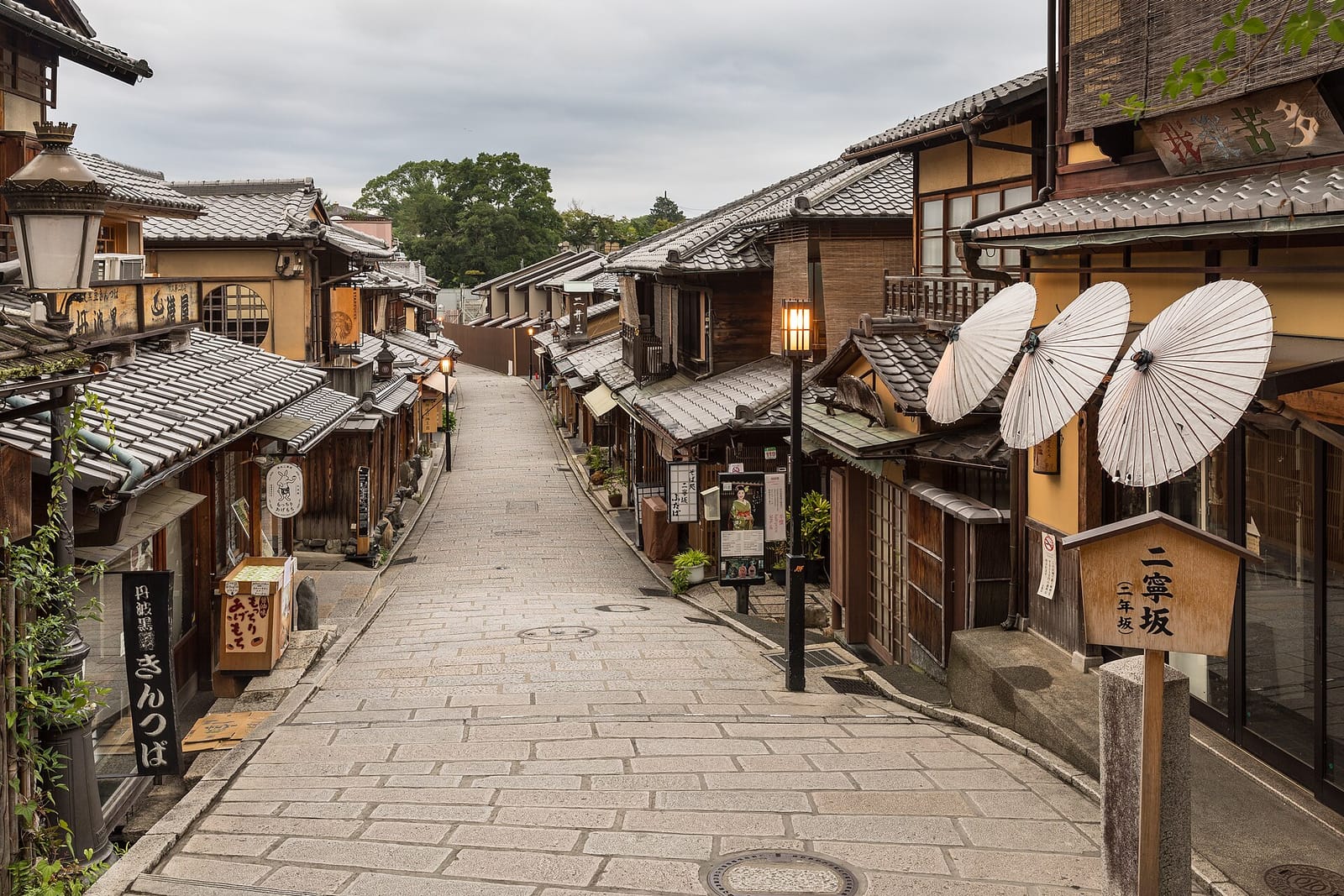 Gion and Higashiyama Walking Itinerary: Morning and Evening Routes
 Best Ryokan in Kyoto Under $300: Five Picks by Budget for Two
FAQ
Is it better to stay in Gion or near Kyoto Station?
Near Kyoto Station is better for travelers with heavy luggage, many day trips or an early train or flight. Gion is better for travelers who spend most of their time in Higashiyama and want to walk back to the hotel after dinner. If you stay only one or two nights and arrive with big bags, the station side is usually simpler.
How do you get from Kyoto Station to Gion?
The train route takes the JR Nara Line from platforms 8, 9 or 10 to Tofukuji (about 2 minutes), then the Keihan Line toward Demachiyanagi to Gion-Shijo (about 5 minutes), according to JR West. On Saturdays, Sundays and holidays, the EX100 sightseeing limited express bus runs from bus stop D1 to Gion in about 15 minutes for ¥500. A taxi to Yasaka Shrine takes about 15 minutes, according to the shrine.
Can you take a suitcase on a Kyoto city bus?
Kyoto City asks visitors to refrain from bringing large luggage onto city buses, because suitcases crowd the vehicles. Its HANDS FREE KYOTO service lets you hand bags over at Kyoto Station and have them delivered to your accommodation the same day, if you complete the procedure before 2 p.m.
How much is the bus from Kyoto Station to Gion?
Regular Kyoto City buses in the flat-fare zone cost ¥230 for adults, and the EX100 sightseeing limited express bus costs ¥500, according to the Kyoto City Transportation Bureau (as of November 2026). The Subway & Bus 1-Day Pass costs ¥1,100 and covers both.
Sources
- JR West — Smart Travel: Kyoto Station to Yasaka Shrine
- Kyoto City Official Travel Guide — The Limited Express Bus from Kyoto Station to Gion, Heian-jingu Shrine and Ginkakuji Temple
- Kyoto City Transportation Bureau — City Bus Fare
- HANDS FREE KYOTO (Kyoto City Official)
- HANDS FREE KYOTO — Services
- JR West — Hands-Free Travel Service
- Yasaka Shrine — Access
- Kyoto Tower — official site
This article contains affiliate links. We may earn a commission at no extra cost to you.