Where to Stay in Tokyo for First Timers: Areas by Travel Style
Shinjuku, Shibuya, Ginza, Tokyo Station, Asakusa or Ueno? Choose your first Tokyo base by travel style and airport, with official travel times.
Stay in Shinjuku for your first trip to Tokyo, unless your plans point clearly somewhere else. Every JR line stops at Shinjuku Station, the JR Chuo Line Rapid reaches Tokyo Station in 14 minutes, and the Odakyu Line toward Hakone stops there too. The exceptions are simple: pick Tokyo Station or Ginza if you will ride the Shinkansen, Asakusa or Ueno if you land at Narita and want old Tokyo, and Shibuya if your days are about fashion and cafés. Below, each travel style gets its own answer, followed by a table of official travel times from both airports.
Which Tokyo area is best for a first-time visitor?
Shinjuku is the safest all-round choice, and Tokyo Station is a close second. Both are big rail hubs, so you rarely need more than one train to reach the main sights.
Tokyo is large, and where you sleep decides how long you spend on trains each day. GO TOKYO, the official tourism site of the Tokyo Metropolitan Government, lists these lines at Shinjuku Station: all JR lines, the Keio Line, Odakyu, the Tokyo Metro Marunouchi Line, and the Toei Shinjuku and Toei Oedo lines. Tokyo Station, on the other side of the city, has the Shinkansen and the Marunouchi Line, which runs direct to Ginza and Shinjuku.
If you are unsure, list the five places you most want to see and check which of the areas below is closest to most of them. Our Shinjuku first-timer guide goes one level deeper, into which side of Shinjuku Station to choose.
Shinjuku
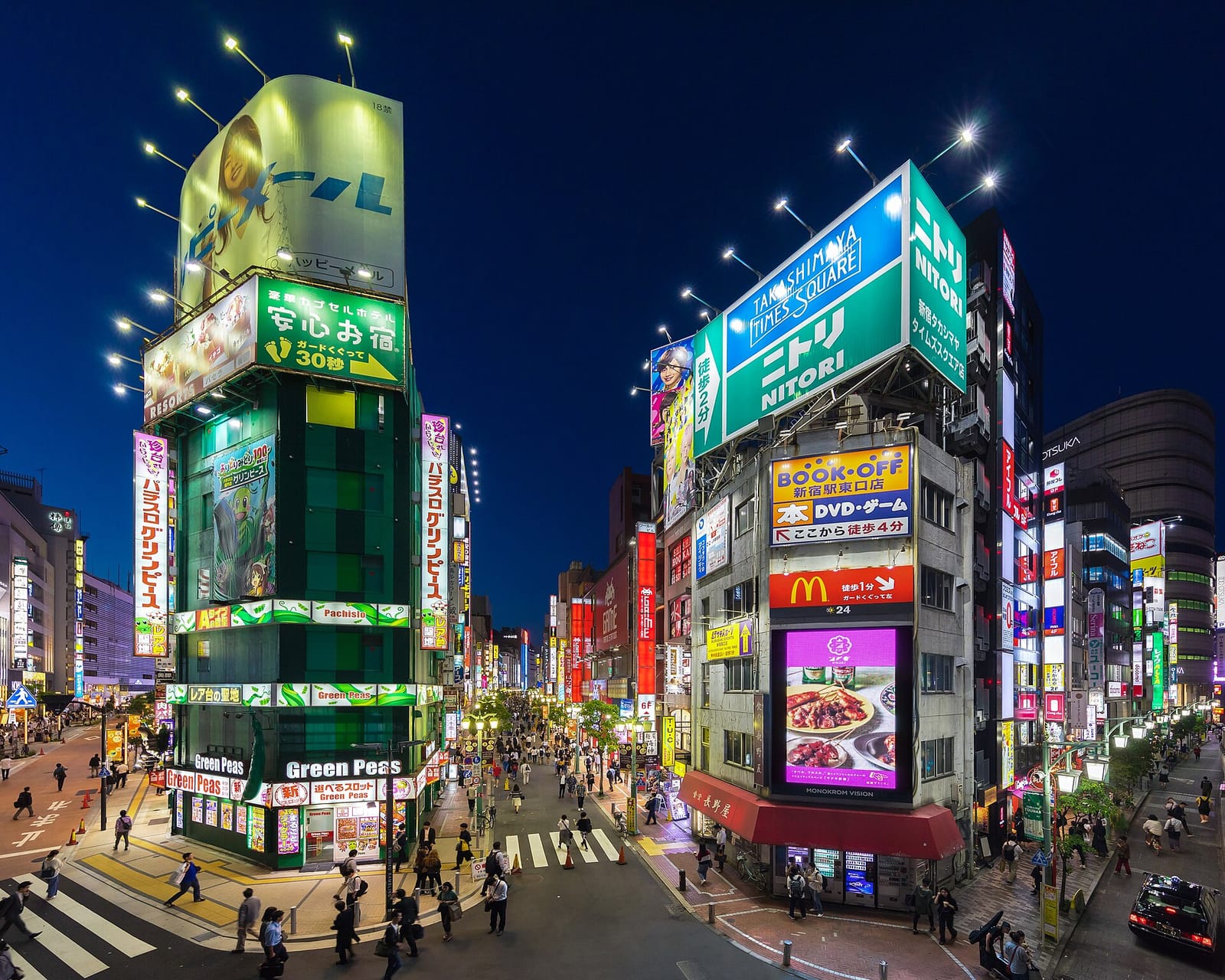
- Access
- Tokyo Station 14 min (JR Chuo Line Rapid); Haneda 55 min by bus or train
- Source
- www.gotokyo.org
Where should you stay if you plan day trips?
Stay in Shinjuku for Hakone and Mt. Fuji, and near Tokyo Station for Kyoto, Osaka and other Shinkansen trips.
Shinjuku Station is on the Odakyu Line, the railway toward Hakone, so a hotel near the Odakyu gates keeps the morning of a day trip simple. For the train and bus routes, times and tickets, see our Mt. Fuji day trip by bus and Hakone day trip from Shinjuku guides.
For Shinkansen trips, Tokyo Station is the starting point. GO TOKYO notes that bullet trains run from Tokyo Station to destinations from Hakodate in the north to Fukuoka in the south. If you plan to leave early for Kyoto or travel with a big suitcase, sleeping near the station saves a cross-city ride at rush hour. Our Shinjuku to Kyoto by Shinkansen guide covers the trip if you are based on the west side instead.
Tokyo Station and Marunouchi
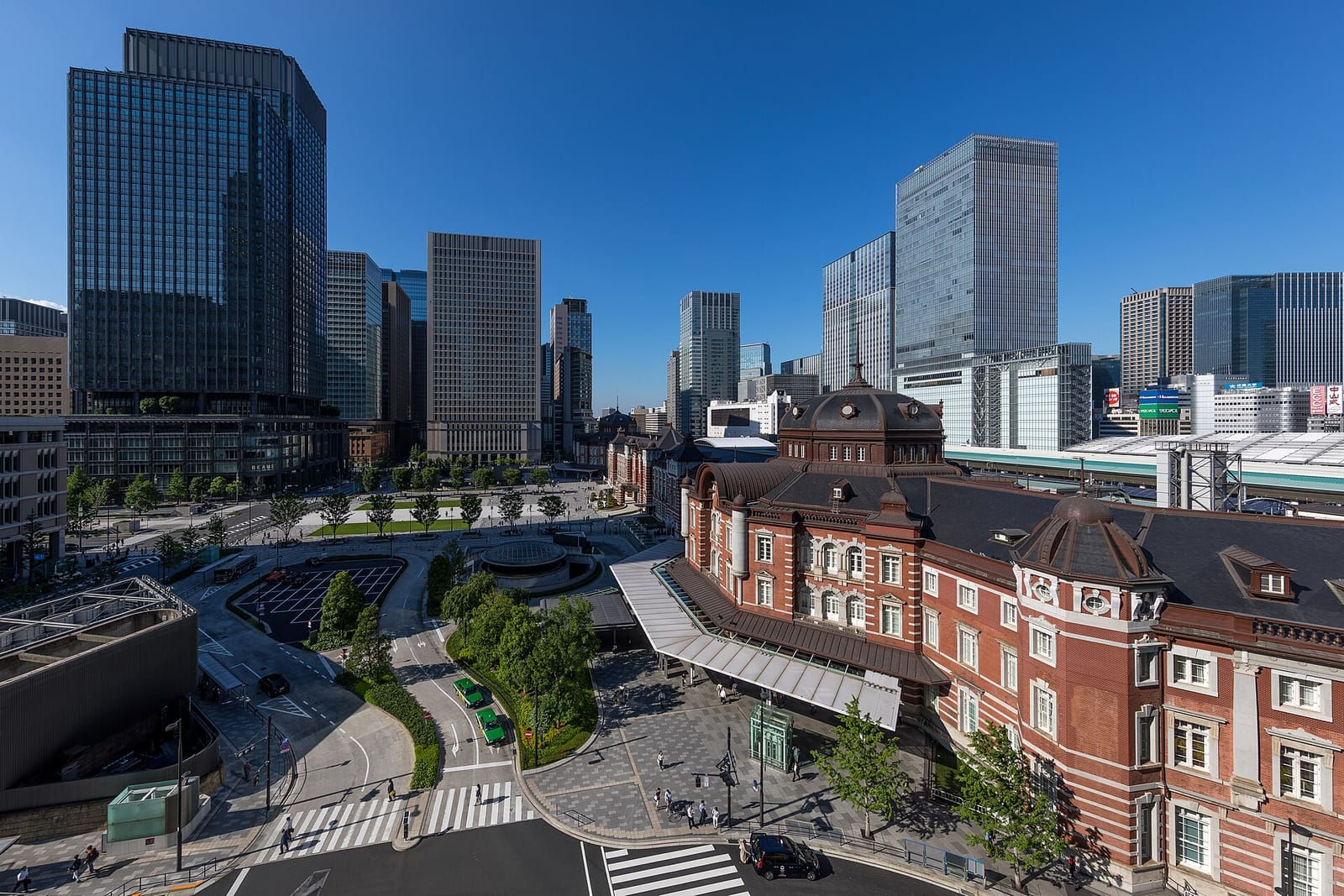
- Access
- Shinjuku 14–15 min; Narita Express approx. 60 min; Haneda 30–55 min by bus
- Source
- www.gotokyo.org
Which area is easiest from the airport?
It depends on which airport you use. From Narita, Ueno and Tokyo Station have the most direct trains; from Haneda, Ginza, Tokyo Station and Shibuya are the quickest.
This is the question most guides skip, and it matters most on your first night, when you arrive tired with luggage. GO TOKYO gives approximately 45 minutes from Narita to Ueno on the Keisei Skyliner, and Keisei itself says as little as 41 minutes to Keisei Ueno. The Narita Express reaches Tokyo Station in about 60 minutes and Shinjuku in about 90. From Haneda, the Tokyo Monorail reaches Hamamatsucho in 13 minutes at the shortest, and Tokyo Station is 7 more minutes on the JR Yamanote Line.
All times below are from GO TOKYO, as of November 2026. They are door-to-station estimates for the fastest common option, not timetables.
| Shinjuku | Shibuya | Tokyo Station / Ginza | Asakusa | Ueno | |
|---|---|---|---|---|---|
| From Haneda | 55 min, bus or train | 45 min by train; 55 min by bus | Ginza: 35 min by bus, 50 min by train. Tokyo Station: 30–55 min by bus | 50 min by train | About 50 min by train |
| From Narita | 1 hr 35 min by train; 2 hr by bus | 1 hr 40 min by train; 1 hr 55 min by bus | Tokyo Station: about 60 min, Narita Express. Ginza: 1 hr 35 min by train | 1 hr 25 min by train | About 45 min, Keisei Skyliner |
| To Tokyo Station | 14 min, JR Chuo Line Rapid | 23 min, JR Yamanote Line | — | 20 min, with a change at Kanda | 8 min, JR Yamanote Line |
| To Shinjuku | — | 7 min, JR Yamanote Line | 15–16 min (Ginza: Marunouchi Line) | 35 min, with a change at Kanda | 24 min, JR Yamanote Line |
| Best for | All-round first trip, nightlife, Hakone | Fashion, cafés, Harajuku | Shinkansen, shopping, quiet nights | Temples, old Tokyo, river | Museums, families, Narita |
Shinjuku
- From Haneda
- 55 min, bus or train
- From Narita
- 1 hr 35 min by train; 2 hr by bus
- To Tokyo Station
- 14 min, JR Chuo Line Rapid
- To Shinjuku
- —
- Best for
- All-round first trip, nightlife, Hakone
Shibuya
- From Haneda
- 45 min by train; 55 min by bus
- From Narita
- 1 hr 40 min by train; 1 hr 55 min by bus
- To Tokyo Station
- 23 min, JR Yamanote Line
- To Shinjuku
- 7 min, JR Yamanote Line
- Best for
- Fashion, cafés, Harajuku
Tokyo Station / Ginza
- From Haneda
- Ginza: 35 min by bus, 50 min by train. Tokyo Station: 30–55 min by bus
- From Narita
- Tokyo Station: about 60 min, Narita Express. Ginza: 1 hr 35 min by train
- To Tokyo Station
- —
- To Shinjuku
- 15–16 min (Ginza: Marunouchi Line)
- Best for
- Shinkansen, shopping, quiet nights
Asakusa
- From Haneda
- 50 min by train
- From Narita
- 1 hr 25 min by train
- To Tokyo Station
- 20 min, with a change at Kanda
- To Shinjuku
- 35 min, with a change at Kanda
- Best for
- Temples, old Tokyo, river
Ueno
- From Haneda
- About 50 min by train
- From Narita
- About 45 min, Keisei Skyliner
- To Tokyo Station
- 8 min, JR Yamanote Line
- To Shinjuku
- 24 min, JR Yamanote Line
- Best for
- Museums, families, Narita
If you are landing at Narita and heading west, our Narita Airport to Shinjuku guide compares the train and bus options in detail.
Where should you stay for nightlife and food?
Shinjuku, then Shibuya. Both stay busy well after the last trains, which GO TOKYO says run until around midnight.
Shinjuku’s east side has Kabukicho and the small bars of Golden Gai, plus izakaya and late ramen; our Shinjuku at night route covers the main stops. Shibuya’s evenings center on the streets west of the station, with live music venues and clubs. If you choose either area for nights out, a hotel within walking distance of the bars means you do not have to watch the clock for the last train.
Shibuya
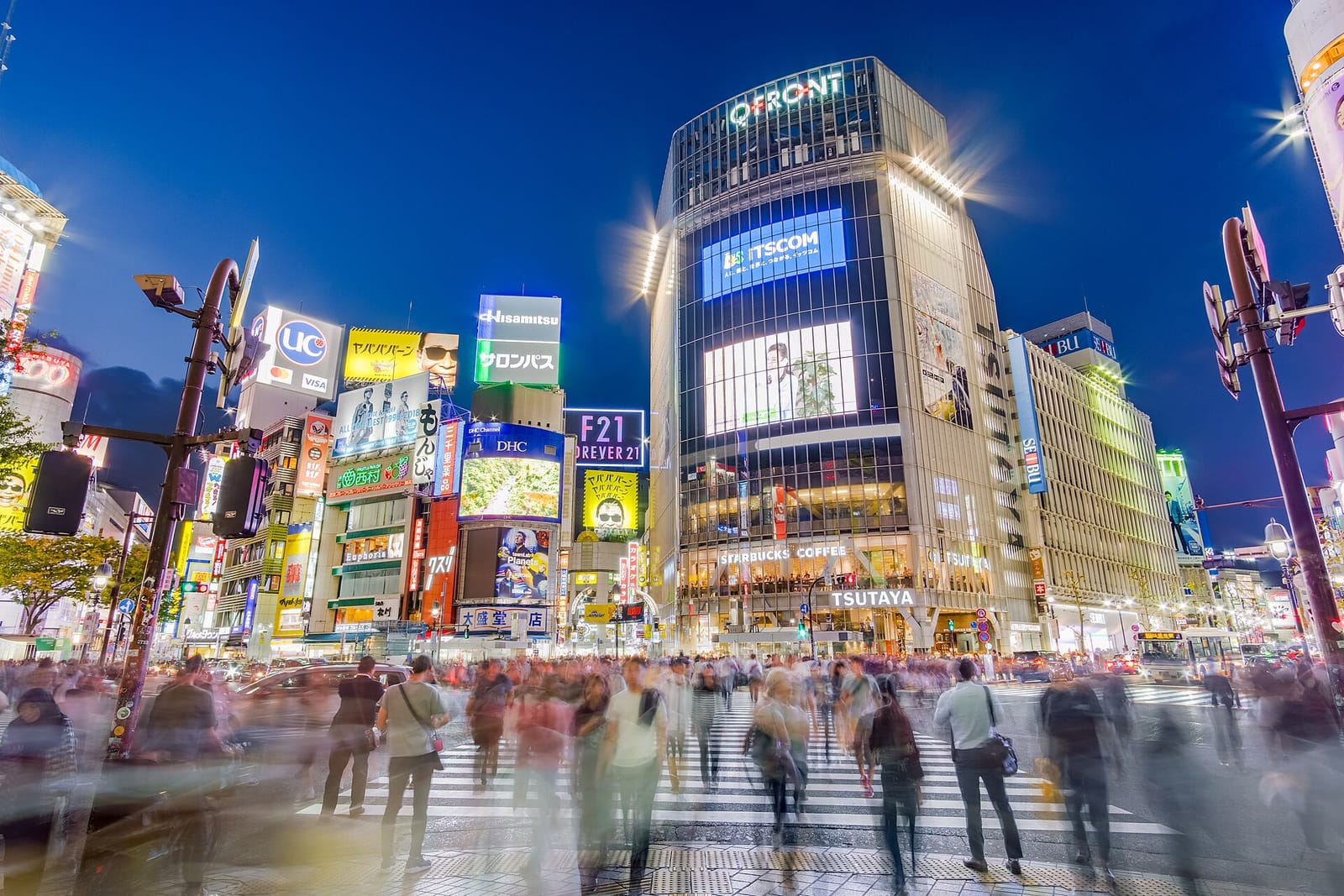
- Access
- Shinjuku 7 min (JR Yamanote Line); Haneda 45 min by train
- Source
- www.gotokyo.org
For a direct comparison of these two, see Shinjuku vs Shibuya: which is the better base.
Where should you stay for traditional Tokyo?
Asakusa, for temples and streets with an older feel. Its draw is Sensoji, and its downside is the longer ride to western Tokyo.
GO TOKYO describes Sensoji as the centerpiece of Asakusa, entered through Kaminarimon, the “Thunder Gate” with its large red lantern, and Nakamise, the shopping street that leads to the main hall. Staying nearby lets you see the temple approach early, before day-trip groups arrive. The Sumida River is next to the station, with views of Tokyo Skytree from Azuma-bashi Bridge and waterbuses from a pier a 3-minute walk away.
The trade-off is time to the west side. GO TOKYO gives 35 minutes from Asakusa to Shinjuku, with a change from the Ginza Line to the JR Chuo Line at Kanda. Asakusa Station is on the Tokyo Metro Ginza Line, the Toei Asakusa Line and the Tobu Skytree Line. Our Shinjuku to Asakusa by train guide shows the transfer step by step.
Asakusa
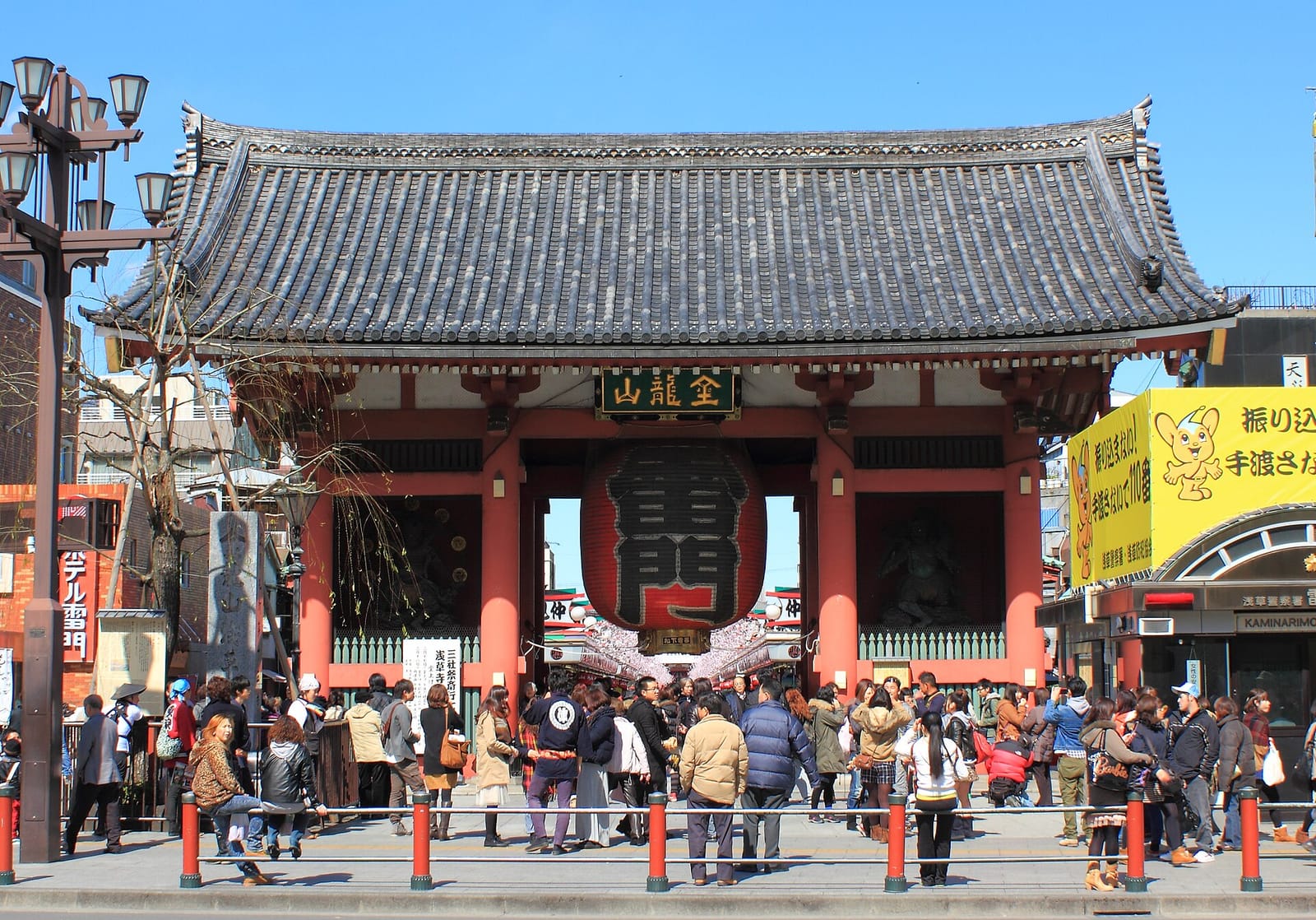
- Access
- Tokyo Station 20 min; Shinjuku 35 min (change at Kanda); Haneda 50 min by train
- Source
- www.gotokyo.org
Where should you stay with children?
Ueno, for Ueno Park on the station’s doorstep. Shinjuku is the alternative if you also want a big garden and easy day trips.
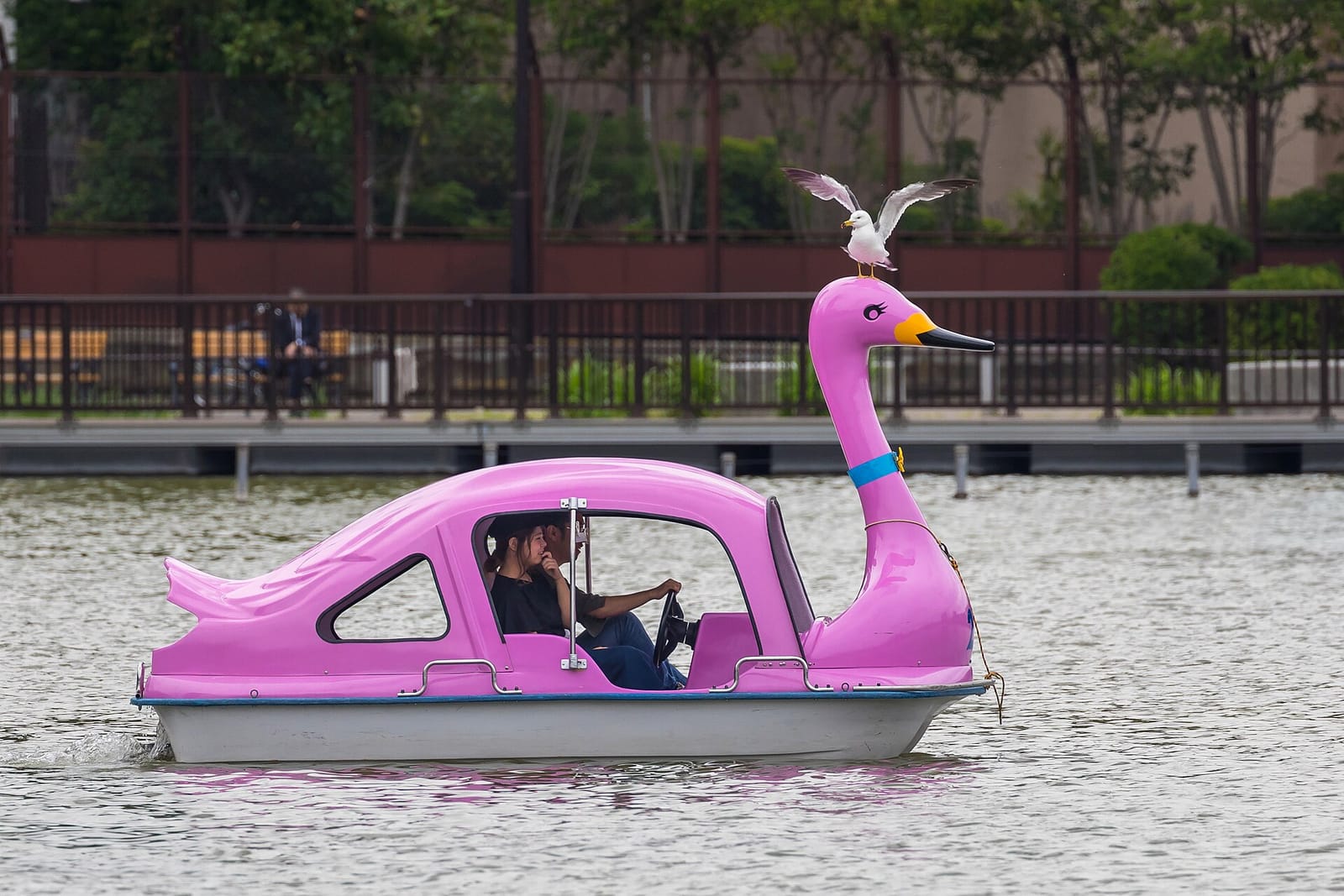
GO TOKYO describes Ueno Park as sitting next to Ueno Station, with museums, a large boating pond, a shrine with a pagoda and Japan’s oldest zoo. Ueno Zoo has about 2,500 animals from about 300 species, and its main gate is a 5-minute walk from the JR Ueno Station Park Entrance. The National Museum of Nature and Science has a strong focus on dinosaurs. That is a full day without boarding a train, which helps with small children.
Ueno is also practical for getting around: GO TOKYO gives 8 minutes to Tokyo Station and 24 minutes to Shinjuku on the JR Yamanote Line, and Keisei Ueno is the terminal for the Skyliner to Narita. If you are weighing Shinjuku instead, our guide to whether Shinjuku is good for families covers its quieter streets.
Ueno
- Access
- Tokyo Station 8 min, Shinjuku 24 min (JR Yamanote Line); Narita approx. 45 min by Skyliner
- Source
- www.gotokyo.org
Where should you stay for shopping and quiet evenings?
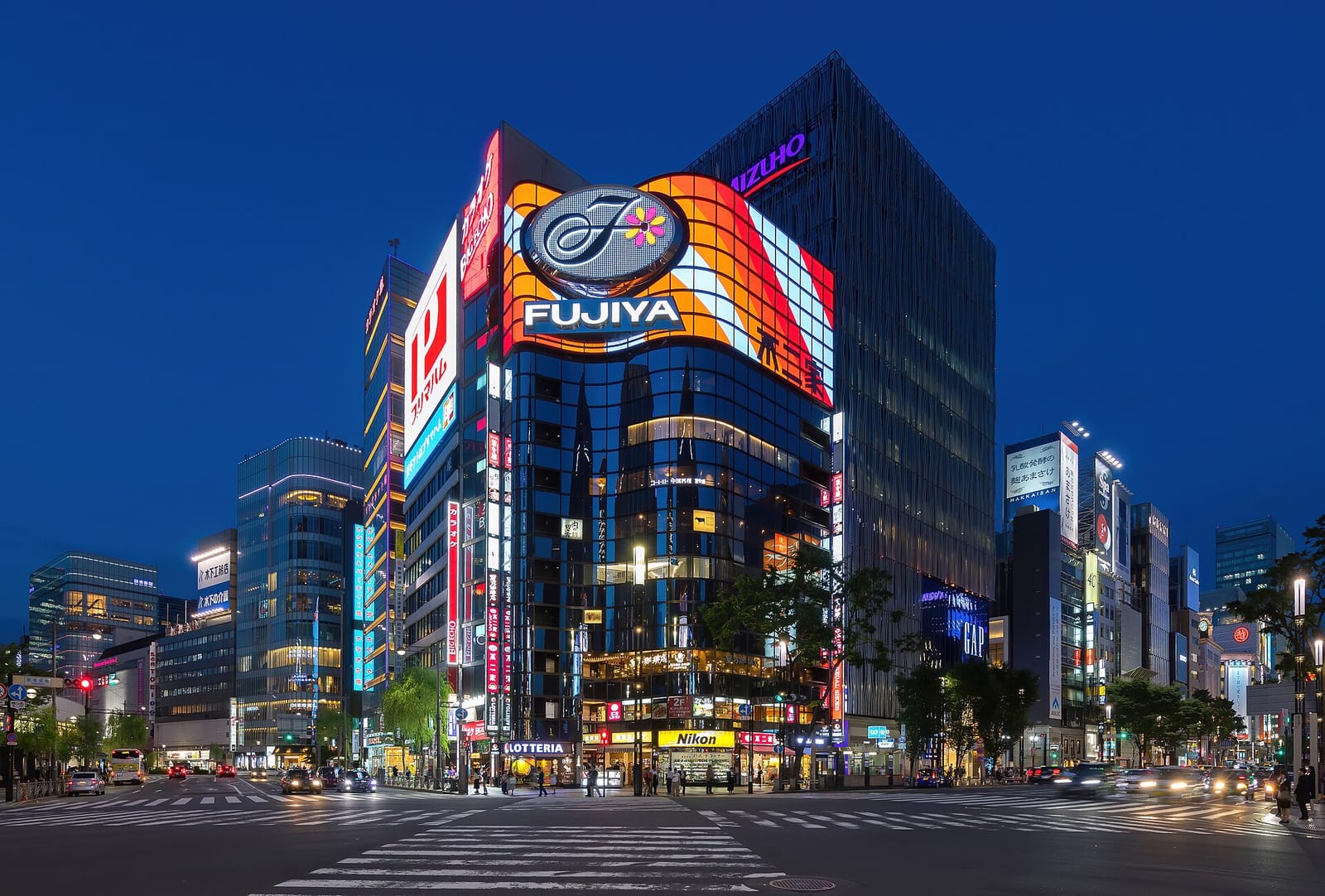
Ginza. It sits between Tokyo Station and the bay, with department stores and flagship shops, and its streets are calm at night compared with Shinjuku or Shibuya.
GO TOKYO gives 3 minutes from Tokyo Station to Ginza on the Marunouchi Line, 16 minutes from Shinjuku on the same line, and a 5-minute walk from JR Yurakucho Station. On weekends and national holidays, the main street becomes a pedestrian zone: from noon to 6 p.m. from April to September, and from noon to 5 p.m. from October to March. Kabukiza, the home of kabuki theater, is also in Ginza.
Ginza also has the quickest bus from Haneda in this guide, at 35 minutes by limousine bus according to GO TOKYO. That makes it a good choice if your flights are late at night or early in the morning.
Ginza
- Access
- Tokyo Station 3 min, Shinjuku 16 min (Marunouchi Line); Haneda 35 min by bus
- Source
- www.gotokyo.org
Where should you stay on a tight budget?
Look at Ueno and Asakusa first, mainly for daily costs: GO TOKYO describes Ameyoko as known for low-priced fresh food and cheap street food, and Nakamise in Asakusa is lined with snack stalls.
Prices change by season and day of the week, so compare the same dates across two or three areas before you book rather than assuming one area is always cheaper. Consider transport too. A cheaper room far from your sights can cost more in train fares and time than it saves. Ueno, with the Yamanote Line to Tokyo Station and Shinjuku and the Skyliner to Narita, keeps both low.
Can you split your stay between two areas?
Yes, and on a week-long first trip it often works well. A common pattern is east Tokyo (Asakusa or Ueno) for the first nights after a Narita arrival, then Shinjuku for the second half, with day trips to Hakone or Mt. Fuji.
Moving hotels uses part of a day, so a split makes most sense when each stay is several nights. If you do, send your bags ahead with a luggage delivery service or leave them at the station; our Shinjuku Station luggage storage guide lists the options on the Shinjuku side.
 Imperial Palace East Gardens and Marunouchi With Elderly Parents
 Tokyo Station to Narita by Bus: The ¥1,500 TYO-NRT From Yaesu
FAQ
What is the best area to stay in Tokyo for a first trip?
For most first trips, Shinjuku is the easiest all-round base. GO TOKYO lists all JR lines, two private railways and three subway lines at Shinjuku Station, so most sights are one train away. If you plan Shinkansen trips or want quieter evenings, Tokyo Station and Ginza are good alternatives.
Is Asakusa or Ueno a good place to stay in Tokyo?
Yes, especially if you arrive at Narita. Keisei says the Skyliner reaches Keisei Ueno in as little as 41 minutes, and Asakusa is home to Sensoji Temple. The trade-off is distance from western Tokyo: GO TOKYO gives 35 minutes from Asakusa to Shinjuku with a transfer at Kanda.
Which Tokyo area is closest to Haneda Airport?
Of the areas in this guide, Ginza and Tokyo Station are the quickest by bus. GO TOKYO gives 35 minutes from Haneda to Ginza by limousine bus, and 30 to 55 minutes to Tokyo Station depending on the bus and terminal. Shibuya is the quickest by train, at 45 minutes.
Is it better to stay near Tokyo Station or Shinjuku?
Stay near Tokyo Station if your trip includes Shinkansen rides to Kyoto, Osaka or northern Japan, because the bullet trains leave from there. Stay in Shinjuku if you want more evening options and day trips to Hakone or Mt. Fuji. The two are 14 minutes apart on the JR Chuo Line Rapid.
Sources
- GO TOKYO — A guide to Shinjuku (lines and travel times)
- GO TOKYO — Shibuya (lines and travel times)
- GO TOKYO — Tokyo Station & Marunouchi area travel guide
- GO TOKYO — A guide to Ginza
- GO TOKYO — Asakusa
- GO TOKYO — Ueno travel guide
- GO TOKYO — Narita Airport access
- GO TOKYO — Haneda Airport access
- Keisei Electric Railway — Skyliner
This article contains affiliate links. We may earn a commission at no extra cost to you.