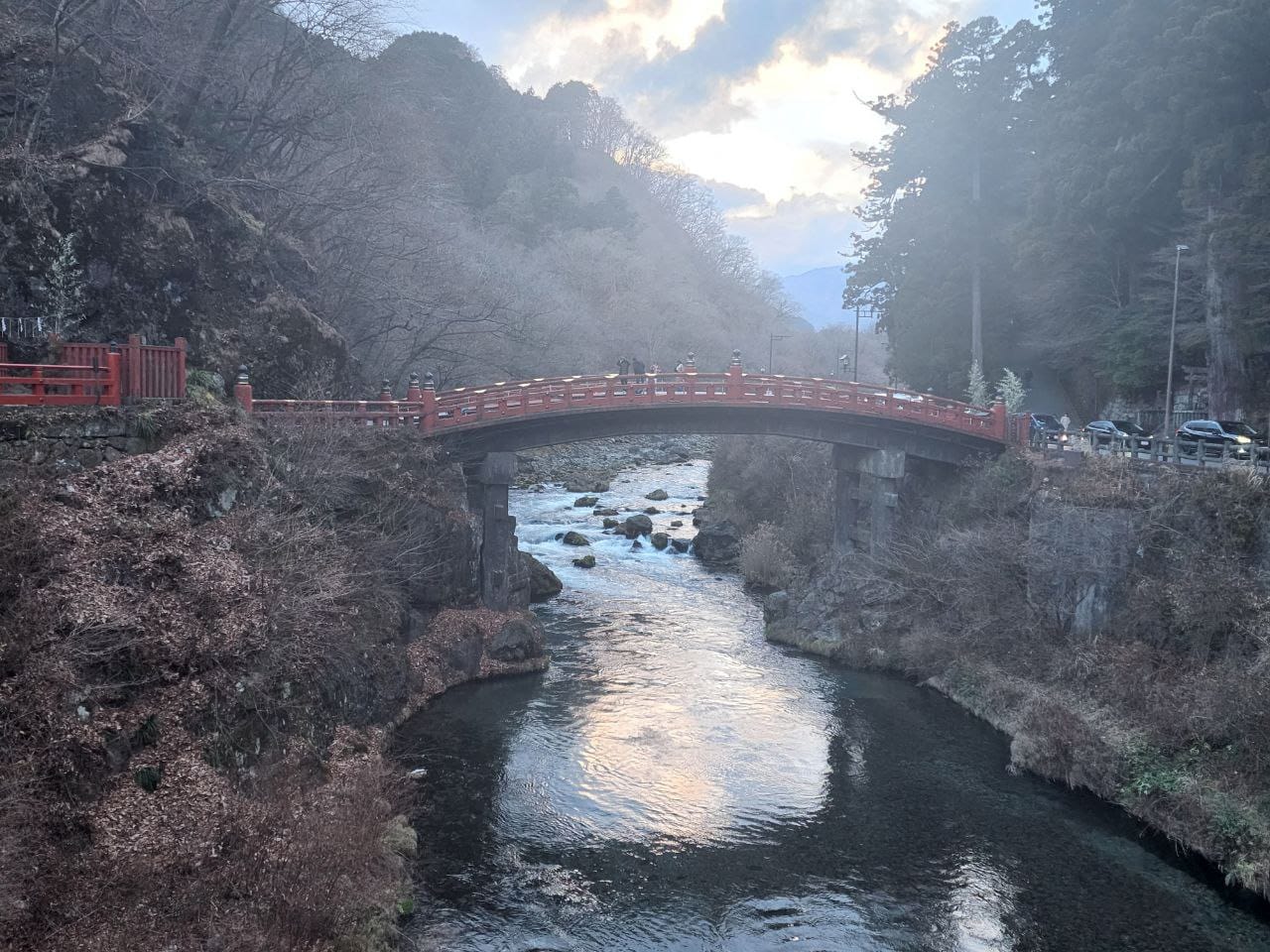
Is the NIKKO PASS Worth It? Break-Even Math for Every Trip
NIKKO PASS World Heritage Area (¥3,000) vs All Area (¥8,000): break-even math for a day trip, Lake Chuzenji, Kinugawa Onsen and 4-day stays.
¥3,000. That is the price of the NIKKO PASS World Heritage Area for an adult, as of November 2026, and Tobu’s own fare table puts two ordinary Asakusa–Tobu-Nikko tickets at ¥2,800. So on the train alone, the pass costs you ¥200 more. Whether it is worth it depends on what you add: two local bus rides, a night in Kinugawa Onsen, or a trip up to Lake Chuzenji. The bigger All Area pass costs ¥8,000, and on most short trips it loses money. This guide runs the numbers for six common itineraries, lists the three mistakes that cost people the most, and shows where to buy.
All prices below are adult fares from Tobu Railway and Tobu Bus, as of November 2026. Limited express seats are left out of the comparisons, because you pay for them with or without a pass.
Is the NIKKO PASS worth it?
The World Heritage Area pass is worth it for most first visits; the All Area pass is worth it only for a 3- or 4-day stay that includes Lake Chuzenji, Yumoto Onsen and the lake cruise. Both passes are sold by Tobu Railway to foreign travelers, and to Japanese nationals traveling with them.
| World Heritage Area | All Area | |
|---|---|---|
| Adult / child price | ¥3,000 / ¥1,500 | ¥8,000 / ¥4,000 |
| Valid | 2 days | 4 days |
| Train from Tokyo | One round trip Asakusa–Shimo-Imaichi | One round trip Asakusa–Shimo-Imaichi |
| Tobu trains in Nikko | All Tobu lines between Shimo-Imaichi, Tobu-Nikko and Shin-Fujiwara (includes Kinugawa-Onsen) | Same |
| Tobu buses | Lines within the World Heritage Area (shrines and temples) | All Tobu Bus lines in Nikko, including Lake Chuzenji and Yumoto Onsen |
| Extras | Shop and facility discounts | Lake Chuzenji cruise (mid-April to November 30), one day-use onsen visit at Nikko Astraea Hotel, hybrid bus to Odashirogahara (mid-April to November 30), one 4-ride lift ticket at Nikko Yumoto Ski Resort in winter |
| Not included | Limited express ticket, shrine and temple admission | Same |
Visit Nikko, the city’s tourism site, describes the validity as 2 and 4 consecutive days. Tobu notes that the Akechidaira Ropeway, listed among the discounts, is suspended from January 16, 2026 to August 31, 2027.
Which trips break even, and which don’t?
The World Heritage Area pass breaks even with two bus rides; the All Area pass breaks even only on long, bus-heavy stays. The table compares regular adult base fares with the pass. Train fares come from Tobu’s fare table; bus fares come from Tobu Bus Nikko’s list of fares from JR/Tobu-Nikko Station, and assume the same fare on the way back.
| Trip (round trip from Asakusa) | Regular fares | Cheapest pass option | Verdict |
|---|---|---|---|
| 1. Shrines day trip, walking from the station | ¥2,800 | World Heritage ¥3,000 | Pass costs ¥200 more |
| 2. Shrines day trip with two short bus rides (¥220 to Shinkyo, ¥350 to Nishisando Iriguchi) | ¥3,370 | World Heritage ¥3,000 | Pass saves ¥370 |
| 3. Shrines, night in Kinugawa Onsen, home from Kinugawa-Onsen | ¥3,320 (¥1,400 + ¥330 + ¥1,590) | World Heritage ¥3,000 | Pass saves ¥320, or ¥890 with two bus rides |
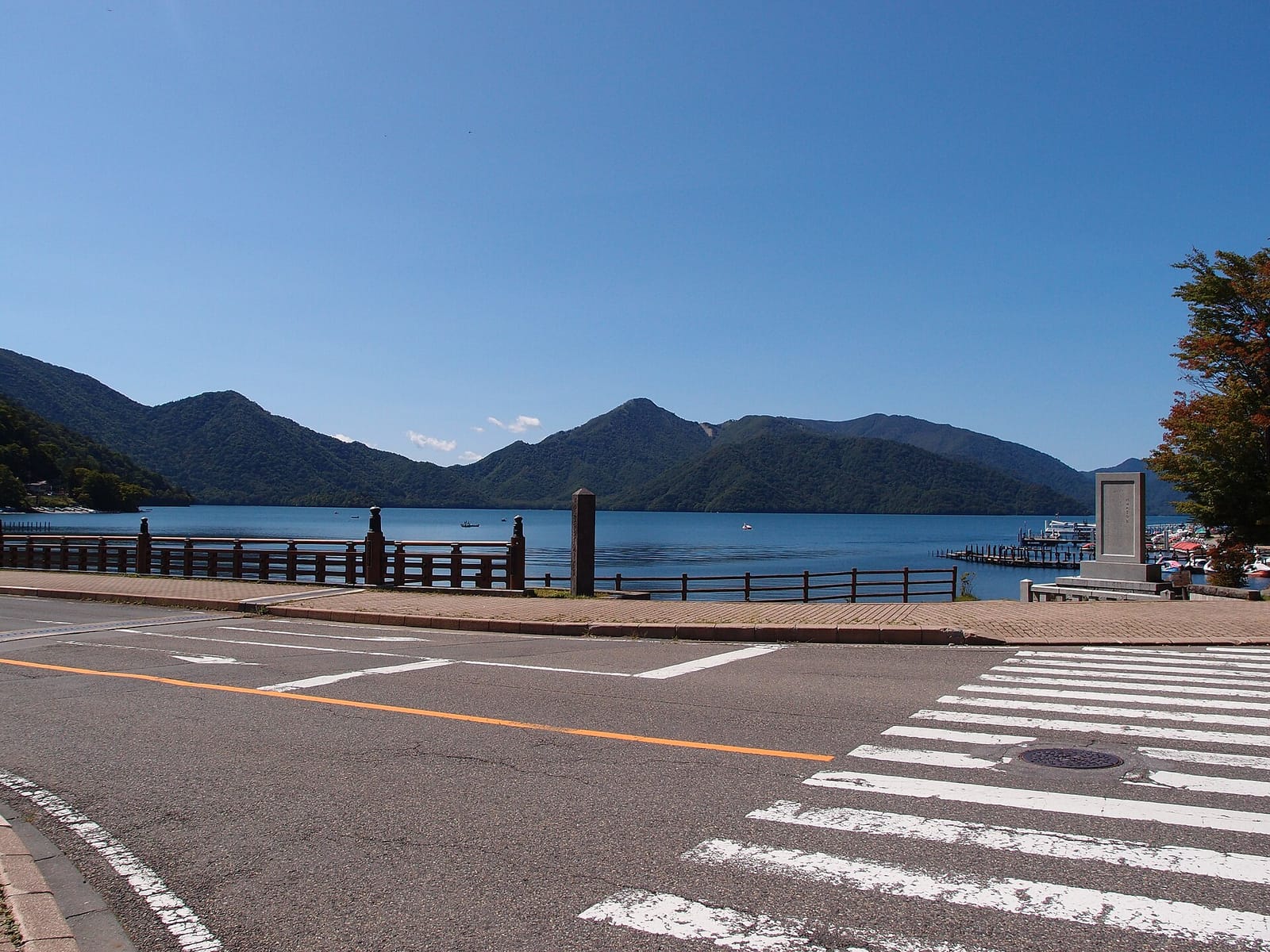
| 4. Shrines plus Lake Chuzenji (bus to Chuzenji-onsen and back) | ¥5,300 (¥2,800 + 2 × ¥1,250) | World Heritage ¥3,000 + Chuzenji-onsen Free Pass ¥2,300 = ¥5,300 | Equal on paper; the bus pass also covers shrine buses, so it wins once you ride one. All Area (¥8,000) loses ¥2,700 |
| 5. Shrines plus Yumoto Onsen (Lake Chuzenji on the way) | ¥6,700 (¥2,800 + 2 × ¥1,950) | World Heritage ¥3,000 + Yumoto-onsen Free Pass ¥3,500 = ¥6,500 | Combo saves ¥200; All Area loses ¥1,300 before the cruise |
| 6. 3–4 days: shrines, Yumoto Onsen, Kinugawa, home from Kinugawa-Onsen, with the lake cruise | ¥7,790 plus the cruise fare | All Area ¥8,000 | Gap is only ¥210 before the cruise; the cruise and onsen visit included in All Area tip it |
How the numbers are built:
- Train: Tobu lists the base fare from Asakusa at ¥1,400 to Tobu-Nikko (and to Shimo-Imaichi) and ¥1,590 to Kinugawa-Onsen. Tobu-Nikko to Kinugawa-Onsen is ¥330.
- Buses from JR/Tobu-Nikko Station: Shinkyo ¥220, Omotesando and Nishisando Iriguchi ¥350, Chuzenji-onsen ¥1,250, Yumoto-onsen ¥1,950. You pay as you get off.
- Tobu Bus free passes: Chuzenji-onsen Free Pass ¥2,300 and Yumoto-onsen Free Pass ¥3,500, each valid 2 days. Tobu Bus says all its free passes also cover the World Heritage Sightseeing bus around the shrines.
- Row 6: ¥1,400 + ¥330 + ¥1,590 by train, ¥3,900 for the Yumoto round trip and ¥570 for two shrine buses. Trip 6 also runs past the 2-day limit of the World Heritage pass, which is another reason the 4-day All Area pass fits it.
Row 4 is where most visitors overspend. If Lake Chuzenji and Kegon Falls are the only Oku-Nikko stop, the World Heritage pass plus the Chuzenji-onsen Free Pass does the same job as the All Area pass for ¥2,700 less. Tobu Bus lists the trip from Nikko Station to Chuzenji-onsen at about 48 minutes, and to Yumoto-onsen at about 88 minutes, and warns that traffic can delay buses significantly.
What about children?
The child World Heritage pass (¥1,500) follows the same maths at half price. Tobu calculates child fares by halving the adult fare and rounding up to the nearest ¥10, so the comparison in the table above holds roughly the same way for a child.
What are the three most common NIKKO PASS mistakes?
Mistake 1: Assuming the limited express is included
It is not. Tobu says a limited express ticket must be bought separately with either pass. From Asakusa to Tobu-Nikko, the charge for Kegon and Revaty Kegon trains is ¥1,650 each way in the regular period, as of November 2026. Tobu’s seasonal calendar adds ¥200 on busy days and takes off ¥200 on quiet days. Busy days for the rest of 2026 are November 28 and 29, and December 5, 6, 12, 13, 19, 20 and 26 to 31. SPACIA X uses its own seat charges.
The pass is still useful without the limited express. Visit Nikko says local trains from Asakusa take about 60 minutes longer, at about half the limited express fare. With the pass, the base fare is already paid, so a local train costs nothing extra.
Mistake 2: Buying the wrong pass for Lake Chuzenji
There are two ways to get this wrong. The first is taking the World Heritage pass up to the lake and expecting it to cover the bus: it covers only Tobu buses within the World Heritage Area, so the ride to Chuzenji-onsen is ¥1,250 each way unless you have a bus pass. The second is buying the ¥8,000 All Area pass for one lake day, when the World Heritage pass plus the Chuzenji-onsen Free Pass costs ¥5,300.
The All Area pass starts to earn its price when you add what only it includes: the Lake Chuzenji cruise (mid-April to November 30), one visit to the Nikko Astraea Hotel day-use onsen, and buses on days three and four. If your visit falls between December and mid-April, the cruise is not part of the deal.
Mistake 3: Booking the limited express at the last minute
If you want to book limited express seats together with the pass online, Tobu says the reservation must be completed 3 days before departure. Those tickets are picked up at the TOBU Tourist Information Center ASAKUSA only, not at stations, and there is no mailing service. Up to 8 seats can be booked per transaction.
If you miss that window, buy the pass and the limited express ticket separately. Tobu sells limited express tickets online from 9:00 a.m. one month before travel, and at ticket machines with limited express sales at major Tobu stations.
How do you buy the NIKKO PASS, step by step?
Pick the pass, choose digital or paper, then book the limited express on its own or with the pass.
- Check that you qualify. Tobu sells the pass only to foreign travelers, plus Japanese nationals traveling with them.
- Choose the pass from the table above. For a day trip or a Kinugawa overnight, the World Heritage Area pass. For Lake Chuzenji or Yumoto Onsen on a short trip, the World Heritage pass plus a Tobu Bus free pass. For 3–4 days with the cruise, the All Area pass.
- Choose digital or paper. The digital ticket is sold on Tobu’s TOBU Japan Trip Tickets site. The paper voucher is bought online and collected at the Tourist Information Center ASAKUSA. You can also buy in person at that center, or at AC Hotel by Marriott Tokyo Ginza and Courtyard Marriott Ginza Tobu Hotel, from one month before travel.
- Start at Asakusa or Tokyo Skytree Station. Tobu says both digital and paper passes are used from these two stations. The JR–Tobu through trains from Shinjuku and Ikebukuro are not covered.
- Book the limited express. Online with the pass up to 3 days before departure, or separately on Tobu’s site or at ticket machines.
Tobu accepts refunds at any sales outlet if the pass is unused and still valid, minus a cancellation fee.
If you are staying on the west side of Tokyo, our guide to getting from Shinjuku to Asakusa by train covers the ride to the start. For a place to sleep near the Tobu platforms before an early train, see our list of budget hotels in Asakusa.
Where can you buy the passes?
The Tourist Information Center ASAKUSA handles everything for the NIKKO PASS; Tobu Bus free passes are sold at Tobu-Nikko Station or on your phone.
| Where | What you can buy | Good to know |
|---|---|---|
| TOBU Tourist Information Center ASAKUSA | Both NIKKO PASS types, voucher exchange, limited express tickets | 7:20–19:00, seven days a week; English and other languages (not always available) |
| TOBU Japan Trip Tickets (online) | Digital NIKKO PASS, limited express with the pass | Book limited express 3 days ahead if bundled |
| AC Hotel by Marriott Tokyo Ginza, Courtyard Marriott Ginza Tobu Hotel | NIKKO PASS | From one month before travel |
| Tobu-Nikko Station Tourist Center | Tobu Bus free passes (paper) | 8:20–16:20, open year-round |
| NIKKO MaaS, TOBU Japan Trip Tickets, Jorudan app | Tobu Bus free passes (mobile) | NIKKO MaaS sells from one month before travel |
TOBU Tourist Information Center ASAKUSA
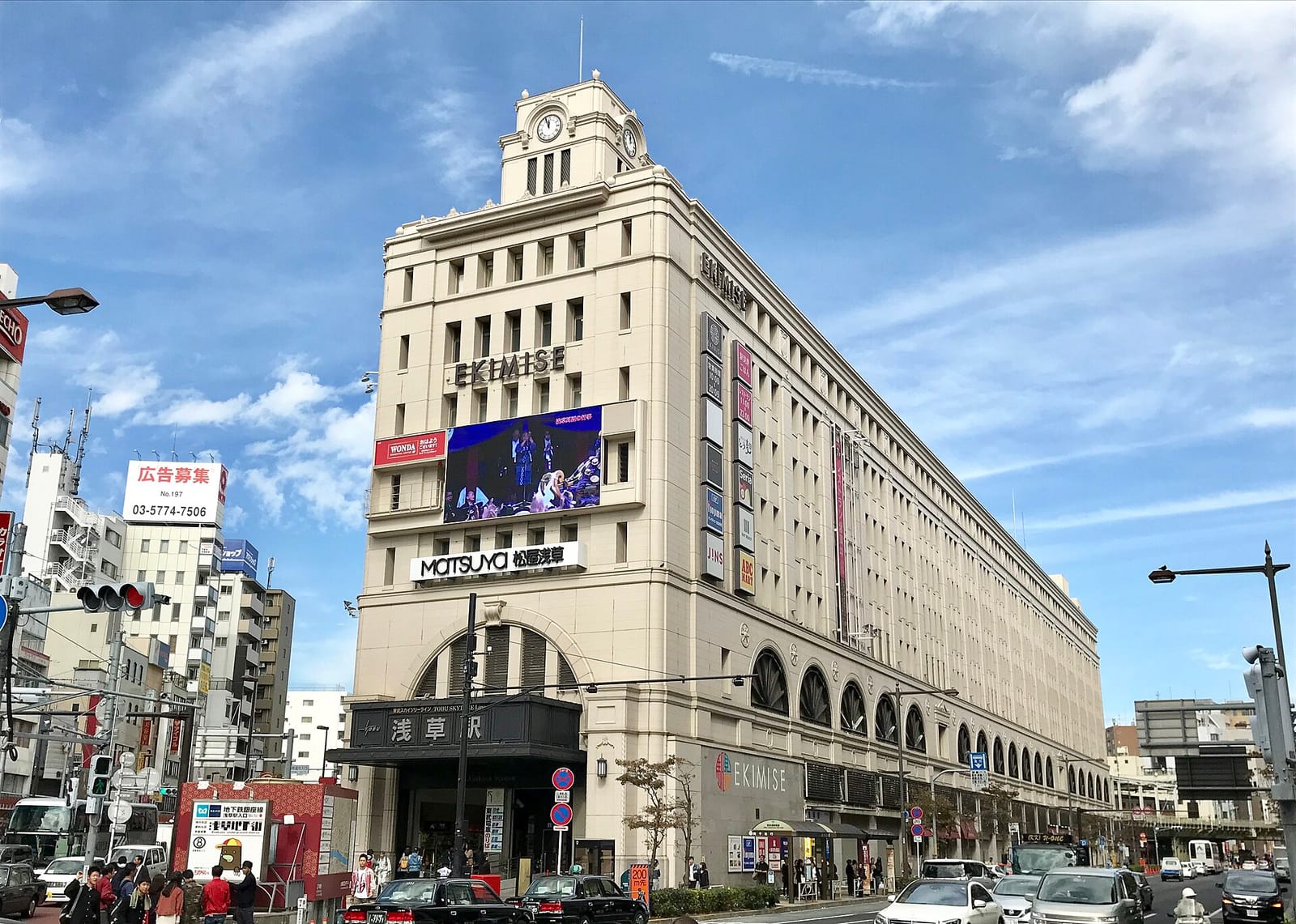
The one counter that sells both NIKKO PASS types, exchanges vouchers and sells Tobu limited express tickets. Tobu lists English, Chinese, Korean and Thai among the languages spoken, though not every language is available at all times. It opens at 7:20, so you can collect tickets before an early-morning train if you arrive with time to spare.
- Hours
- 7:20–19:00, seven days a week (as of November 2026)
- Access
- Near the main entrance of Tobu Asakusa Station
- Source
- www.tobu.co.jp
Tobu-Nikko Station (bus pass counter)
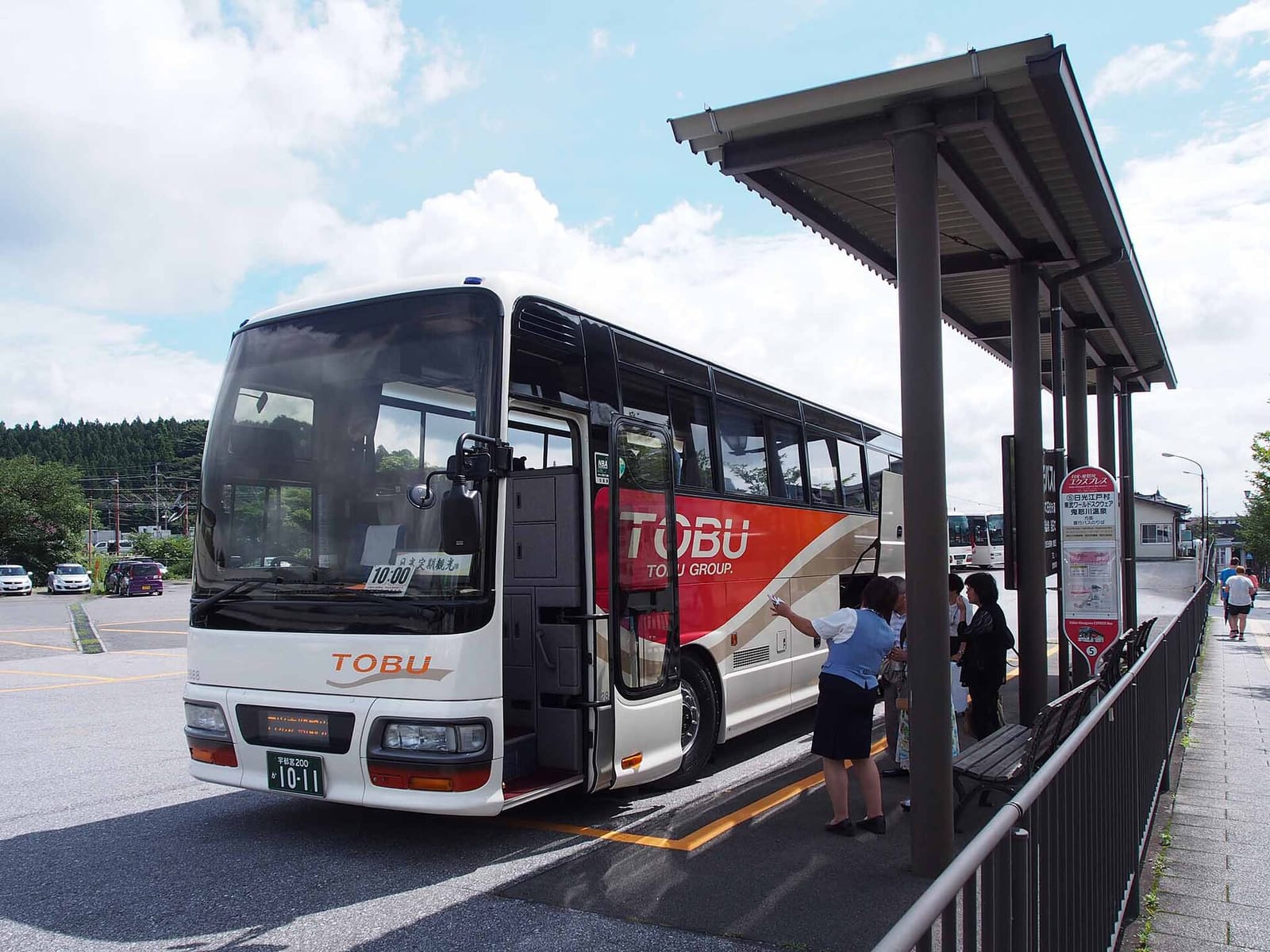
Where you buy a paper Tobu Bus free pass to add to the World Heritage pass. The Chuzenji-onsen and Yumoto-onsen passes are valid for 2 days; the World Heritage Meguri pass (¥600) covers the shrine-area buses for the same day only. If you have no NIKKO PASS at all, that ¥600 pass beats paying fare by fare from the third ride of the day.
- Hours
- Tourist Center 8:20–16:20, open year-round (as of November 2026)
- Price
- Chuzenji-onsen Free Pass ¥2,300, Yumoto-onsen Free Pass ¥3,500, World Heritage Meguri pass ¥600 (adults, as of November 2026)
- Access
- About 1 hr 50 min from Asakusa by direct limited express
- Source
- www.tobu-bus.com
Kinugawa-Onsen Station
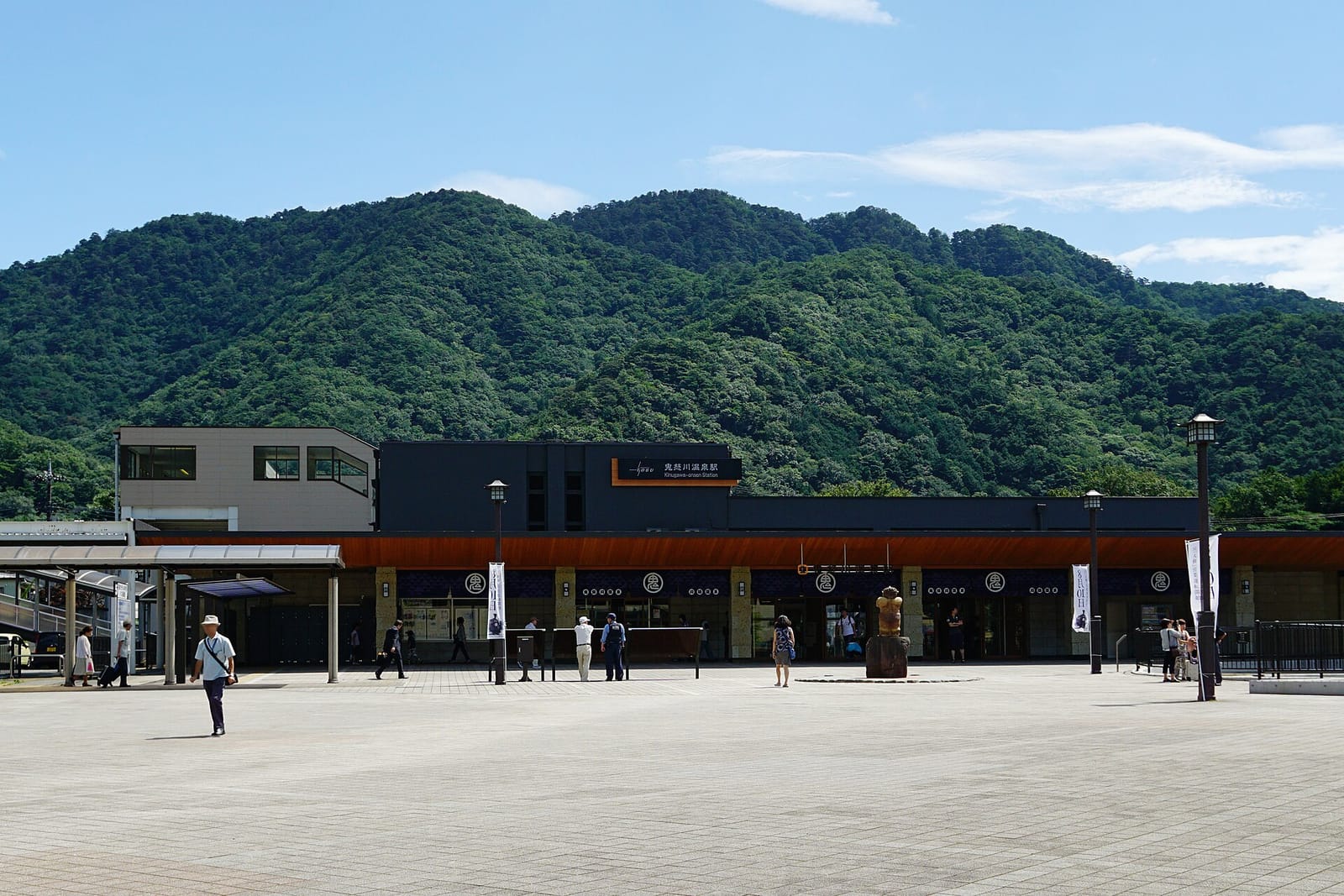
The easiest way to make the World Heritage pass pay off. Both passes cover Tobu trains between Shimo-Imaichi, Tobu-Nikko and Shin-Fujiwara, which includes Kinugawa-Onsen, so you can see the shrines, sleep at the hot spring town and ride home to Asakusa from here on the same pass. Admission to Tobu World Square and EDO WONDERLAND Nikko Edomura is not included, but both passes list discounts there. The button below compares hotels in Kinugawa Onsen.
- Access
- About 20 min from Shimo-Imaichi on the Tobu Kinugawa Line; covered by both NIKKO PASS types
- Source
- www.tobu.co.jp
Should you use a JR pass instead?
Only if you already hold one. Visit Nikko says the Japan Rail Pass fully covers the shinkansen to Utsunomiya and the JR Nikko Line, a route that costs more and needs a transfer without a pass. JR East passes such as the JR Tokyo Wide Pass (¥15,000 for 3 days) also cover the JR–Tobu through limited expresses from Shinjuku. Rail pass holders can skip the NIKKO PASS and buy a Tobu Bus free pass at Tobu-Nikko Station for the local buses.
So, which pass should you buy?
Buy the NIKKO PASS World Heritage Area for a shrines day trip if you will take at least two buses, and always if you sleep in Kinugawa Onsen and ride home from there. Add the Chuzenji-onsen or Yumoto-onsen Free Pass for Oku-Nikko on a short trip. Keep the All Area pass for 3–4 day stays between mid-April and November 30, when the lake cruise is included. Whatever you choose, budget the limited express separately and book it early on busy weekends.
For a timed plan that uses the World Heritage pass, see our Nikko day trip from Tokyo. For an overnight version, see the Nikko and Kinugawa Onsen 2-day itinerary. Heading to Hakone on another day? The same break-even logic applies, and our Hakone Freepass guide runs those numbers.
What to pack before you go
Maps, train apps and translation drain a phone by mid-afternoon. Keep it in your carry-on: power banks are not allowed in checked luggage.
Japan still runs on coins: there are six of them, from 1 to 500 yen, and you collect a pocketful fast. A holder with a slot for each coin lets you pay the exact amount at ticket machines, shrines and small shops without digging.
 Nikko Toshogu Shrine Guide: Route, Tickets, Hours and Highlights
 Nikko Day Trip from Tokyo: Timed Plan, Trains, Pass and Costs
FAQ
Is the NIKKO PASS worth it for a day trip from Tokyo?
Usually yes, by a small margin. The World Heritage Area pass costs ¥3,000, against ¥2,800 for two Asakusa–Tobu-Nikko base fares. If you take at least two local Tobu buses, such as Tobu-Nikko to Shinkyo (¥220) and to Nishisando Iriguchi (¥350), the pass comes out ahead (as of November 2026).
What is the difference between the NIKKO PASS World Heritage Area and All Area?
The World Heritage Area pass (¥3,000, 2 days) covers one Asakusa–Shimo-Imaichi round trip, Tobu trains to Tobu-Nikko and Kinugawa, and Tobu buses around the shrines. The All Area pass (¥8,000, 4 days) adds all Tobu buses in Nikko, including Lake Chuzenji and Yumoto Onsen, the Lake Chuzenji cruise from mid-April to November 30, and one day-use onsen visit at Nikko Astraea Hotel.
Does the NIKKO PASS include the limited express train?
No. Tobu says a limited express ticket must be bought separately. From Asakusa to Tobu-Nikko, the Kegon and Revaty Kegon charge is ¥1,650 each way on regular days, ¥1,850 on busy days and ¥1,450 on quiet days (as of November 2026). SPACIA X has its own seat charges.
Can Japanese residents buy the NIKKO PASS?
Tobu sells it only to foreign travelers. Japanese nationals can buy it only when traveling with a foreign traveler. Residents who do not qualify can use regular fares and Tobu Bus's own free passes, which have no such restriction listed.
Does the NIKKO PASS work with trains from Shinjuku?
No. Tobu says the JR–Tobu through limited expresses from Shinjuku and Ikebukuro are not covered by the NIKKO PASS. The pass's round trip starts at Asakusa or Tokyo Skytree Station.
Sources
- Tobu Railway — NIKKO PASS World Heritage Area (price, coverage, where to buy)
- Tobu Railway — NIKKO PASS All Area
- Tobu Railway — Access to Nikko and Kinugawa
- Tobu Railway — Kegon / Revaty Kegon fare and limited express charge table (PDF)
- Tobu Railway — Seasonal limited express charge calendar (PDF, Japanese)
- Tobu Railway — How to purchase limited express tickets
- Tobu Railway — Sightseeing Service Centers (TOBU Tourist Information Center ASAKUSA)
- Tobu Bus — Nikko free passes (Japanese)
- Tobu Bus Nikko — Timetables and major bus stop fares, April 1 to November 30, 2026 (PDF)
- Visit Nikko — Getting to and around Nikko
This article contains affiliate links. We may earn a commission at no extra cost to you.