Shinjuku and Shibuya in One Day: Winter and Summer Itineraries
Two timed plans for Shinjuku and Shibuya in one day, built around sunset at SHIBUYA SKY: a short-day plan for October to March and a long-day plan for summer.
With only one day for both Shinjuku and Shibuya, your real limit is daylight, not distance. The two stations are 7 minutes apart by train, but in late November the sun sets at about 16:30: the National Astronomical Observatory of Japan lists 16:32 on November 19 and 16:28 on December 1, against about 19:00 in June. Shinjuku Gyoen has been on winter hours (last entry 16:00) since October 1, and Meiji Jingu in Harajuku closes its gates at 16:10 this month. So in the cold months the garden and the shrine come first and the Shibuya view comes at sunset; in summer you have three more hours of light. This guide gives one timed plan for each season.
How do you see Shinjuku and Shibuya in one day?
Follow the Yamanote Line south: Shinjuku, then Harajuku, then Shibuya. GO TOKYO puts Harajuku 4 minutes from Shinjuku and Shibuya 7 minutes from Shinjuku on the JR Yamanote Line, so moving between the three takes less time than any one stop.
What changes by season is the order inside the day:
- October to mid-March (short days): Outdoor sights close early. Do Shinjuku Gyoen and Meiji Jingu before about 14:00, be at SHIBUYA SKY for a sunset around 16:30, and come back to Shinjuku for dinner and the night view.
- Mid-March to September (long days): The garden stays open until 18:00 or 19:00 and sunset is late. Start at Meiji Jingu early, while it is cool, spend the middle of the day in Shinjuku, and end the day in Shibuya.
Before you pick a date, check two things. Shinjuku Gyoen is closed on Mondays (or the next weekday after a Monday holiday) and from December 29 to January 3; it opens every day from November 1 to 15 and March 25 to April 24. And SHIBUYA SKY tickets are timed: sunset slots sell first, so book yours as soon as you know the date.
If you only have the day for Shinjuku itself, our one day in Shinjuku itinerary covers it with clear-day and rainy-day plans. If you are still choosing a hotel base, see Shinjuku vs Shibuya: which is the better base.
What does the autumn and winter plan look like?
From October to mid-March, run the day north to south and back: Shinjuku in the morning, Harajuku at midday, Shibuya at sunset, Shinjuku at night.
| Time | Stop | Cost (as of November 2026) |
|---|---|---|
| 9:00 | Shinjuku Gyoen, Shinjuku Gate | ¥500 adults |
| 11:30 | JR Yamanote Line, Shinjuku → Harajuku (4 min) | Train fare |
| 11:45 | Meiji Jingu (closes 16:10 in Nov, 16:00 in Dec) | Free |
| 13:00 | Lunch in Harajuku and a walk down Takeshita Street | Food only |
| 14:00 | Walk to Shibuya (about 20 min) | — |
| 14:30 | Hachiko Statue and the Scramble Crossing | Free |
| 15:45 | SHIBUYA SKY, timed ticket (sunset about 16:30) | ¥3,400 online from 15:00 |
| 17:30 | JR Yamanote Line, Shibuya → Shinjuku (7 min) | Train fare |
| 18:00 | Dinner at Omoide Yokocho | Food only |
| 20:00 | Tokyo Metropolitan Government observatory, South deck | Free |
Admissions come to ¥3,900 for an adult, plus trains, food and drinks.
Why this order? The garden and the shrine are the two stops with early closing times, so they go first. Shinjuku Gyoen opens at 9:00 and the shrine opens before sunrise, so start at the garden and reach the shrine by lunch; that still leaves you over three hours before Meiji Jingu’s gates shut. A 15:45 entry at SHIBUYA SKY gives you the city in daylight, the sunset and the first lights in one visit, and there is no time limit once you are inside. Back in Shinjuku, the South deck of the government building takes its last visitors at 21:30, so it works as a free second view after dinner.
On a short winter day, do not stack Shibuya shopping into the afternoon. Every hour spent in shops before 15:45 is an hour you could have spent at the garden or the shrine, which you cannot visit after dark. Shop in Shibuya after the deck instead, and take a later train back.
What does the spring and summer plan look like?
From mid-March to September, flip the day: Harajuku early, Shinjuku through the middle of the day, Shibuya for the evening.
| Time | Stop | Cost (as of November 2026) |
|---|---|---|
| 7:30 | Meiji Jingu (opens 5:00 from May to August) | Free |
| 9:00 | JR Yamanote Line, Harajuku → Shinjuku (4 min) | Train fare |
| 9:15 | Shinjuku Gyoen, Shinjuku Gate | ¥500 adults |
| 12:00 | Lunch near Shinjuku Station | Food only |
| 13:30 | Tokyo Metropolitan Government observatory | Free |
| 15:00 | Omoide Yokocho, a walk through the alleys | Free to walk |
| 16:30 | JR Yamanote Line, Shinjuku → Shibuya (7 min) | Train fare |
| 16:45 | Hachiko Statue and the Scramble Crossing | Free |
| 18:15 | SHIBUYA SKY, timed ticket (sunset about 18:50–19:00 in June) | ¥3,400 online from 15:00 |
| 20:00 | Dinner in Shibuya | Food only |
The cost is the same ¥3,900 in admissions for an adult. If sunset is not the point, take a SHIBUYA SKY slot before 15:00 instead, at ¥2,700 online, and rebuild the day around it.
Why this order? Meiji Jingu opens at 5:00 from May to August, so an early visit puts you on the forest approach in the cooler part of the day. The garden stays open until 18:00 from March 15 to June 10 and from August 1 to September 30, and until 19:00 from June 11 to July 31, so you are not racing a gate. The air-conditioned observatory fills the hottest part of the afternoon. By the time you reach Shibuya, the light is going and the crossing is at its busiest.
In spring, sunset falls between the two plans. Check the National Astronomical Observatory of Japan’s sunset table for your date and move the SHIBUYA SKY slot so you are on the rooftop about 30 minutes before it.
Which stops are on the route?
Here are the stops in the order of the autumn and winter plan. The summer plan uses the same places in a different order. Tick “Add to my route” on the ones you want, and the box at the end of the page opens them in order in Google Maps.
Shinjuku Gyoen National Garden
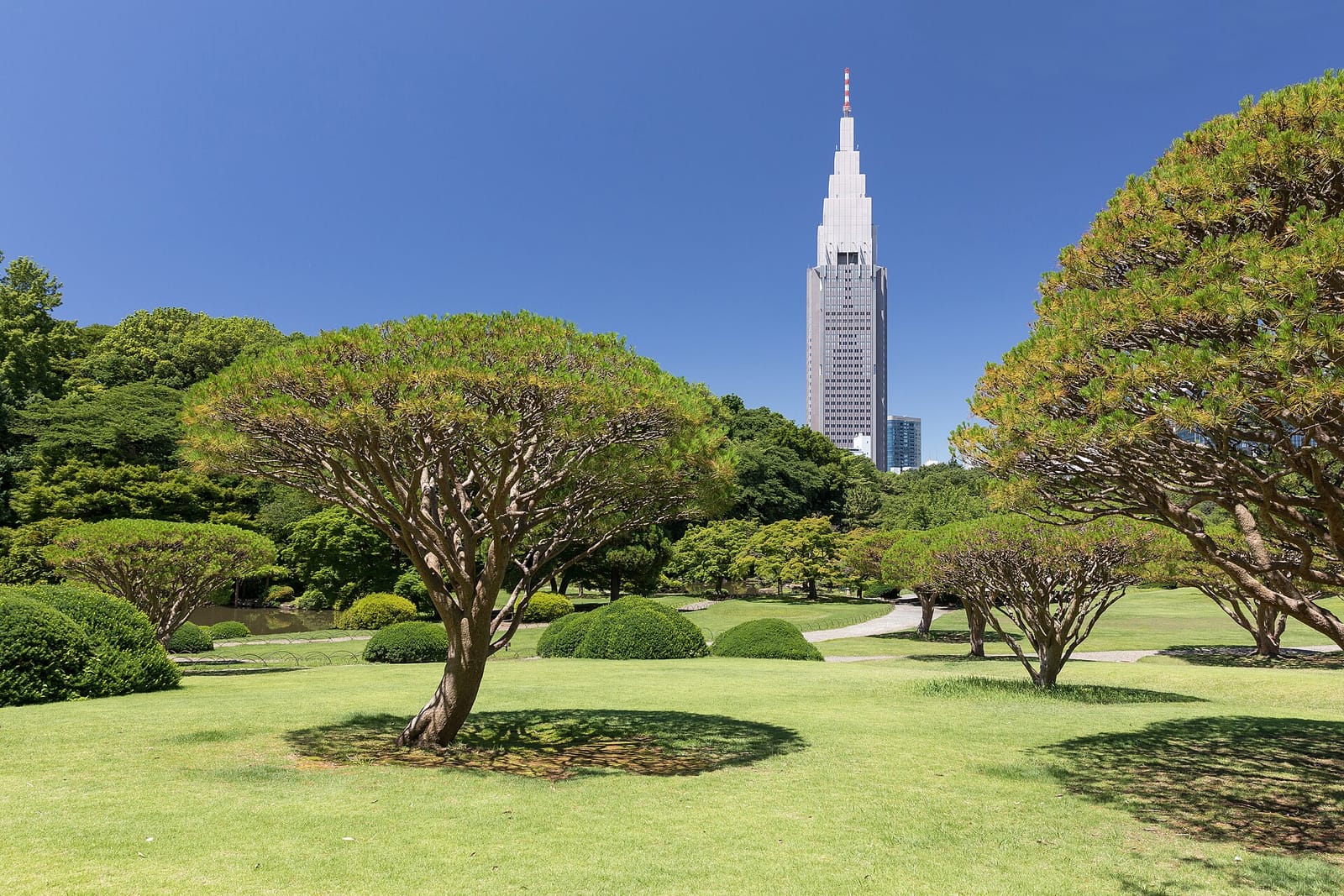
Two to two and a half hours is enough for a loop through the lawns, the formal garden and the Japanese garden by the pond. In November the garden is also open on Mondays during the Chrysanthemum Exhibition (November 1 to 15). Our Shinjuku Gyoen tips cover the gates and a walking route.
- Hours
- 9:00–16:30, last entry 16:00 (Oct 1–Mar 14); 9:00–18:00 (Mar 15–Jun 10 and Aug 1–Sep 30); 9:00–19:00 (Jun 11–Jul 31); closed Mondays and Dec 29–Jan 3 (as of November 2026)
- Price
- Adults ¥500 (as of November 2026)
- Source
- policies.env.go.jp
Meiji Jingu
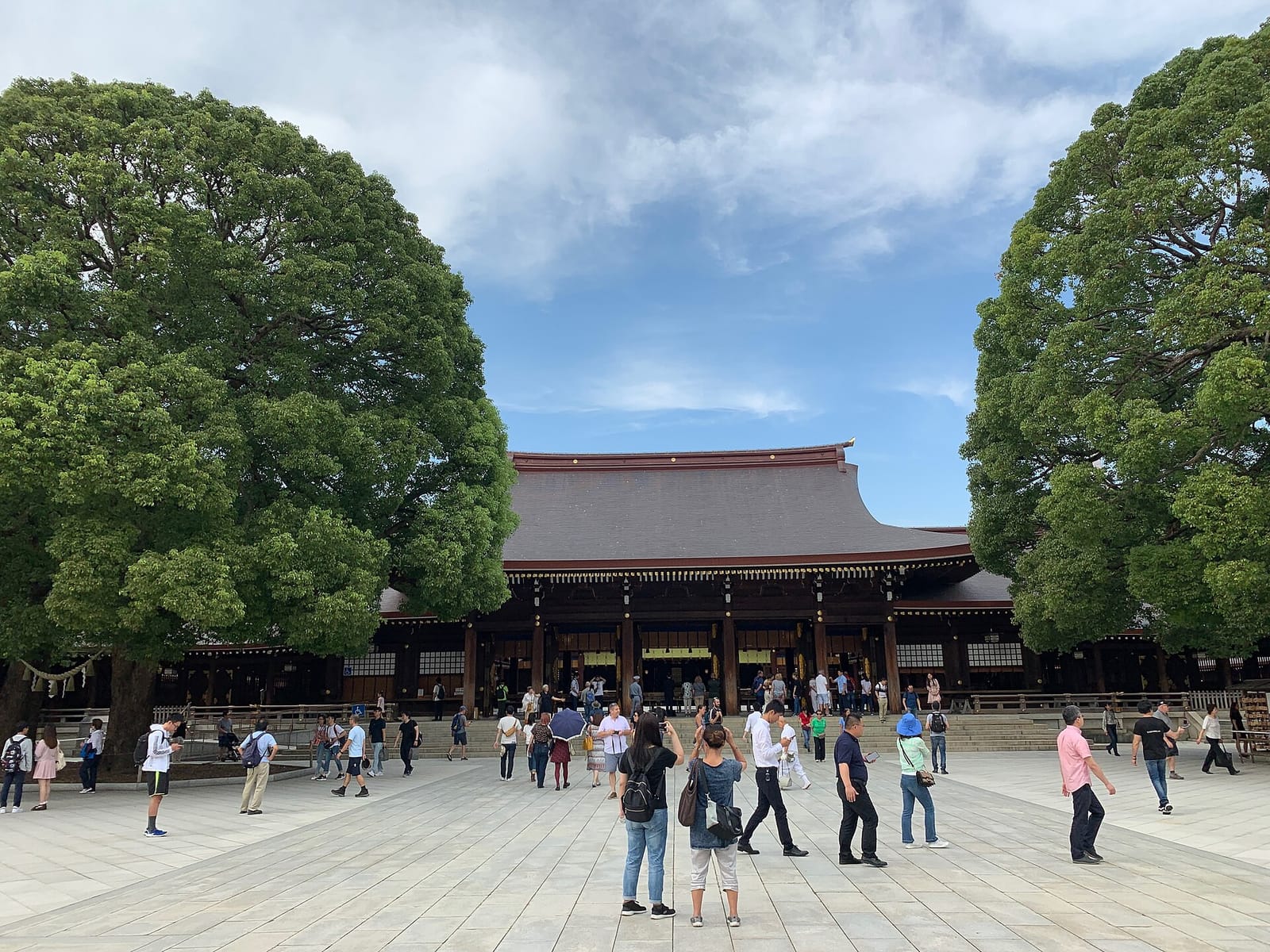
The shrine is open every day of the year, and entry is free. The shrine says the walk from the entrance to the main buildings takes at least 10 minutes, so allow about an hour in total. Some facilities inside keep shorter hours, mostly 9:00 to 16:00. Ride the Yamanote Line to Harajuku Station, 4 minutes from Shinjuku, to reach it.
- Hours
- 6:10–16:10 in November, 6:40–16:00 in December, 5:00–18:30 in June (as of November 2026)
- Price
- Free
- Source
- www.meijijingu.or.jp
Takeshita Street

GO TOKYO places this narrow shopping street just steps from Harajuku Station and notes that it is crowded on most days. From the end of the street, walk south toward Shibuya.
Hachiko Statue
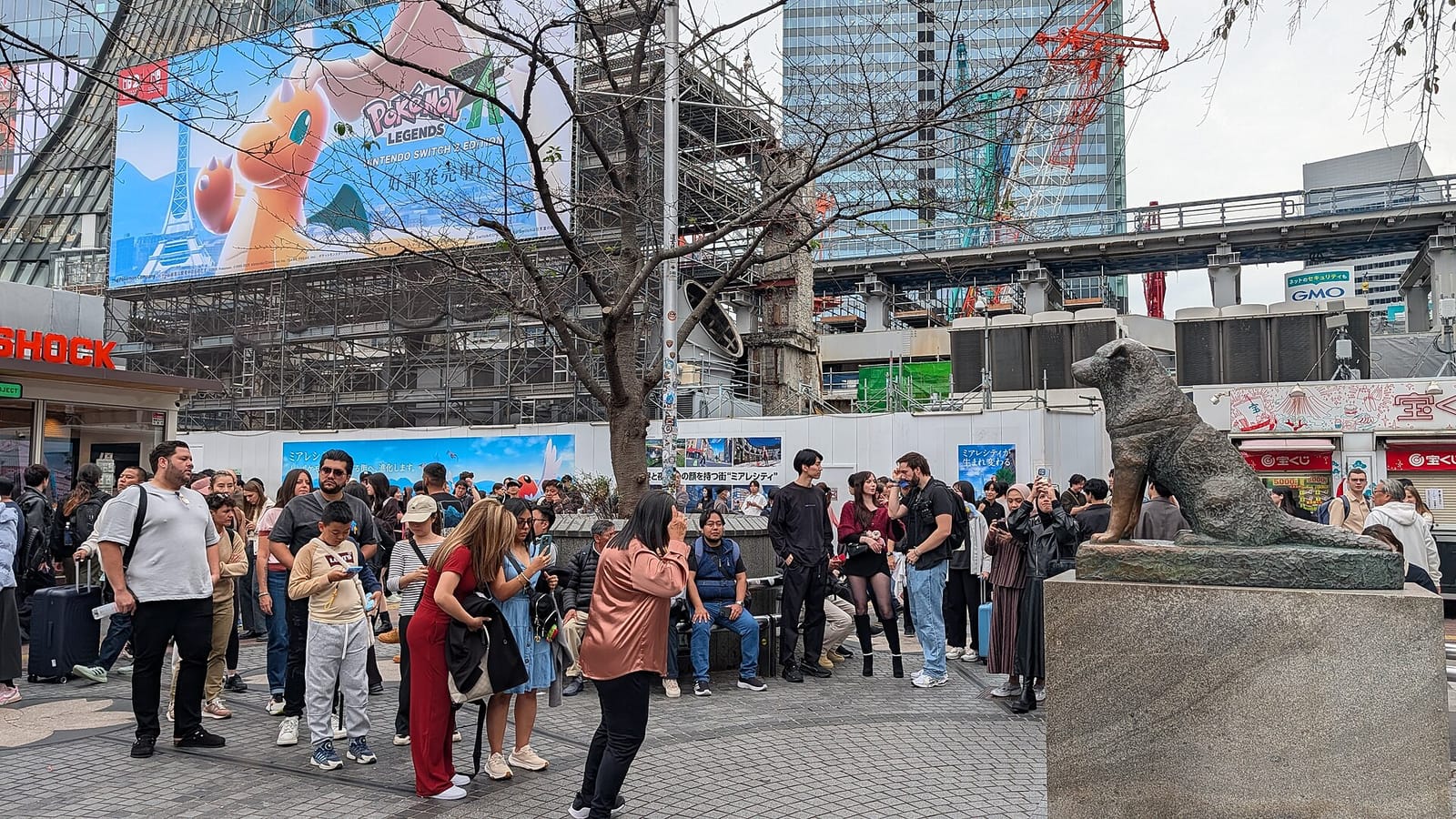
The small statue honors Hachiko, an Akita who met his owner at Shibuya Station each day and kept returning to wait for nine years after the owner died. It is Shibuya’s standard meeting point, so expect a short queue for photos.
- Price
- Free
- Access
- Shibuya Station, next to the Scramble Crossing
- Source
- www.gotokyo.org
Shibuya Scramble Crossing
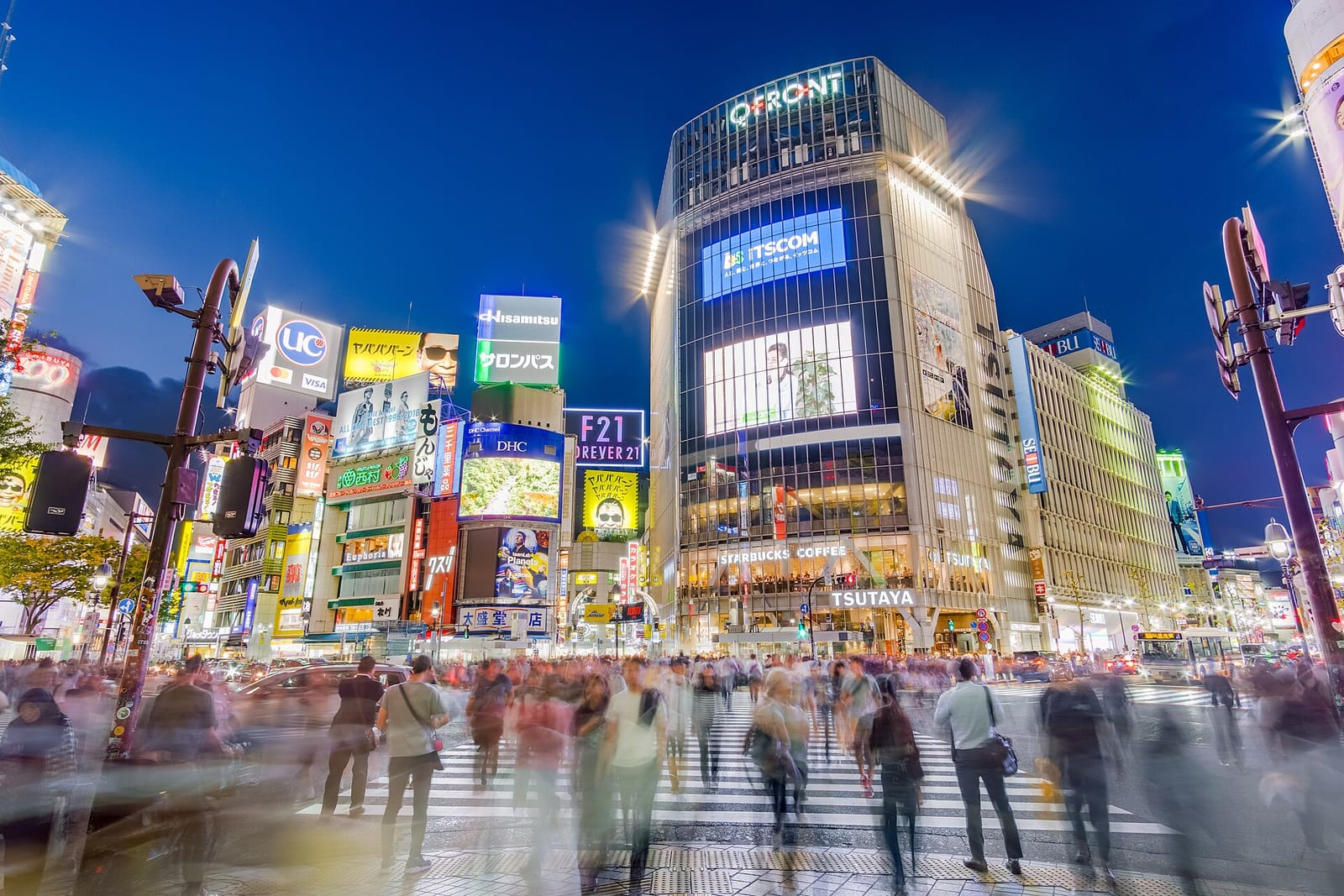
GO TOKYO describes the crossing outside the station flooding with people about every two minutes. Cross it once at street level, then see it again from above at SHIBUYA SKY. If you stop for photos, keep to the edges and step off the road before the lights change.
SHIBUYA SKY
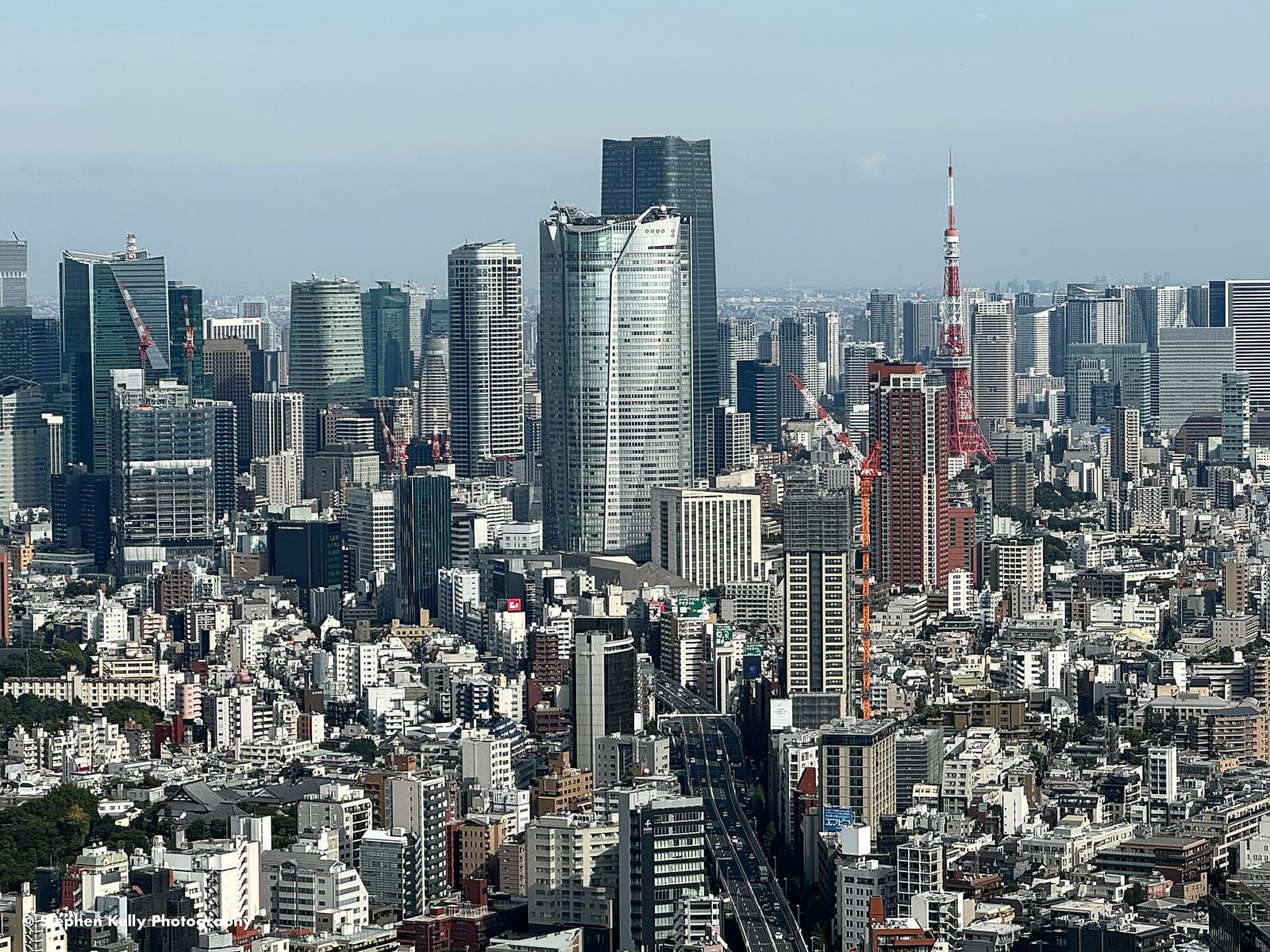
The open-air deck sits on top of Shibuya Scramble Square, directly above the station. Tickets are for a set entry time, but there is no time limit once you are in. GO TOKYO notes that if online adult tickets sell out, counter tickets are not sold either, and that the rooftop can close in bad weather and strong wind, with no refunds after entry. For the booking steps, see how to book SHIBUYA SKY tickets.
- Hours
- 10:00–22:30, last entry 21:20; closed January 1 (as of November 2026)
- Price
- Adults online ¥2,700 before 15:00, ¥3,400 from 15:00; at the counter ¥3,000 / ¥3,700 (as of November 2026)
- Access
- Directly connected to Shibuya Station
- Source
- www.gotokyo.org
Omoide Yokocho
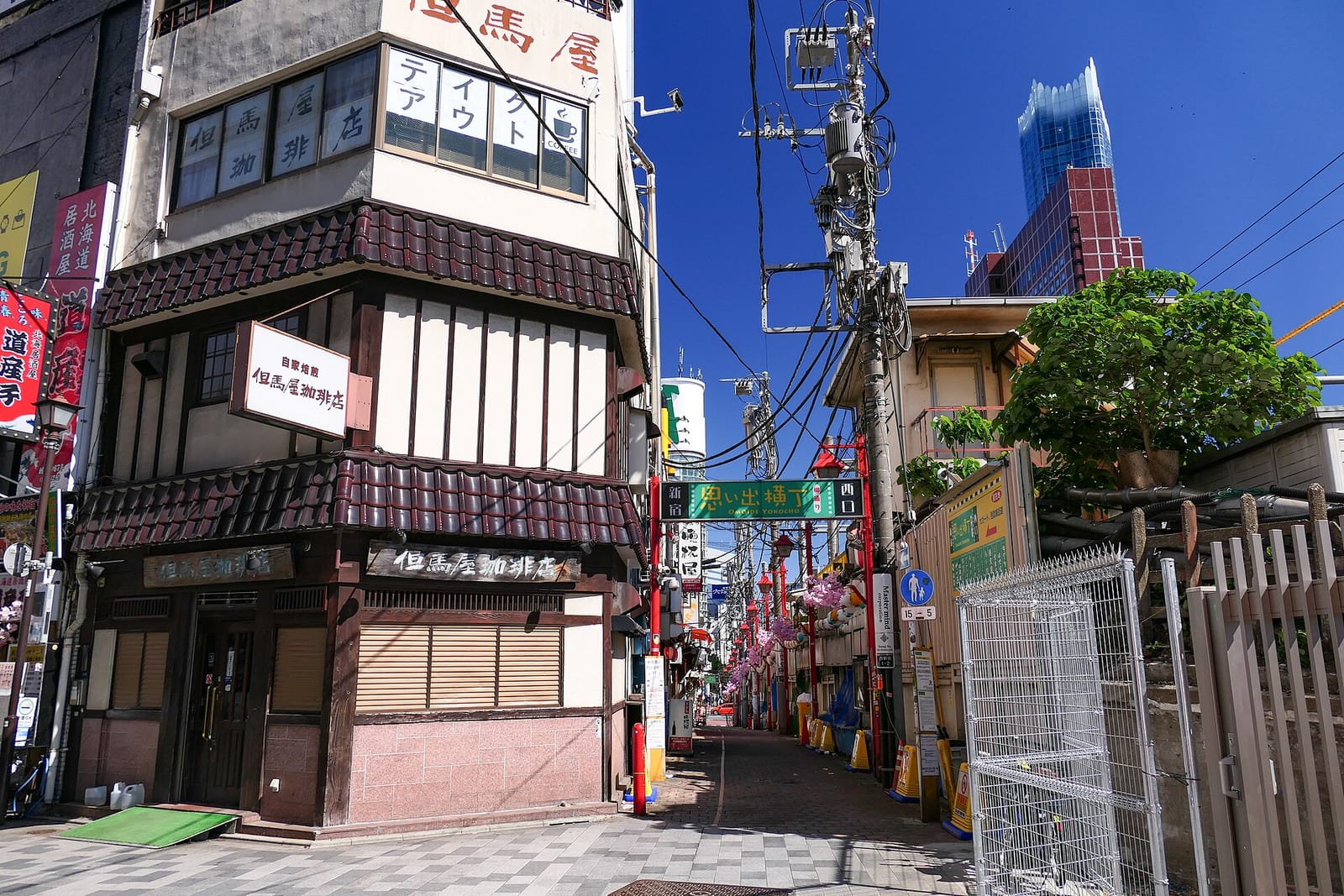
About 80 businesses, around 60 of them places to eat and drink, fill these lanes by the West Exit. Most are small counters, and the official site warns that opening days and hours can change without notice, so look for a free seat rather than one fixed shop. Our Omoide Yokocho guide explains how ordering and seating work.
- Access
- At the West Exit of Shinjuku Station
- Source
- shinjuku-omoide.com
Tokyo Metropolitan Government Building Observatory
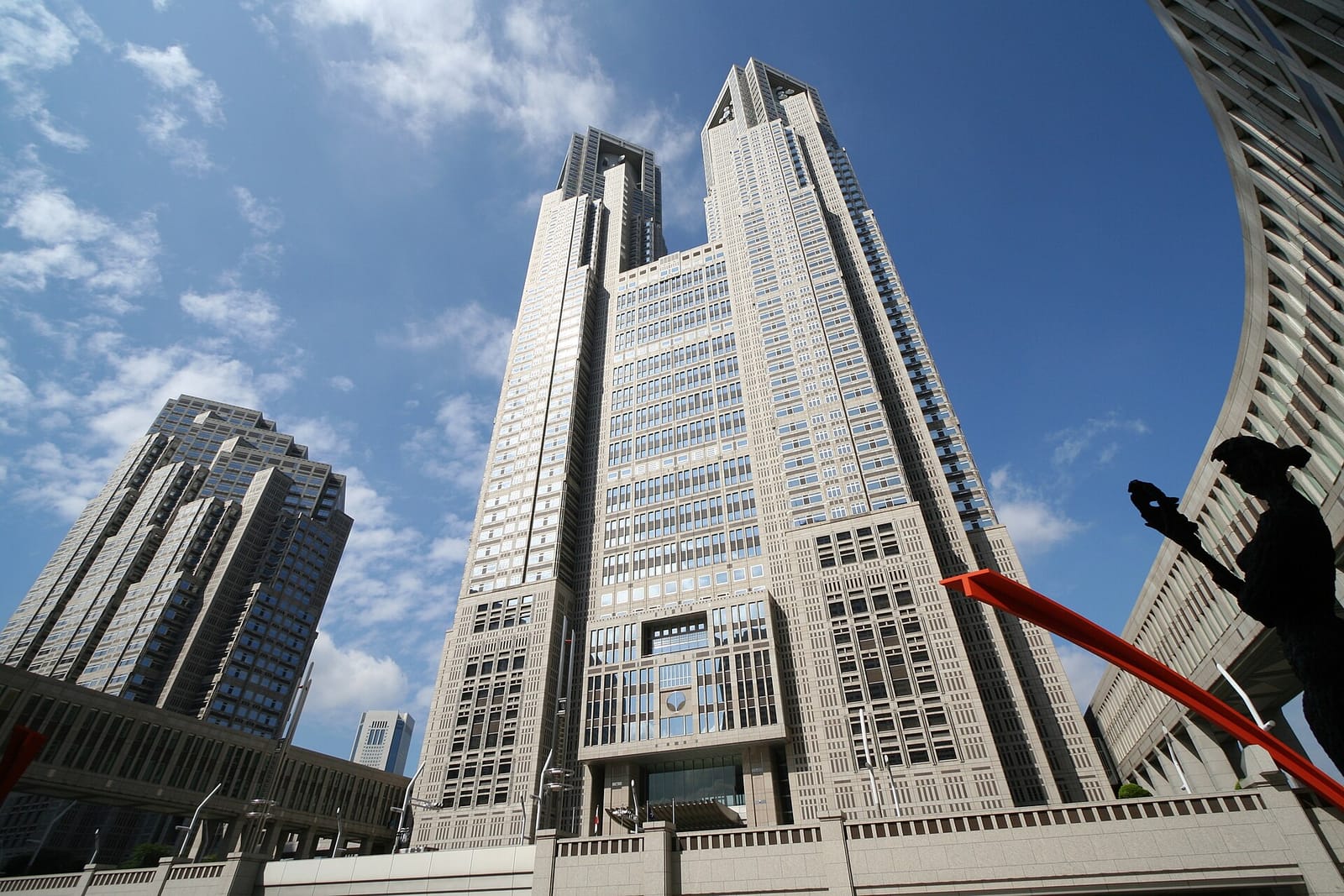
Both decks are on the 45th floor, about 202 meters up, reached by the observatory elevator from the 1st floor of the No. 1 Building. On days the South deck is closed, the North deck takes visitors until 21:30 instead. Our observatory guide compares the two decks.
- Hours
- South deck entry 9:30–21:30, closed 1st and 3rd Tuesdays; North deck entry 9:30–17:00, closed 2nd and 4th Mondays; both closed Dec 29–31 and Jan 2–3 (as of November 2026)
- Price
- Free
- Source
- www.zaimu.metro.tokyo.lg.jp
How do you get between Shinjuku, Harajuku and Shibuya?
Use the JR Yamanote Line for the long legs and walk the Harajuku-to-Shibuya stretch. GO TOKYO gives 4 minutes from Shinjuku to Harajuku, 7 minutes from Shinjuku to Shibuya, and about 20 minutes on foot from Harajuku to Shibuya. For every way to make the trip, including the subway and taxis, see our guide to getting from Shinjuku to Shibuya.
A few points that save time on the day:
- Use an IC card. With Suica or PASMO you tap through the gates on every leg and never stop at a ticket machine. Our guide to buying a Suica in Shinjuku explains where.
- Know your Shinjuku exit. The garden is closest to the South side and Shinjuku-sanchome, Omoide Yokocho is at the West Exit, and the government building is on the west side. Our Shinjuku Station exits guide maps them.
- Go to Shibuya Scramble Square from inside the station. SHIBUYA SKY is directly connected to Shibuya Station, so you do not need to go back out to street level after the crossing.
What if the weather or the day changes your plan?
Keep the time-bound stops and drop the rest. If you start late, skip Takeshita Street and the walk, and ride the Yamanote Line straight from Harajuku to Shibuya. If the day is a Monday, when Shinjuku Gyoen is usually closed, spend the morning at Meiji Jingu and the government observatory instead.
If rain or wind is forecast, SHIBUYA SKY’s rooftop may not open, and both the garden and the shrine are outdoor walks. Move the view to the government building in Shinjuku, which is free and indoors, and use our rainy-day Shinjuku guide for covered stops near the station. Shibuya still works for the crossing and the shops, both reachable without much time outside.
What to pack before you go
Maps, train apps and translation drain a phone by mid-afternoon. Keep it in your carry-on: power banks are not allowed in checked luggage.
Japan still runs on coins: there are six of them, from 1 to 500 yen, and you collect a pocketful fast. A holder with a slot for each coin lets you pay the exact amount at ticket machines, shrines and small shops without digging.
 Shinjuku Hotels With Big Rooms for Families: 6 Picks by Group Size
 Shinjuku Hotels Connected to the Station: What 'Direct' Means
FAQ
Can you do Shinjuku and Shibuya in one day?
Yes. The two stations are 7 minutes apart on the JR Yamanote Line, and Harajuku sits between them, 4 minutes from Shinjuku. One day covers a garden, a shrine, the Scramble Crossing, one observation deck and an evening in the alleys, as long as you plan the day around closing times and sunset.
Should you start in Shinjuku or Shibuya?
In autumn and winter, start in Shinjuku, because Shinjuku Gyoen and Meiji Jingu both close around 16:00 and sunset at SHIBUYA SKY comes at about 16:30. In summer the evening is longer, so you can spend the day in Shinjuku and Harajuku and end in Shibuya for a sunset close to 19:00.
Is it worth booking a sunset slot at SHIBUYA SKY?
If the view is the main point of your visit, yes, and book early, because sunset slots sell first. Tickets from 15:00 cost ¥3,400 online for adults, against ¥2,700 before 15:00 (as of November 2026). If you only want a view, the Tokyo Metropolitan Government observatory in Shinjuku is free.
Can you walk from Shinjuku to Shibuya?
You can, but the train is faster. A practical middle way is to ride the Yamanote Line 4 minutes from Shinjuku to Harajuku, visit Meiji Jingu, then walk to Shibuya, which GO TOKYO puts at about 20 minutes from Harajuku.
What if it rains on the day?
SHIBUYA SKY's rooftop can close in bad weather or strong wind, and Shinjuku Gyoen and Meiji Jingu are mostly outdoors. Swap the outdoor stops for the free observatory in Shinjuku and indoor stops near the station, and keep Shibuya for the crossing and the shops.
Sources
- Shinjuku Gyoen National Garden — Admission (hours, closed days, fees)
- Meiji Jingu — How to visit (opening hours by month)
- GO TOKYO — SHIBUYA SKY (hours, ticket prices, weather)
- GO TOKYO — Shibuya (travel times from Shinjuku, walking times)
- GO TOKYO — Harajuku (travel time from Shinjuku, Takeshita Street)
- GO TOKYO — Hachiko Statue
- Tokyo Metropolitan Government — Observatory visitor guide (Japanese)
- Shinjuku Omoide Yokocho (official site)
- National Astronomical Observatory of Japan — Tokyo sunrise and sunset, November 2026 (Japanese)
- National Astronomical Observatory of Japan — Tokyo sunrise and sunset, December 2026 (Japanese)
- National Astronomical Observatory of Japan — Tokyo sunrise and sunset, June 2027 (Japanese)
This article contains affiliate links. We may earn a commission at no extra cost to you.