Takayama 2 Day Itinerary: Old Town, Morning Markets and a Day-2 Choice
A timed two-day Takayama plan from Nagoya or Osaka: morning markets, Takayama Jinya, Sanmachi and Hida Folk Village, then Shirakawa-go, Furukawa or Shin-Hotaka.
At 7:00 on the east bank of the Miyagawa River, the stalls of the Miyagawa Morning Market open along a riverside path of about 700 meters, from Kajibashi Bridge to Yayoi Bridge. By noon they are gone. That short window shapes a good two days in Takayama: one market each morning, the old town and Takayama Jinya in between, and one trip out on day 2.
This plan is for first-time visitors coming by train from Nagoya or Osaka with one night in Takayama. Expect to spend about ¥20,000 per adult from Nagoya on trains, buses and entry fees, before your hotel and meals. Prices and times are as of November 2026, with sources linked for each.
How long, how much and which ticket?
Two days, one night, about ¥20,000 per adult from Nagoya with the Shirakawa-go option. The biggest cost is the limited express Hida, and from Nagoya JR Central sells a round-trip ticket that covers it.
| Item | Adult | Notes |
|---|---|---|
| Hida Area Free Kippu, from Nagoya | ¥12,370 | Round trip, reserved seats on the Hida, valid 3 days |
| Takayama Jinya | ¥500 | Free for ages 18 and under |
| Hida Folk Village | ¥700 | Elementary and junior high students ¥200 |
| Sarubobo Bus to the Folk Village, both ways | ¥420 | ¥210 each way |
| Nohi Bus to Shirakawa-go, both ways | ¥5,800 | ¥2,900 each way from Dec 1, 2026 |
| Total | about ¥19,790 | Plus one night and meals |
Getting there. The city’s tourism site gives about 140 minutes from Nagoya to Takayama on the JR limited express Hida. From Osaka, the direct Hida takes about 255 minutes; the faster option is the Nozomi shinkansen from Shin-Osaka to Nagoya, about 50 minutes, then the Hida.
The Nagoya ticket. JR Central’s Hida Area Free Kippu is a round trip from Nagoya (¥12,370), Gifu (¥12,370) or Ogaki (¥12,780) with a reserved seat on the Hida each way. Between Hida-Kanayama and Hida-Furukawa you can ride JR trains as often as you like in non-reserved seats, which covers the Furukawa option below. It comes with either a Nohi Bus coupon or a meal coupon. It cannot be used from April 27 to May 6, August 10 to 19, or December 28 to January 6, and it is sold only when a reserved seat on the outbound Hida is available. JR Central lists no Osaka version, so from Osaka, buy regular tickets.
What does the timed itinerary look like?
Arrive on a morning Hida, stay one night near the old town, and take an afternoon Hida home on day 2. Times below are a plan, not a timetable, except for the Nohi Bus times, which come from the timetable valid from December 1, 2026.
Day 1: old town and Folk Village
| Time | Where | How | Time and cost |
|---|---|---|---|
| 10:30 | JR Takayama Station | Limited express Hida | About 140 min from Nagoya |
| 10:45 | Drop bags at your hotel | Walk | — |
| 11:00 | Jinya-mae Morning Market | Walk | About 10 min from the station, free |
| 11:30 | Takayama Jinya | Next to the market | ¥500, allow 1 hour |
| 12:45 | Lunch, then Sanmachi streets | Walk | About 12 min from the station |
| 15:00 | Takayama Nohi Bus Center | Walk | — |
| 15:10 | Hida Folk Village | Sarubobo Bus | About 10 min, ¥210 |
| 16:45 | Back to the old town | Sarubobo Bus | About 10 min, ¥210 |
Day 2: Miyagawa market, then Shirakawa-go
| Time | Where | How | Time and cost |
|---|---|---|---|
| 7:00 | Miyagawa Morning Market | Walk | About 15 min from the station, free |
| 7:50 | Takayama Nohi Bus Center | Walk | — |
| 8:10 | Shirakawa-go | Nohi Bus | Arrives 9:00, ¥2,900 |
| 12:35 | Back to Takayama | Nohi Bus | Arrives 13:25, ¥2,900 |
| 13:30 | Lunch near the station | Walk | — |
| Afternoon | Nagoya or Osaka | Limited express Hida | About 140 / 255 min |
From December to March the markets open at 8:00, so the 7:00 start does not work. In those months, see the market at 8:00 and take the 9:35 bus instead, which reaches Shirakawa-go at 10:25; the 13:30 bus back arrives in Takayama at 14:20. Some buses on this line need a reservation and some do not. Check the mark for each bus on the Nohi Bus timetable, and read our Shirakawa-go day trip guide for booking, the viewpoint shuttle and what to see in the village.
What are the stops, in route order?
Tick “Add to my route” on each stop to open the plan in Google Maps.
Jinya-mae Morning Market
The smaller of Takayama’s two morning markets, held on the square in front of Takayama Jinya. Because it shares a square with the Jinya, it fits a late-morning arrival: browse first, then go straight in. Come before about 11:30, since the stalls pack up around noon.
- Hours
- 7:00–12:00 Apr–Nov; 8:00–12:00 Dec–Mar; open all year (as of November 2026)
- Price
- Free to walk
- Access
- About 10 min walk from JR Takayama Station
- Source
- www.hida.jp
Takayama Jinya
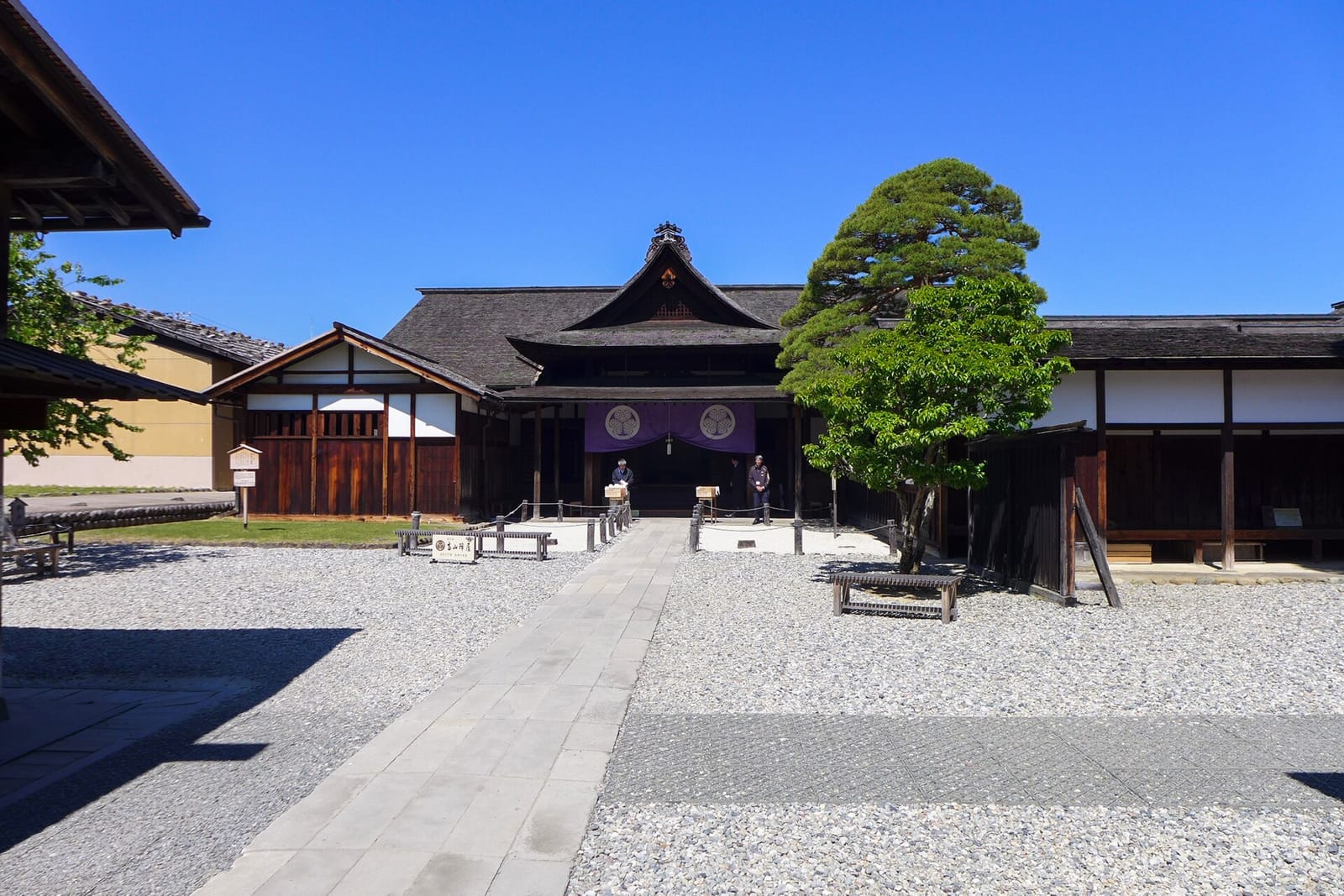
The Edo-period government office for the Hida region, where officials handled trials and tax collection, with living quarters and rice storehouses. The city’s tourism site says it was in official use from 1692 to 1969 and is the only one of more than 60 such offices in Japan still standing. Staff may ask under-19s for a student ID for free entry.
- Hours
- 8:45–17:00 Apr–Oct; 8:45–16:30 Nov–Mar; last entry 30 min before closing; closed Dec 29–Jan 3 (as of November 2026)
- Price
- ¥500; ages 18 and under free (as of November 2026)
- Access
- About 15 min walk from JR Takayama Station
- Source
- jinya.gifu.jp
Sanmachi Traditional Buildings Preservation Area
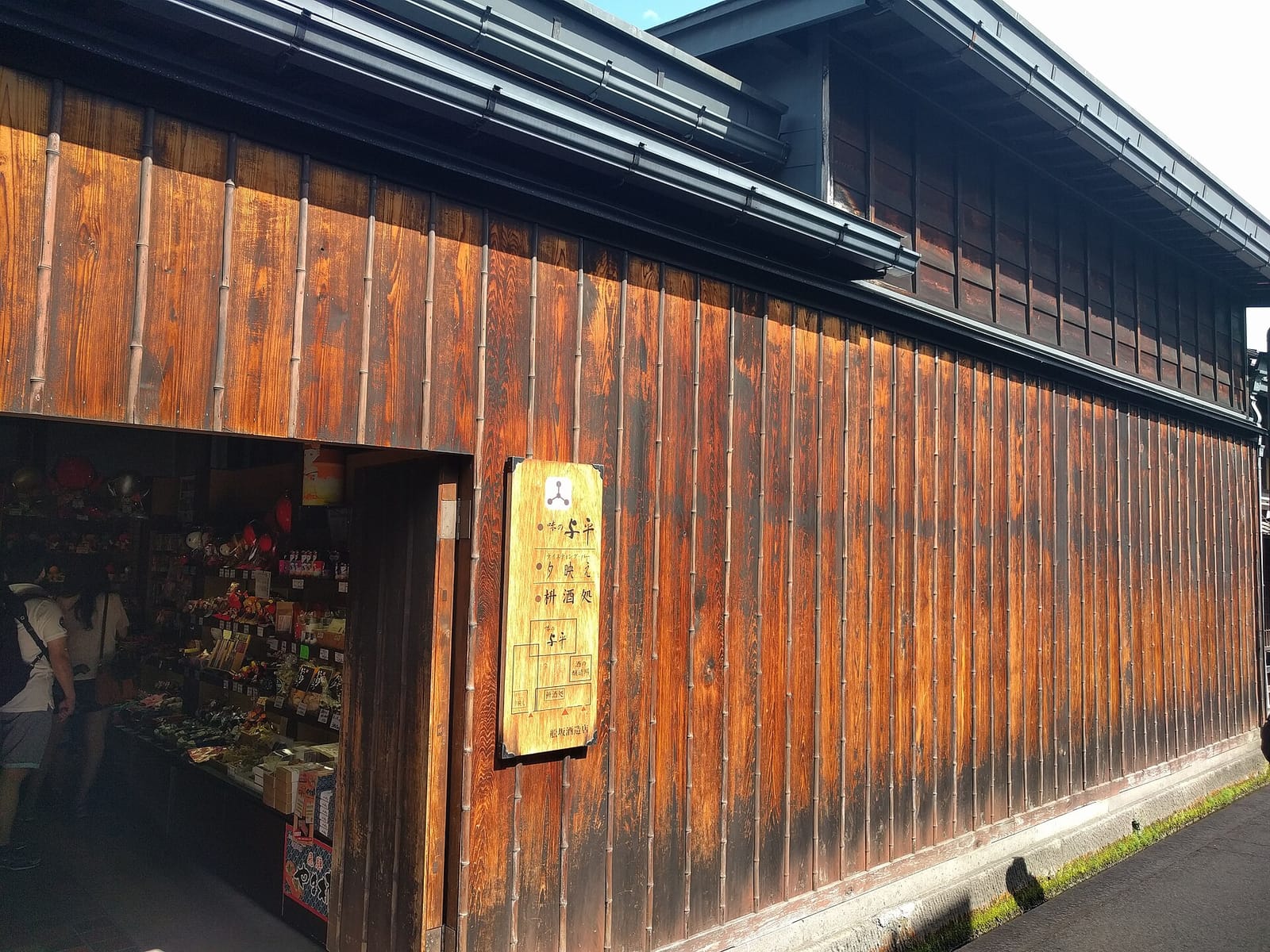
The old merchant district, with wooden lattice fronts and water channels running under the eaves. Sake breweries hang a ball of cedar leaves over their doors, and the streets also hold small restaurants and souvenir shops. Staying within walking distance of here makes both morning markets an easy walk. For lunch here, see where to eat Hida beef in Takayama, from beef sushi stands to steak.
- Access
- About 12 min walk from JR Takayama Station
- Source
- www.hida.jp
Hida Folk Village (Hida no Sato)
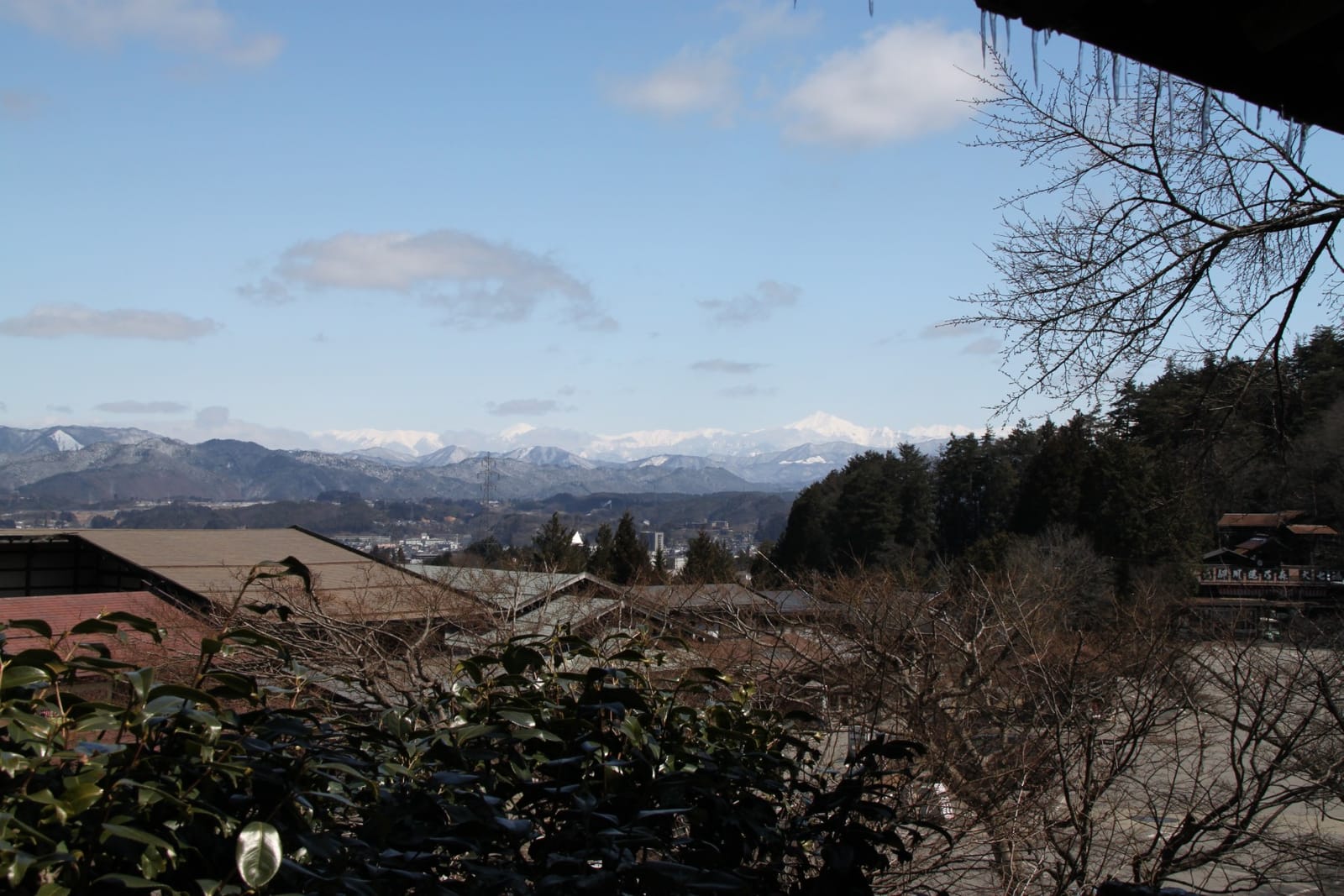
An open-air museum of old Hida farmhouses, about 10 minutes by bus from the station. Get off at Hida-no-Sato-Shita. If you are skipping Shirakawa-go on day 2, give this stop more time.
- Hours
- 8:30–17:00, open all year (as of November 2026)
- Price
- Adults ¥700, elementary and junior high students ¥200 (as of November 2026)
- Access
- About 10 min by Sarubobo Bus from Takayama Nohi Bus Center (¥210), or a 20–30 min walk
- Source
- www.hida.jp
Miyagawa Morning Market
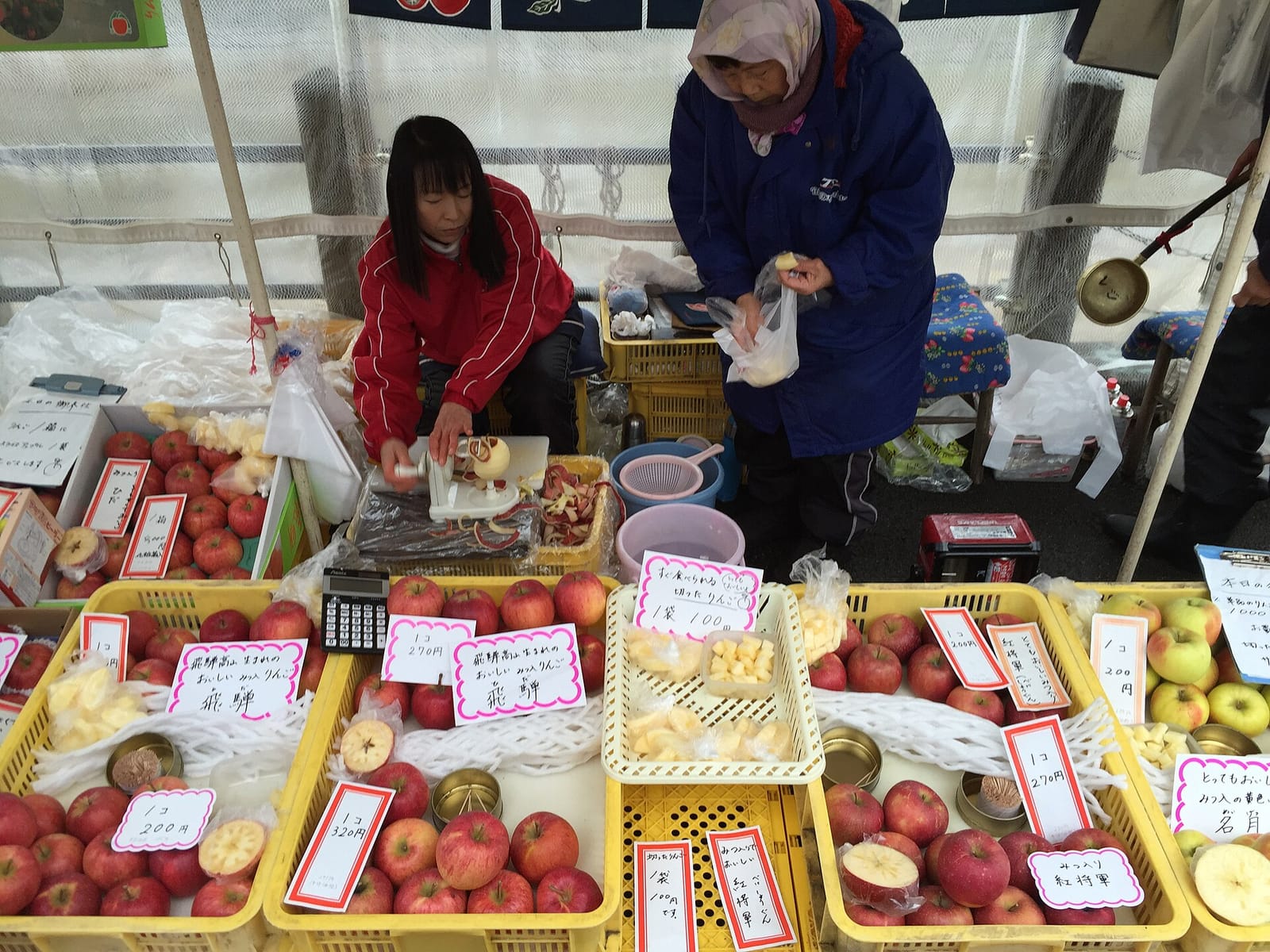
The larger market, along the east bank of the Miyagawa River around Kajibashi Bridge. The tourism association notes there is no large parking lot nearby and that some stalls close once sold out, so walk over from your hotel early. This is the reason to stay the night in town rather than arrive on day 2.
- Hours
- 7:00–12:00 Apr–Nov; 8:00–12:00 Dec–Mar; open all year (as of November 2026)
- Price
- Free to walk
- Access
- About 15 min walk from JR Takayama Station
- Source
- www.hidatakayama.or.jp
For a longer walk through the merchant houses, the Festival Floats Exhibition Hall and the Higashiyama temples, follow our Takayama old town walking guide.
What are the other day-2 options?
Swap Shirakawa-go for Hida-Furukawa if you want a quiet, cheap half day by train, or for the Shin-Hotaka Ropeway if the weather is clear and you want mountain views.
Seto River, Hida-Furukawa
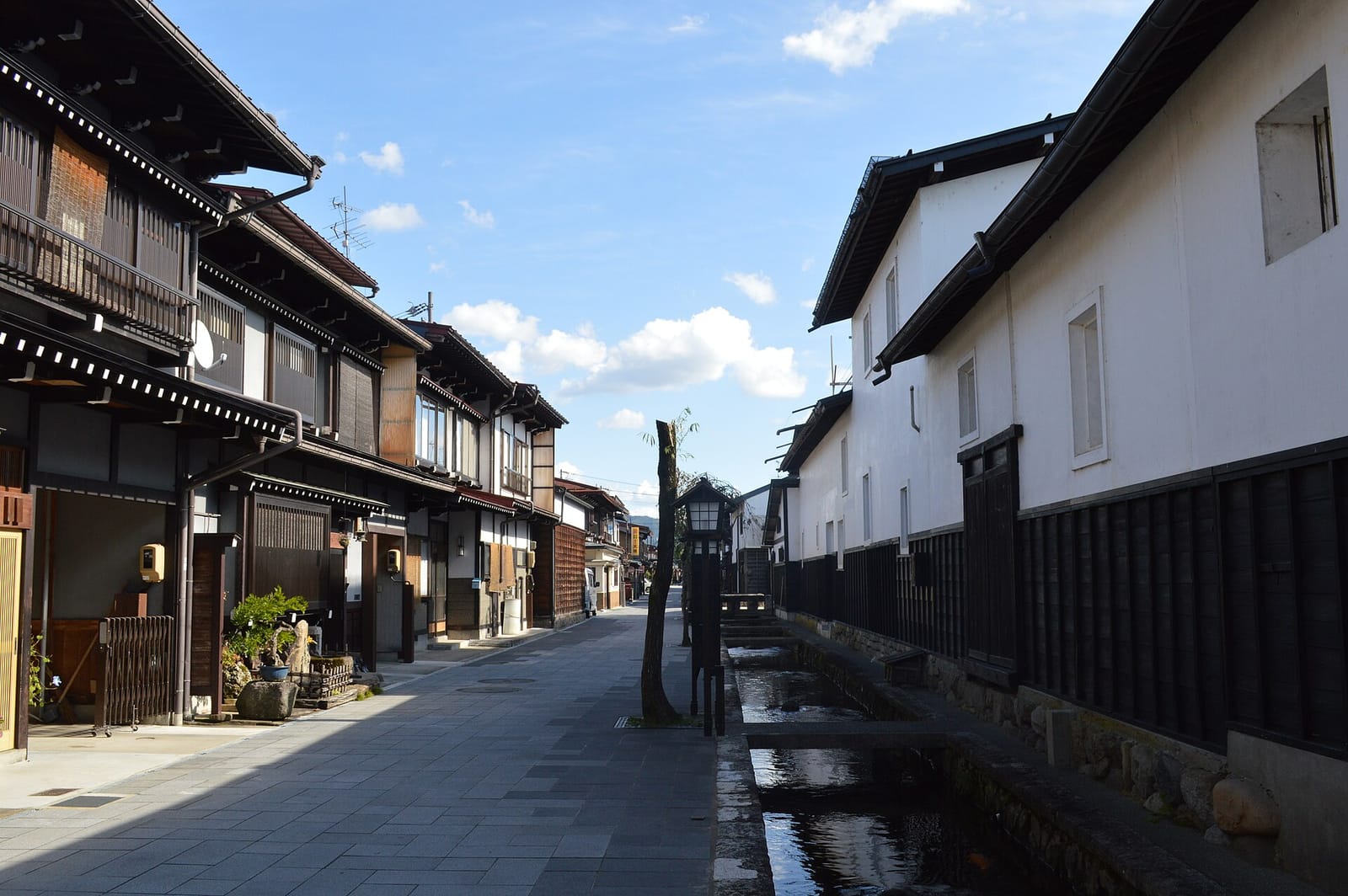
A small castle town on the JR Takayama Line, inside the Free Kippu’s unlimited-ride section. A clear canal runs past white-walled storehouses, and colorful carp swim in it from April to November. From late November to early April, Hida City moves the carp to the pond at the Masushima Castle ruins for the winter. With the Hida Area Free Kippu, the JR ride from Takayama is included.
- Access
- About 5 min walk from JR Hida-Furukawa Station
- Source
- www.hida-kankou.jp
Shinhotaka Ropeway
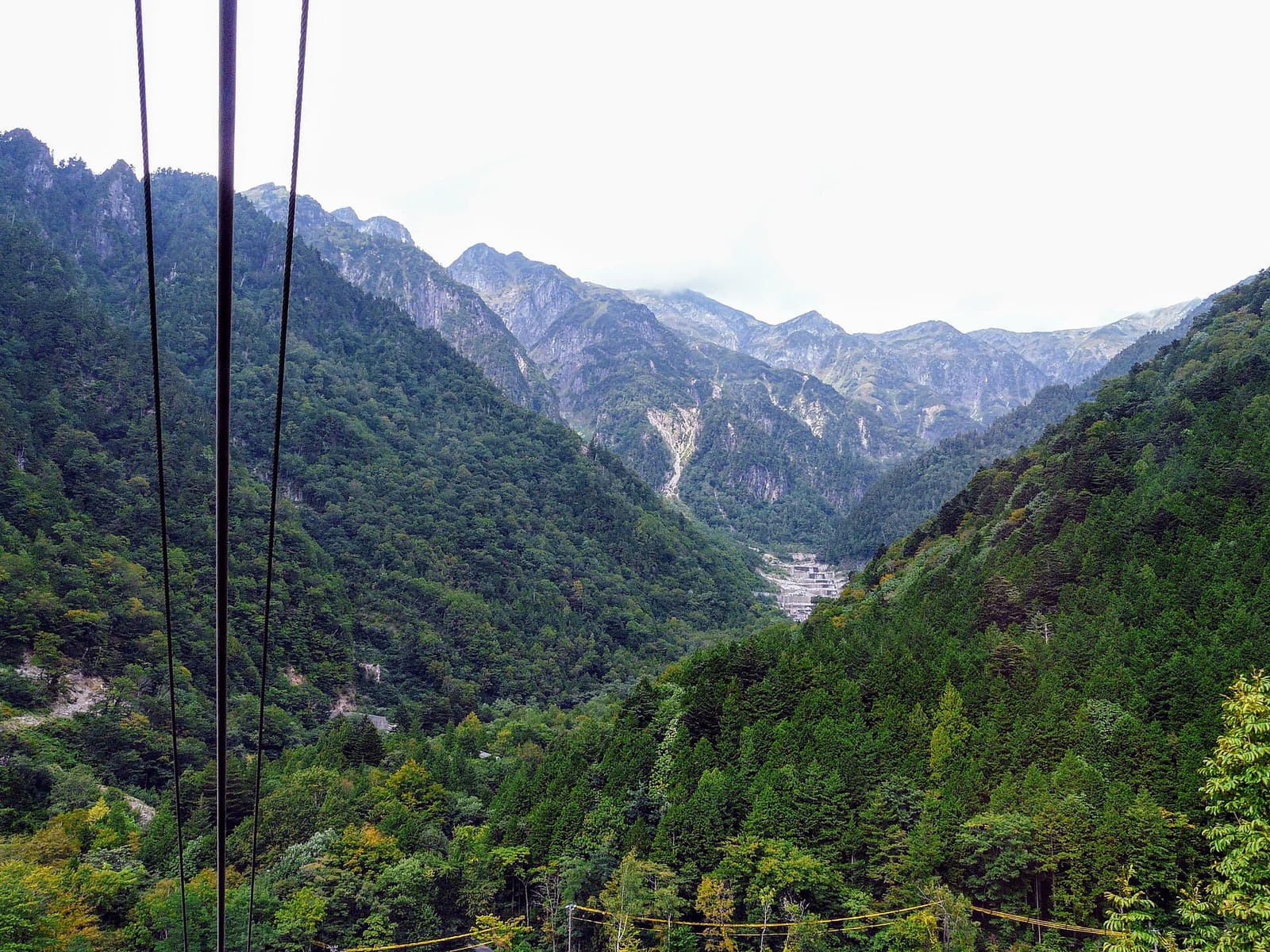
Two ropeways climb from Shinhotaka Onsen to Nishi-Hotaka-guchi in the Northern Alps. The No. 1 ropeway leaves at :00 and :30 past each hour and the No. 2 at :15 and :45. The Nohi Bus fare from Takayama is ¥2,200 one way, so the outing costs about ¥8,200 per adult. Nohi Bus’s posted timetable names an operating period that ends on November 30, so check the winter timetable on its site before you go.
- Hours
- Open all year; may stop for bad weather or maintenance (as of November 2026)
- Price
- Round trip ¥3,800 adults, ¥1,900 children (as of November 2026)
- Access
- Nohi Bus from Takayama Bus Terminal, ¥2,200 one way
- Source
- shinhotaka-ropeway.jp
| Day-2 option | Best for | Cost per adult | Notes |
|---|---|---|---|
| Shirakawa-go | First visit, gassho villages | ¥5,800 bus plus entry fees | Book reserved buses early |
| Hida-Furukawa | Quiet streets, low cost | Included in the Free Kippu | Carp only April to November |
| Shin-Hotaka Ropeway | Clear days, mountain views | About ¥8,200 | Stops in bad weather |
Snow season or festival season: what changes?
The route stays the same, but the timing shifts. Plan for later market openings and slower buses in winter, and for full hotels during the festivals.
Snow season (December to March). Both markets open an hour later, at 8:00, and Takayama Jinya closes at 16:30 from November to March. It is shut from December 29 to January 3, and the Hida Area Free Kippu cannot be used from December 28 to January 6. Nohi Bus warns that snow and expressway closures can delay Shirakawa-go buses by two hours or more, so take an earlier bus back and leave slack before your train. For clothing and footwear, see our Japan winter packing list.
Takayama Festival season. The spring festival (Sanno Matsuri) is held every year on April 14 and 15, and the autumn festival (Hachiman Matsuri) on October 9 and 10. Twelve floats come out in spring and eleven in autumn, and on the first evening of each festival about 100 lanterns are lit on every float for the night festival. On these dates, book your night in the old town as early as you can and make day 1 a festival day: watch the floats instead of going to Hida Folk Village. The Hida Area Free Kippu is valid on both festival dates.
Where should you stay for the night?
Stay in or near the old town, between JR Takayama Station and the Miyagawa River. The station is about 12 minutes on foot from Sanmachi and 15 minutes from the Miyagawa market, so anywhere in that strip lets you walk to the 7:00 market and back to the bus center for an 8:10 bus. Our where to stay in Takayama guide compares the East and West Exit sides of the station, the old town and Okuhida.
If you are traveling on to Kanazawa instead of returning to Nagoya, buses from Shirakawa-go continue there; see our Kanazawa one day itinerary for the next day. To skip carrying a suitcase between cities, our luggage forwarding guide explains how to send bags ahead.
What to pack before you go
Maps, train apps and translation drain a phone by mid-afternoon. Keep it in your carry-on: power banks are not allowed in checked luggage.
Japan still runs on coins: there are six of them, from 1 to 500 yen, and you collect a pocketful fast. A holder with a slot for each coin lets you pay the exact amount at ticket machines, shrines and small shops without digging.
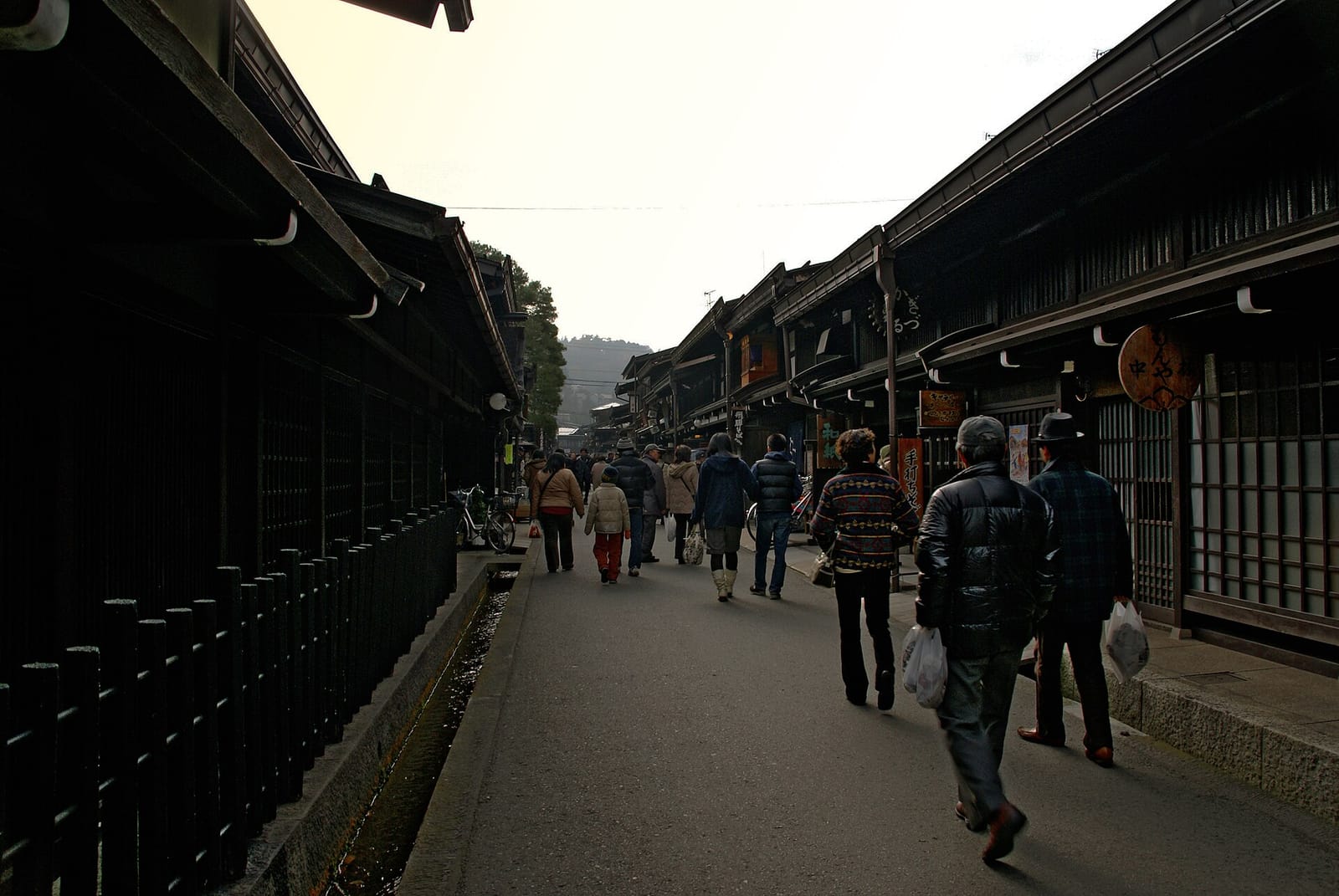 Where to Stay in Takayama: East Exit, West Exit or Old Town?
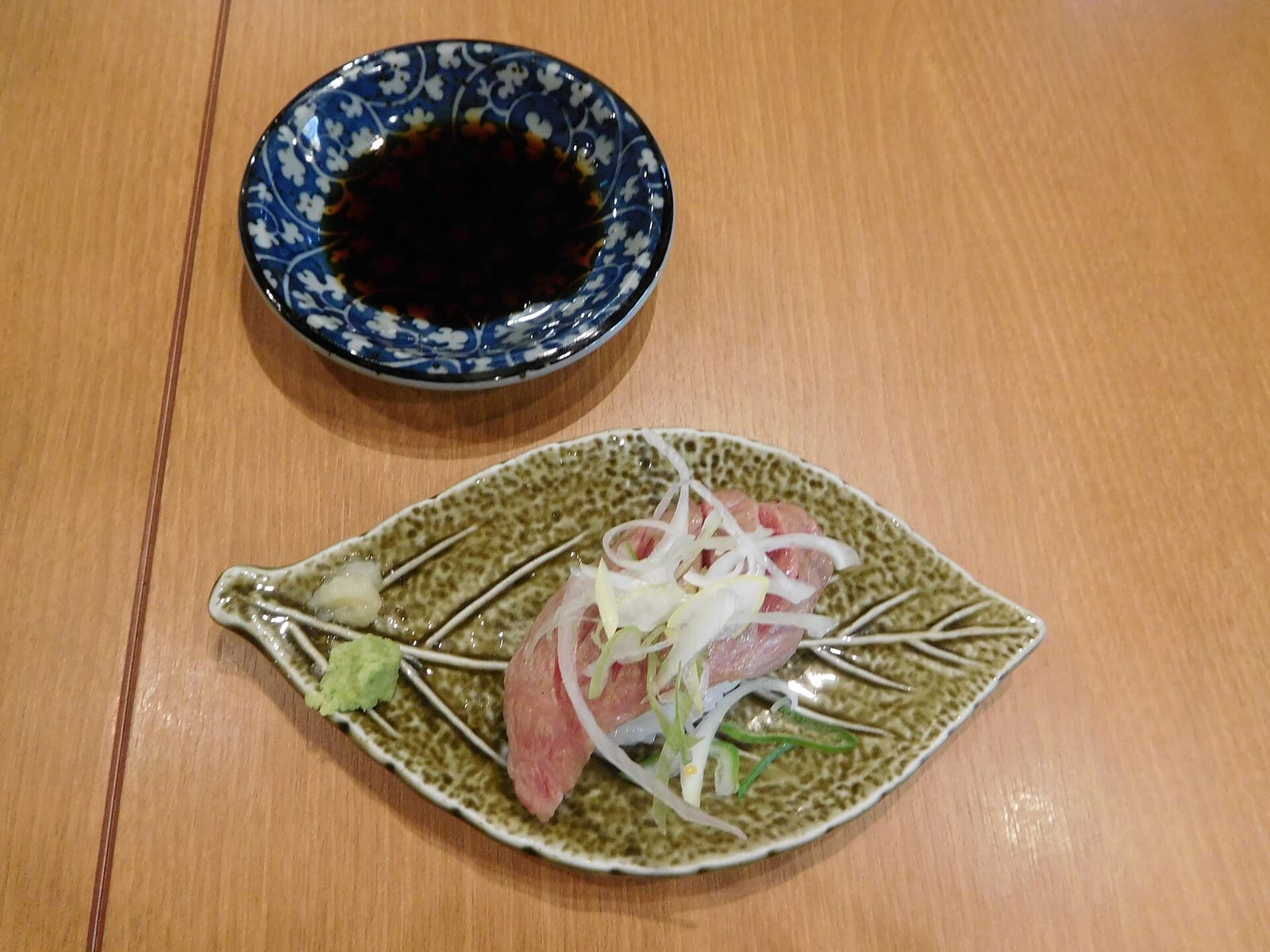 Hida Beef in Takayama: Where to Eat It, from ¥800 Sushi to Steak
FAQ
Is 2 days enough for Takayama?
Two days covers the core of the city: both morning markets, Takayama Jinya, the Sanmachi streets and Hida Folk Village, with a half day left for one trip out. A third day lets you do two of the day-2 options instead of one.
What time do the Takayama morning markets open?
Both the Miyagawa and Jinya-mae markets run from 7:00 to noon from April to November and from 8:00 to noon from December to March, according to the city's tourism site. They are open all year, and some stalls close early once they sell out.
How do you get from Nagoya or Osaka to Takayama?
Take the JR limited express Hida. The city's tourism site gives about 140 minutes from Nagoya and about 255 minutes from Osaka on the direct train. From Osaka you can also ride the Nozomi shinkansen to Nagoya, about 50 minutes, and change to the Hida there.
Can you do Shirakawa-go as a half day from Takayama?
Yes. The Nohi Bus takes about 50 minutes each way. In the timetable from December 1, 2026, the 8:10 from Takayama reaches Shirakawa-go at 9:00 and the 12:35 back reaches Takayama at 13:25, which gives you about three and a half hours in the village.
When is the Takayama Festival?
The spring festival is held on April 14 and 15 and the autumn festival on October 9 and 10 every year, according to the city's tourism site. The night festival, with about 100 lanterns lit on each float, is on the first evening of each.
Sources
- Hida Takayama (Takayama City) — How to get to Takayama
- JR Central — Hida Area Free Kippu (Japanese)
- Hida Takayama (Takayama City) — Jinya-mae Morning Market
- Hida Takayama (Takayama City) — Miyagawa Morning Market
- Hida Takayama Tourism Association — Miyagawa Morning Market (Japanese)
- Takayama Jinya — Opening hours and admission
- Hida Takayama (Takayama City) — Sanmachi Traditional Buildings Preservation Area
- Hida Takayama (Takayama City) — Hida Folk Village
- Hida Takayama (Takayama City) — Takayama Festival
- Nohi Bus — Takayama–Shirakawa-go–Kanazawa line (timetable, fares)
- Hida City Tourism — Seto River and white-walled storehouses (Japanese)
- Shinhotaka Ropeway — Business hours and fares
- Nohi Bus — Takayama–Shinhotaka line
This article contains affiliate links. We may earn a commission at no extra cost to you.