Two Days in Shinjuku Itinerary: The Classic Day and a Kagurazaka Day
A timed two-day Shinjuku plan: the garden, free observatory and bar alleys on day 1, then Kagurazaka, Waseda, Shin-Okubo and evening rakugo on day 2.
Two days is the point where Shinjuku stops being a station and becomes a district. With one day, you have to stay near the tracks: the garden, the free observatory, the bar alleys. With a second day, you can follow Shinjuku City north and east into Kagurazaka’s slopes, the Waseda campus, Tokyo’s highest hill inside the Yamanote loop and the Korean shops of Shin-Okubo, and still be back on the east side for an evening of rakugo. This plan does exactly that, with day 1 kept short and day 2 laid out stop by stop.
How should you split two days in Shinjuku?
Spend day 1 around Shinjuku Station and day 2 in the neighborhoods to the north and east. Day 1 is built around closing times near the station. Day 2 is a one-way walk from Kagurazaka to Kabukicho that uses only two subway rides.
Here is the overview, with prices as of November 2026:
| Day 1: the classic loop | Day 2: Kagurazaka to Kabukicho | |
|---|---|---|
| Hours | 9:00–22:00 | 9:30–22:00 |
| Area | West and east sides of Shinjuku Station | Kagurazaka, Waseda, Toyama Park, Shin-Okubo, Shinjuku-sanchome |
| Admissions | ¥500 (Shinjuku Gyoen) | ¥3,500 (Suehirotei), or ¥3,000 from about 18:00 |
| Transport | On foot | Toei Oedo Line, Tozai Line one stop, then on foot |
| Best weekday | Not a Monday | Any day; check the theatre museum calendar |
That puts admissions at about ¥4,000 per adult for both days, plus food, drinks and a few subway fares.
Three things to decide before you go:
- Which day is a Monday? Shinjuku Gyoen is closed on Mondays (or on the next weekday if Monday is a public holiday), and from December 29 to January 3. Put the classic day on any other day.
- Pass or card? The Tokyo Subway Ticket costs ¥1,000 for 24 hours as of November 2026 and covers all Tokyo Metro and Toei lines. This plan has only two subway rides on day 2, so a Suica or PASMO card is usually enough. Our Suica guide explains how to get one in Shinjuku.
- Where to stay? Staying near the station for both nights saves you a luggage run. If you need to choose a side, our east or west exit guide compares them.
What does day 1 look like?
Day 1 follows the closing-time rule: the garden first, the free observatory in the late afternoon, the bar alleys last. Our one-day Shinjuku itinerary covers each stop in detail, including a rainy-day version, so here is the short form.
| Time | Stop | Cost (as of November 2026) |
|---|---|---|
| 9:00 | Shinjuku Gyoen (last entry 16:00 from October 1 to March 14) | ¥500 adults |
| 12:00 | Lunch on the east side near Shinjuku-sanchome | Food only |
| 13:30 | Hanazono Shrine | — |
| 15:30 | Tokyo Metropolitan Government observatory, 45th floor | Free |
| 18:00 | Dinner at Omoide Yokocho, by the West Exit | Food only |
| 20:00 | Golden Gai until about 22:00 | Bar charges vary |
For more on each evening stop, see our Omoide Yokocho guide and our Golden Gai guide. The rest of this article is day 2.
What does day 2 look like, hour by hour?
Day 2 starts with a ride on the Toei Oedo Line to Ushigome-kagurazaka and then walks back toward Shinjuku. Kagurazaka, Waseda, Okubo and Kabukicho are all inside Shinjuku City, so you never leave the ward.
| Time | Stop | Cost (as of November 2026) |
|---|---|---|
| 9:30 | Oedo Line to Ushigome-kagurazaka, Exit 3A; walk to Akagi Shrine | Fare only |
| 10:15 | Walk down Kagurazaka’s main street | — |
| 11:15 | Tozai Line one stop, Kagurazaka to Waseda | Fare only |
| 11:30 | Tsubouchi Memorial Theatre Museum | Free |
| 12:30 | Lunch near the Waseda campus | Food only |
| 13:45 | Walk to Toyama Park and climb Hakoneyama | Free |
| 15:00 | Walk south to Shin-Okubo: Korean snacks and shops | Food only |
| 16:45 | JR Yamanote Line one stop, or walk, to Shinjuku | Fare only |
| 17:30 | Suehirotei evening rakugo show (runs 16:45–20:30) | ¥3,500, or ¥3,000 from about 18:00 |
| 20:45 | Late dinner at Shinjuku Kabuki hall, Tokyu Kabukicho Tower | Food only |
You do not have to see the whole rakugo show. The evening program runs to 20:30 with a break in the middle, and you can leave at the break. The theatre’s site lists a cheaper ticket from about 18:00 for regular shows.
Which stops are on the day 2 route?
Here are the day 2 stops in walking order. Tick “Add to my route” on the ones you want, and the box at the end of the page opens them in order in Google Maps.
Akagi Shrine
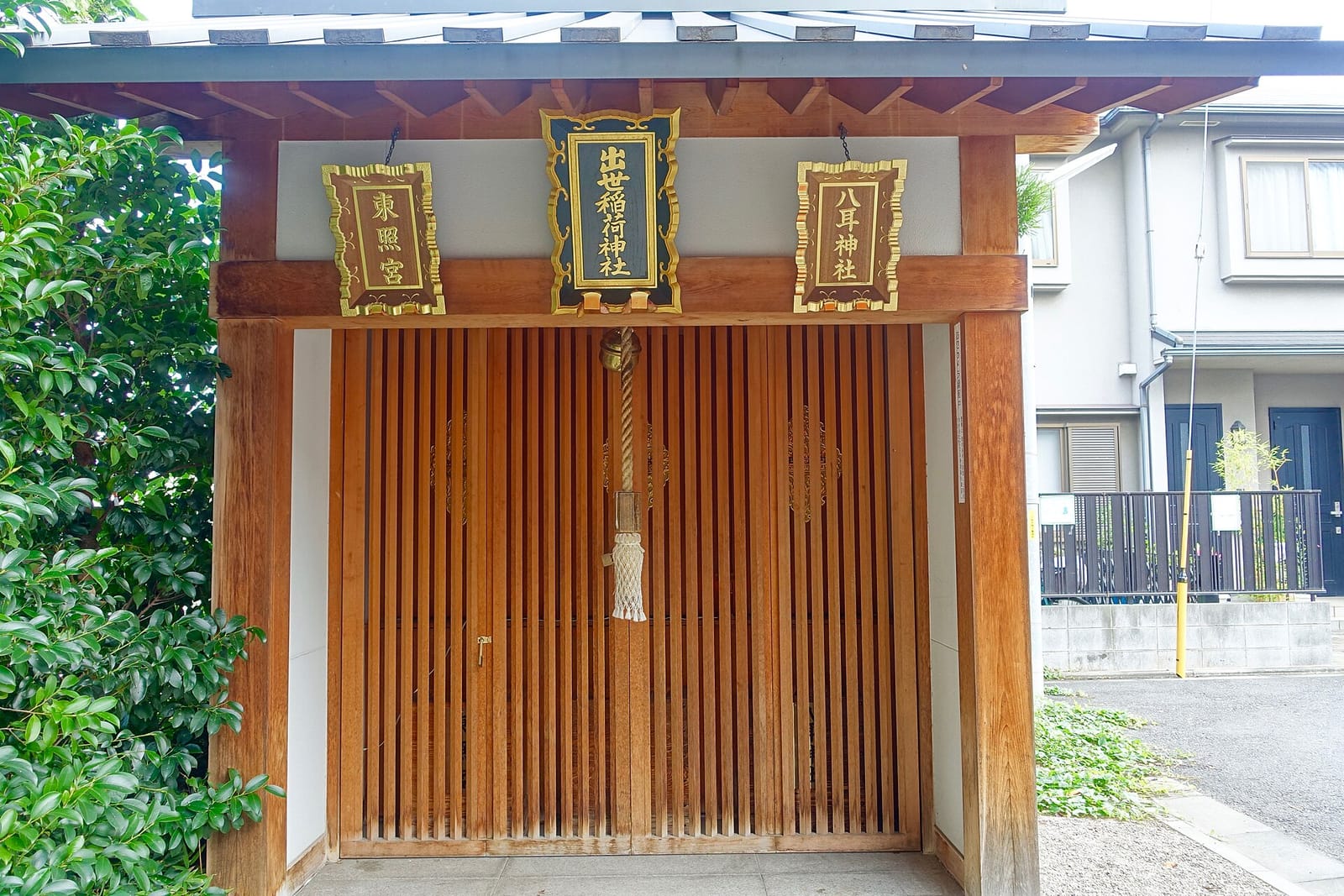
Akagi Shrine is the guardian shrine of the old Ushigome district. A rebuilding project finished with the main hall in September 2010, and several smaller shrines in the grounds that had not been rebuilt after the war were restored at the same time, including the Shusse Inari shrine for success. The shrine also runs a cafe in the grounds. Arriving from Ushigome-kagurazaka means you walk downhill to the shrine and then on to the main street.
- Access
- 1 min from Exit 1b, Kagurazaka Station (Tozai Line); 5 min from Exit 3A, Ushigome-kagurazaka Station (Oedo Line)
- Source
- www.akagi-jinja.jp
Kagurazaka
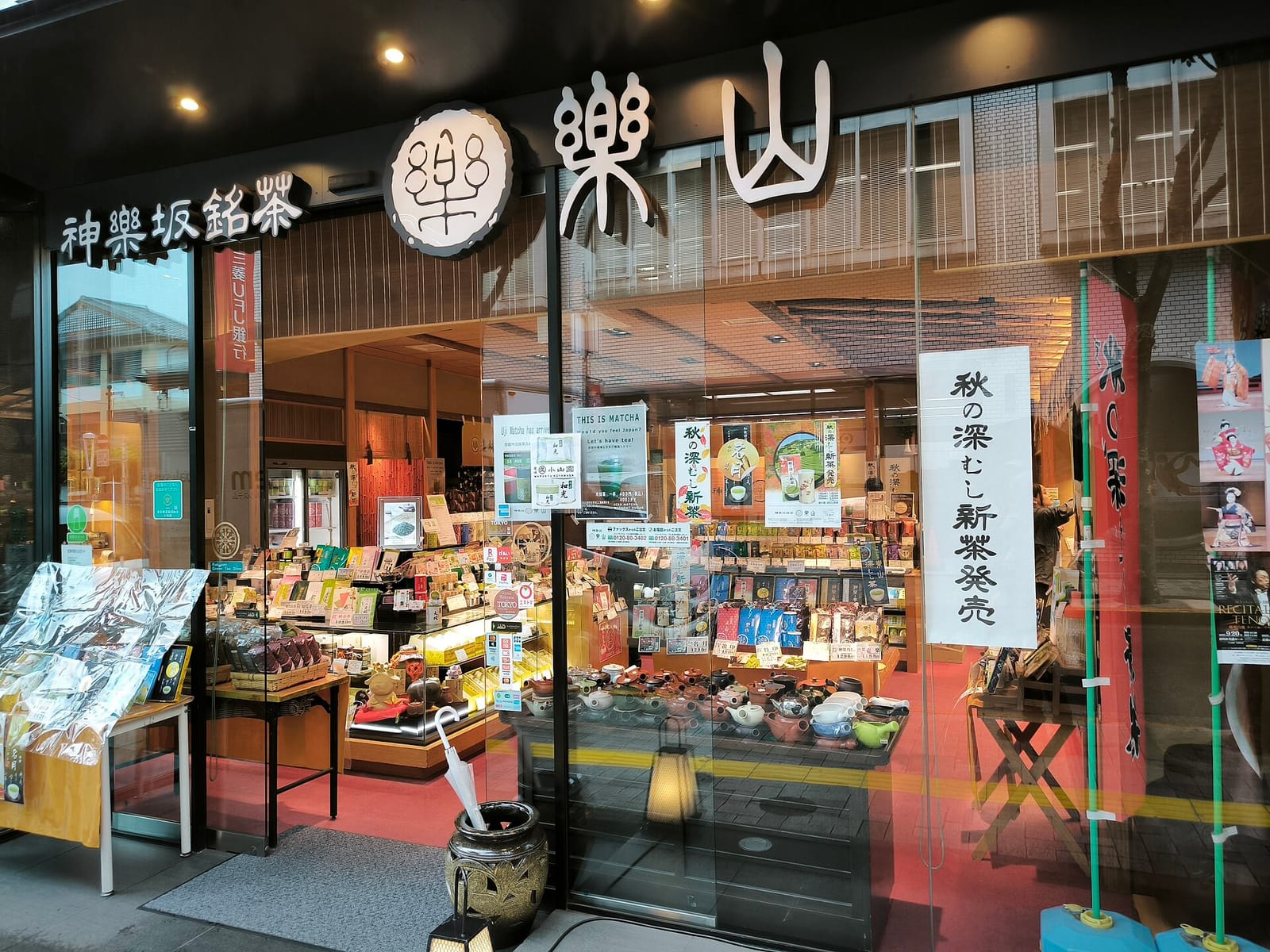
Kagurazaka is a sloping street of small shops, cafes and Japanese restaurants that runs down toward Iidabashi. The narrow stone-paved lanes on either side of the main street are the part to explore slowly. Most shops open late in the morning, so this is a walk to look around rather than to shop. Walk back up to Kagurazaka Station for the Tozai Line.
Tsubouchi Memorial Theatre Museum
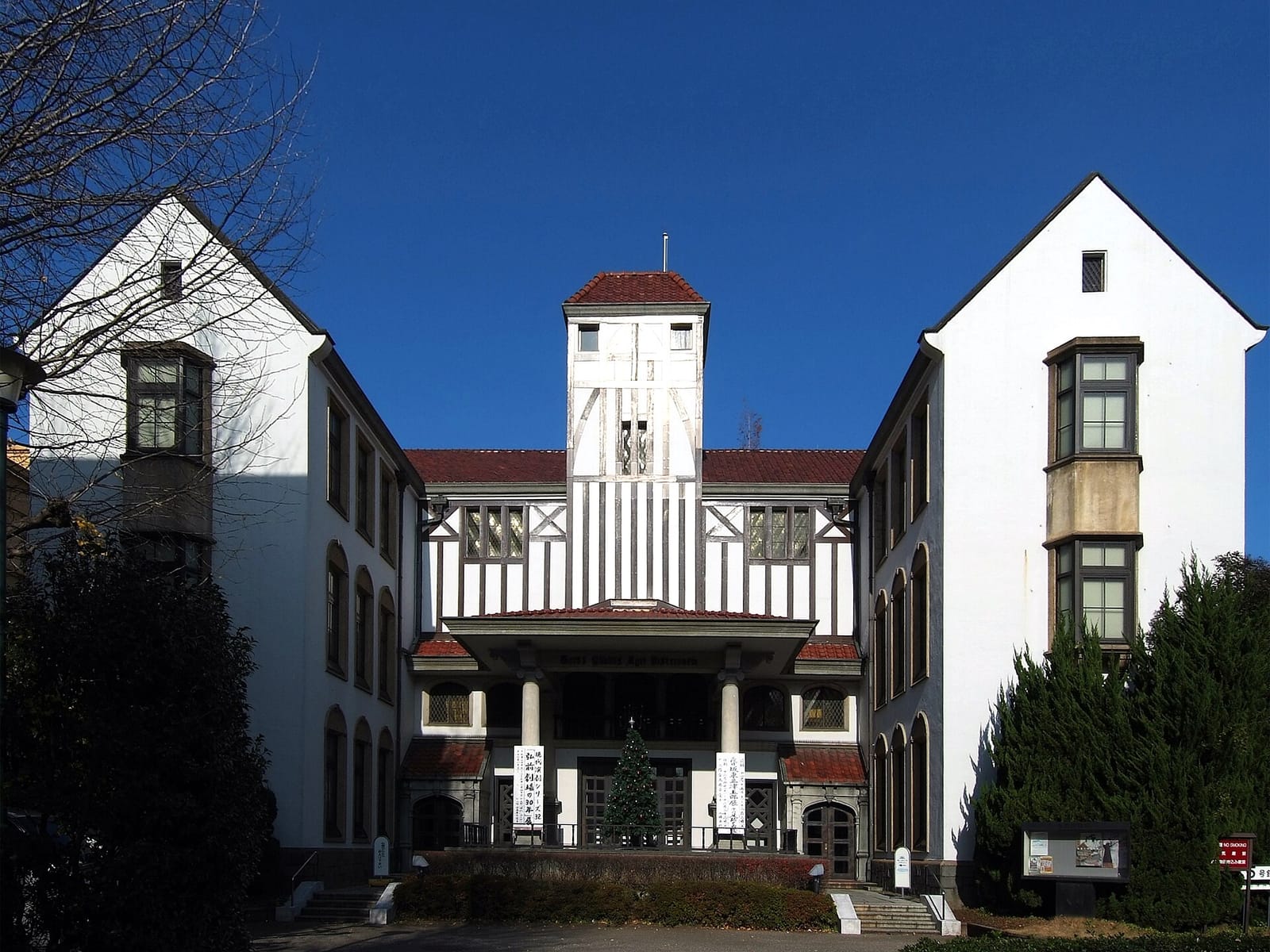
The museum opened in October 1928, and its building is modeled on the Fortune Playhouse, a theater from Elizabethan London. Inside are exhibition rooms and a library devoted to theater and film. Admission is free, and an hour is enough for the main rooms. The museum sits on the Waseda campus, so the area has plenty of inexpensive places for lunch.
- Hours
- Exhibition rooms 10:00–17:00, Tuesdays and Fridays to 19:00; check the museum calendar for closed days (as of November 2026)
- Price
- Free
- Access
- 7 min walk from Exit 3a or 3b, Waseda Station (Tozai Line)
- Source
- enpaku.w.waseda.jp
Hakoneyama, Toyama Park
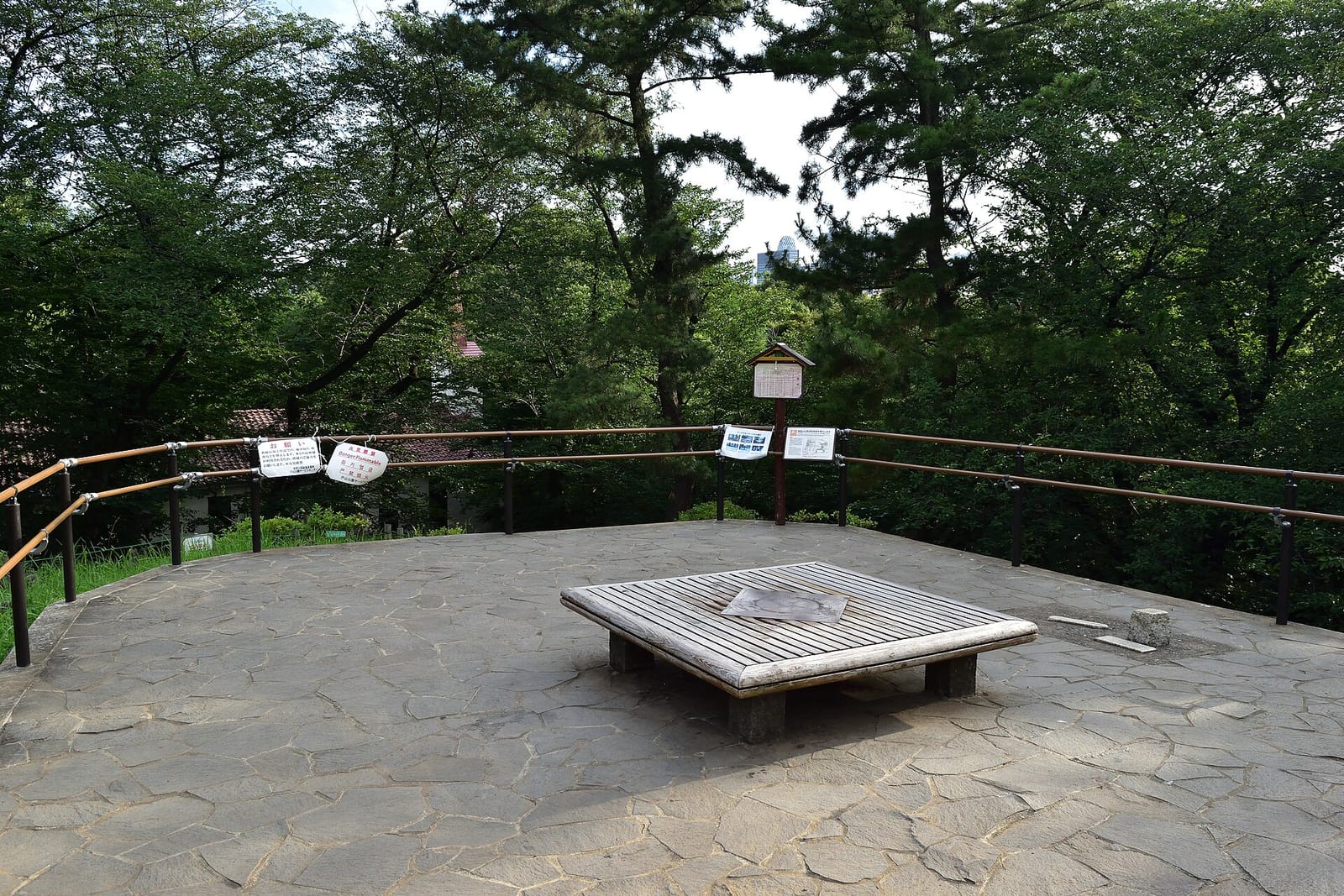
At 44.6 meters, Hakoneyama is the highest point inside the Yamanote Line loop. It is a man-made hill in what was once the garden of a residence of the Owari branch of the Tokugawa family, and the climb takes only a few minutes. The park service center issues a certificate to people who reach the summit. Call ahead (03-3200-1702) to check its hours, because the park’s site does not list them.
- Price
- Free
- Access
- 10 min walk from Waseda Station (Tozai Line); 8 min from Nishi-Waseda Station (Fukutoshin Line)
- Source
- www.tokyo-park.or.jp
Shin-Okubo Koreatown
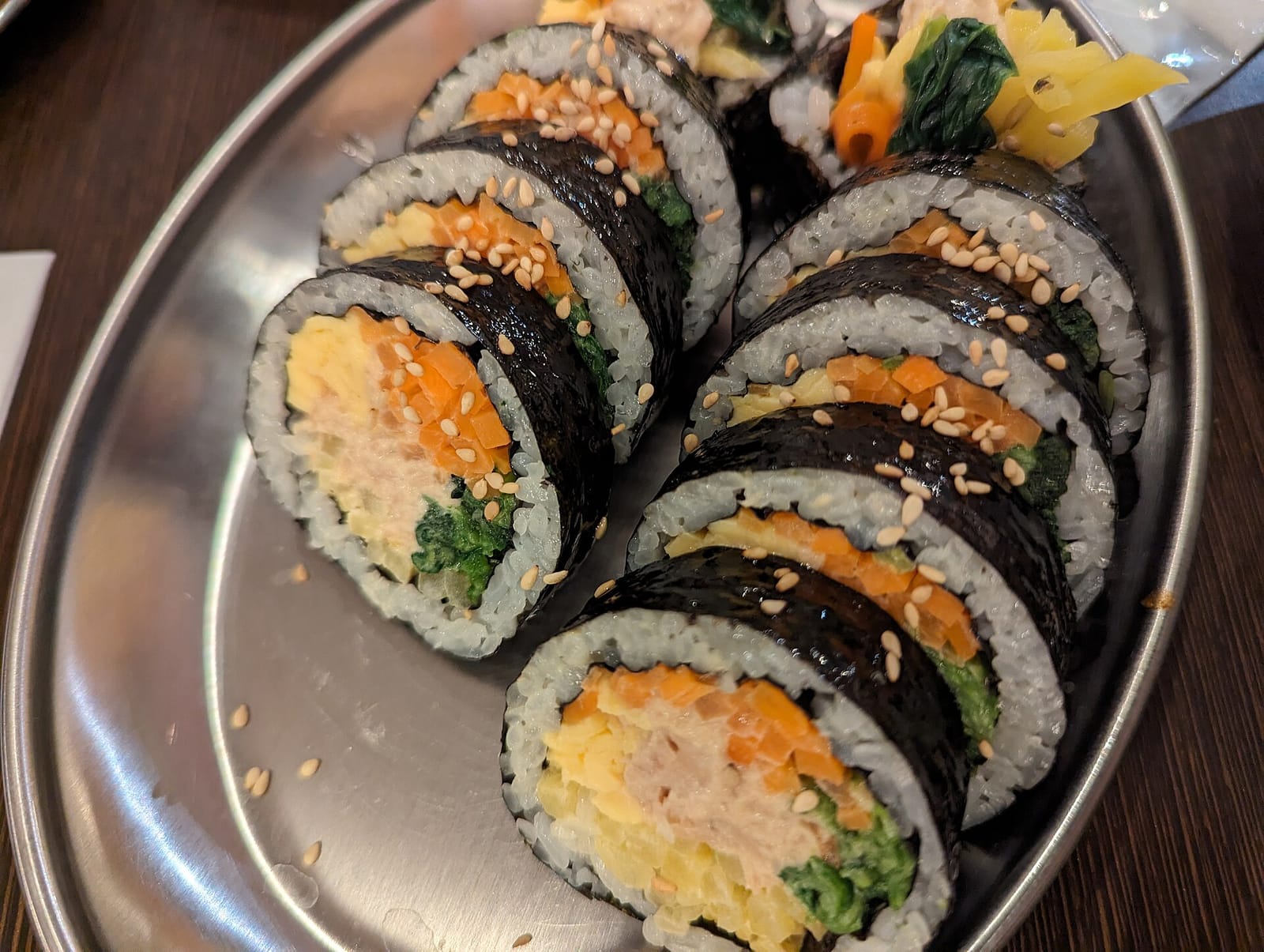
From the Okubo side of Toyama Park, walk south to the streets around Shin-Okubo Station, the center of Tokyo’s best-known Korean neighborhood. The lanes are lined with Korean restaurants, snack stands, cosmetics shops and K-pop goods stores. Weekend afternoons are very crowded, so on a Saturday or Sunday allow extra time or come straight from the park. Eat light here, since dinner comes later.
Shinjuku Suehirotei
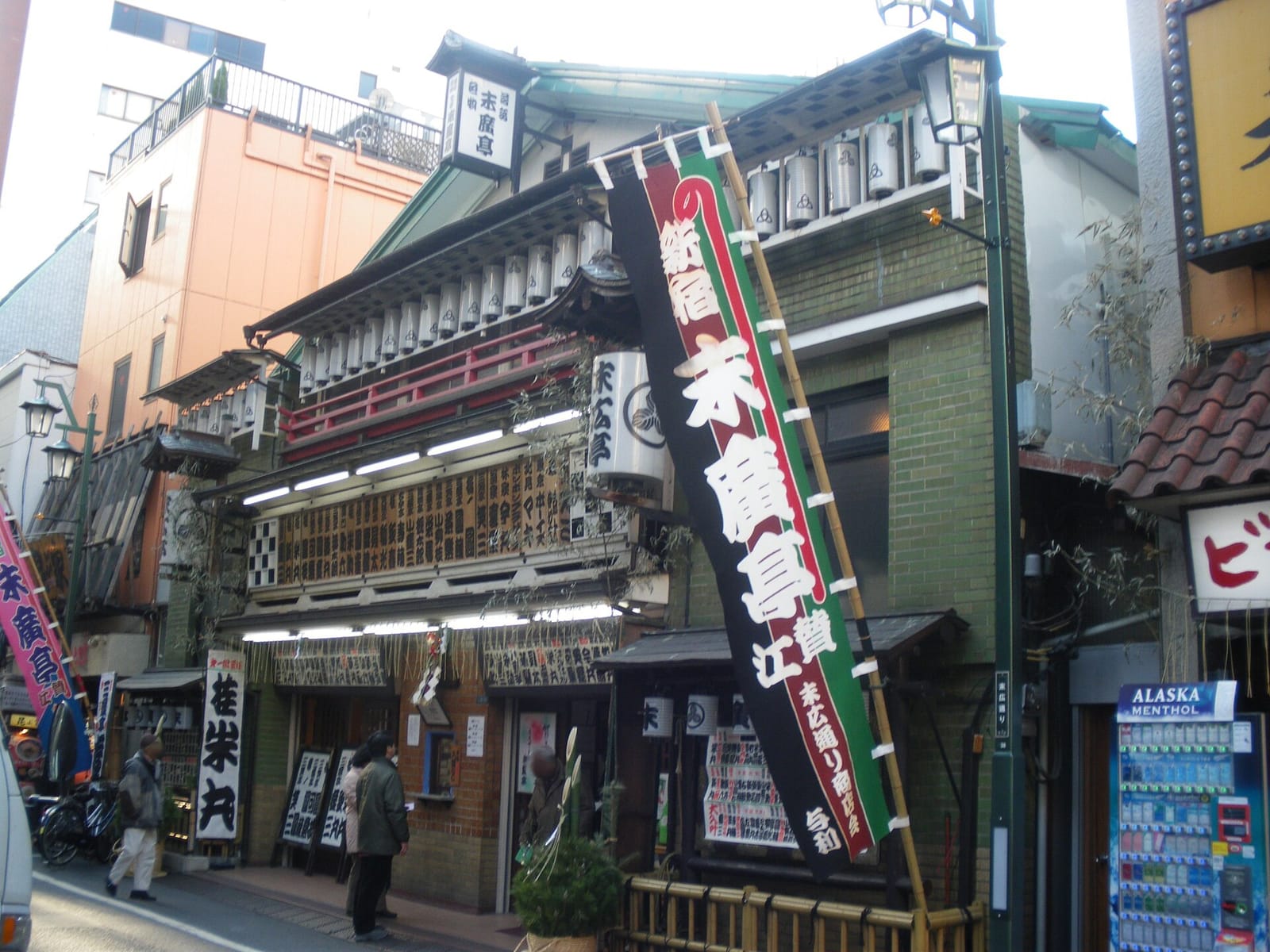
Suehirotei is a yose, a theater for rakugo comic storytelling and other traditional variety acts, in Shinjuku 3-chome on the east side. Performers come on one after another through each show, so you can arrive partway through. The stories are in Japanese. For regular shows, the theatre lists a reduced price of about ¥3,000 from around 18:00, and about ¥2,000 from around the mid-show break.
- Hours
- Day show 12:00–16:15; evening show 16:45–20:30; closed December 30 and 31 (as of November 2026)
- Price
- Adults ¥3,500; seniors 65+ ¥3,200; students ¥3,000; elementary school children ¥2,500; unreserved seats sold on the day (as of November 2026)
- Source
- suehirotei.com
Shinjuku Kabuki hall, Tokyu Kabukicho Tower
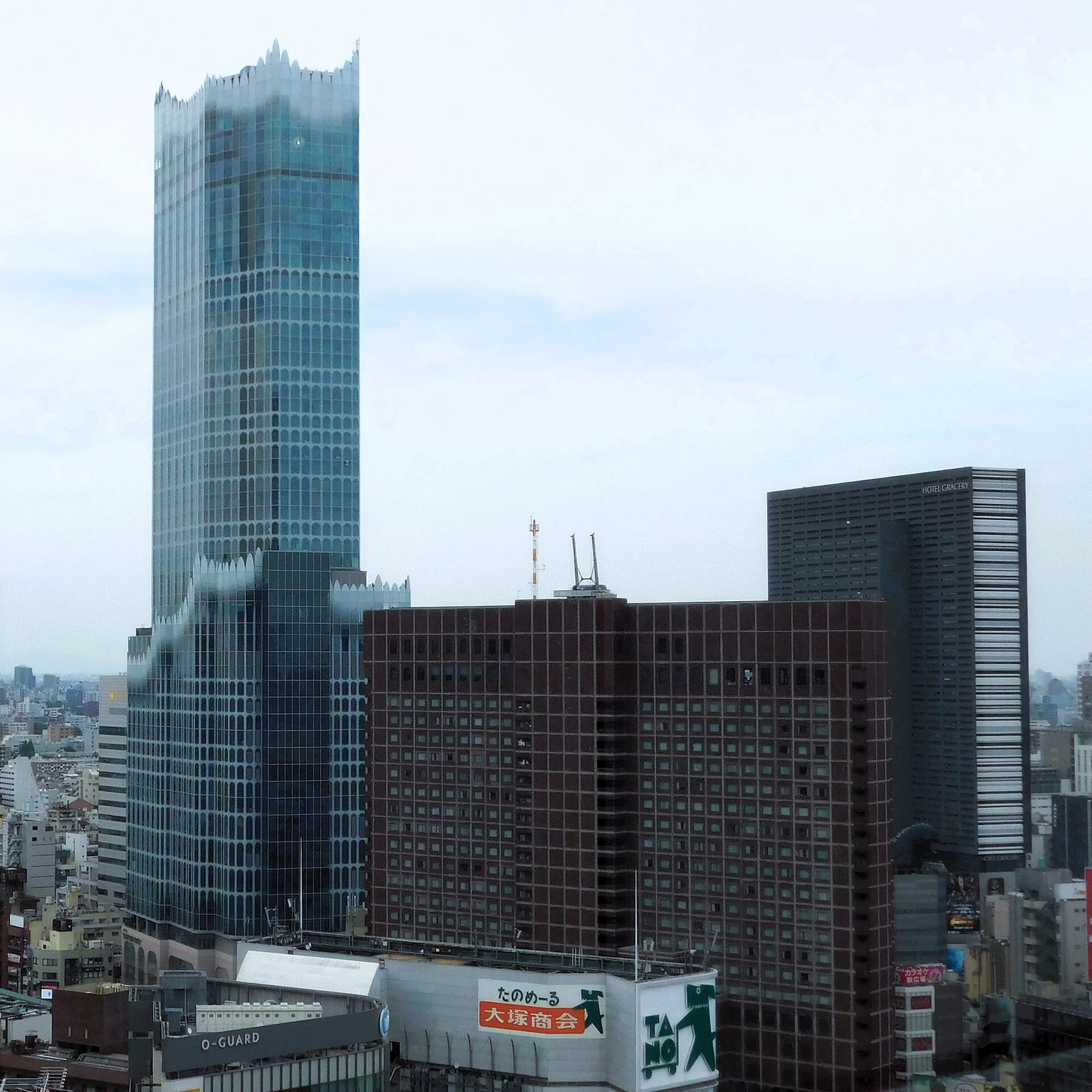
This food hall on the 2nd floor of Tokyu Kabukicho Tower stays open almost all night, so it works for a late dinner after the theater. It is a short walk north from Suehirotei through Kabukicho. Our Kabukicho Tower guide covers the other floors if you want to stay out later.
- Hours
- 6:00–5:00 the next morning; some stalls need setup time after opening (as of November 2026)
- Access
- 2F, Tokyu Kabukicho Tower
- Source
- www.tokyu-kabukicho-tower.jp
How do you get around on day 2?
Ride twice and walk the rest. From Shinjuku, take the Toei Oedo Line to Ushigome-kagurazaka. After Kagurazaka, take the Tozai Line one stop from Kagurazaka to Waseda. From there, the theatre museum, Toyama Park and Shin-Okubo are linked on foot, heading west and then south. From Shin-Okubo, Shinjuku is one stop on the JR Yamanote Line.
If you are coming from a hotel on the west side, Tochomae and Shinjuku-nishiguchi stations are both on the Oedo Line, so you do not need to cross the main station first. Our Shinjuku Station exits guide helps if you do.
How can you change the plan?
Shorten day 2 from the middle, not the ends. Kagurazaka is best in the morning and Suehirotei in the evening, so if you run late, skip Hakoneyama first, then Shin-Okubo.
- Rain on day 2: keep the shrine, the theatre museum and Suehirotei. From Waseda, ride the Tozai Line to Takadanobaba and change to the JR Yamanote Line for Shin-Okubo, so you walk less.
- Rain on day 1: swap the garden for indoor stops. The rainy-day plan in our one-day itinerary does this with the observatory, an art museum and the garden’s greenhouse.
- No interest in rakugo: go up the free Tokyo Metropolitan Government observatory after dark instead, if you only saw it in daylight on day 1. The South deck is open until 22:00 on normal days.
- Want a day out of the city instead? Swap day 2 for our Hakone day trip from Shinjuku, which leaves from the same station.
What to pack before you go
Maps, train apps and translation drain a phone by mid-afternoon. Keep it in your carry-on: power banks are not allowed in checked luggage.
Japan still runs on coins: there are six of them, from 1 to 500 yen, and you collect a pocketful fast. A holder with a slot for each coin lets you pay the exact amount at ticket machines, shrines and small shops without digging.
 Shinjuku Hotels With Big Rooms for Families: 6 Picks by Group Size
 Shinjuku Hotels Connected to the Station: What 'Direct' Means
FAQ
Is two days in Shinjuku too much?
Not if the second day leaves the station area. The main sights around Shinjuku Station fit into one day, but Shinjuku City also covers Kagurazaka, Waseda and Shin-Okubo, which most short visits skip. Day 2 in this plan uses only two subway rides and a lot of walking.
Which day should be the Monday?
Never day 1. Shinjuku Gyoen is closed on Mondays, or on the next weekday when Monday is a public holiday. If one of your days is a Monday, make it the Kagurazaka day and check the Tsubouchi Memorial Theatre Museum's calendar, because the museum lists its closed days on its website.
Should you buy a Tokyo Subway Ticket for two days in Shinjuku?
Usually not for this plan. As of November 2026 the 24-hour Tokyo Subway Ticket costs ¥1,000 for adults and covers Tokyo Metro and Toei lines, but day 2 uses only the Toei Oedo Line and one stop on the Tozai Line, and day 1 is on foot. A Suica or PASMO card is simpler unless you add more rides.
Is rakugo at Suehirotei suitable for visitors who do not speak Japanese?
The stories are told in Japanese, so you will miss the words. Many visitors still enjoy the form: one performer kneeling on a cushion, using only a fan and a cloth. Seating is unreserved and tickets are sold at the window on the day.
What if it rains on day 2?
Keep the shrine, the theatre museum and Suehirotei, and drop the climb up Hakoneyama. Take the Tozai Line from Waseda to Takadanobaba and change to the JR Yamanote Line for Shin-Okubo, so you walk less in the rain.
Sources
- Shinjuku Gyoen National Garden — Admission (hours, closed days, fees)
- Tokyo Metropolitan Government — Observatory visitor guide (Japanese)
- Akagi Shrine (official site, Japanese) — Access
- Akagi Shrine (official site, Japanese) — About the shrine
- Tsubouchi Memorial Theatre Museum, Waseda University (English)
- Tsubouchi Memorial Theatre Museum (Japanese) — Hours and access
- Tokyo Metropolitan Park Association — Toyama Park
- GO TOKYO — Toyama Park
- Shinjuku Suehirotei (official site, Japanese)
- Shinjuku Suehirotei — Guide (admission, show times)
- Tokyu Kabukicho Tower — Entertainment and restaurants
- GO TOKYO — Discount passes and tickets (Tokyo Subway Ticket)
This article contains affiliate links. We may earn a commission at no extra cost to you.