Tokyo 3-Day Itinerary for First Timers: Timed Plan From Tokyo Station
A timed 3-day Tokyo plan for first-timers based at Tokyo Station: Asakusa and Ueno, Harajuku to Shinjuku, Tsukiji and Ginza, with every subway ride counted.
Three days, first time in Tokyo: which areas do you see, in what order, and which ticket do you buy before you start? Short answer: give each day one side of the city. Day 1 is old Tokyo in Asakusa and Ueno. Day 2 is the west side, from Meiji Jingu through Harajuku and Shibuya to Shinjuku. Day 3 is the centre: breakfast at Tsukiji, Ginza, then the Imperial Palace East Gardens, or teamLab Planets if the gardens are closed. Sleep near Tokyo Station, where the subway and the JR Yamanote Line both start.
This plan is for first-timers with three full days on foot and by train. Admissions run from about ¥3,700 to ¥8,200 per adult, plus subway and JR fares (as of November 2026). For where to sleep, see our guide to where to stay in Tokyo for first-timers.
Which ticket should you buy for 3 days in Tokyo?
For this route, start with a Suica or PASMO, not the 72-hour Tokyo Subway Ticket. The plan uses 9 or 10 subway rides, and the pass needs about 12 to pay off.
The numbers, as of November 2026:
- Tokyo Subway Ticket. GO TOKYO lists the 24-, 48- and 72-hour tickets at ¥1,000, ¥1,500 and ¥2,000 for adults. They cover Tokyo Metro and Toei Subway lines only, not JR. The paper ticket runs from first use; on a PASMO it runs from the time of purchase.
- Single fares. GO TOKYO says Tokyo Metro fares run from ¥180 to ¥330 and Toei fares from ¥180 to ¥430, by distance. Most hops in this plan are short.
- Break-even. ¥2,000 ÷ ¥180 is 11.1, so you need 12 minimum-fare rides to beat the pass.
Here is every subway ride in the plan, from a hotel near Tokyo Station:
| Day | Subway rides | Count |
|---|---|---|
| Day 1 | Kanda → Asakusa (Ginza Line); Asakusa → Ueno (Ginza Line); Ueno → Ginza (Ginza Line); Ginza → Tokyo (Marunouchi Line) | 4 |
| Day 2 | Otemachi → Meiji-jingumae (Chiyoda Line); Shibuya → Shinjuku-sanchome (Fukutoshin Line); Shinjuku → Tokyo (Marunouchi Line) | 3 |
| Day 3, gardens | Tokyo → Ginza → Tsukiji (Marunouchi, then Hibiya Line); Ginza → Otemachi (Marunouchi Line) | 2 |
| Day 3, teamLab | Add Ginza-itchome → Toyosu and back (Yurakucho Line) | +1 to 2 |
The Tokyo Station → Kanda hop on Day 1 is JR, which the pass never covers. So does the pass ever make sense? Yes, if you add three or more rides: an evening trip out, a hotel away from the station you are touring, or bad weather that turns walks into rides. GO TOKYO also notes that Tokyo Metro and Toei are separate companies, so a change between the two normally needs two tickets; the pass removes that. Our 72-hour Tokyo Subway Ticket guide runs the maths for other routes, and how to buy a Suica covers the IC card.
What does the 3-day plan look like hour by hour?
Each day starts around 8:30 and ends with dinner. Travel times below come from GO TOKYO and the operators.
Day 1: Asakusa and Ueno
| Time | Plan | How you get there |
|---|---|---|
| 8:30 | Leave Tokyo Station | JR Yamanote Line to Kanda, then Ginza Line to Asakusa: about 20 min |
| 9:00 | Senso-ji and Nakamise | 5 min walk from Asakusa Station |
| 11:30 | Ride to Ueno | Ginza Line, Asakusa to Ueno |
| 12:00 | Lunch and the Ameyoko market street | Next to Ueno Station |
| 13:30 | Tokyo National Museum | 15 min walk from the subway at Ueno, 10 min from JR |
| 16:30 | Back to the hotel or on to Ginza for dinner | JR Yamanote Line, Ueno to Tokyo: 8 min; or Ginza Line to Ginza |
Day 2: Harajuku, Shibuya and Shinjuku
| Time | Plan | How you get there |
|---|---|---|
| 8:30 | Leave from Otemachi | Chiyoda Line to Meiji-jingumae |
| 9:00 | Meiji Jingu | About 1 min to Harajuku Station, then about 10 min more to the main shrine |
| 11:00 | Takeshita Street | Steps from Harajuku Station |
| 12:30 | Walk to Shibuya, lunch | About 20 min on foot |
| 14:00 | Shibuya Scramble Crossing and SHIBUYA SKY | SHIBUYA SKY is directly connected to Shibuya Station |
| 17:00 | Ride to Shinjuku | Fukutoshin Line to Shinjuku-sanchome |
| 18:00 | Tokyo Metropolitan Government observatory, dinner | Free, South Observatory open to 22:00 |
| 21:00 | Back to Tokyo Station | Marunouchi Line, one train |
Day 3: Tsukiji, Ginza and the Imperial Palace
| Time | Plan | How you get there |
|---|---|---|
| 8:30 | Leave Tokyo Station | Marunouchi Line to Ginza, Hibiya Line to Tsukiji |
| 9:00 | Tsukiji Outer Market breakfast | 1 min walk from Tsukiji Station |
| 11:00 | Ginza: department stores, Chuo-dori | Walk via Higashi-ginza |
| 13:30 | Imperial Palace East Gardens | Marunouchi Line to Otemachi, then 5 min on foot |
| 15:30 | Last entry in winter; walk to Tokyo Station | — |
Day 3, teamLab version: keep Tsukiji and Ginza, then take the Yurakucho Line from Ginza-itchome to Toyosu and walk about 10 minutes from Exit 7 to teamLab Planets. Book a time slot online before you travel; our teamLab Planets tickets guide covers the rules.
Plan your days around rush hour. GO TOKYO says trains are most crowded from about 7:30 to 9:30 and 17:30 to 19:30, so the 8:30 starts above sit at the tail end of the morning peak. Leaving at 9:00 is easier with small children.
Which days of the week work for each day of the plan?
Fix Day 3 first; it has the most closing days. The Imperial Household Agency closes the East Gardens on Mondays and Fridays. GO TOKYO says the Tsukiji Outer Market is closed on Wednesdays, Sundays and national holidays, and many shops close with it. The Tokyo National Museum closes on Mondays.
| Day of week | Day 1 (Ueno museum) | Day 3, gardens version | Day 3, teamLab version |
|---|---|---|---|
| Monday | Museum closed | Gardens closed | Works (no Tsukiji) |
| Tuesday | Works | Works | Works |
| Wednesday | Works | Tsukiji closed | Works (no Tsukiji) |
| Thursday | Works | Works | Works |
| Friday | Works | Gardens closed | Works |
| Saturday | Works | Works | Works |
| Sunday | Works | Tsukiji closed | Works (no Tsukiji) |
If your Day 3 lands on a Monday, Wednesday, Friday or Sunday, use the teamLab version. On Saturdays and Sundays, Ginza’s main street becomes a pedestrian paradise, from noon to 5 p.m. between October and March, according to GO TOKYO.
What are the stops, in route order?
Tick “Add to my route” on each stop to send that day’s walk to Google Maps.
Senso-ji
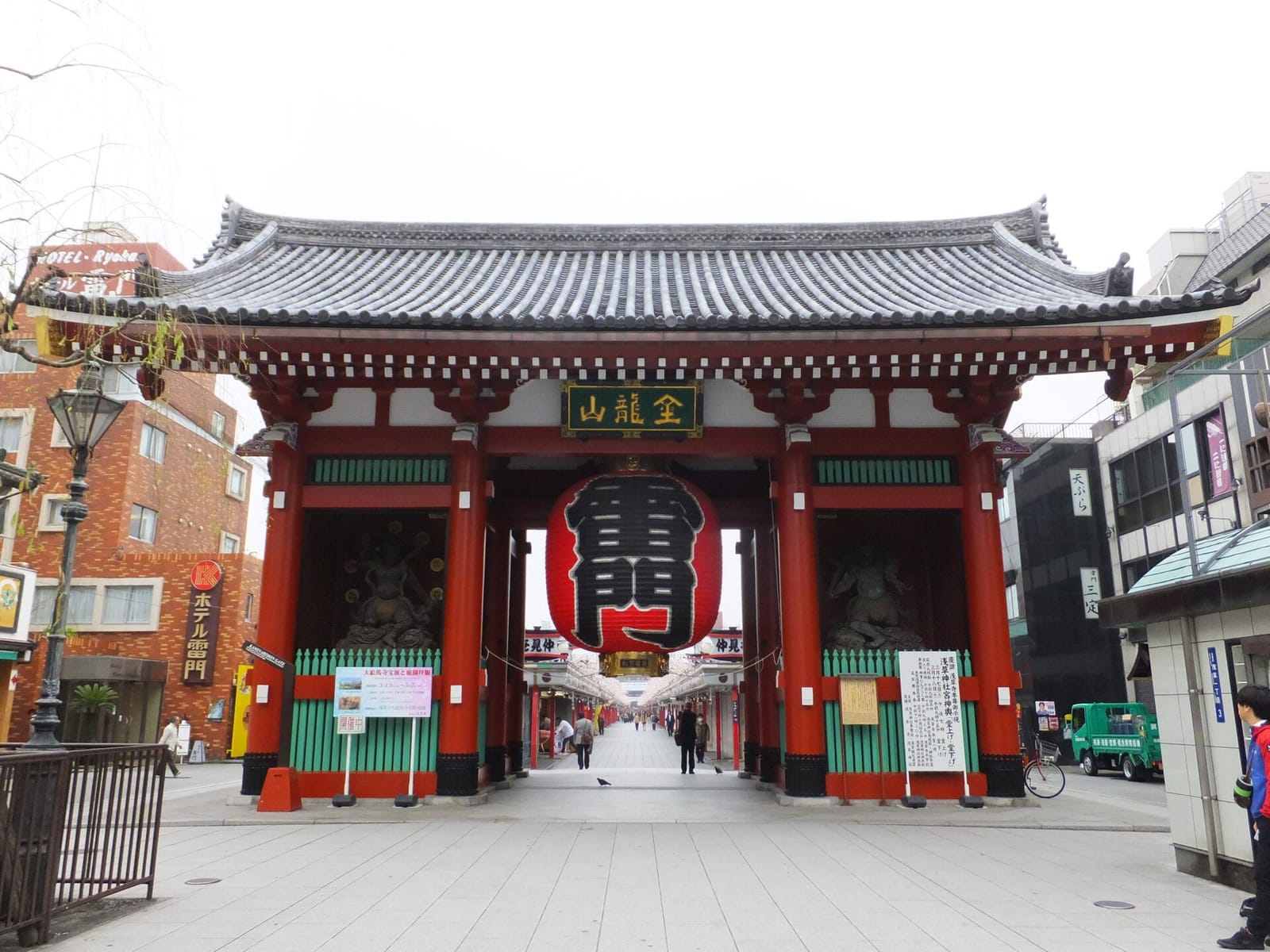
Day 1 starts at the Kaminarimon gate. Arriving at 9:00 puts you there before most tour groups, and the main hall has already been open for over two hours. Walk the Nakamise shopping street to the main hall, then leave by the side streets toward the Ginza Line. If you come straight from Shinjuku instead, see our Shinjuku to Asakusa train guide.
- Hours
- Main hall 6:00–17:00; opens 6:30 from October to March (as of November 2026)
- Access
- 5 min walk from Asakusa Station (Ginza Line, Toei Asakusa Line Exit A4, Tobu)
- Source
- www.senso-ji.jp
Tokyo National Museum
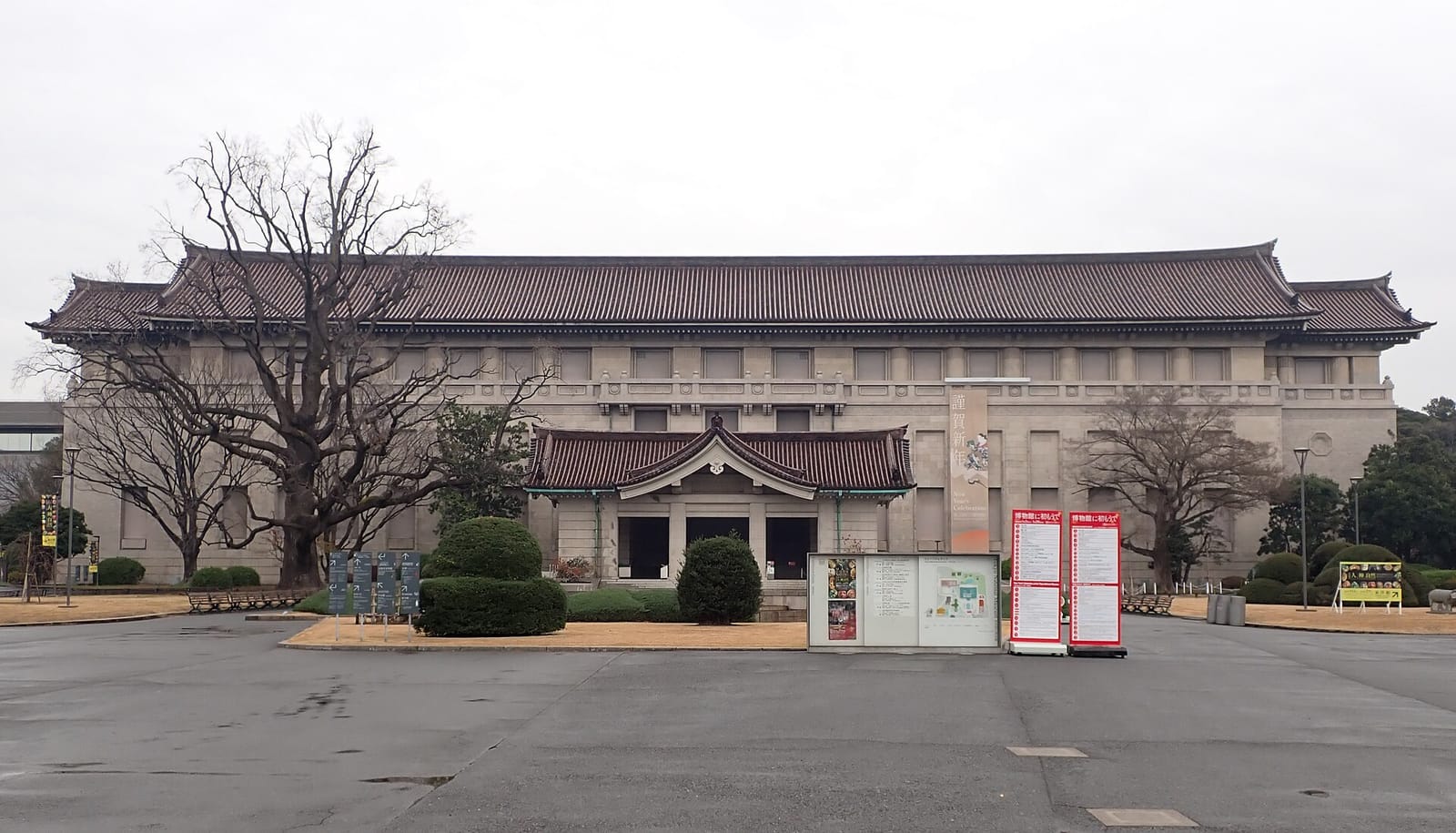
The anchor of the Ueno afternoon, and the first place to go if it rains. GO TOKYO lists ukiyo-e prints, ceramics and swords among its collections. Ueno Park sits next to the station, so the walk to the museum passes the park’s pond, shrine and other museums. Last admission is 30 minutes before closing. Our Ueno hotel guide covers the area if you would rather sleep on this side of the city.
- Hours
- 9:30–17:00; to 20:00 on Fridays, Saturdays and some Sundays; closed Mondays and December 26–31, 2026
- Price
- Collection exhibitions ¥1,000 adults; free under 18 and over 70 (as of November 2026)
- Access
- 10 min walk from JR Ueno Station; 15 min from the Ginza or Hibiya Line at Ueno
- Source
- www.tnm.jp
Meiji Jingu
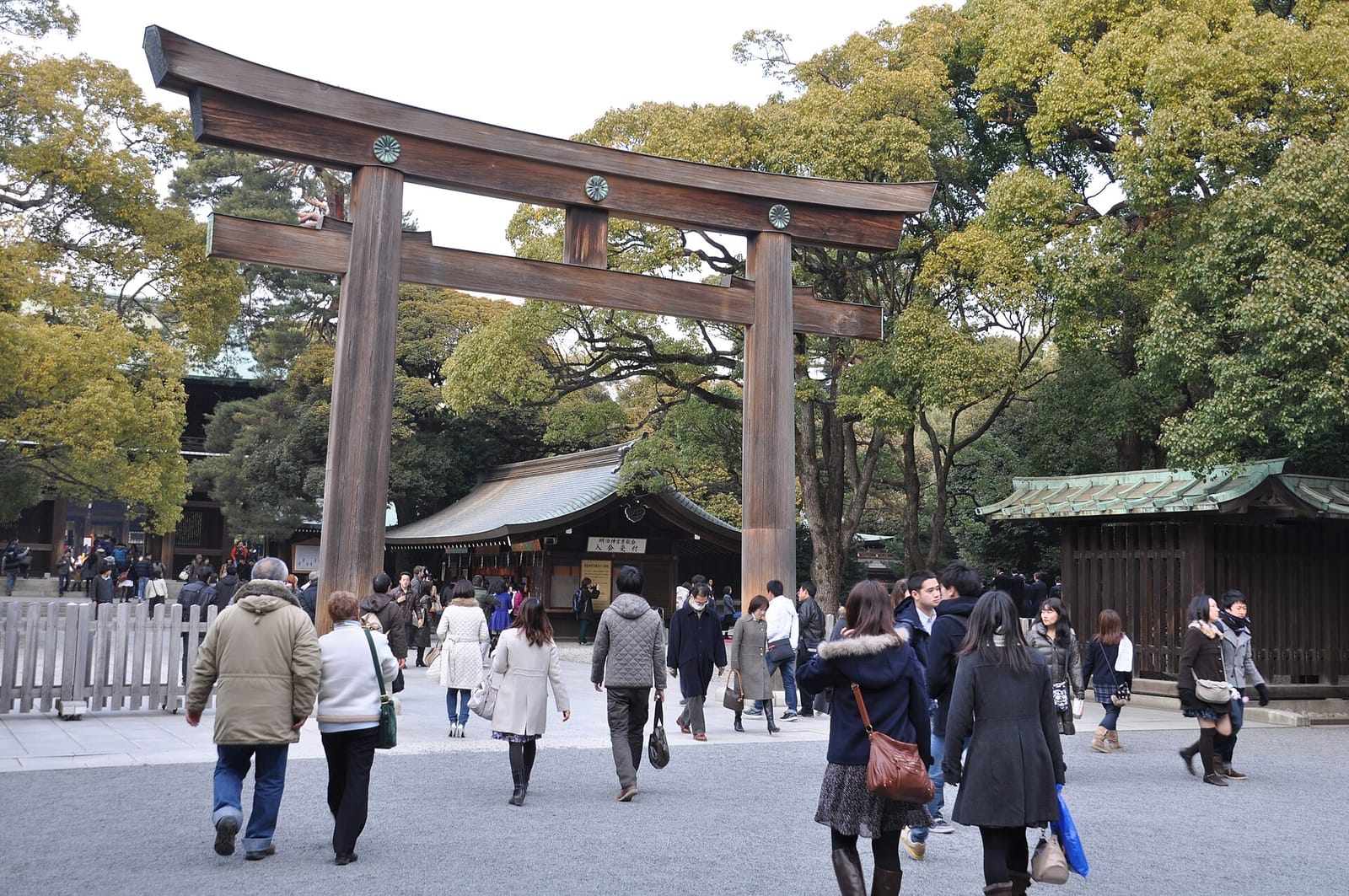
A forest shrine a minute from Harajuku Station. Meiji Jingu opens at sunrise and closes at sunset, so in winter go in the morning; the shrine itself says it takes at least ten minutes to walk from the entrance to the main buildings. Some facilities inside keep shorter hours, mainly 9:00 to 16:00.
- Hours
- Sunrise to sunset: 6:10–16:10 in November, 6:40–16:00 in December
- Price
- Free
- Access
- About 1 min walk from Harajuku Station to the entrance; at least 10 more min to the main shrine
- Source
- www.meijijingu.or.jp
Takeshita Street
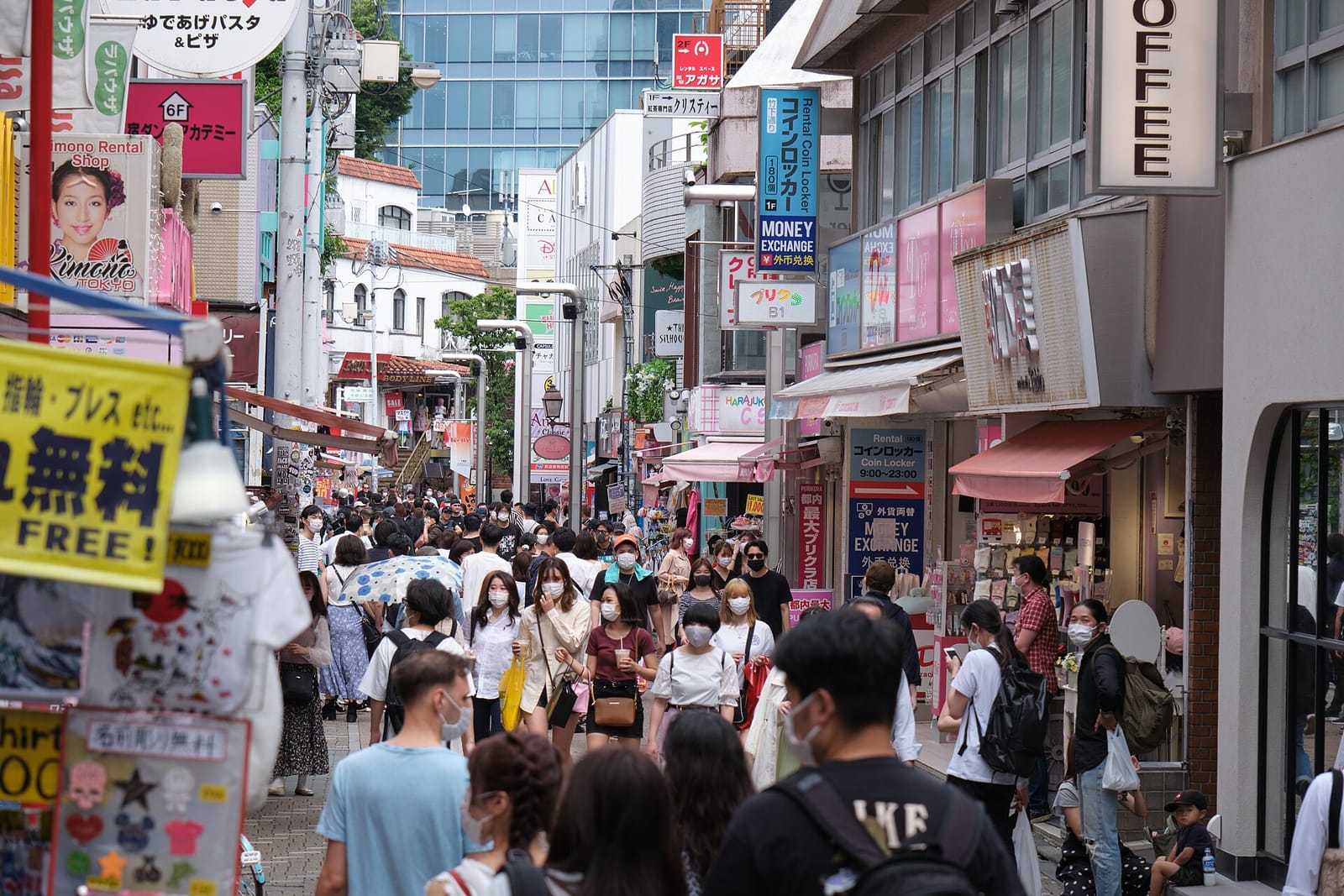
Harajuku’s pedestrian-only main street of small clothing and accessory shops, plus a Daiso and drugstores. GO TOKYO notes that it is often crowded and that the side streets nearby are calmer, with similar shops. From here, Shibuya is about a 20-minute walk.
- Access
- Steps from JR Harajuku Station
- Source
- www.gotokyo.org
Shibuya Scramble Crossing
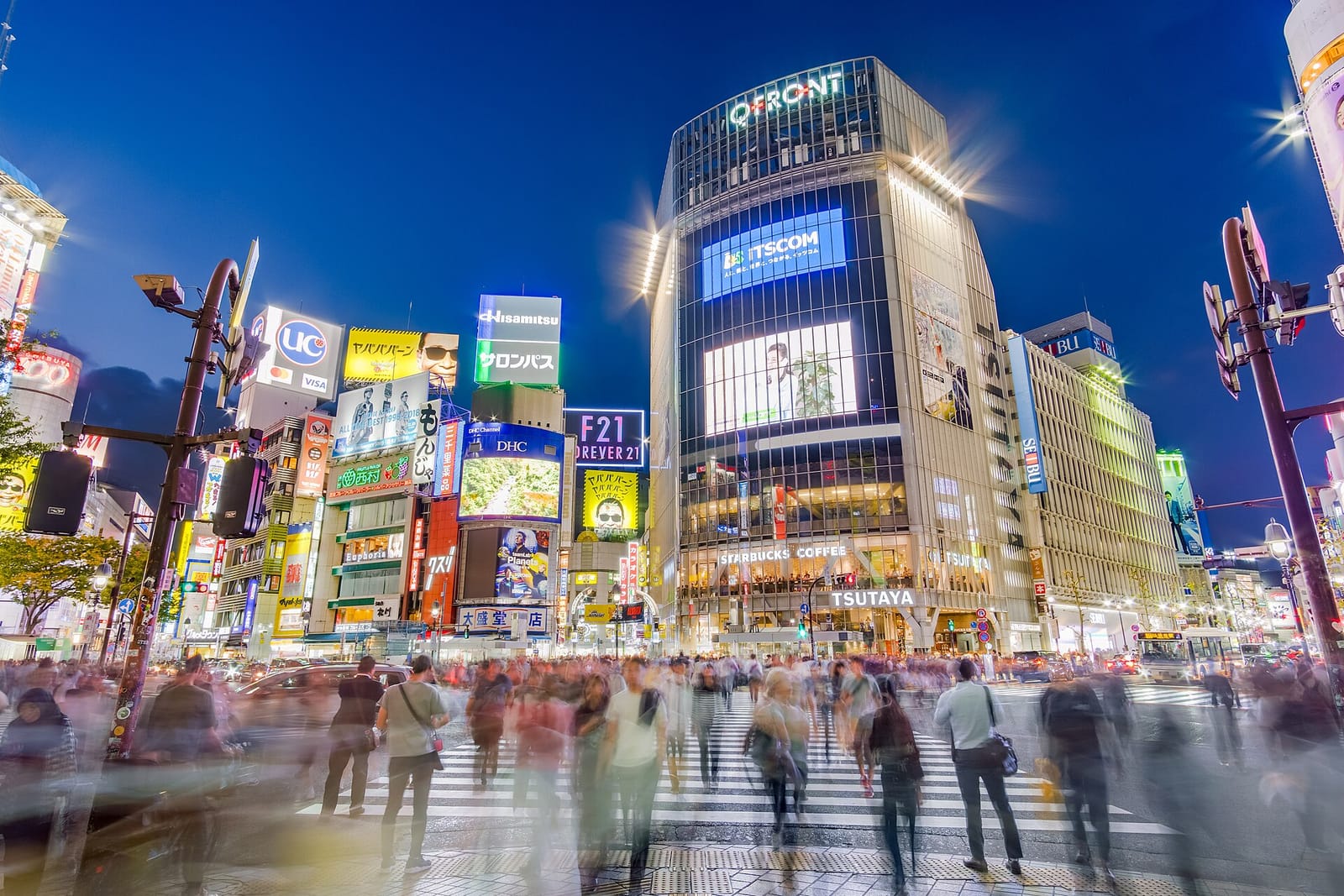
GO TOKYO puts the crowd at upwards of 1,000 people per crossing. Walk it at street level, then see it from above. SHIBUYA SKY’s online tickets are cheaper before 15:00, and if online adult tickets sell out, the counter has none either. Our SHIBUYA SKY booking guide explains the time slots.
- Hours
- SHIBUYA SKY 10:00–22:30, last admission 21:20
- Price
- Crossing free; SHIBUYA SKY adults ¥2,700 online before 15:00, ¥3,400 from 15:00 (as of November 2026)
- Access
- Outside Shibuya Station; SHIBUYA SKY is directly connected to the station
- Source
- www.gotokyo.org
Tokyo Metropolitan Government Building observatory
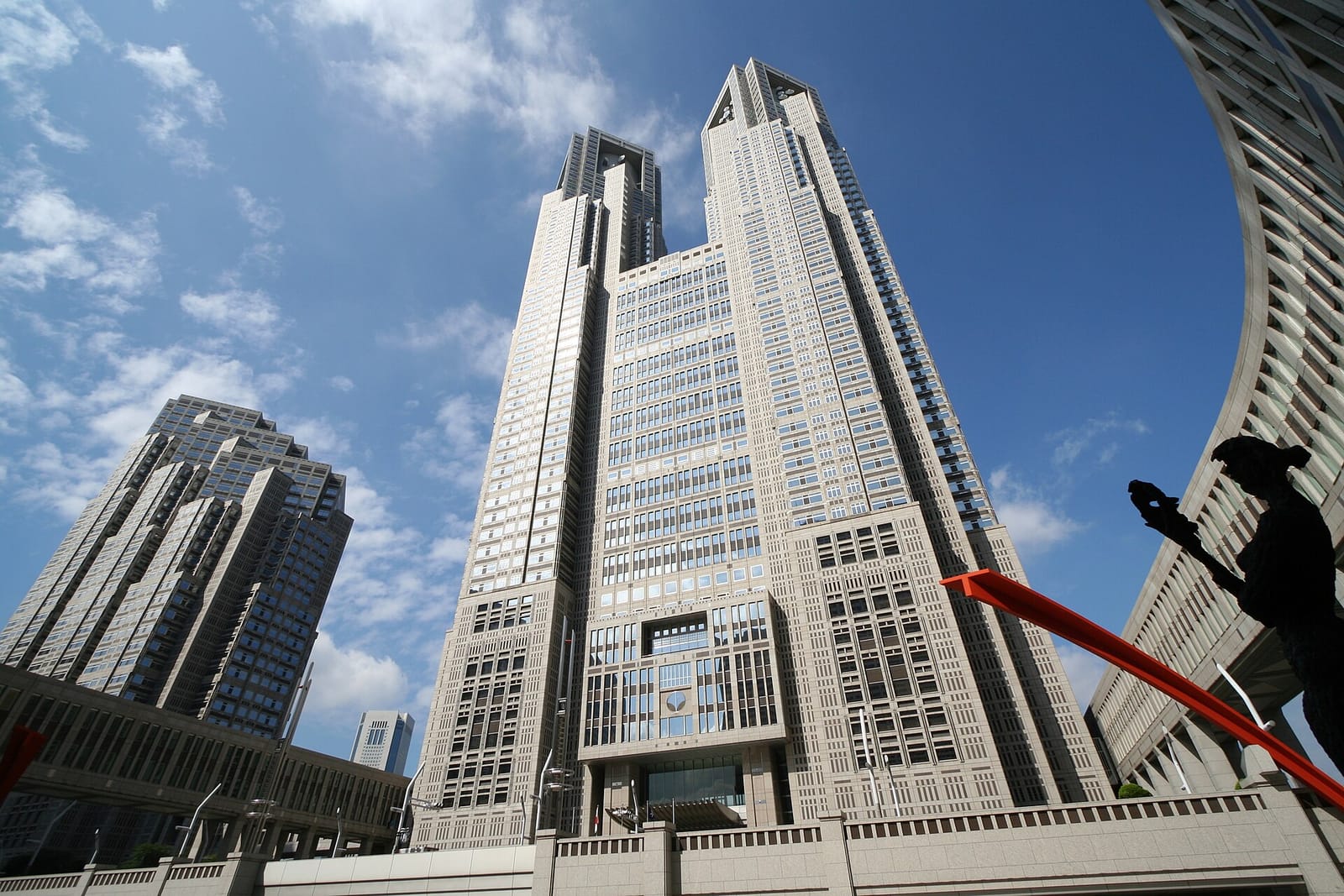
A free view to end Day 2. In the evening, only the South Observatory is open; it closes on the 1st and 3rd Tuesdays, and the North on the 2nd and 4th Mondays. Both close December 29–31 and January 2–3. See our observatory guide for queues and entrances, and Shinjuku at night for dinner nearby.
- Hours
- 9:30–22:00 (North Observatory to 17:30); last entry 30 min before closing
- Price
- Free
- Access
- About 1 min walk from Tochomae Station Exit A4 (Toei Oedo Line)
- Source
- www.zaimu.metro.tokyo.lg.jp
Tsukiji Outer Market
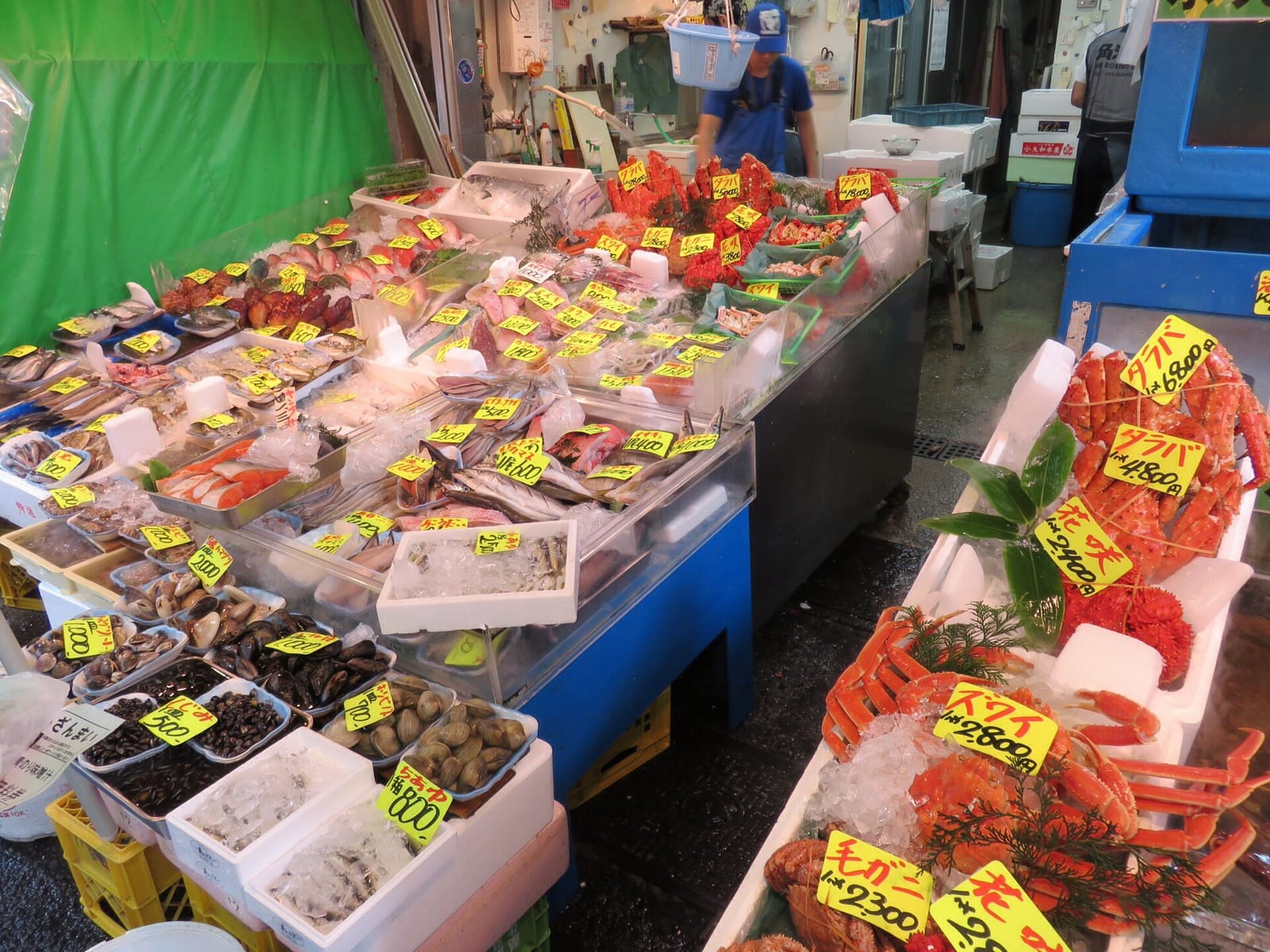
Breakfast for Day 3. The market’s own calendar sets 6:00 to 9:00 as professional buyers’ hours and asks visitors to give buyers priority until 9:00, so arrive at 9:00 rather than at dawn. GO TOKYO says most shops shut in the late afternoon. The streets are a maze; the market’s site warns visitors not to get lost.
- Hours
- Shop hours vary; busiest 9:00–13:00; closed Wednesdays, Sundays and national holidays
- Access
- 1 min walk from Tsukiji Station (Hibiya Line) or Tsukijishijo Station (Toei Oedo Line)
- Source
- www.gotokyo.org
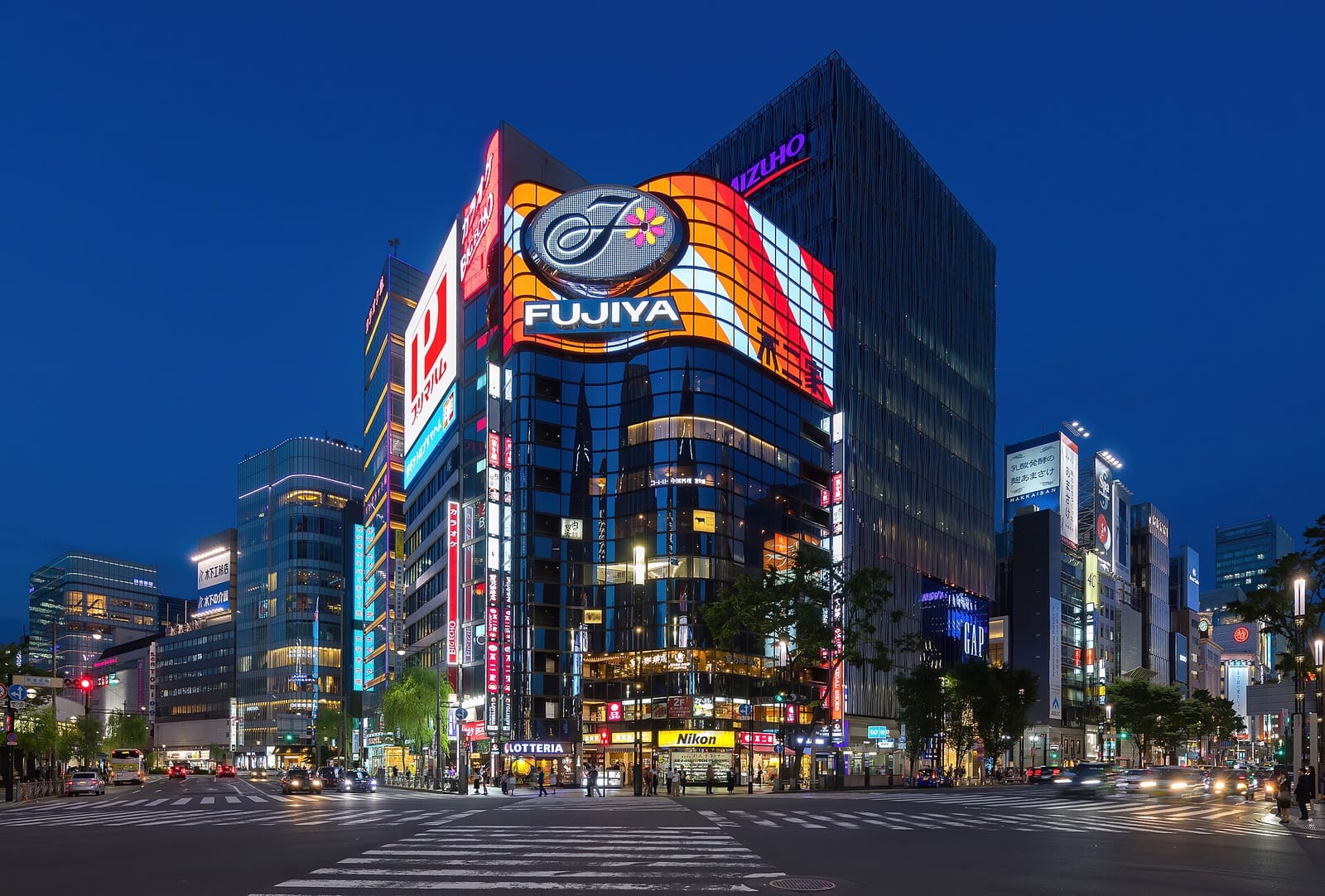
Between Tsukiji and the palace, Ginza is a walk, not a ride. GO TOKYO says Ginza Station is on the Ginza, Marunouchi and Hibiya lines, and Higashi-ginza is a 3-minute walk from the market. If you want to stay in this area instead, see our affordable Ginza hotels guide.
Imperial Palace East Gardens
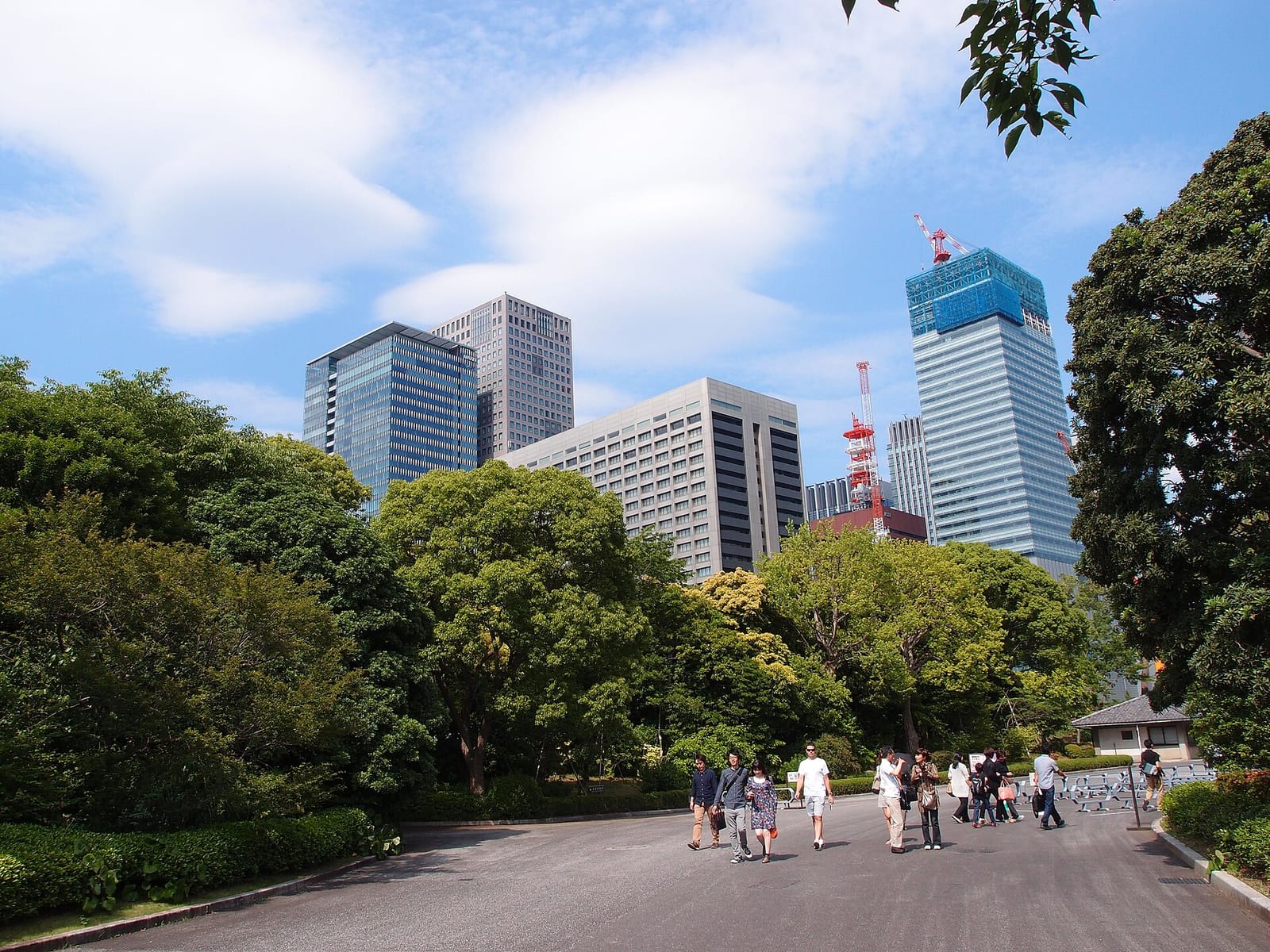
The former grounds of Edo Castle, a walk from your Tokyo Station hotel. Enter by the Ote-mon, Hirakawa-mon or Kitahanebashi-mon gate. In winter, plan to arrive by 15:00 because last entry is 15:30. From April 15 to August 31 the gardens stay open until 18:00.
- Hours
- 9:00–16:00 November to February (last entry 15:30); later closing from March; closed Mondays, Fridays and December 28–January 3
- Price
- Free
- Access
- 5 min walk from Otemachi or Takebashi Station (Tokyo Metro)
- Source
- www.kunaicho.go.jp
teamLab Planets TOKYO
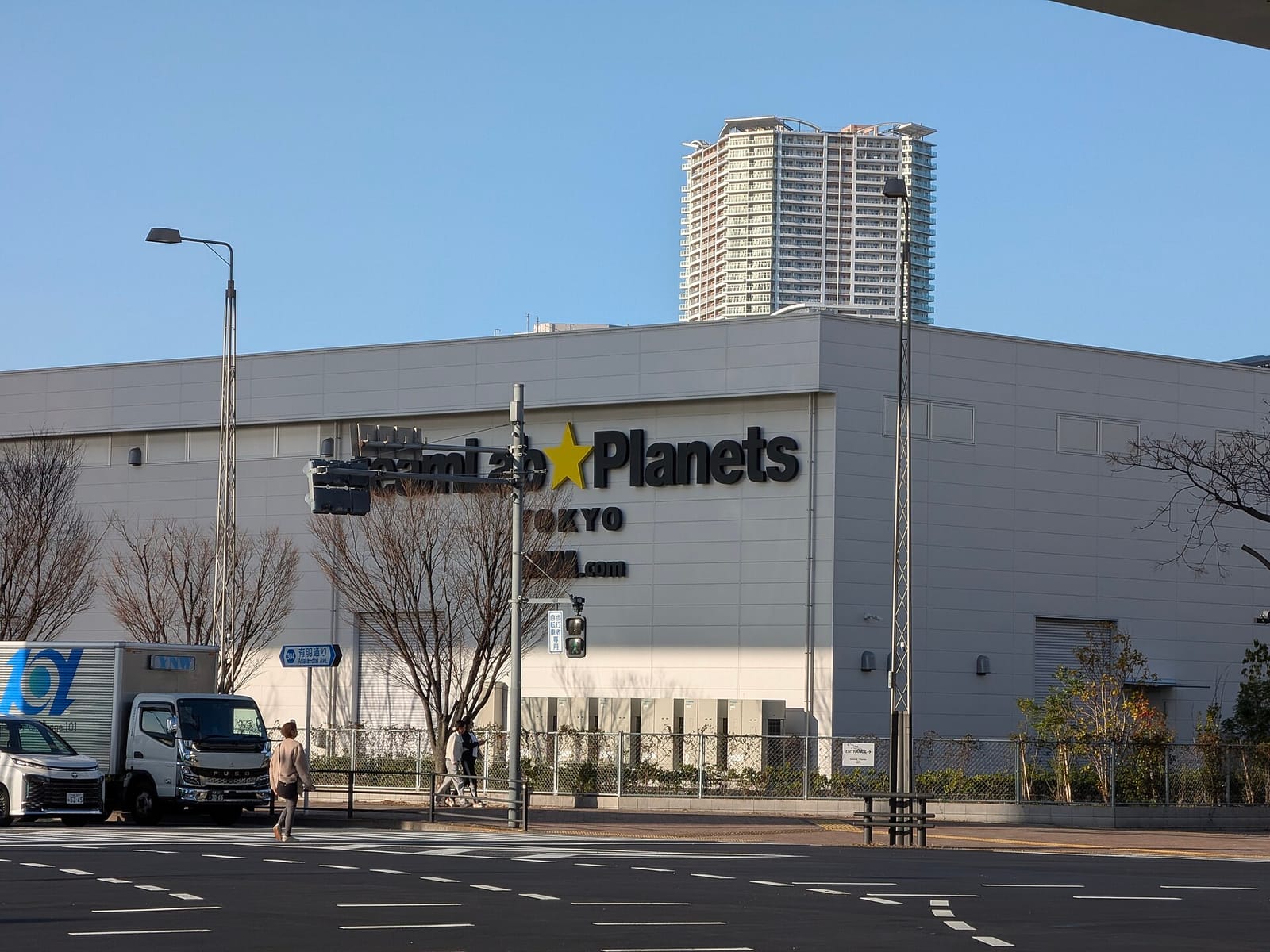
The Day 3 alternative when the East Gardens are closed or it rains. Entrance passes have a set admission time, so book before you go. The museum warns that the To-05-2 Toei bus from Tokyo Station, Ginza and Tsukiji is heavily congested; take the Yurakucho Line to Toyosu instead, which is also the ride the subway pass covers. The Yurikamome is not part of Tokyo Metro or Toei.
- Hours
- 8:00–22:00, last entry 21:00; 8:00–20:00 December 31–January 2
- Price
- Adults from ¥3,800, dynamic pricing (as of November 2026)
- Access
- 10 min walk from Toyosu Station Exit 7 (Yurakucho Line); 3 min from Shin-Toyosu Station Exit 1A (Yurikamome)
- Source
- www.teamlab.art
Where should you stay for this itinerary?
Stay within walking distance of Tokyo Station or Otemachi. GO TOKYO notes that the Marunouchi Line runs from Tokyo Station direct to Ginza and Shinjuku, and Otemachi Station adds the Chiyoda, Hanzomon and Tozai lines plus the Toei Mita Line. The JR Yamanote Line reaches Ueno in 8 minutes. That is why Day 2 starts at Otemachi and Day 3 ends with a walk home from the palace.
Hotels around Tokyo Station
Compare hotels on the Marunouchi side (closer to the palace and Otemachi) and the Yaesu side. Our Tokyo Station hotels guide explains which exit each hotel is near. If you want Day 1 on your doorstep, look at budget hotels in Asakusa; for Day 2 evenings, see where to stay in Shinjuku.
- Access
- Marunouchi Line at Tokyo Station; Chiyoda, Hanzomon, Marunouchi, Tozai and Toei Mita lines at Otemachi
- Source
- www.gotokyo.org
What changes in winter, summer or rain?
Winter (November to February). Daylight is short and both outdoor sites close early. Meiji Jingu closes at 16:10 in November and 16:00 in December, and the East Gardens take last entry at 15:30. Keep them in the morning or early afternoon, as in the plan above. Book SHIBUYA SKY for mid-afternoon if you want the city in daylight.
Summer (June to August). Meiji Jingu opens at 5:00 and closes at 18:00–18:30, and the East Gardens stay open until 18:00. You can push Day 2 later and use the cooler morning for Tsukiji.
Rain. Swap the order within each day rather than across days:
- Day 1: shorten Senso-ji and spend longer in the Tokyo National Museum.
- Day 2: keep Meiji Jingu short, spend the afternoon indoors around Shibuya Station, and go to the observatory early. SHIBUYA SKY’s rooftop can close in bad weather, according to GO TOKYO.
- Day 3: switch to the teamLab version.
What should you check before you head home?
Check the last train and your airport route the night before. GO TOKYO says the last subway trains usually leave between 23:30 and 0:30, so a late Day 2 dinner in Shinjuku is fine, but leave by about 23:00. If you bought the paper Tokyo Subway Ticket, it expires 72 hours after your first ride, so a first ride on the morning of Day 1 ends on the morning of Day 4. GO TOKYO notes that Suica also works at some shops, which helps you use up leftover credit. For airport transfers, see our Narita to Shinjuku guide, and if you have a fourth day, our Hakone day trip from Shinjuku.
What to pack before you go
Maps, train apps and translation drain a phone by mid-afternoon. Keep it in your carry-on: power banks are not allowed in checked luggage.
Japan still runs on coins: there are six of them, from 1 to 500 yen, and you collect a pocketful fast. A holder with a slot for each coin lets you pay the exact amount at ticket machines, shrines and small shops without digging.
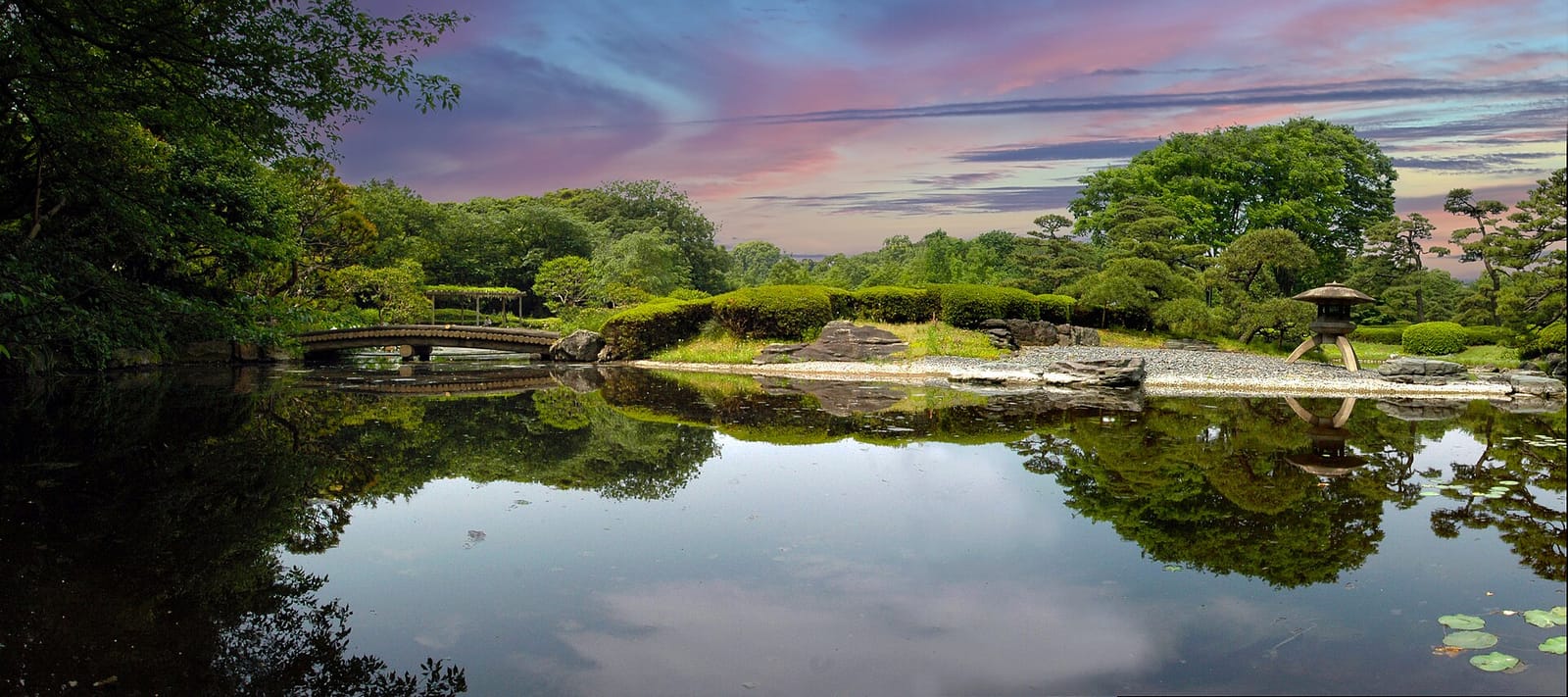 Imperial Palace East Gardens and Marunouchi With Elderly Parents
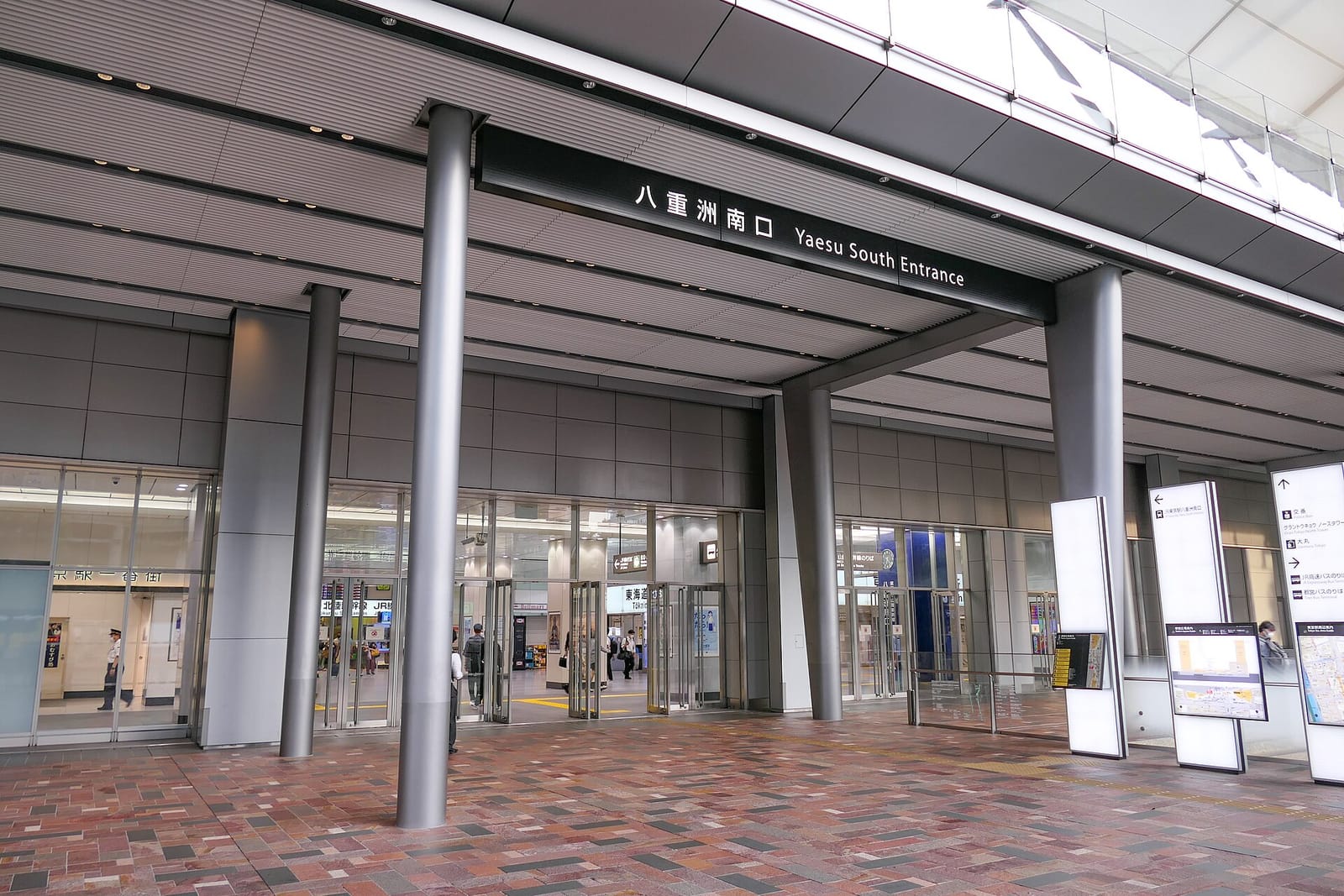 Tokyo Station to Narita by Bus: The ¥1,500 TYO-NRT From Yaesu
FAQ
Is 3 days enough for Tokyo on a first trip?
Three days covers the main districts if you group them by area: the old east side (Asakusa, Ueno), the west side (Harajuku, Shibuya, Shinjuku) and the centre (Tsukiji, Ginza, the Imperial Palace). It does not leave room for a day trip such as Hakone or Mt. Fuji; add a fourth day for that.
Should I buy the Tokyo Subway Ticket for 3 days?
Only if you will ride the subway about four times a day. The 72-hour ticket costs ¥2,000 for adults and breaks even at 12 rides of ¥180 (as of November 2026). This itinerary uses 9–10 subway rides from a Tokyo Station base, so an IC card is usually cheaper unless you add evening trips.
Where should first-timers stay for 3 days in Tokyo?
Tokyo Station works well for this plan: the Marunouchi Line runs direct to Ginza and Shinjuku, Otemachi Station has four Tokyo Metro lines and the Toei Mita Line, and the JR Yamanote Line reaches Ueno in 8 minutes. Shinjuku and Asakusa are the main alternatives.
What should I do in Tokyo on a rainy day?
Move the indoor stops forward: the Tokyo National Museum in Ueno, the free observatory at the Tokyo Metropolitan Government Building and teamLab Planets in Toyosu. Meiji Jingu, the East Gardens and the Tsukiji Outer Market are mostly outdoors.
Sources
- GO TOKYO — Cheap tickets & IC cards (Tokyo Subway Ticket prices and validity)
- GO TOKYO — How to use the Tokyo subway system (fares, Metro and Toei, rush hours)
- GO TOKYO — Tokyo Station & Marunouchi area
- GO TOKYO — Palace Hotel Tokyo (Otemachi Station lines)
- GO TOKYO — Asakusa (access from Tokyo Station)
- Senso-ji — Access (Japanese)
- Senso-ji — About the temple, opening hours (Japanese)
- GO TOKYO — Ueno travel guide
- Tokyo National Museum — Visitor information
- Meiji Jingu — How to visit (opening hours by month)
- GO TOKYO — Meiji Jingu
- GO TOKYO — Harajuku (stations, Takeshita Street)
- GO TOKYO — Shibuya (lines, travel times, walk to Harajuku)
- GO TOKYO — Shibuya Scramble Crossing
- GO TOKYO — SHIBUYA SKY (hours, ticket prices)
- GO TOKYO — Shinjuku (lines, Shinjuku-sanchome)
- GO TOKYO — Tokyo Metropolitan Government No.1 Building
- Tokyo Metropolitan Government — Observatory visitor guide (Japanese)
- GO TOKYO — Tsukiji Outer Market
- Tsukiji Outer Market — Access
- Tsukiji Outer Market — Calendar (professional buyers' hours)
- GO TOKYO — A guide to Ginza (lines, pedestrian paradise hours)
- Imperial Household Agency — East Gardens of the Imperial Palace
- GO TOKYO — Spring flowers (East Gardens access)
- teamLab Planets TOKYO — Official site (hours, tickets, access)
This article contains affiliate links. We may earn a commission at no extra cost to you.