Tokyo Winter Itinerary, 4 Days: December and January–February Plans
A timed 4-day Tokyo plan for December to February from a Tokyo Station base: sunset times, Marunouchi Illumination dates, New Year closures and a Mt. Fuji day.
Winter changes the clock in Tokyo more than the weather. From December to February the sun sets between 16:28 and 17:35, according to the National Astronomical Observatory of Japan, so a 4-day itinerary has to finish its gardens and shrines by mid-afternoon. Then the evening fills itself: the Marunouchi Illumination lights the streets by Tokyo Station from November 12, 2026 to February 14, 2027, per GO TOKYO. The cold, dry air also brings Mt. Fuji into view on many days, and New Year shuts several sights between December 26 and January 3.
This plan is for first-time or second-time visitors with four full days, based near Tokyo Station, on a mid-range budget. Fixed tickets come to about ¥6,800 per adult before hotels, food and city trains (as of November 2026). It gives one route and two timetables: an early-winter plan for December and a mid-winter plan for January and February. If you only have three days and no day trip, our 3-day Tokyo itinerary for first-timers uses the same base without the winter timing.
How early does it get dark in Tokyo in winter?
Expect darkness before 5 p.m. for most of December and January. The National Astronomical Observatory of Japan gives these times for Tokyo:
| Date | Sunrise | Sunset |
|---|---|---|
| December 1, 2026 | — | 16:28 |
| December 20, 2026 | — | 16:31 |
| January 1, 2027 | 6:50 | 16:38 |
| January 15, 2027 | 6:50 | 16:51 |
| February 1, 2027 | 6:41 | 17:08 |
| February 15, 2027 | 6:29 | 17:22 |
| February 28, 2027 | 6:13 | 17:35 |
Two things follow. Gardens and shrines close early: the East Gardens let the last visitors in at 15:30 from November to February, and Meiji Jingu closes at 16:00 in December. And the best time for a city view is around sunset, which in December is roughly the same time you would stop for coffee in summer.
What does the 4-day route look like?
Each day takes one area, with outdoor stops first and lights or views after dark:
- Day 1, Tokyo Station and Ginza: East Gardens of the Imperial Palace, Ginza, then the Marunouchi Illumination a few minutes from your hotel.
- Day 2, Asakusa and Ueno: Senso-ji early, then the Tokyo National Museum, which stays open until 20:00 on Fridays and Saturdays.
- Day 3, Mt. Fuji: highway bus from Tokyo Station to Lake Kawaguchi on the clearest day of the four.
- Day 4, the west side: Meiji Jingu, the walk to Shibuya, and the free observatory in Shinjuku at sunset.
Pick Day 3 last. Check the forecast the night before and move the Fuji day to the clearest day. The other three days work in any order, as long as you watch the closing days below.
What is the December plan?
In December, finish outdoor sights by about 16:00 and spend every evening under lights. The illumination is at its fullest this month: GO TOKYO lists the Marunouchi lights from 16:00 to 24:00 in December, an hour later than in January and February. For the order of stops, see our Marunouchi Illumination walking route from Tokyo Station.
| Time | Day 1 (December) | Getting there |
|---|---|---|
| 9:30 | East Gardens of the Imperial Palace (closed Mon and Fri) | Otemachi Station, about 5 min walk |
| 12:00 | Lunch, then walk to Ginza | About 15 min on foot, or Marunouchi Line, about 3 min |
| 13:00 | Ginza; the main street is car-free noon–17:00 on weekends | Walk |
| 16:28 | Sunset | — |
| 16:30 | Marunouchi Illumination along Naka-dori | Back toward Tokyo Station, Marunouchi South Exit |
| Time | Day 2 (December) | Getting there |
|---|---|---|
| 8:00 | Leave Tokyo Station | JR Yamanote Line to Kanda, then Ginza Line to Asakusa, about 20 min |
| 8:30 | Senso-ji (main hall opens 6:30 from October to March) | About 5 min walk from Asakusa Station |
| 11:00 | Ride to Ueno | Ginza Line, Asakusa to Ueno; subway fares from ¥180 |
| 11:30 | Tokyo National Museum (closed Mon) | About 10 min walk from JR Ueno Station |
| 16:30 | Back to Tokyo Station; evening free | JR Yamanote Line |
| Time | Day 3 (December, clear day) | Getting there |
|---|---|---|
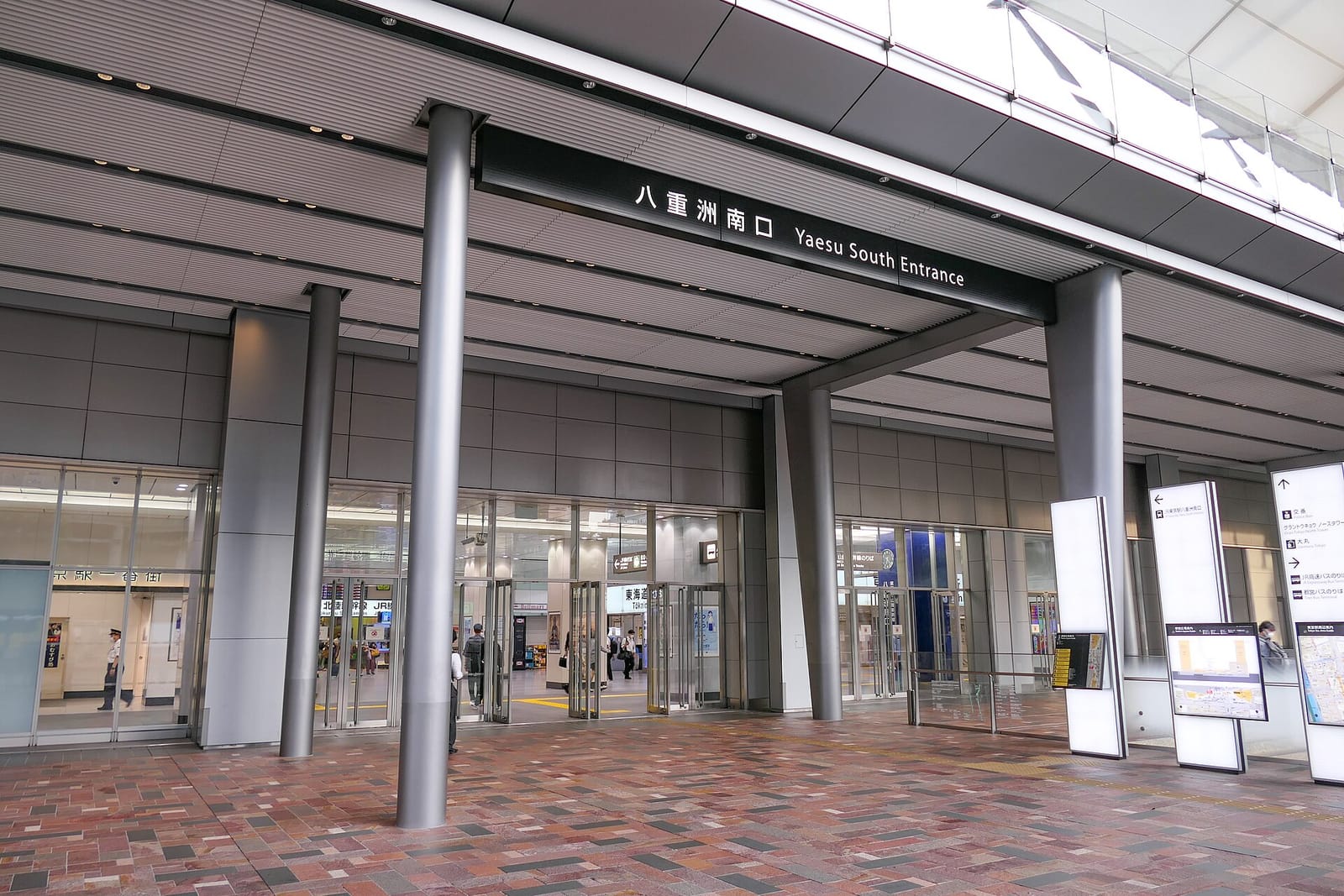
| Morning | Highway bus to Kawaguchiko Station | Tokyo Station Yaesu South Exit bus terminal, about 2 hours, from ¥2,300 |
| Late morning | Mt. Fuji Panorama Ropeway (closed Dec 7–18, 2026) | From Kawaguchiko Station |
| Afternoon | Lakeside walk, then the bus back before dark | About 2 hours to Tokyo Station |
| Time | Day 4 (December) | Getting there |
|---|---|---|
| 9:00 | Meiji Jingu (6:40–16:00 in December) | Harajuku Station, about 1 min walk |
| 11:00 | Harajuku to Shibuya on foot | About 20 min |
| 14:30 | Shibuya to Shinjuku | JR Yamanote Line, about 7 min |
| 15:30 | Tokyo Metropolitan Government observatory, Mt. Fuji to the west before sunset | Tochomae Station Exit A4, about 1 min |
| 18:00 | Back to Tokyo Station | Marunouchi Line, direct, about 15 min |
December details that change the plan:
- The year-end closures start on December 26. The Tokyo National Museum is closed December 26–31, 2026, and from December 22 to 25 only the Horyuji Treasures Gallery and Kuroda Memorial Hall are open. The East Gardens close December 28 to January 3, and the observatories close December 29–31 and January 2–3. If your four days fall in that window, see the next section.
- The ropeway on Day 3 is closed December 7–18, 2026 for its annual inspection, per the operator. On those dates, see Mt. Fuji from the lakeshore instead, or follow the cloudy-day ideas in our Kawaguchiko day trip itinerary.
- Christmas events run to December 25. The Marunouchi Bright Holiday 2026 page lists light shows on the street from 17:00 to 21:00, with some installations dated December 1 to 25.
What is the January–February plan?
From mid-January, keep the same route but push each afternoon about 30 to 60 minutes later. Sunset moves from 16:38 on January 1 to 17:35 on February 28, Meiji Jingu closes at 16:20 in January and 16:50 in February, and the year-end closures are over.
| Time | Day 1 (Jan–Feb) | Getting there |
|---|---|---|
| 9:30 | East Gardens (closed Mon and Fri, and Feb 23) | Otemachi Station, about 5 min walk |
| 12:00 | Ginza | About 15 min on foot, or Marunouchi Line |
| 17:00 | Marunouchi Illumination, 16:00–23:00, until Feb 14, 2027 | Tokyo Station, Marunouchi South Exit, about 1 min |
| Time | Day 2 (Jan–Feb) | Getting there |
|---|---|---|
| 8:30 | Senso-ji | Yamanote Line to Kanda, Ginza Line to Asakusa |
| 11:30 | Tokyo National Museum; stay to 20:00 on Fri or Sat | Ginza Line to Ueno, then about 10 min walk |
| Time | Day 3 (Jan–Feb, clear day) | Getting there |
|---|---|---|
| Morning | Highway bus to Kawaguchiko Station | Tokyo Station Yaesu South Exit, about 2 hours, from ¥2,300 |
| Late morning | Mt. Fuji Panorama Ropeway, ¥1,200 round trip | Snow or ice can delay opening |
| Afternoon | Bus back to Tokyo | About 2 hours |
| Time | Day 4 (Jan–Feb) | Getting there |
|---|---|---|
| 9:30 | Meiji Jingu | Harajuku Station, about 1 min walk |
| 11:30 | Walk to Shibuya | About 20 min |
| 15:00 | Shibuya to Shinjuku | JR Yamanote Line, about 7 min |
| 16:00 | Observatory: Mt. Fuji in daylight, then the sunset (16:51 on Jan 15, 17:22 on Feb 15) | Tochomae Station Exit A4 |
What is different in mid-winter:
- February 23 is the Emperor’s Birthday. It is a national holiday, and the Imperial Household Agency lists it as the one holiday the East Gardens close. In 2027 it falls on a Tuesday.
- The illumination ends on February 14, 2027. After that date, use the Day 1 evening for Ginza instead.
- Early January is New Year shrine-visit season. GO TOKYO says Meiji Jingu draws several million people between New Year’s Eve and January 3, so move Day 4 later in the week if you arrive then.
What if your trip falls over New Year (December 28 to January 3)?
Swap the closed stops for open ones rather than shorten the trip. On these dates, the plan changes like this:
- Day 1: the East Gardens are closed, so spend the morning in Ginza and keep the Marunouchi Illumination for the evening. It is not listed as closing.
- Day 2: Senso-ji stays on the plan. The Tokyo National Museum is closed December 26–31 and opens on January 1, 2027 from 12:00 to 20:00, so January 1 works as a museum afternoon.
- Day 4: the observatories open on January 1, 2027, but only the South Observatory, with a lottery for entry from 6:00 to 7:30 that morning. They are closed December 29–31 and January 2–3. Meiji Jingu is open all night on December 31, per GO TOKYO.
For what to wear on the coldest of these days, especially at Lake Kawaguchi, see our Japan winter packing list.
What are the stops, in route order?
Tick “Add to my route” on each stop to build the day in Google Maps.
Marunouchi Illumination and Tokyo Station
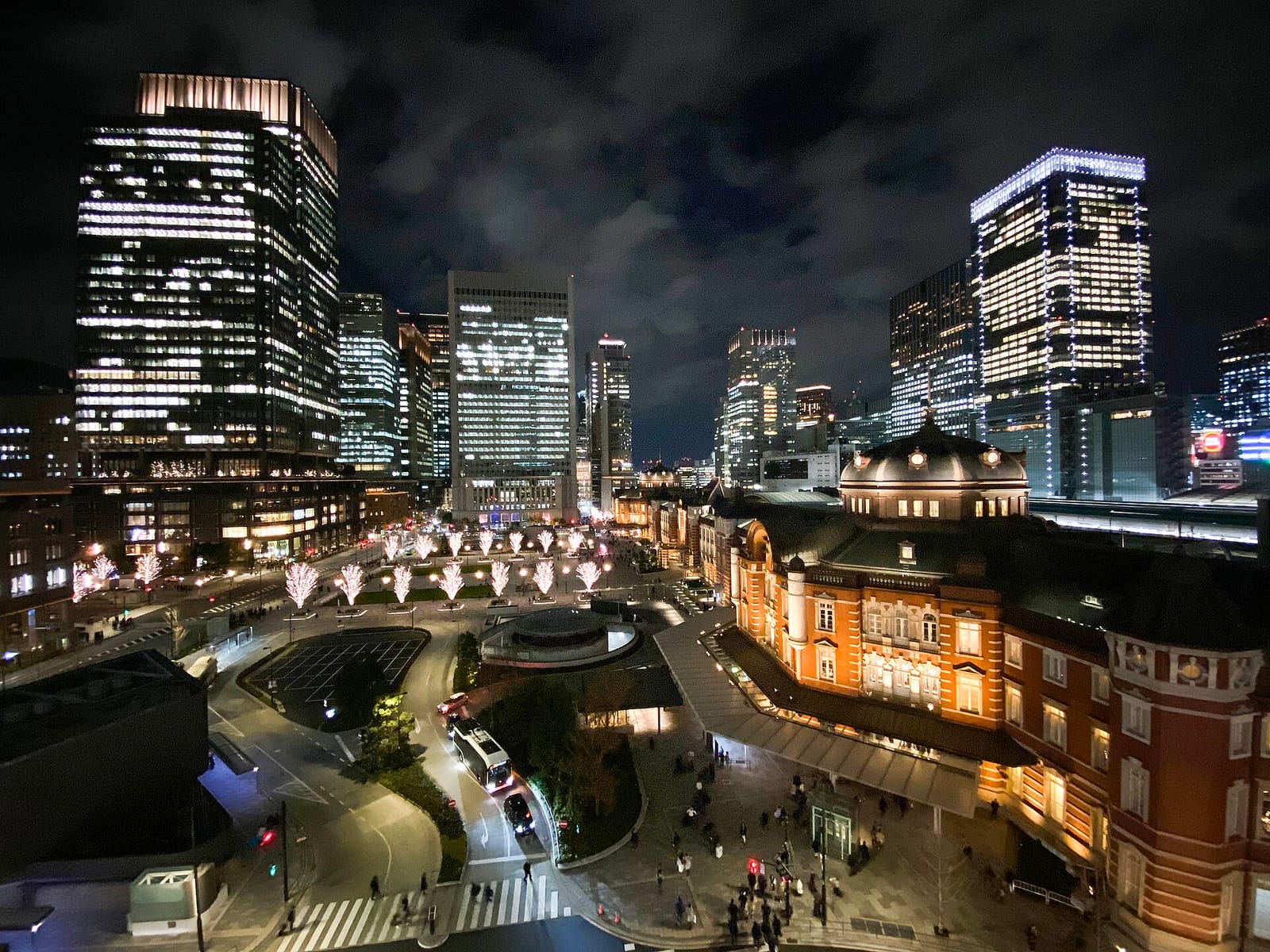
The lights run along Marunouchi Naka-dori and, during certain periods, part of Gyoko-dori toward the Imperial Palace. A hotel near Tokyo Station puts this at the end of every day, and both the Marunouchi Line to Ginza and Shinjuku and the Yamanote Line start here. The link compares hotels around the station.
- Hours
- 16:00–23:00; until 24:00 in December; Nov 12, 2026 – Feb 14, 2027
- Price
- Free
- Access
- Tokyo Station, Marunouchi South Exit, about 1 min walk
- Source
- www.gotokyo.org
East Gardens of the Imperial Palace
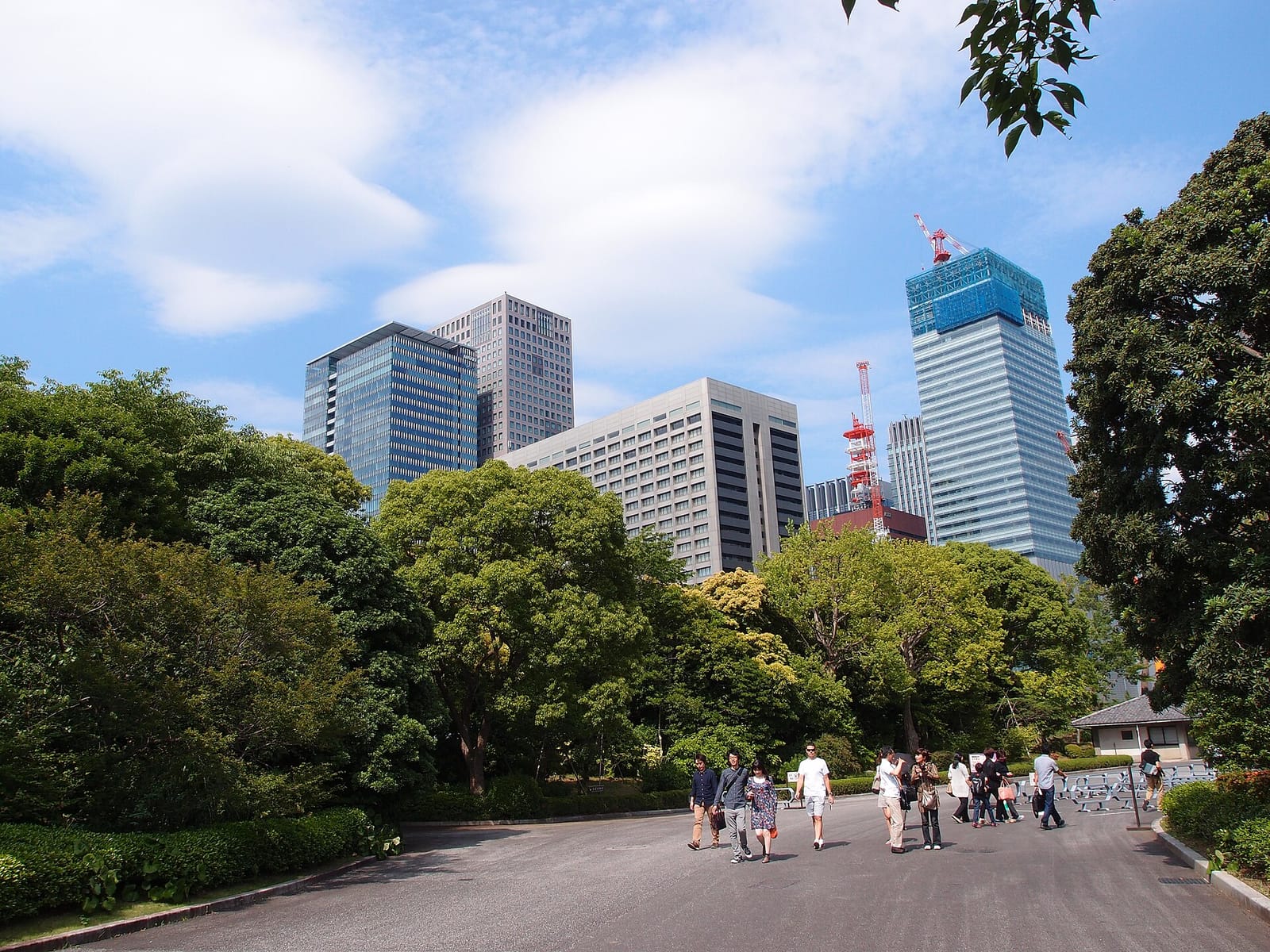
The entrances are the Ote-mon, Hirakawa-mon and Kitahanebashi-mon gates. Bags are checked at the gate, and the agency asks visitors to leave large luggage in a station locker or at the hotel. If a national holiday falls on a Monday, the gardens close the next day instead.
- Hours
- Nov 1 – end of Feb 9:00–16:00, last entry 15:30; closed Mon, Fri, Dec 28 – Jan 3 and Feb 23 (as of November 2026)
- Price
- Free
- Access
- About 5 min walk from Otemachi or Takebashi Station (Tokyo Metro)
- Source
- www.kunaicho.go.jp
Ginza
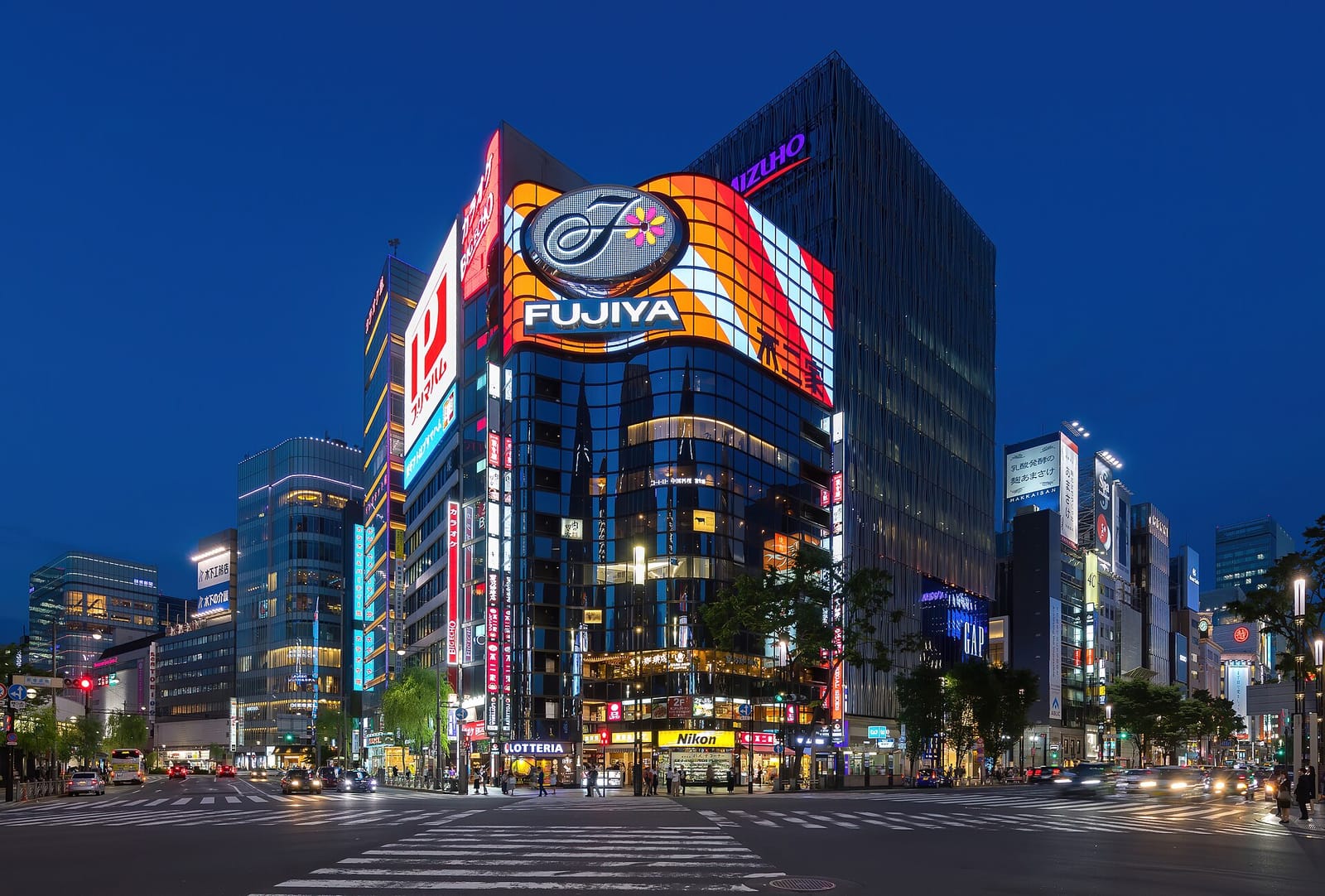
The afternoon of Day 1, close enough to walk back to the illumination. On weekends and holidays the main street closes to cars, and in winter the car-free hours end at 17:00, an hour earlier than in summer.
- Hours
- Pedestrian paradise on weekends and holidays, 12:00–17:00 from October to March
- Access
- About 15 min walk from Tokyo Station, or Marunouchi Line to Ginza, about 3 min
- Source
- www.gotokyo.org
Senso-ji
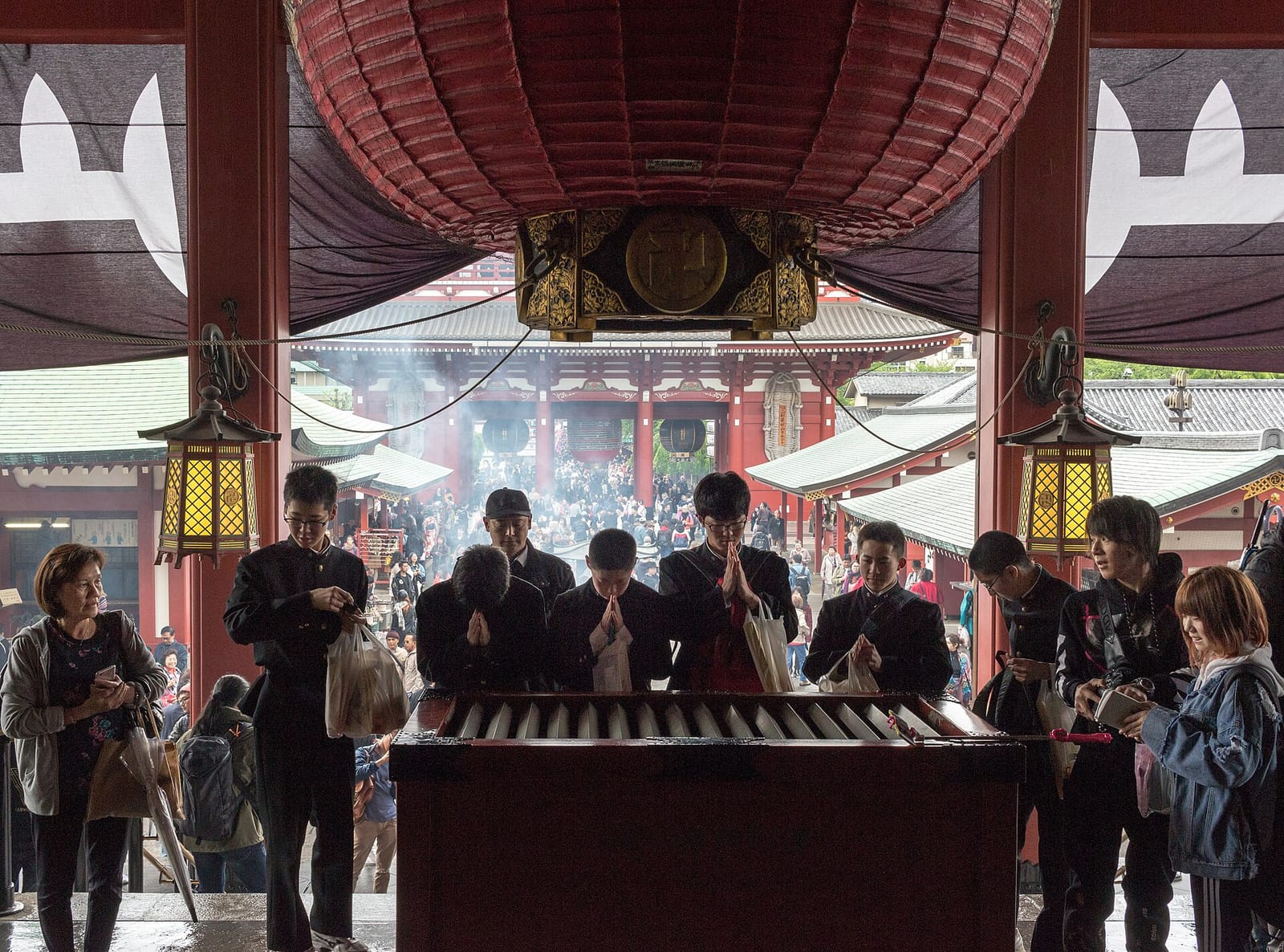
The main hall opens at 6:30 in winter, half an hour later than in summer. From Tokyo Station, GO TOKYO gives about 20 minutes via the Yamanote Line to Kanda and the Ginza Line.
- Hours
- Main hall from 6:30, October to March (as of November 2026)
- Price
- Free
- Access
- About 5 min walk from Asakusa Station (Ginza Line, or Toei Asakusa Line Exit A4)
- Source
- www.senso-ji.jp
Tokyo National Museum
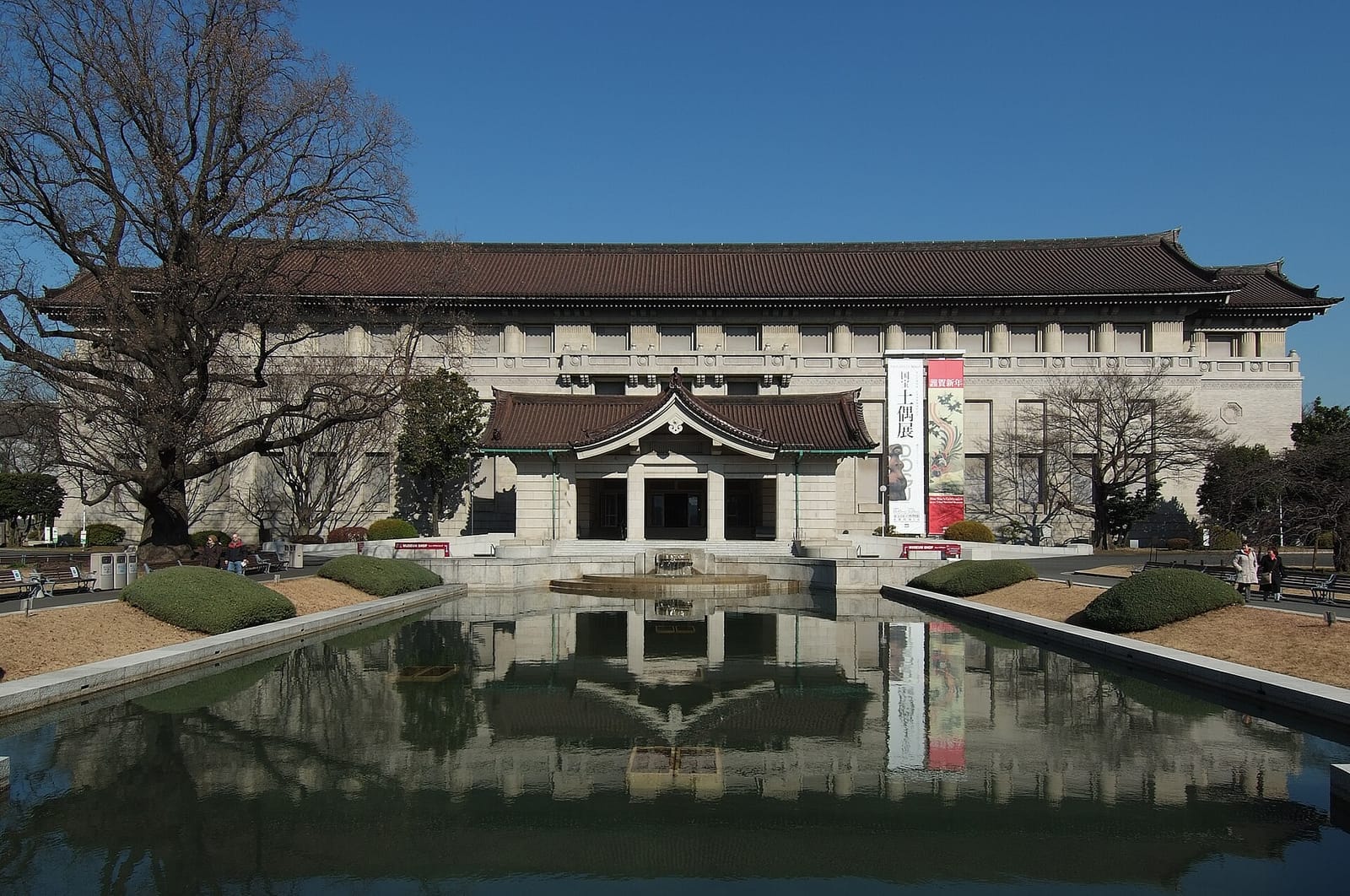
The indoor half of Day 2, and the swap if Day 2 turns wet or very cold. Last entry is 30 minutes before closing. If a Monday is a holiday, the museum opens that day and closes the next.
- Hours
- 9:30–17:00; Fri, Sat to 20:00; closed Mon and Dec 26–31, 2026; Jan 1, 2027 12:00–20:00 (as of November 2026)
- Price
- ¥1,000 adults, collection exhibitions (as of November 2026)
- Access
- About 10 min walk from JR Ueno or Uguisudani Station
- Source
- www.tnm.jp
Lake Kawaguchi and the Mt. Fuji Panorama Ropeway
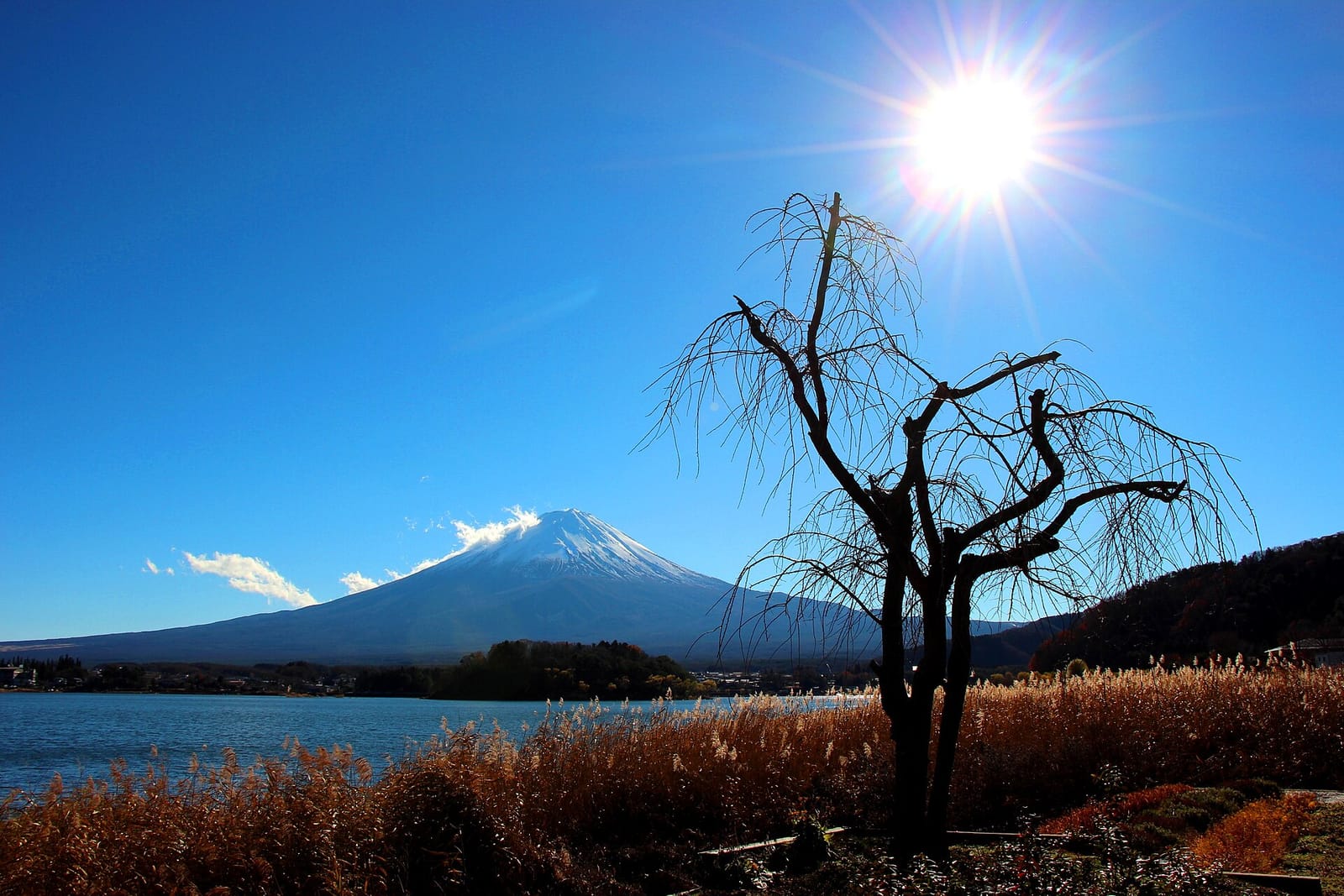
Fujikyu says all seats on the Tokyo Station bus are reserved and sales open one month before the travel date, online or through its call center. Tickets bought at the stop or on board are cash only, and IC cards are not accepted. Our Kawaguchiko day trip itinerary has the full timed day at the lake.
- Hours
- Closed Dec 7–18, 2026; opening may be delayed by snow or ice
- Price
- Ropeway ¥1,200 round trip; highway bus from Tokyo Station from ¥2,300 one way (as of November 2026)
- Access
- Fujikyu highway bus from Tokyo Station Yaesu South Exit, about 2 hours to Kawaguchiko Station
- Source
- www.mtfujiropeway.jp
Meiji Jingu
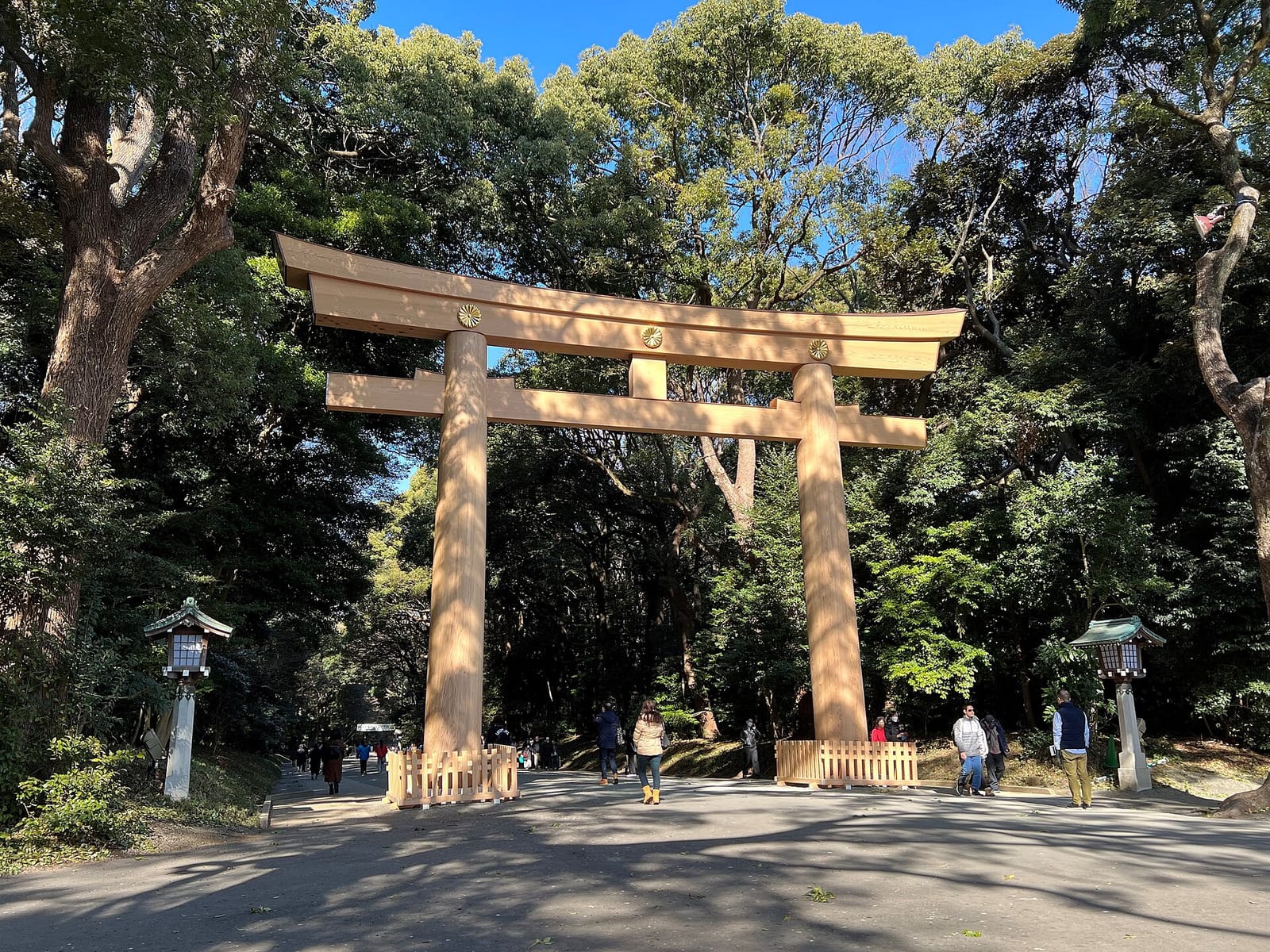
The shrine’s hours follow the daylight, so the closing time moves every month. Some facilities inside keep shorter hours, mainly 9:00 to 16:00. From here, Shibuya is about a 20-minute walk.
- Hours
- Dec 6:40–16:00; Jan 6:40–16:20; Feb 6:20–16:50; open every day (as of November 2026)
- Price
- Free
- Access
- About 1 min walk from JR Harajuku Station
- Source
- www.meijijingu.or.jp
Tokyo Metropolitan Government Building observatories
The end of Day 4. The Tokyo Metropolitan Government says Mt. Fuji is visible from the west side on many days from December to February. Arrive about an hour before sunset to see the mountain in daylight and then its outline against the evening sky.
- Hours
- South 9:30–22:00, last entry 21:30, closed 1st and 3rd Tue; North 9:30–17:30, closed 2nd and 4th Mon; both closed Dec 29–31 and Jan 2–3 (as of November 2026)
- Price
- Free
- Access
- Tochomae Station (Toei Oedo Line) Exit A4, about 1 min walk
- Source
- www.zaimu.metro.tokyo.lg.jp
Which tickets do you need?
Book only one thing in advance: the highway bus for Day 3. Everything else is paid on the day or free.
- Highway bus to Kawaguchiko: from ¥2,300 one way per adult, all seats reserved, on sale one month before travel. It leaves from the Yaesu South Exit highway bus terminal, scheduled from platform 8, but Fujikyu says to check the signs on the day.
- City trains: use a Suica or PASMO. GO TOKYO lists Tokyo Metro fares from ¥180 to ¥330 and Toei fares from ¥180 to ¥430. This route uses only a few short subway rides a day, so a 72-hour subway pass is unlikely to pay off.
- Admissions: only the Tokyo National Museum (¥1,000) and the ropeway (¥1,200) charge. The East Gardens, Senso-ji, Meiji Jingu, the observatory and the illumination are free.
What if the Fuji day is cloudy all four days?
Drop the bus and use Day 3 for a second indoor-friendly day. The observatory on Day 4 still shows the city if Fuji is hidden, and the Tokyo National Museum can take a full day. For a different day trip from the city, our Nikko day trip from Tokyo covers trains and costs from the city.
What to pack before you go
Maps, train apps and translation drain a phone by mid-afternoon. Keep it in your carry-on: power banks are not allowed in checked luggage.
In Japan these disposable warmers are called kairo, and locals use them all winter. Pack a few for cold temple visits, night illuminations or a day near Mt. Fuji.
 Imperial Palace East Gardens and Marunouchi With Elderly Parents
 Tokyo Station to Narita by Bus: The ¥1,500 TYO-NRT From Yaesu
FAQ
Is 4 days enough for Tokyo in winter?
Four days covers the center, the old east side, the west side and one day trip if you group sights by area and finish outdoor stops before about 4:30 p.m. The short days are the main limit: sunset in Tokyo is between 16:28 and 17:35 from December to February, per the National Astronomical Observatory of Japan.
What is closed in Tokyo over New Year?
On this route, the East Gardens of the Imperial Palace close December 28 to January 3, the Tokyo Metropolitan Government observatories close December 29–31 and January 2–3, and the Tokyo National Museum closes December 26–31 and opens January 1 from 12:00 to 20:00. Meiji Jingu stays open all night on December 31 and draws several million people up to January 3, according to GO TOKYO.
Can you see Mt. Fuji from Tokyo in winter?
Often, yes. The Tokyo Metropolitan Government says Mt. Fuji can be seen from the west side of its free observatories on many days from December to February, when the air is cold and clear. For a close view, take the highway bus from Tokyo Station to Lake Kawaguchi, about 2 hours.
When is the Marunouchi Illumination 2026?
GO TOKYO lists the Marunouchi Illumination from November 12, 2026 to February 14, 2027, lit 16:00–23:00 and until 24:00 in December. It runs along Marunouchi Naka-dori, about 1 minute on foot from the Marunouchi South Exit of Tokyo Station, and it is free.
Is December or January better for a Tokyo winter trip?
December has the illuminations at their fullest and Christmas events, but the shortest days and the year-end closures from December 26. Mid-January to February has slightly longer days, the same clear-air Mt. Fuji season, and fewer closures, though the Marunouchi Illumination ends on February 14, 2027.
Sources
- National Astronomical Observatory of Japan — Tokyo sunrise and sunset, December 2026 (Japanese)
- National Astronomical Observatory of Japan — Tokyo sunrise and sunset, January 2027 (Japanese)
- National Astronomical Observatory of Japan — Tokyo sunrise and sunset, February 2027 (Japanese)
- GO TOKYO — Marunouchi Illuminations 2026
- Marunouchi.com — Marunouchi Bright Holiday 2026 (Japanese)
- Imperial Household Agency — East Gardens of the Imperial Palace
- GO TOKYO — Spring flowers (East Gardens access)
- GO TOKYO — Tokyo Station & Marunouchi area
- GO TOKYO — A guide to Ginza
- GO TOKYO — Asakusa (access from Tokyo Station)
- Senso-ji — About the temple, opening hours (Japanese)
- Senso-ji — Access (Japanese)
- Tokyo National Museum — Visitor information
- Fujikyu Bus — Tokyo Station to Kawaguchiko highway bus
- ~Kawaguchiko~ Mt. Fuji Panorama Ropeway — Official site
- Meiji Jingu — How to visit (opening hours by month)
- GO TOKYO — Meiji Jingu
- GO TOKYO — Hatsumode at Meiji Jingu
- GO TOKYO — Shibuya (lines and travel times)
- GO TOKYO — Tokyo Metropolitan Government No.1 Building
- Tokyo Metropolitan Government — Observatory visitor guide (Japanese)
- GO TOKYO — How to use the Tokyo subway system (fares)
This article contains affiliate links. We may earn a commission at no extra cost to you.