7-Day Japan Itinerary: Tokyo, Kyoto and Osaka by Nozomi
A 7-day Tokyo, Kyoto and Osaka plan with timed days, Nozomi fares, a sunny and a rainy version, luggage forwarding, and why a JR Pass rarely pays off.
Most first-time visitors assume a Japan Rail Pass is the obvious buy for a week on the Tokyo, Kyoto and Osaka route. On these official prices, it is not. A 7-day JR Pass costs ¥50,000 when you buy it online. The two Shinkansen trips this route actually needs, Tokyo to Kyoto and Shin-Osaka back to Tokyo, cost ¥28,490 together on JR Central’s smartEX (regular season, as of November 2026). The pass also does not cover the Nozomi, the fastest train on the line, unless you pay ¥4,960 extra each way.
This plan is for first-timers with 7 days and 6 nights, moving with a suitcase and buying single tickets. Expect about ¥30,000 per adult for intercity trains, plus local transport, entry fees and hotels. It gives the full timed plan for clear weather, a rainy-day version, the luggage trick that frees your hands on the Shinkansen day, and where to sleep in each city.
Does a JR Pass pay off on a 7-day Tokyo–Kyoto–Osaka trip?
No, not on this route alone. Here is the trip priced with single tickets against the pass, using JR Central’s smartEX prices and Kintetsu’s base fares (one adult, as of November 2026):
| Leg | Train | Single ticket | Covered by JR Pass? |
|---|---|---|---|
| Tokyo → Kyoto | Nozomi, reserved seat | ¥13,970 (smartEX) | Only with a ¥4,960 NOZOMI ticket |
| Kyoto → Kintetsu-Nara | Kintetsu | ¥760 base fare | No (private railway) |
| Kintetsu-Nara → Osaka-Namba | Kintetsu | ¥680 base fare | No (private railway) |
| Shin-Osaka → Tokyo | Nozomi, reserved seat | ¥14,520 (smartEX) | Only with a ¥4,960 NOZOMI ticket |
| Total | ¥29,930 | Pass ¥50,000 + ¥9,920 for Nozomi |
Three points behind the numbers:
- Pass price. The official JAPAN RAIL PASS site lists the 7-day ordinary pass at ¥50,000 bought online, or ¥53,000 bought overseas as an exchange order.
- Nozomi rule. The pass alone does not cover Nozomi or Mizuho trains. JR Central sells a NOZOMI ticket for pass holders at ¥4,960 for Tokyo or Shinagawa to Kyoto, and the same to Shin-Osaka. Without it, you ride the slower Hikari.
- Seasons. smartEX prices are for the regular season. JR Central adds ¥200 in peak season and ¥400 in the top season on Tokaido-only trips, and takes ¥200 off in off-peak season.
When the pass does come close. Add one long day trip on the Shinkansen. smartEX lists Shin-Osaka to Hiroshima at ¥10,750 by Nozomi, so a round trip adds ¥21,500. Your Shinkansen total then reaches ¥49,990, about the pass price. If Hiroshima is not on your list, buy single tickets.
What does the 7-day plan look like at a glance?
Three nights in Tokyo, two in Kyoto, one in Osaka. Each move is one train.
| Day | Base | Main plan | Move |
|---|---|---|---|
| 1 | Tokyo | Arrive, settle near Tokyo Station | Airport → hotel |
| 2 | Tokyo | Asakusa and east Tokyo | Local trains |
| 3 | Tokyo | Shinjuku and Shibuya, or a Hakone day trip | Send luggage to Kyoto |
| 4 | Kyoto | Nozomi to Kyoto, Kiyomizu-dera in the afternoon | Tokyo → Kyoto, about 130 min |
| 5 | Kyoto | Fushimi Inari early, then your choice of Kyoto area | JR Nara Line, local bus |
| 6 | Osaka | Nara on the way, Dotonbori at night | Kintetsu, about 34 min + 34 min |
| 7 | — | Osaka Castle, then Nozomi to Tokyo or fly out | Shin-Osaka → Tokyo |
Fly out of Osaka instead of Tokyo and you skip the last Shinkansen, which cuts ¥14,520 from the total.
Plan A: what should you do on a clear-weather week?
Use the clear days for the outdoor walks: Fushimi Inari’s gate tunnels, Kiyomizu-dera’s hillside and Nara’s park.
Days 1–3: Tokyo
| Time | Day 2 | Day 3 |
|---|---|---|
| 8:00 | Train to Asakusa Station | Train to Shinjuku |
| 8:30 | Senso-ji before the shopping street fills | Shinjuku and Shibuya on foot and by JR |
| Afternoon | East Tokyo, back toward Tokyo Station | Shibuya in the evening |
| 18:00 | Dinner near your hotel | Drop your suitcase at a Yamato office for Kyoto |
Day 1 is the arrival day. Base yourself near Tokyo Station: the Nozomi leaves from there on Day 4, so the last morning in Tokyo has no transfer. Our guide to where to stay in Tokyo for first-timers compares Tokyo Station with Shinjuku and Asakusa.
For Day 3, our one day in Shinjuku itinerary has a timed route. If you would rather see mountains, swap Day 3 for a Hakone day trip from Shinjuku and send your bag from your hotel the night before Day 4 as usual.
Day 4: Tokyo to Kyoto
| Time | Plan |
|---|---|
| 9:00 | Check out; your suitcase has already gone to Kyoto |
| 9:30 | Nozomi from Tokyo Station, ¥13,970 on smartEX |
| About 11:40 | Arrive Kyoto, about 130 min later per JR Central |
| 12:00 | Lunch near Kyoto Station, drop your day bag at the hotel |
| 14:00 | City Bus 206 or 100 to Gojozaka, then a 10-min walk to Kiyomizu-dera |
| Evening | Walk down through Higashiyama to Gion |
Book a reserved seat. JR Central runs all Nozomi seats as reserved during its peak periods, and non-reserved ticket holders have to stand. Check the dates on JR Central’s Nozomi page.
Day 5: Kyoto
| Time | Plan |
|---|---|
| 7:30 | JR Nara Line from Kyoto to Inari, about 5 min, two stops |
| 7:40 | Fushimi Inari Taisha, next to JR Inari Station |
| 10:30 | Back to Kyoto Station |
| Afternoon | Arashiyama, Gion or another Kyoto area |
Start early so you are back at Kyoto Station by late morning. The rest of the day is open; our Kyoto bus one-day pass guide explains whether buses or trains suit your route.
Day 6: Kyoto to Nara to Osaka
| Time | Plan |
|---|---|
| 9:00 | Check out; take your suitcase or send it on to Osaka |
| 9:30 | Kintetsu from Kyoto to Kintetsu-Nara, about 34 min by limited express (base fare ¥760; limited express seats cost extra) |
| 10:15 | Nara Park and Todai-ji |
| 14:00 | Kintetsu from Kintetsu-Nara to Osaka-Namba, about 34 min by express (base fare ¥680) |
| 15:00 | Check in near Namba |
| Evening | Dotonbori |
Nara works best as a stop on the transfer, not a separate day trip. Kintetsu runs from Kyoto into Nara, and Kintetsu trains run from the same Nara station to Osaka-Namba, so you never double back.
Day 7: Osaka and home
| Time | Plan |
|---|---|
| 9:00 | Osaka Castle Main Tower opens |
| 11:30 | Train to Shin-Osaka |
| 12:30 | Nozomi to Tokyo, ¥14,520 on smartEX |
Plan B: what changes if it rains or the days are short?
Keep the same hotels and trains. Swap the order of the days so the indoor stops fall on the wet days.
| Day | Clear-weather plan | Rain or winter swap |
|---|---|---|
| 2 | Asakusa on foot | Senso-ji’s main hall early, then indoor museums or teamLab Planets |
| 3 | Shinjuku and Shibuya, or Hakone | Skip Hakone if the ropeway stops; see Hakone in the rain if you go anyway |
| 4 | Kiyomizu-dera in the afternoon | Kiyomizu-dera opens at 6:00; on short winter days go straight from the station |
| 5 | Fushimi Inari, then a Kyoto area | Fushimi Inari’s lower gates only, then indoor stops near Kyoto Station |
| 6 | Nara Park walk | Todai-ji’s Great Buddha Hall, which is indoors, then on to Osaka sooner |
| 7 | Osaka Castle grounds | Osaka Castle Main Tower, an indoor museum, open 9:00–18:00 |
Two timing points matter in winter. Todai-ji’s Great Buddha Hall closes at 17:00 from November to March, not 17:30. Osaka Castle’s Main Tower closes for New Year from December 28 to January 1, so put Osaka on another day if your week crosses those dates.
How do you move your luggage between cities?
Send it ahead. Drop your suitcase at a Yamato sales office in Tokyo on the evening of Day 3 and it goes to your Kyoto hotel. Yamato’s guide lists ¥3,160 for a size-160 suitcase from a sales office in Tokyo to a hotel in Kyoto, arriving as early as the next day if you drop it off by around 18:00 (tax included, before discounts, as of November 2026).
If you keep the bag with you, mind the size. JR Central says bags over 160 cm in total length, width and height need a reserved seat with an oversized baggage area on the Tokaido Shinkansen. That seat costs the same as a normal reserved seat. Board without one and you pay ¥1,000. Bags over 250 cm are not allowed.
For hotel-to-hotel timing, airport cut-offs and the Sagawa counter at Tokyo Station, see our Japan luggage forwarding guide.
Where are the stops, in route order?
Tick “Add to my route” on each stop to open the week in Google Maps.
Tokyo Station
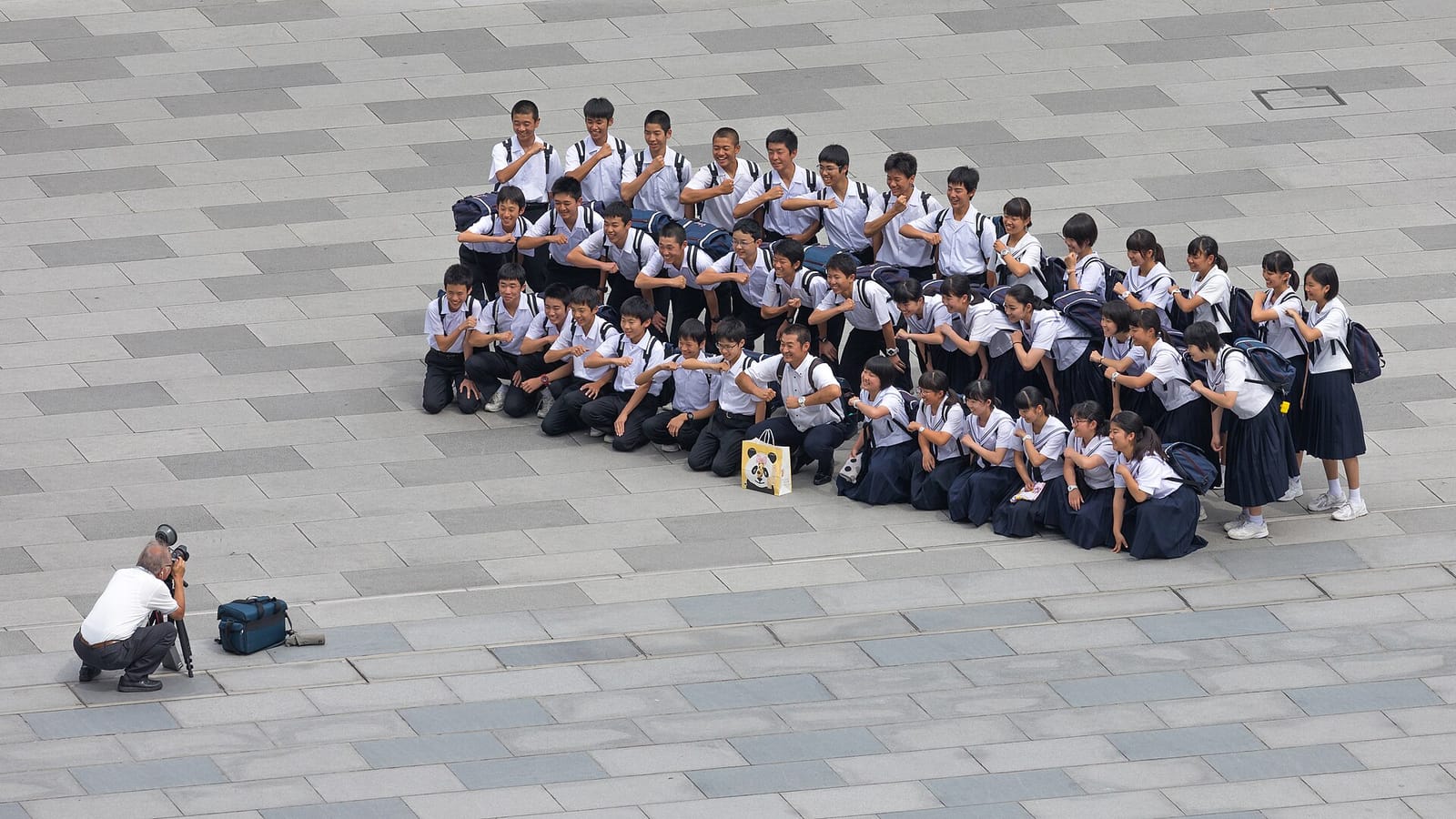
Your Tokyo base and the start of the Nozomi on Day 4. Staying near the station means the Shinkansen morning is a short walk, not a cross-city transfer with a suitcase. For other neighborhoods, see where to stay in Tokyo for first-timers.
- Access
- Tokaido Shinkansen to Kyoto, about 130 min
- Source
- global.jr-central.co.jp
Senso-ji
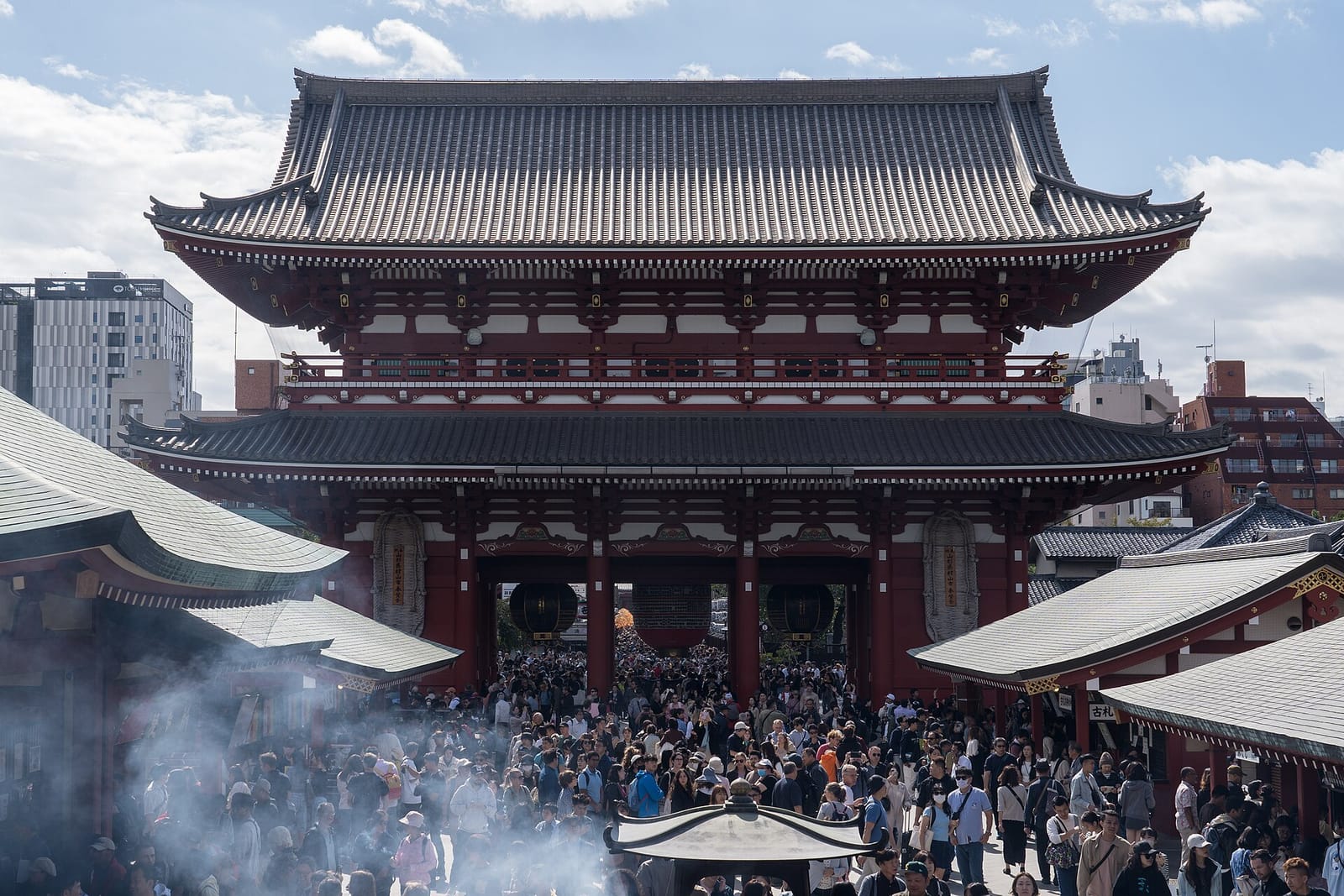
The anchor of Day 2. Senso-ji says the main hall opens at 6:00, or 6:30 from October to March, so you can see it before the shops on the approach open. From the Toei Asakusa Line, use Exit A4.
- Hours
- Main hall 6:00–17:00 (from 6:30 October–March)
- Access
- About 5 min walk from Asakusa Station (Ginza Line, Asakusa Line, Tobu, Tsukuba Express)
- Source
- www.senso-ji.jp
Kyoto Station
The Day 4 arrival point and a practical base for two nights. The JR Nara Line to Fushimi Inari and the Kintetsu trains to Nara both leave from here, so both of the next two mornings start at your door. Our guide to where to stay in Kyoto for first-timers compares it with Gion.
- Access
- Nozomi from Tokyo, about 130 min
- Source
- global.jr-central.co.jp
Kiyomizu-dera
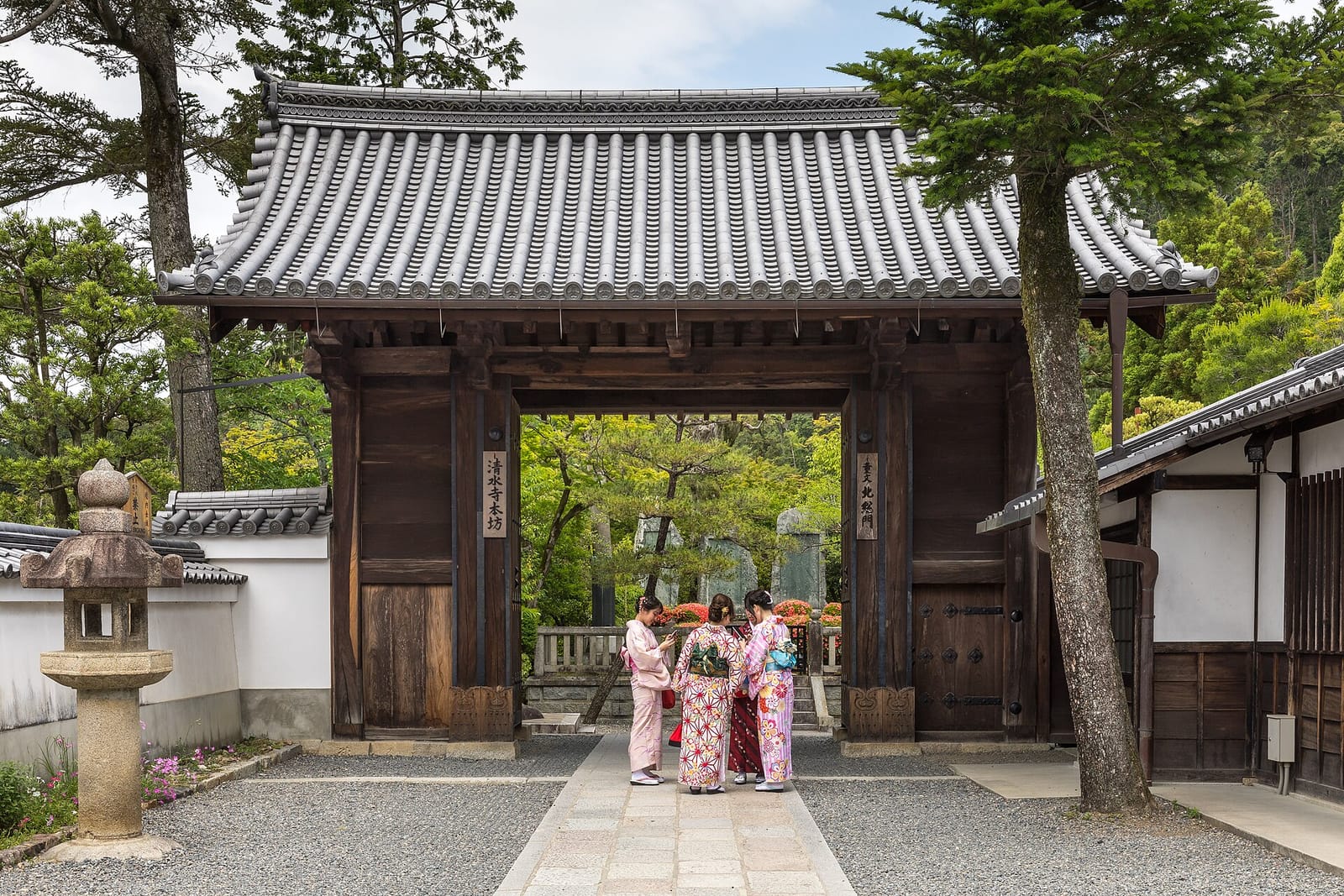
The Day 4 afternoon stop, on the slopes of the Higashiyama hills. The temple lists seasonal closing times on its site, so check the day’s time before you set out. From here, walk downhill toward Gion for the evening.
- Hours
- Opens 6:00; closing time changes by season
- Access
- City Bus 206 or 100 from Kyoto Station to Gojozaka, then about 10 min walk east
- Source
- www.kiyomizudera.or.jp
Fushimi Inari Taisha
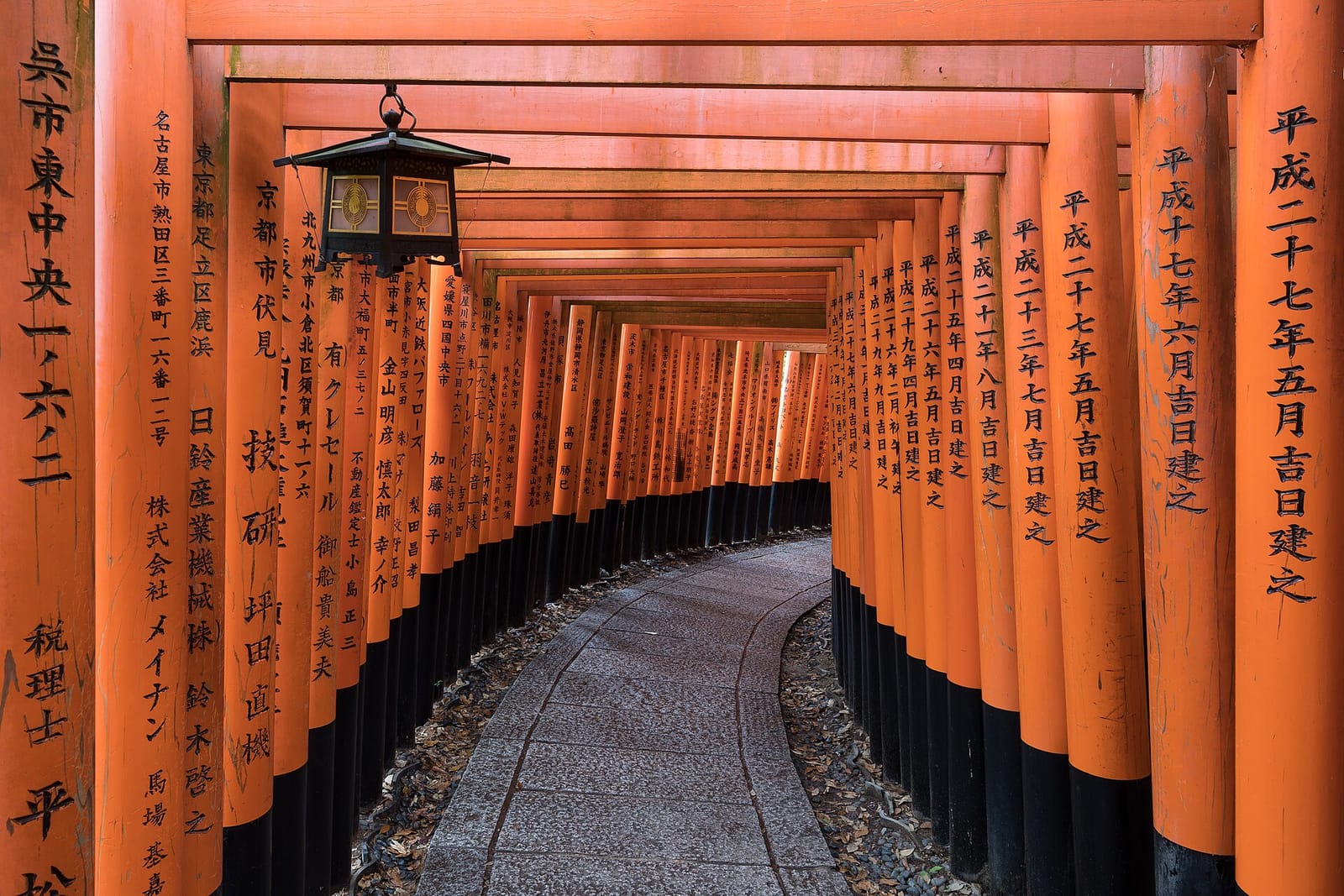
The first stop on Day 5. The shrine says JR Inari Station is right next to it, two stops from Kyoto, which makes it the easiest early-morning start in the city. On a rainy day, walk the lower gates and turn back.
- Access
- Next to JR Inari Station, about 5 min from Kyoto by JR Nara Line; about 5 min walk from Keihan Fushimi-Inari
- Source
- inari.jp
Todai-ji
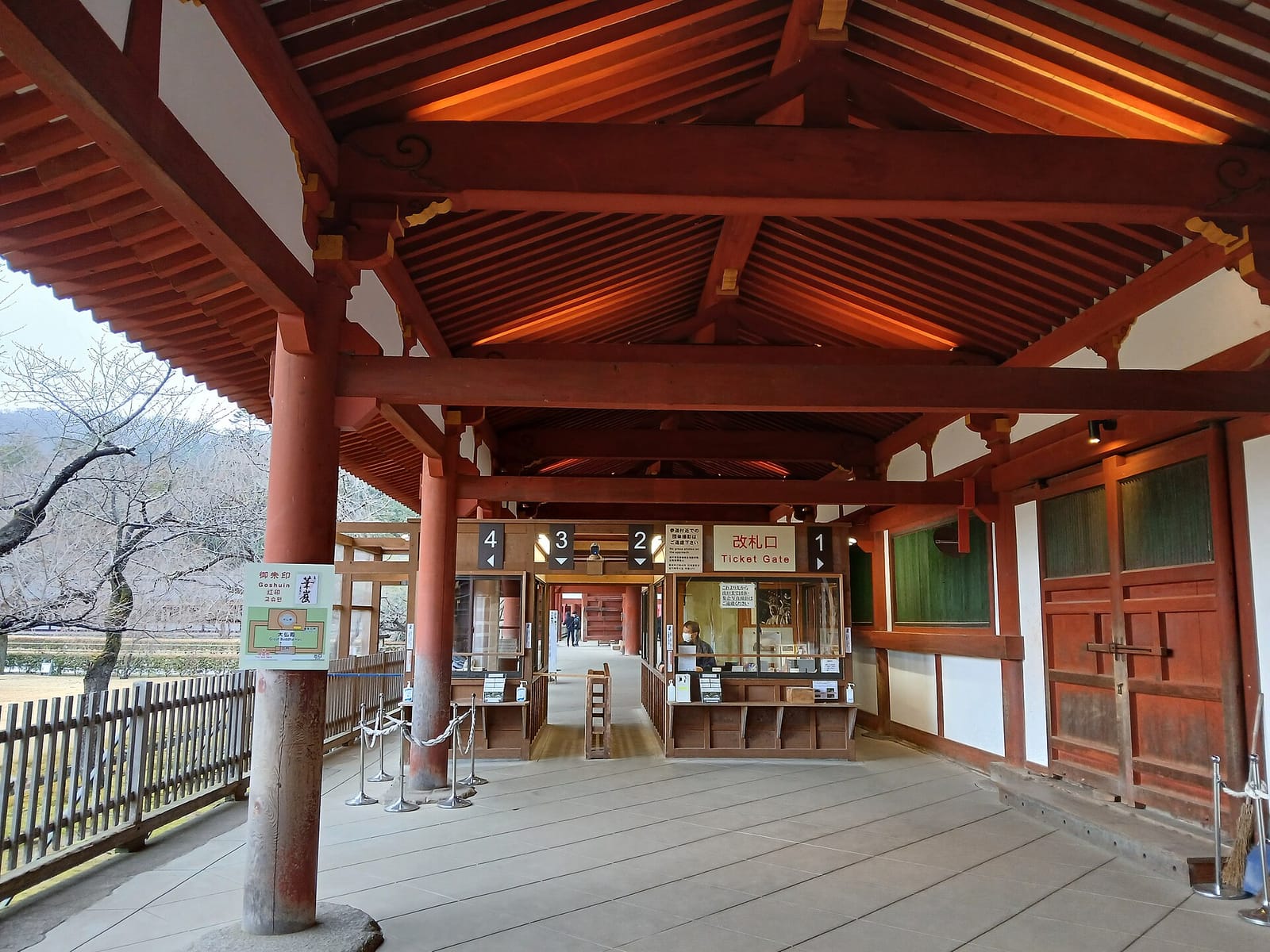
The main stop of the Nara morning on Day 6. The Great Buddha Hall is indoors, so this part of the day works in any weather. Allow time to walk through Nara Park from Kintetsu-Nara Station.
- Hours
- Great Buddha Hall 7:30–17:30 April–October; 8:00–17:00 November–March
- Price
- ¥800, adults (as of November 2026)
- Access
- Kintetsu-Nara Station, about 34 min from Kyoto by limited express
- Source
- www.todaiji.or.jp
Dotonbori
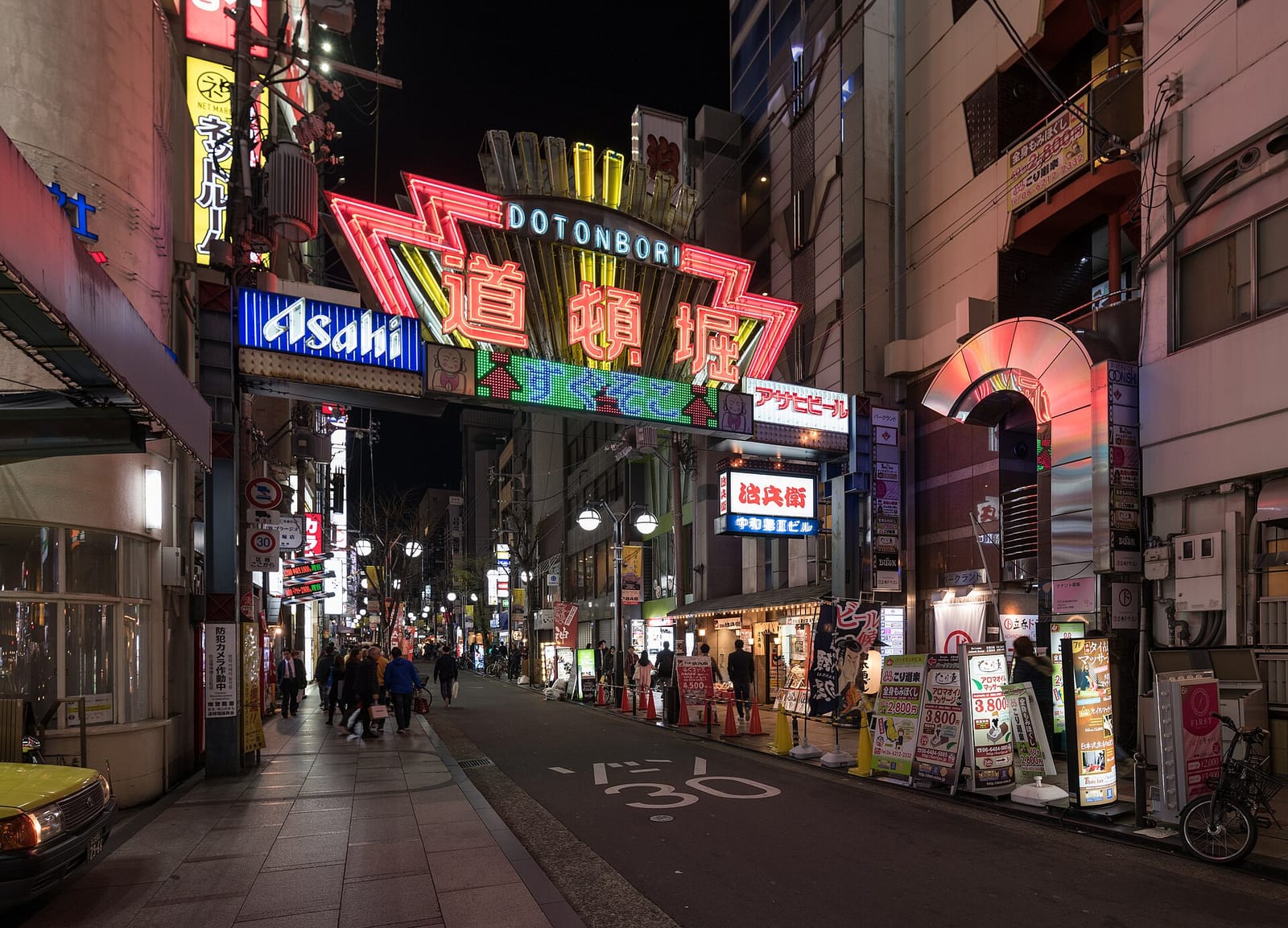
Your Day 6 evening, a short walk from Namba. Sleeping in Namba keeps you close to the Kintetsu arrival and the riverside lights. Our guide to where to stay in Osaka for first-timers explains Namba against Umeda.
- Access
- Near Osaka-Namba, about 34 min from Kintetsu-Nara by Kintetsu express
- Source
- www.visitnara.jp
Osaka Castle Main Tower
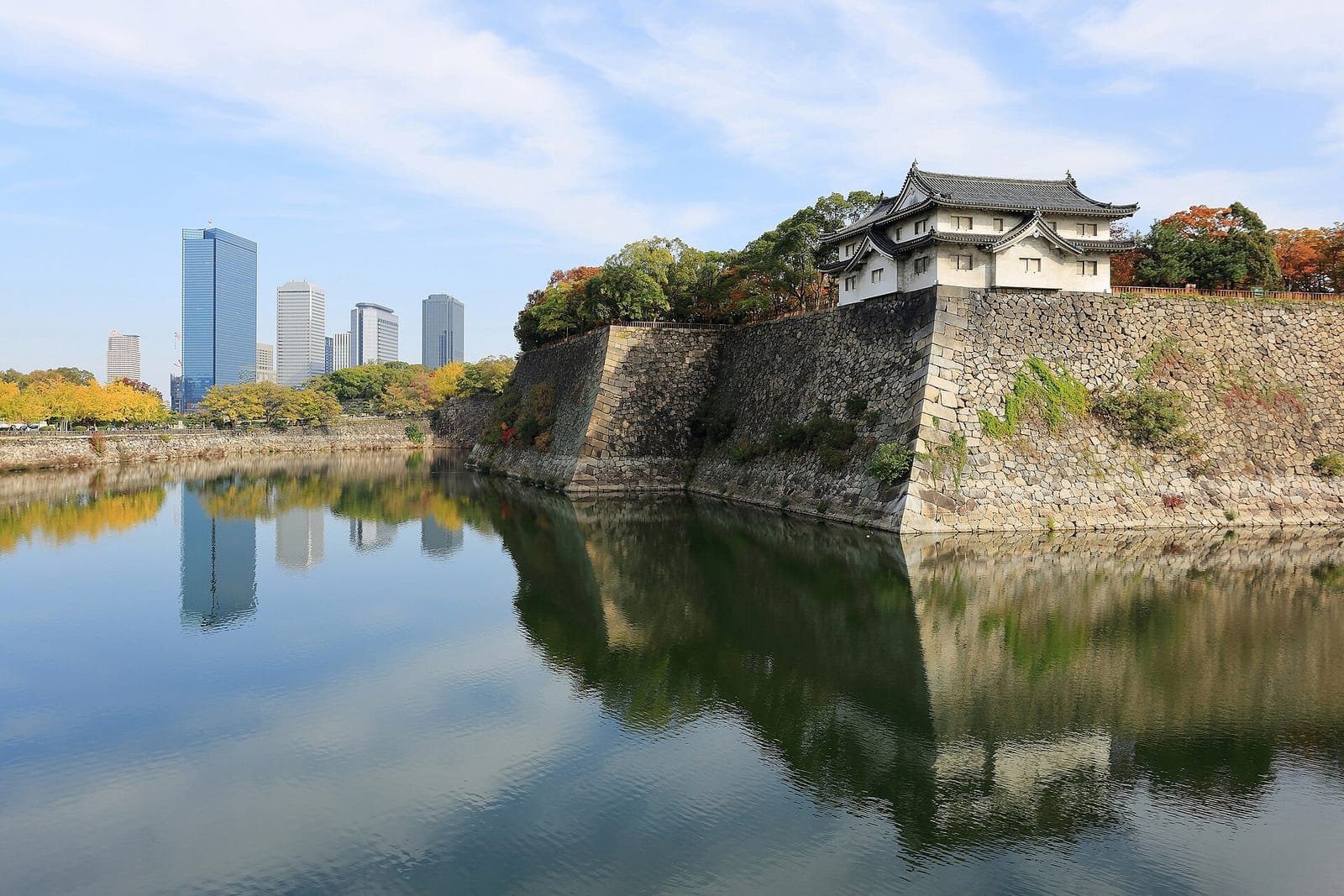
The last morning. The tower is a museum inside, so it also covers a rainy Day 7. Leave by late morning to reach Shin-Osaka for your Nozomi, or head to the airport if you fly out from Osaka.
- Hours
- 9:00–18:00, last entry 17:30; closed December 28–January 1
- Price
- ¥1,200, adults (as of November 2026)
- Access
- About 15–20 min walk from Morinomiya or Osakajokoen Station (JR Osaka Loop Line)
- Source
- osaka-info.jp
What if you have one more day, or want Hakone instead?
Add the eighth day to Kyoto. Three nights there gives you a slow day for Arashiyama or a second temple area, and the train plan does not change. With ten days, our 10-day Japan itinerary adds a night in Hakone and a Hiroshima option. With two weeks, our 14-day Japan itinerary for first-timers adds Hiroshima or a Japan Alps loop.
For Hakone on the way to Kyoto, ride a Hikari, since smartEX lists no Nozomi fare to Odawara. smartEX prices Tokyo to Odawara at ¥3,610 and Odawara to Kyoto at ¥12,100 by Hikari, ¥15,710 together, or ¥1,740 more than the direct Nozomi. Plan the mountain day with our Hakone loop course in one day, and check our Hakone Freepass guide for the Odawara version of the pass. Forward your suitcase straight from Tokyo to Kyoto so it skips Hakone entirely.
How do you book the Shinkansen tickets?
Buy each trip as a single ticket on smartEX, JR Central’s online service, or at a station. The smartEX prices in this guide are for a reserved seat in an ordinary car on a Nozomi, regular season, one adult. Reserve a seat with an oversized baggage area at the same time if your suitcase is over 160 cm. If you start from Shinjuku rather than Tokyo Station, our Shinjuku to Kyoto by Shinkansen guide covers the transfer and the ticket gates.
If you do buy a JR Pass for a longer trip, the NOZOMI ticket is sold at JR reserved-seat ticket machines and JR ticket offices, according to the JAPAN RAIL PASS site.
What to pack before you go
Maps, train apps and translation drain a phone by mid-afternoon. Keep it in your carry-on: power banks are not allowed in checked luggage.
Japan still runs on coins: there are six of them, from 1 to 500 yen, and you collect a pocketful fast. A holder with a slot for each coin lets you pay the exact amount at ticket machines, shrines and small shops without digging.
 Imperial Palace East Gardens and Marunouchi With Elderly Parents
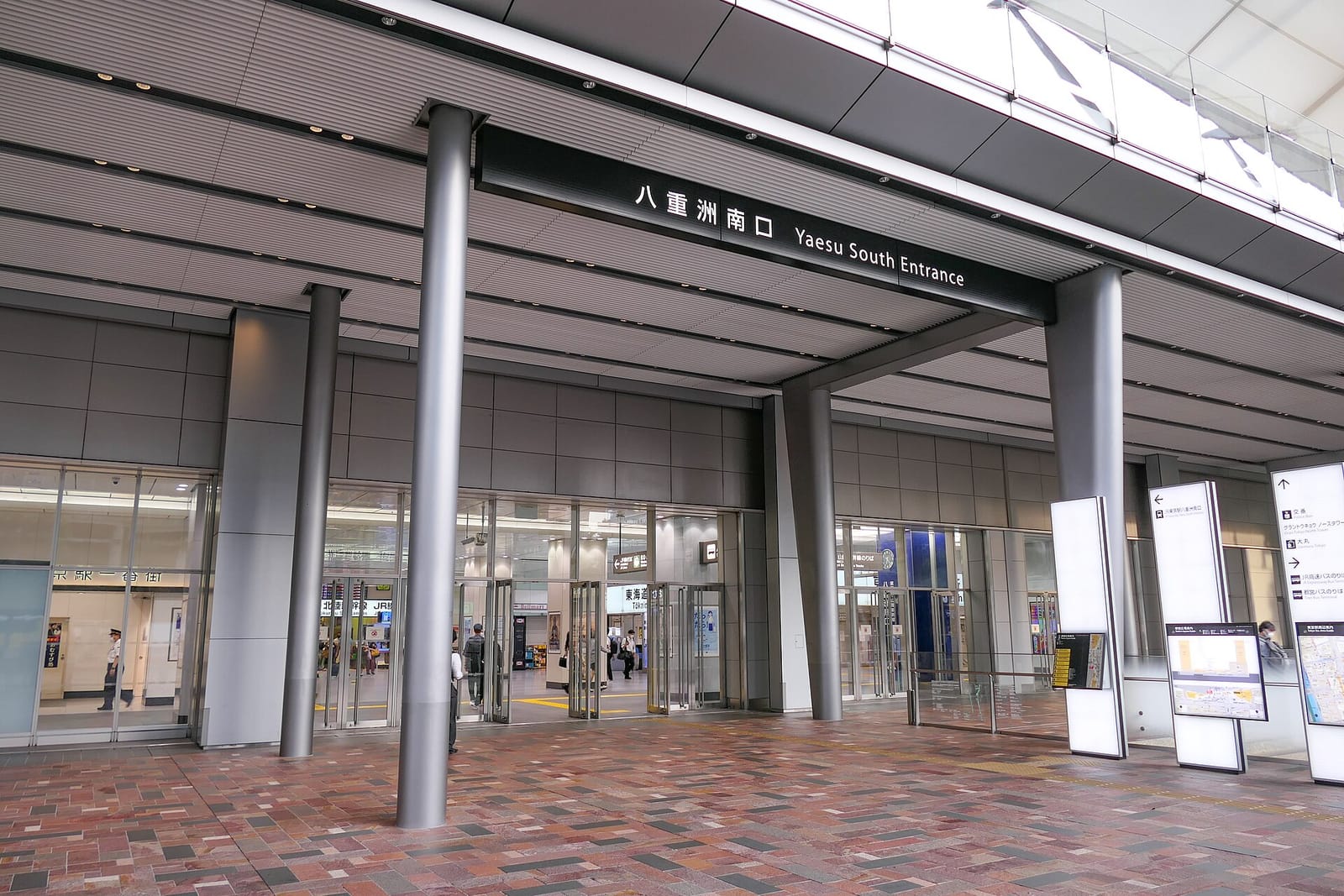 Tokyo Station to Narita by Bus: The ¥1,500 TYO-NRT From Yaesu
FAQ
Is 7 days enough for Tokyo, Kyoto and Osaka?
Yes, for a first look at each city. Three nights in Tokyo, two in Kyoto and one in Osaka gives you two full sightseeing days in Tokyo and Kyoto, a Nara stop on the transfer day and a morning in Osaka. Each move is a single train ride of 35 to 130 minutes.
Is the JR Pass worth it for Tokyo, Kyoto and Osaka in 7 days?
Not for this route on its own. The two Nozomi trips cost ¥28,490 on smartEX, against ¥50,000 for a 7-day JR Pass bought online, and the pass needs a ¥4,960 NOZOMI ticket per trip to ride Nozomi (as of November 2026). It starts to break even only if you add a long trip such as Osaka to Hiroshima and back.
How long is the Shinkansen from Tokyo to Kyoto?
JR Central says you can reach Kyoto from Tokyo in about 130 minutes on the Tokaido Shinkansen. Shin-Osaka is one stop further on the same line.
Should I go from Tokyo to Kyoto or Osaka first?
Either works, since the smartEX Nozomi price from Tokyo to Shin-Osaka (¥14,520) is close to Tokyo to Kyoto (¥13,970). This plan goes to Kyoto first so the Kyoto to Nara to Osaka transfer runs on Kintetsu trains, about 34 minutes each way.
Can I take my suitcase on the Shinkansen?
Yes. Bags up to 160 cm in total length, width and height need no reservation. Bags from 161 to 250 cm need a seat with an oversized baggage area, booked at no extra cost; without one, JR Central charges ¥1,000.
Sources
- JAPAN RAIL PASS — Prices
- JAPAN RAIL PASS — Use of NOZOMI and MIZUHO trains
- Central Japan Railway — Nozomi ticket for JAPAN RAIL PASS holders
- smartEX — smartEX Service prices, reserved seats (PDF, as of April 1, 2025)
- smartEX — smartEX Service seasonal price differences
- Central Japan Railway — Kyoto by Shinkansen
- Central Japan Railway — Nozomi during peak periods
- Central Japan Railway — Oversized baggage
- Yamato Transport — Hands-Free Travel pricing guide
- Kintetsu Railway — Sightseeing Limited Express AONIYOSHI (fares, times)
- Nara Visitors Bureau — Travel to Nara
- Senso-ji — Access
- Senso-ji — About (main hall hours)
- Kiyomizu-dera — Location and opening hours
- Fushimi Inari Taisha — Access
- Todai-ji — Opening Hours / Admission Fees
- OSAKA-INFO — Osaka Castle Main Tower
This article contains affiliate links. We may earn a commission at no extra cost to you.