Shinjuku Half-Day Walking Route: East Side, Clear or Rainy
A half-day walk on Shinjuku's east side: Shinjuku Gyoen, 3-chome, Hanazono Shrine, Golden Gai and Kabukicho, with clear-day and rainy-day plans.
From mid-November to early December, Shinjuku Gyoen is at its autumn best, and that is the season this walk is built around. GO TOKYO puts the garden’s best autumn-leaf window in exactly those weeks, but the garden’s winter hours also start on October 1: it closes at 16:30, with last entry at 16:00. So the east side of Shinjuku works as a half day in a fixed order. The garden goes first, while it is light and open. Shinjuku 3-chome, Hanazono Shrine and the Golden Gai alleys come after, when the city side gets livelier. This guide gives you a clear-day plan and a rainy-day plan, both starting around midday.
If you want the skyscrapers instead, that is the other side of the station: our Nishi-Shinjuku skyscraper walking route covers the West Exit, the towers and the free observatory. This route stays east of the tracks.
Which plan should you pick on the day?
Pick by the forecast at breakfast. If it is dry, take the clear-day route, which spends two hours outdoors in the garden. If it is raining, take the rainy-day plan, which uses the garden’s greenhouse, one metro ride and a department store that connects directly to the station.
Check two dates before either plan:
- Is it a Monday? Shinjuku Gyoen is closed on Mondays, or on the next weekday if Monday is a public holiday. The December 2026 calendar lists December 7, 14, 21 and 28 as closed days. On a Monday, start at Isetan and Hanazono Shrine and add an extra hour in Kabukicho at the end.
- Is it December 29 to January 3? The garden is closed for the New Year holidays.
The garden is open every day, Mondays included, during the Chrysanthemum Exhibition (November 1–15) and the cherry blossom season (March 25–April 24). For gates, rules and what to see inside in more detail, read our Shinjuku Gyoen tips.
What does the clear-day walking route look like?
On a dry day, enter Shinjuku Gyoen by Shinjuku Gate at about 12:30, walk the three gardens for two hours, leave by 15:00, then walk north through Shinjuku 3-chome to Hanazono Shrine and end in Kabukicho around 18:00.
| Time | Stop | Cost (as of November 2026) |
|---|---|---|
| 12:30 | Shinjuku Gyoen, Shinjuku Gate | ¥500 adults; ¥250 students 16+; 15 and under free |
| 12:40 | Landscape Garden and Formal Garden | Included |
| 13:40 | Japanese Traditional Garden, along the Upper Pond | Included |
| 15:00 | Leave by Shinjuku Gate; walk to Shinjuku 3-chome | Free |
| 15:15 | Isetan Shinjuku, food hall on B1 | Food only |
| 16:00 | Hanazono Shrine | Free |
| 16:30 | Shiki no Michi promenade | Free |
| 16:45 | Golden Gai alleys | Free to walk through |
| 17:15 | Godzilla Head, Shinjuku Toho Building | Free from the street |
| After 20:00 | Optional: back to Golden Gai when the bars open | Drinks only |
Admissions come to ¥500 for an adult. The times are a guide; you can stretch the garden and cut Isetan.
Why this order? The garden’s last entry is 16:00 and it closes at 16:30 until March 14, so it cannot go at the end of the afternoon. Starting at 12:30 gives you a full two hours inside and still leaves margin before closing. The rest of the route is streets, a shrine and an alley district that are open late, so they work fine in the early evening. In late November it is dark by the time you reach Golden Gai, which is when the area looks most like itself.
What does the rainy-day plan look like?
On a wet day, enter the garden by Okido Gate for the greenhouse, ride the Marunouchi Line to Shinjuku-sanchome, and spend the afternoon indoors at Isetan before short covered dashes to Hanazono Shrine and Golden Gai.
| Time | Stop | Cost (as of November 2026) |
|---|---|---|
| 11:30 | Okido Gate (Shinjuku-gyoemmae Station Exit 2, 5 min) | ¥500 adults; ¥250 students 16+ |
| 11:40 | Shinjuku Gyoen Greenhouse | Included |
| 13:00 | Marunouchi Line, Shinjuku-gyoemmae to Shinjuku-sanchome | Fare |
| 13:15 | Lunch on Isetan’s 7th-floor restaurant floor | Food only |
| 14:30 | Isetan B1 food hall and the store | Free to browse |
| 16:00 | Hanazono Shrine (Exit E2, 0 min) | Free |
| 16:30 | Back underground, or on to Kabukicho | Free |
| After 20:00 | Golden Gai, one small bar | Drinks only |
The greenhouse is near Okido Gate, so you reach it without crossing the open lawns. It is open 9:30–16:00 with last entry at 15:30 from October 1 to March 14. Leave by the same gate and walk back to Shinjuku-gyoemmae Station. At Shinjuku-sanchome, exits B3, B4 and B5 lead straight into Isetan’s basement, so you stay dry. Isetan says its restaurant floor is open 11:00–22:00 (hours vary by restaurant) and the store 10:00–20:00.
From Isetan, Hanazono Shrine is a short walk. The shrine says Exit E2 of Shinjuku-sanchome Station is 0 minutes away, so you can come up right beside it. For more covered options, see our rainy-day Shinjuku list.
Which stops are on the route?
Here are the stops in clear-day order, with the greenhouse for the rainy-day plan at the end. Tick “Add to my route” on the ones you want, and the box at the end of the page opens them in order in Google Maps.
Shinjuku Gyoen National Garden (Shinjuku Gate)
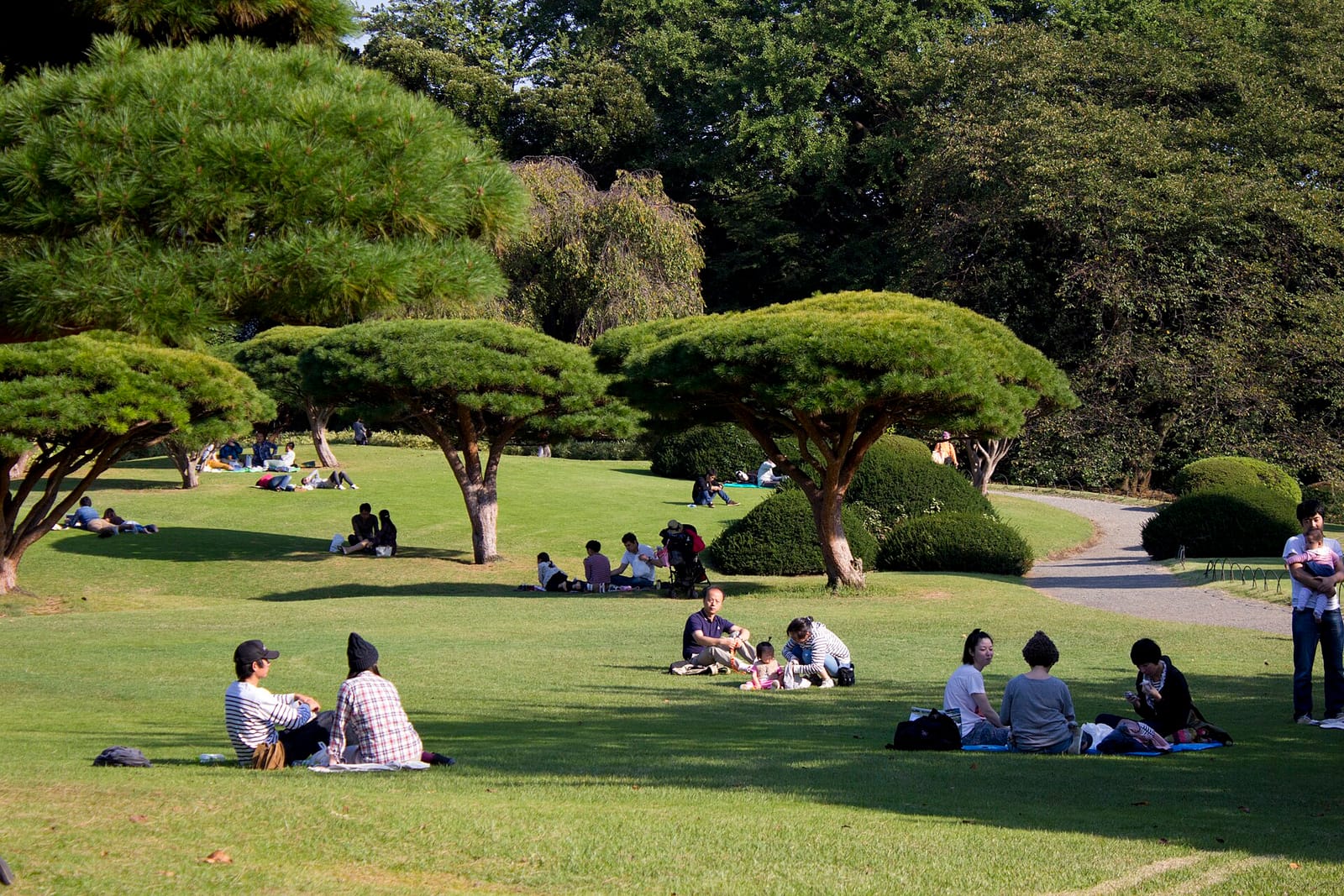
Shinjuku Gate is the gate closest to the station, and the one this route starts and ends at. Just inside is the Landscape Garden, an open lawn with tulip trees and Himalayan cedars, where the garden says the ginkgo trees turn brilliant yellow in autumn. To the east, the Formal Garden has about 160 sycamores in straight rows whose leaves turn gold.
- Hours
- 9:00–16:30, last entry 16:00 (Oct 1–Mar 14); closed Mondays and Dec 29–Jan 3 (as of November 2026)
- Price
- Adults ¥500; students 16+ ¥250; 15 and under free (as of November 2026)
- Access
- 10 min walk from the South Exit of Shinjuku Station; 5 min from Exit E5 or C1/C5 of Shinjuku-sanchome Station
- Source
- policies.env.go.jp
Japanese Traditional Garden, Shinjuku Gyoen
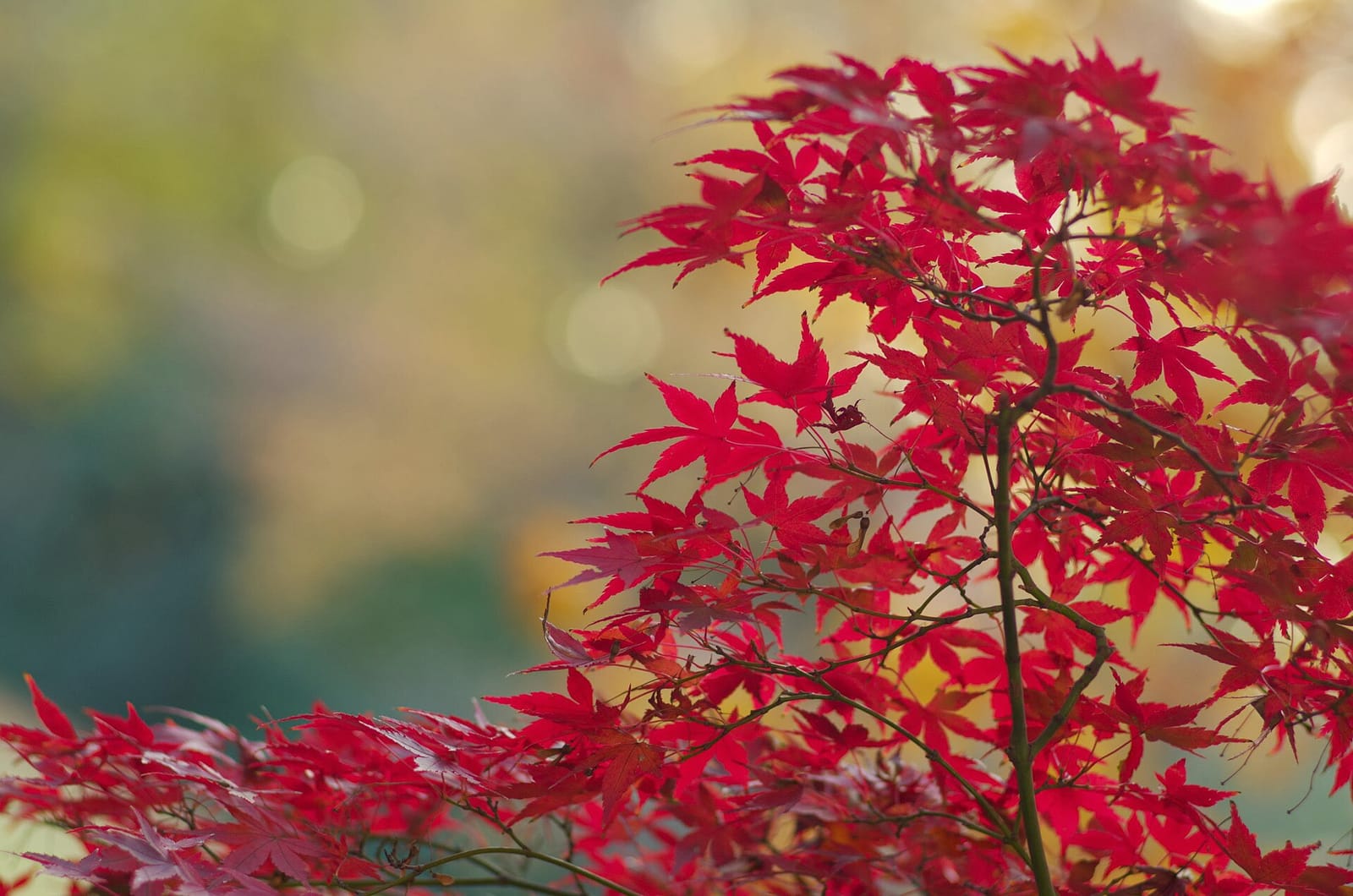
A strolling garden around the Upper Pond, which the garden says reached its present form in 1903. In autumn the maples here show red, orange and pink. Look for Kyu-Goryo-Tei, a Chinese-style pavilion, and the Shouten-Tei tea house, which is open until 16:30 with last order at 16:00 from October 1 to March 14.
- Access
- Inside the garden, along the Upper Pond
- Source
- policies.env.go.jp
Isetan Shinjuku
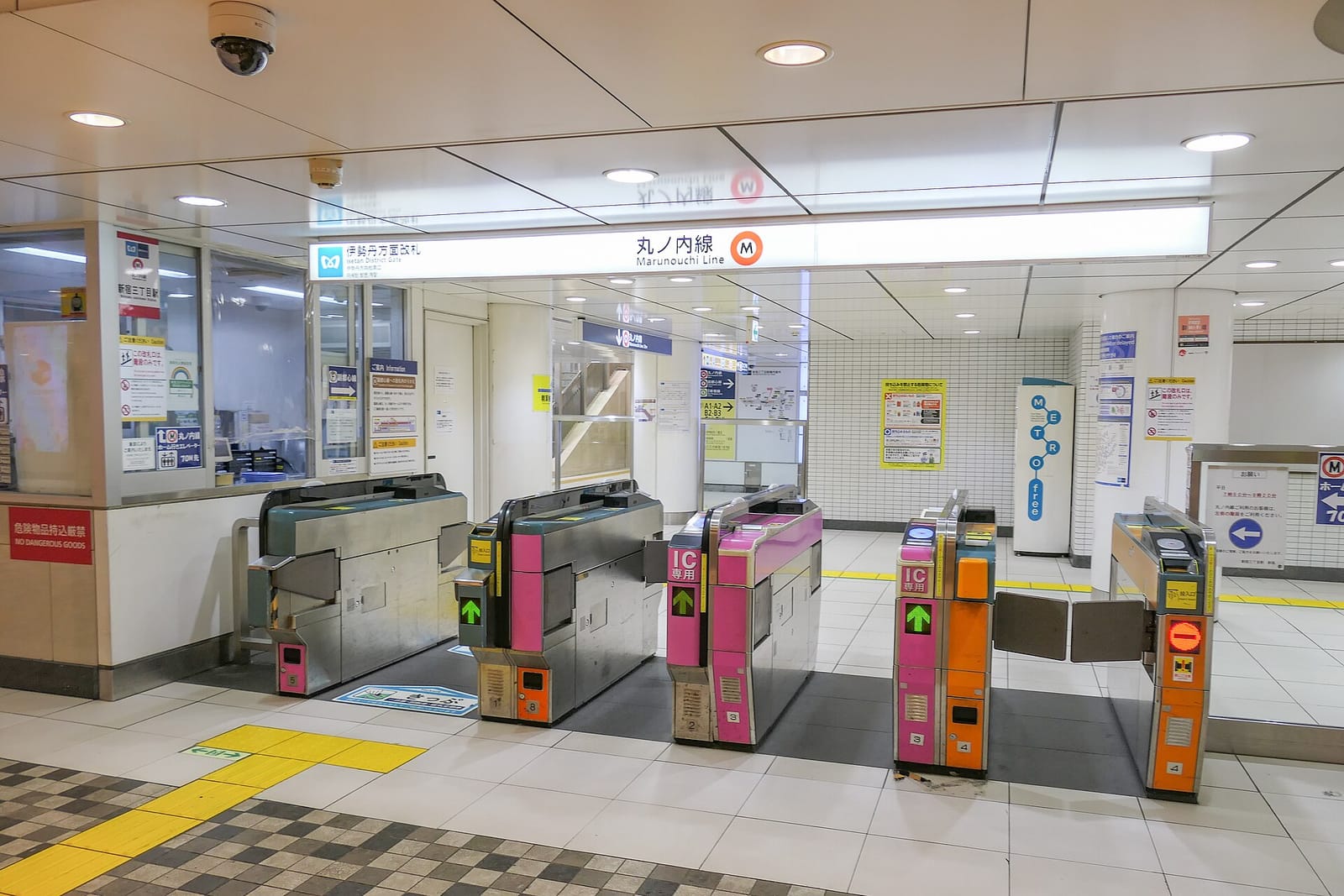
The department store at 3-chome, the shopping heart of the east side. On the clear-day route, stop at the basement food hall for something to eat after the garden. On the rainy-day plan, it is your base for lunch and the afternoon. The store has a tax-free counter on the 6th floor. Our Shinjuku depachika guide explains how the food halls work.
- Hours
- Store 10:00–20:00; 7F restaurants 11:00–22:00, varies by restaurant (as of November 2026)
- Access
- Directly connected to Shinjuku-sanchome Station via exits B3, B4 and B5; about 5 min walk from JR Shinjuku Station
- Source
- cp.mistore.jp
Hanazono Shrine
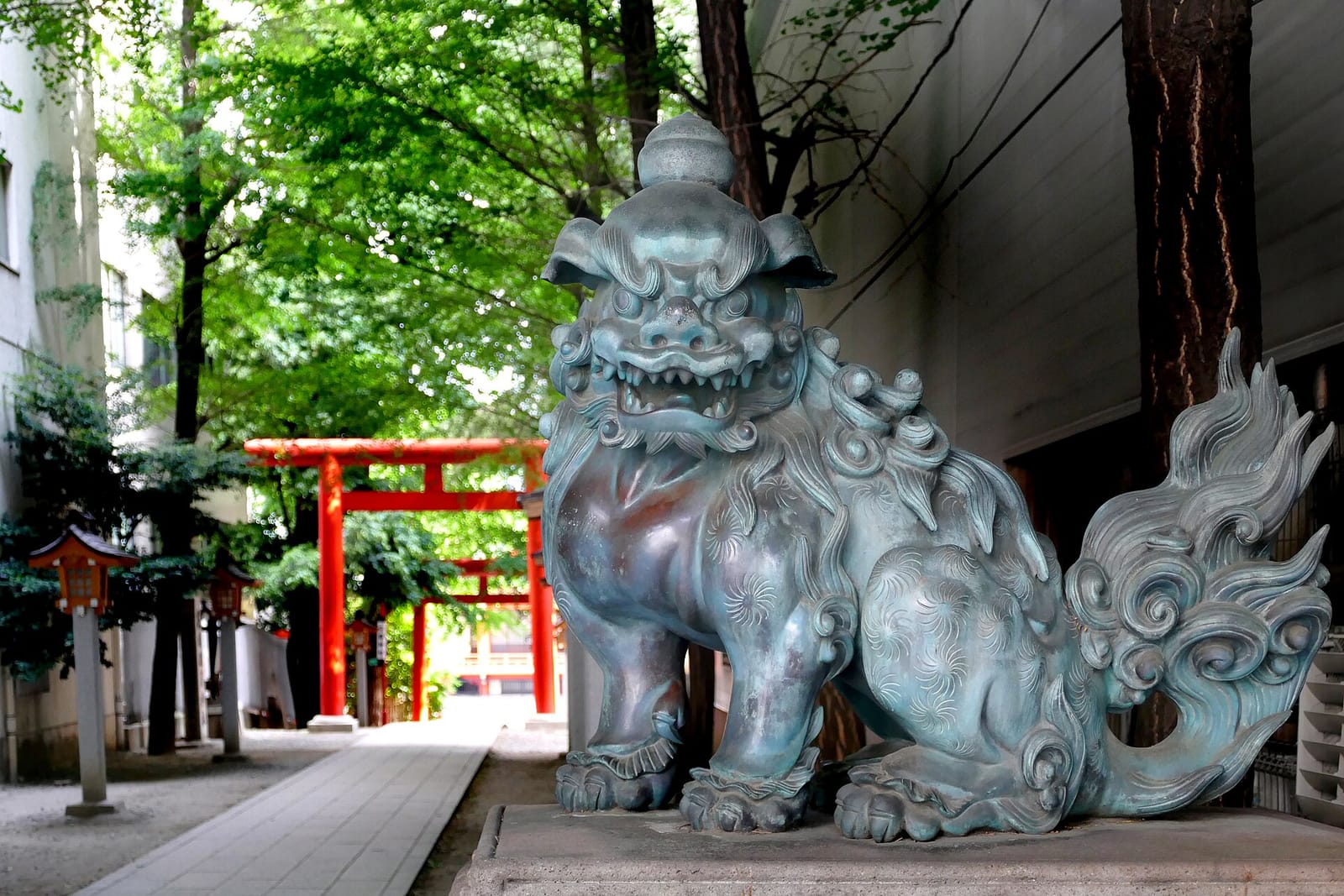
A Shinto shrine at 5-17-3 Shinjuku, a few steps from the subway exit. It is the quiet stop between the department stores and Kabukicho. Our Hanazono Shrine guide covers what is on the grounds, office hours and the event dates.
- Access
- Shinjuku-sanchome Station Exit E2, 0 min; 7 min walk from the East Exit of Shinjuku Station
- Source
- hanazono-jinja.or.jp
Shinjuku Promenade Park Shiki no Michi
A narrow green path right beside Golden Gai. Shinjuku City says it runs along the old track of Toden tram line 13, which closed in March 1970, and opened as a promenade park on June 24, 1974. It is the calmest way into Kabukicho.
- Access
- About 5 min walk from the East Exit of Shinjuku Station; 4 min from Exit B5 of Shinjuku-sanchome Station; about 4 min from Seibu-Shinjuku Station
- Source
- www.city.shinjuku.lg.jp
Shinjuku Golden Gai
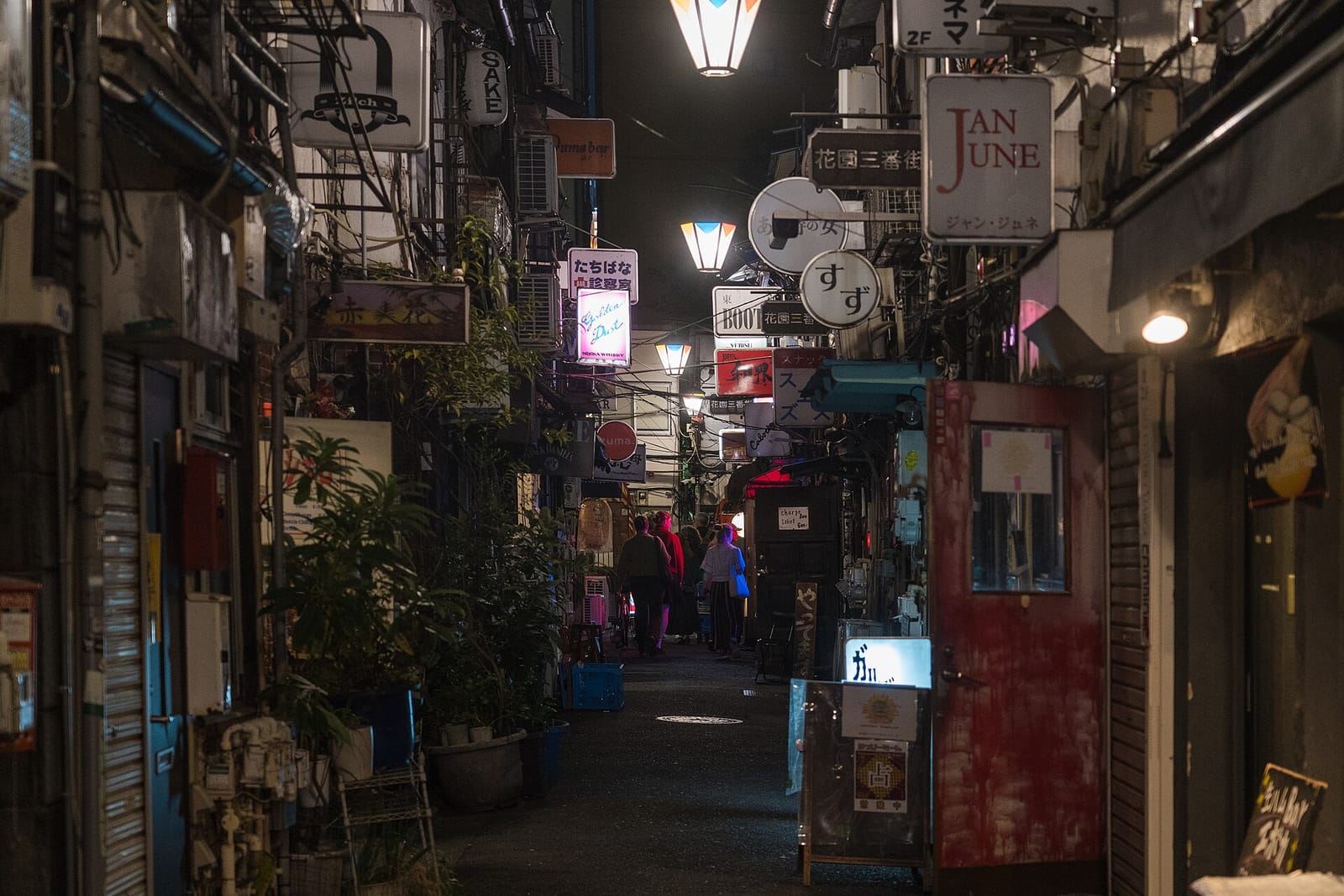
GO TOKYO counts around 280 bars in six rows of alleys, many seating only five or six people. On this route you walk through at dusk, before most bars open. GO TOKYO asks you not to drink or smoke in the street and not to take photos without permission. Our Golden Gai guide explains cover charges and how to pick a bar if you come back later.
- Hours
- Varies by bar; most open around 20:00 (as of November 2026)
- Access
- About 5 min walk from the East Exit of Shinjuku Station
- Source
- www.gotokyo.org
Godzilla Head, Shinjuku Toho Building
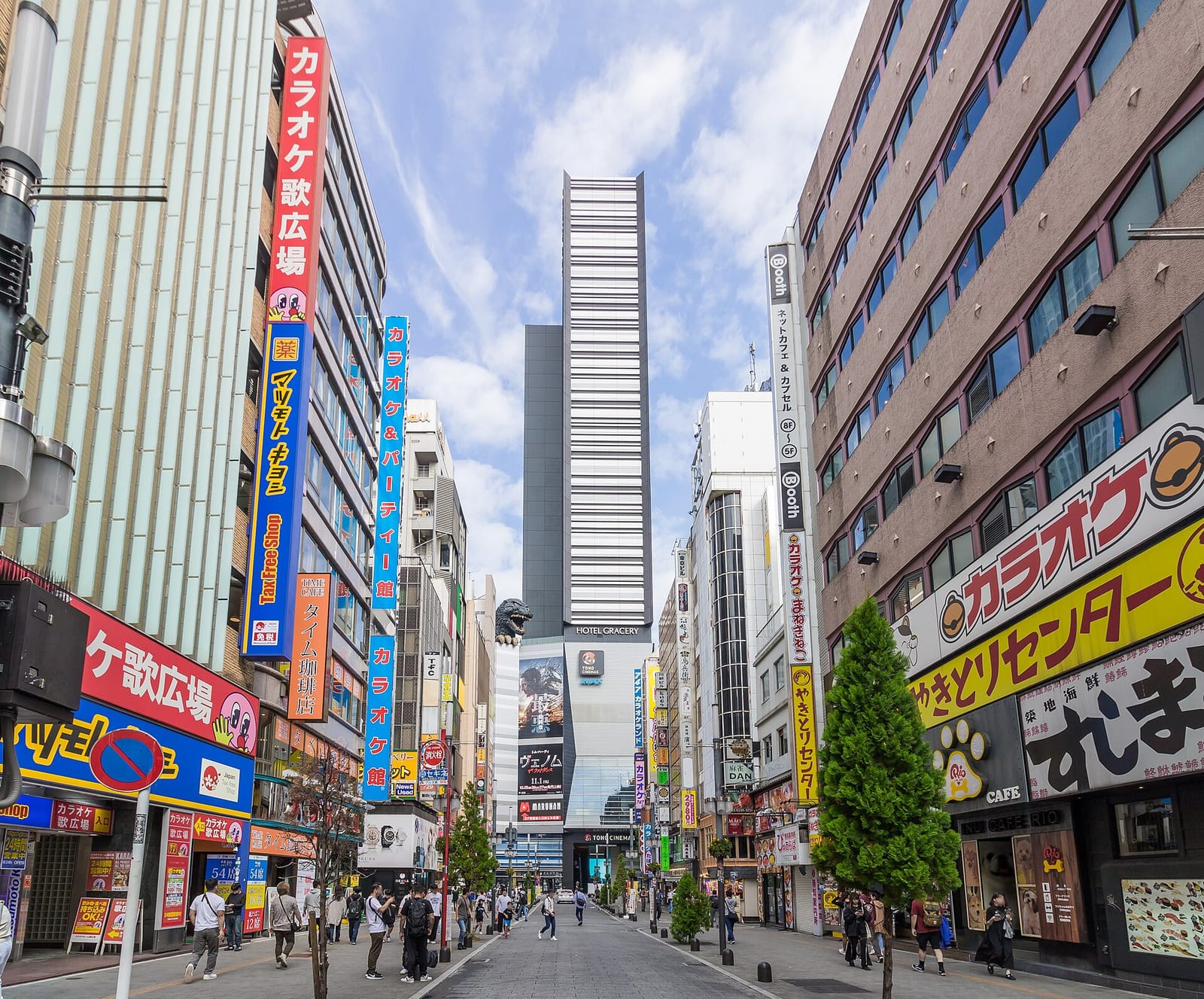
The end of the route, on the edge of Kabukicho. A life-size Godzilla head looks out from the 8th-floor terrace of the Shinjuku Toho Building, on the site of the former Shinjuku Koma Theater. You can see it from the street below. From here, Shinjuku Station’s East Exit is a short walk south.
- Access
- About 5 min walk from JR Shinjuku Station; about 3 min from Seibu-Shinjuku Station
- Source
- www.gotokyo.org
Shinjuku Gyoen Greenhouse (rainy day)
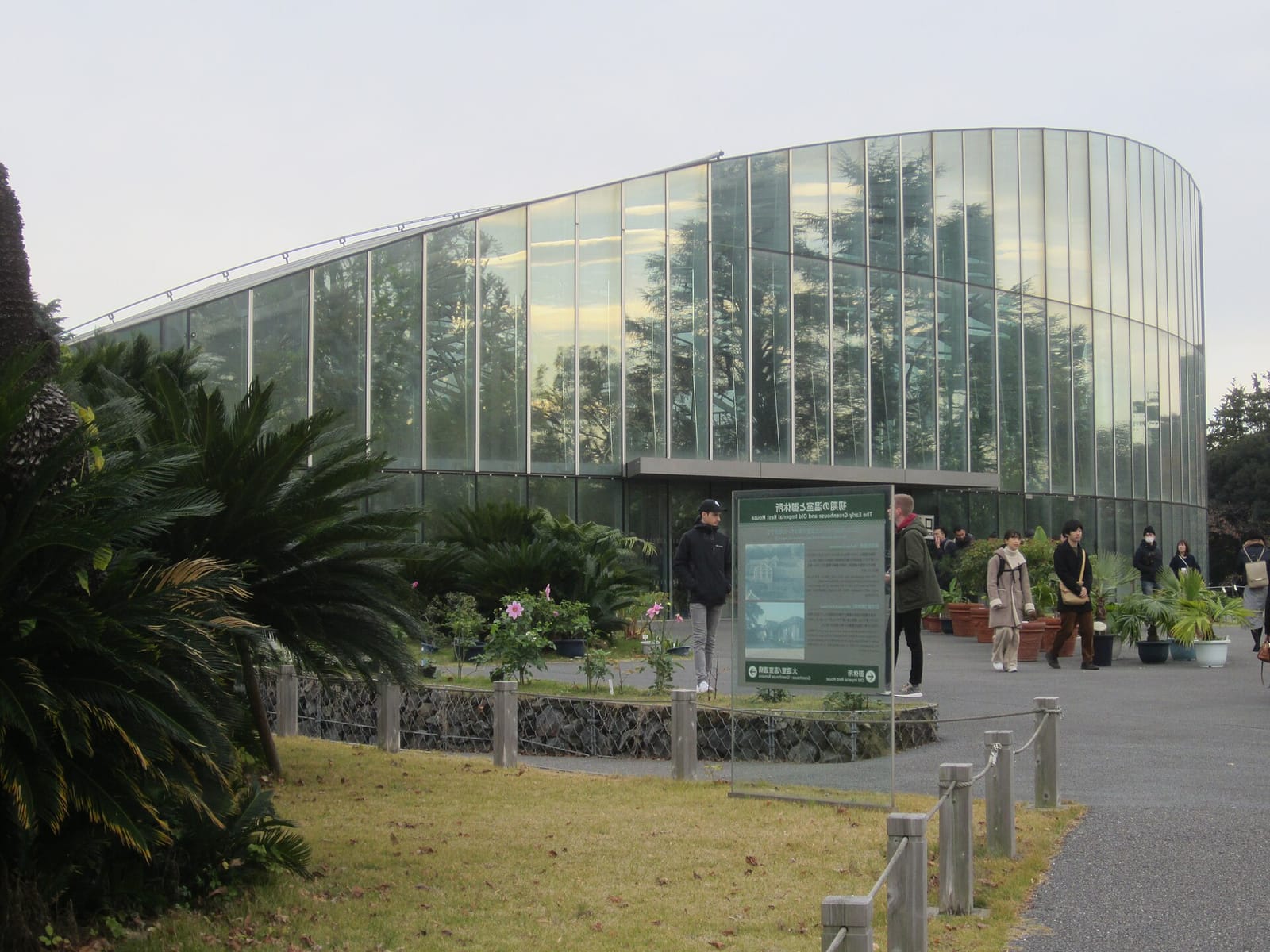
The garden’s glasshouse shows about 1,000 kinds of plants in a display area of about 2,750 square meters. The garden says the first greenhouse here dates from 1875, and the current one was remodeled in 2012. It is the warmest, driest hour you can spend in Shinjuku Gyoen in the rain.
- Hours
- 9:30–16:00, last entry 15:30 (Oct 1–Mar 14, as of November 2026)
- Access
- Near Okido Gate; Exit 2 of Shinjuku-gyoemmae Station (Marunouchi Line), 5 min walk
- Source
- policies.env.go.jp
What should you sort out before you start?
Sort out three things: which gate you enter by, a working phone connection, and whether you will come back for Golden Gai after 20:00.
- Your gate and station. For the clear-day route, use Shinjuku Gate: 5 minutes from Shinjuku-sanchome Station or 10 minutes from the South Exit of Shinjuku Station. For the rainy-day plan, use Okido Gate, 5 minutes from Exit 2 of Shinjuku-gyoemmae Station. If the main station confuses you, our Shinjuku Station exits guide shows which exit to take.
- Your phone. The route depends on maps between the garden gates, the metro exits and the alleys behind Hanazono Shrine, where the streets are small and easy to miss.
- Your evening. If you want a drink in Golden Gai, plan dinner between 18:00 and 20:00 and come back when the bars open. Our Shinjuku at night guide has ideas for that gap.
For other things worth packing for a walking day, see our travel essentials.
How can you change the route?
Cut stops rather than rush. With three hours, spend one hour in the Landscape and Japanese gardens, leave by Shinjuku Gate, and walk straight to Hanazono Shrine, Shiki no Michi and Golden Gai. With more time, keep going into the evening.
To make it a full day, add the west side: do the Nishi-Shinjuku skyscraper walk in the morning, or follow our one day in Shinjuku itinerary, which links both sides of the station in one timed plan.
 Shinjuku Hotels With Big Rooms for Families: 6 Picks by Group Size
 Shinjuku Hotels Connected to the Station: What 'Direct' Means
FAQ
How long does the Shinjuku east side walk take?
Plan on about five and a half hours for the clear-day route, from 12:30 to around 18:00, with two hours of that in Shinjuku Gyoen. The rainy-day plan takes about five hours. If you only have three hours, cut the garden to one hour and skip Isetan.
How much does the walk cost?
The only admission fee is Shinjuku Gyoen: ¥500 for adults and ¥250 for students 16 and over, with children 15 and under free, as of November 2026. Hanazono Shrine, Shiki no Michi, Golden Gai and the Godzilla Head are free to walk past. Add food, drinks and one metro ride on the rainy-day plan.
When are the autumn leaves at Shinjuku Gyoen?
GO TOKYO gives mid-November to early December as the best time. The garden's own guide says the ginkgo trees in the Landscape Garden turn bright yellow, the sycamores in the Formal Garden turn gold, and the maples in the Japanese Traditional Garden show red, orange and pink.
Can you visit Golden Gai in the afternoon?
You can walk through the alleys at any time, but GO TOKYO says most bars open around 20:00. On this route you pass through at dusk, so treat it as a look, and come back after 20:00 if you want a drink. Do not drink or smoke in the street, and ask before taking photos.
Is Shinjuku Gyoen open on Mondays?
No. The garden is closed on Mondays (or the next weekday if Monday is a public holiday) and from December 29 to January 3. On a Monday, start this walk at Isetan and Hanazono Shrine instead.
Sources
- Shinjuku Gyoen National Garden — Admission (hours, closed days, fees)
- Shinjuku Gyoen National Garden — Access
- Shinjuku Gyoen National Garden — Facility Guide (greenhouse, cafes)
- Shinjuku Gyoen National Garden — Gardens
- Shinjuku Gyoen National Garden — Greenhouse
- Shinjuku Gyoen National Garden — December 2026 calendar
- GO TOKYO — Autumn leaves forecast
- ISETAN MITSUKOSHI — Isetan Shinjuku store information
- Hanazono Shrine (official site, Japanese) — Access
- Shinjuku City — Shinjuku Promenade Park Shiki no Michi (Japanese)
- GO TOKYO — Shinjuku Golden Gai
- GO TOKYO — GODZILLA HEAD
This article contains affiliate links. We may earn a commission at no extra cost to you.