Tokyo 2-Day Itinerary: East Side, West Side, Clear or Rainy
48 hours in Tokyo from a Tokyo Station base: Asakusa and Ueno on day 1, Harajuku, Shibuya and Shinjuku on day 2, with a clear-day and a rainy-day timetable.
With 48 hours in Tokyo, settle three things before you go. First, which side of the city gets which day: the old east side around Asakusa and Ueno, or the west side along the JR Yamanote Line from Harajuku to Shinjuku. Second, whether the forecast calls for the clear or the rainy version of that day. Third, where you sleep: from a hotel near Tokyo Station, Ueno is about 8 minutes away and Shinjuku about 15, so each day needs only a handful of rides.
This plan is for first-time visitors with exactly two full days, travelling on foot and by train, who want one timetable for a clear day and one for a wet one. Budget about ¥1,000–¥4,400 per adult in admissions, plus subway fares of ¥180–¥330 a ride, before food and hotel (as of November 2026). Prices and hours below come from the operators’ and GO TOKYO’s official pages.
Which two days should you plan, and how do weather and the calendar change them?
Give day 1 to the east side and day 2 to the west side, then check the forecast the night before and pick the clear or the rainy version of each day. The areas stay the same; only the order and the indoor stops change.
Two calendar checks come first:
- Day 1 should not be a Monday. The Tokyo National Museum closes on Mondays (it opens on a Monday holiday and closes the next day instead). In 2026 it also closes on December 15 and from December 26 to 31.
- Day 2 is short in winter. Meiji Jingu opens at sunrise and closes at sunset: 16:10 in November, 16:00 in December and 16:20 in January, against 18:30 in June. That is why both west-side plans put the shrine in the morning.
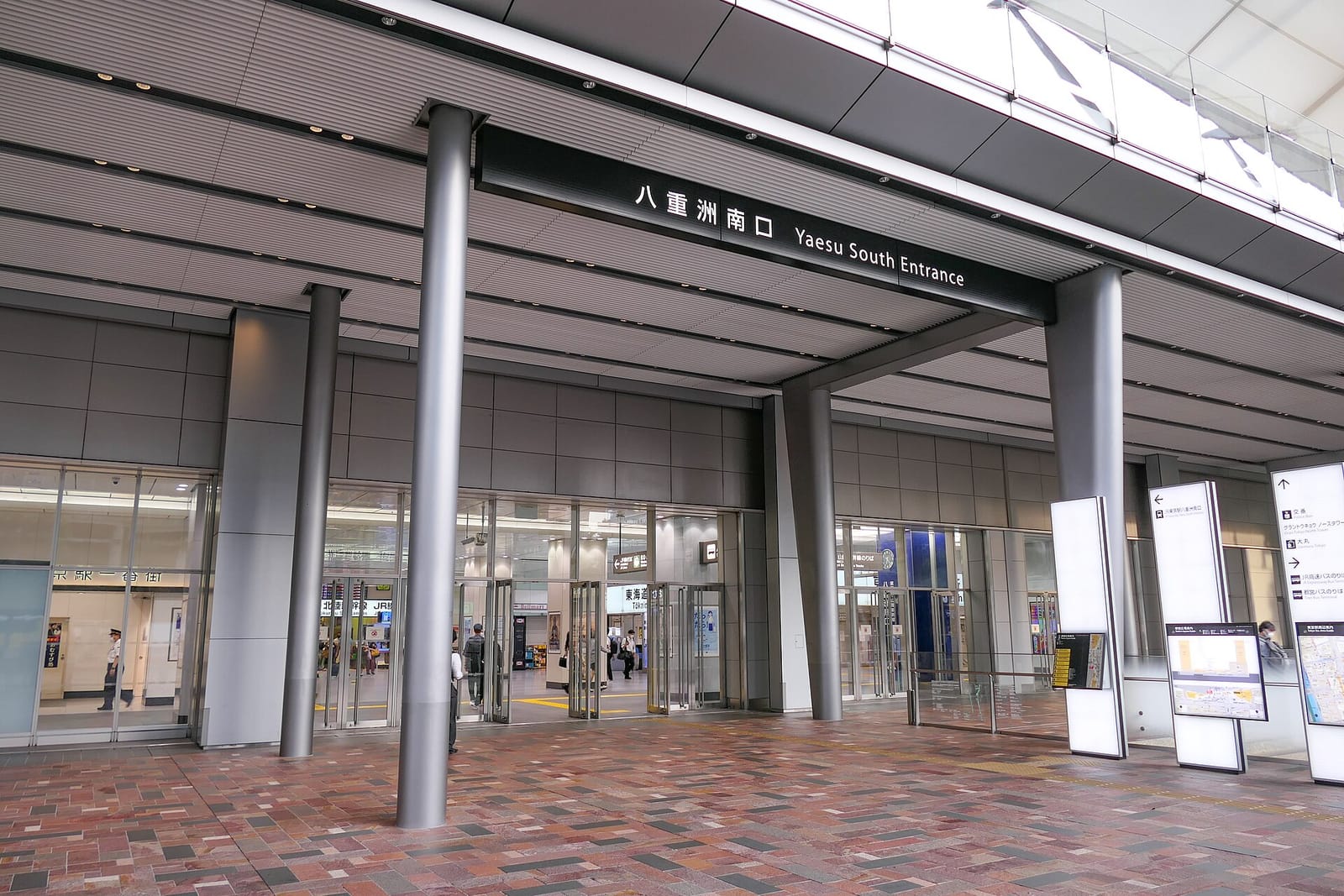
Why Tokyo Station as the base? GO TOKYO notes that the JR Yamanote Line circles central Tokyo from here, the Marunouchi Line runs direct to Ginza and Shinjuku, and buses leave from the Yaesu side for Haneda (30–55 minutes) and Narita (about 1 hour 20 minutes). If you arrive or leave on one of your two days, you can keep your bags at the hotel and still reach either side of the city quickly. For other bases, see where to stay in Tokyo for first-timers.
If you have a third day, our Tokyo 3-day itinerary adds Tsukiji, Ginza and the Imperial Palace. If you want both days in one district, two days in Shinjuku goes deeper there.
What does the clear-weather 2-day plan look like?
On a dry day, walk as much as you can: Senso-ji and Ueno Park on day 1, the forest approach at Meiji Jingu and the Harajuku-to-Shibuya walk on day 2, with SHIBUYA SKY’s open-air deck in the late afternoon.
Day 1, clear: Asakusa and Ueno
| Time | Where | Transport, ride time and fare (as of November 2026) |
|---|---|---|
| 8:30 | Leave Tokyo Station | JR Yamanote Line to Kanda, then Ginza Line to Asakusa: about 20 min; subway ¥180–¥330 plus JR fare |
| 9:00 | Senso-ji and Nakamise | 5 min walk from Asakusa Station |
| 11:00 | Ride to Ueno | Ginza Line, Asakusa to Ueno, direct; subway ¥180–¥330 |
| 11:30 | Ueno Park and the Ameyoko market street, lunch | Next to Ueno Station |
| 13:30 | Tokyo National Museum | About 10 min walk from JR Ueno Station |
| 16:30 | Back to Tokyo Station | JR Yamanote Line, about 8 min; JR fare |
| 18:00 | Dinner in Marunouchi or Ginza | Ginza is direct on the Marunouchi Line |
Day 2, clear: Meiji Jingu, Harajuku, Shibuya and Shinjuku
| Time | Where | Transport, ride time and fare (as of November 2026) |
|---|---|---|
| 8:45 | Leave from Otemachi, next to Tokyo Station | Chiyoda Line to Meiji-jingumae (Harajuku); subway ¥180–¥330 |
| 9:15 | Meiji Jingu | Entrance by Harajuku Station |
| 11:00 | Takeshita Street | Steps from Harajuku Station |
| 12:00 | Walk to Shibuya, lunch | About 20 min on foot |
| 14:00 | Shibuya Scramble Crossing | Outside Shibuya Station |
| 15:00 | SHIBUYA SKY, timed ticket | Directly connected to Shibuya Station; ¥3,400 online from 15:00 |
| 17:30 | Ride to Shinjuku | JR Yamanote Line, about 7 min; JR fare |
| 18:00 | Dinner in Shinjuku | West Exit side |
| 20:00 | Tokyo Metropolitan Government observatory | Free; last entry 21:30 |
| 21:30 | Back to Tokyo Station | Marunouchi Line from Shinjuku, direct, about 15 min; subway ¥180–¥330 |
Admissions on the clear plan: ¥1,000 at the museum and ¥3,400 at SHIBUYA SKY, so ¥4,400 per adult. If you would rather pay less than see the late light, book a SHIBUYA SKY slot before 15:00 at ¥2,700 online and move Takeshita Street to after the deck.
The 8:30 start on day 1 runs into the end of the morning rush. GO TOKYO puts rush hour at about 7:30 to 9:30 and 17:30 to 19:30, so with small children leave at 9:15 and cut the Ueno Park walk short.
What does the rainy-weather 2-day plan look like?
On a wet day, keep the short outdoor stops at Senso-ji and the Shibuya crossing, and put the long hours indoors: the Tokyo National Museum, Isetan Shinjuku’s food hall, the free observatory and Tokyo Station’s underground malls.
Day 1, rainy: a short Senso-ji, a long museum afternoon
| Time | Where | Transport, ride time and fare (as of November 2026) |
|---|---|---|
| 9:00 | Leave Tokyo Station | JR Yamanote Line to Kanda, then Ginza Line to Asakusa: about 20 min |
| 9:30 | Senso-ji main hall (allow 1 hour) | 5 min walk from Asakusa Station |
| 10:45 | Ride to Ueno | Ginza Line, direct; subway ¥180–¥330 |
| 11:15 | Lunch near Ueno Station | — |
| 12:15 | Tokyo National Museum (allow 3–4 hours) | About 15 min walk from the Ginza Line at Ueno, 10 min from JR |
| 16:00 | Back to Tokyo Station | JR Yamanote Line, about 8 min |
| 16:30 | GRANSTA and Yaesu Chikagai, dinner underground | Inside and next to Tokyo Station |
Day 2, rainy: Shinjuku indoors, Shibuya if the deck is open
| Time | Where | Transport, ride time and fare (as of November 2026) |
|---|---|---|
| 9:30 | Leave Tokyo Station | Marunouchi Line to Shinjuku-sanchome, direct; subway ¥180–¥330 |
| 10:00 | Isetan Shinjuku, B1 food hall | Exits B3, B4 and B5 connect directly to B1 |
| 11:30 | Lunch on Isetan’s 7F restaurant floor | Opens 11:00 |
| 13:00 | Tokyo Metropolitan Government observatory | Toei Oedo Line to Tochomae, Exit A4, about 1 min; subway ¥180–¥330 |
| 15:00 | Ride to Shibuya | JR Yamanote Line from Shinjuku, about 7 min |
| 15:15 | Shibuya Scramble Crossing, then SHIBUYA SKY if open | Directly connected to the station |
| 18:00 | Dinner in Shibuya, then back to Tokyo Station | JR Yamanote Line, about 23 min |
Admissions on the rainy plan: ¥1,000 at the museum, plus ¥3,400 only if SHIBUYA SKY is open and you go. Note that SHIBUYA SKY tickets are for a set time and GO TOKYO says there are no refunds after entry, so on a showery day check the deck’s status before you buy at the counter.
Why put Isetan first? The store opens at 10:00 and its restaurant floor at 11:00, so the morning and lunch fit there, while the observatory is open until 22:00 and works at any hour. The rainy version also suits a day 2 that falls on the 1st or 3rd Tuesday of the month, when the South observation deck closes: the North deck is open until 17:30 (to 22:00 on those days), so an afternoon visit is safe either way.
For more covered stops near Shinjuku Station, see our rainy-day Shinjuku guide and the Shinjuku depachika food hall guide.
Do you need the 48-hour Tokyo Subway Ticket?
No. For either version of this plan, tap an IC card such as Suica or PASMO instead. The ticket would need twice as many subway rides as the plan uses.
The numbers, as of November 2026:
- Price. GO TOKYO lists the 48-hour Tokyo Subway Ticket at ¥1,500 for adults and ¥750 for children. It covers Tokyo Metro and Toei Subway lines only, so the JR Yamanote Line legs in this plan are never included.
- Clock. A paper ticket runs for 48 hours from first use; a ticket loaded on a PASMO runs from the time you buy it.
- Break-even. Subway fares start at ¥180. ¥1,500 ÷ ¥180 is 8.3, so you need 9 minimum-fare rides in 48 hours.
| Plan | Subway rides | Count |
|---|---|---|
| Clear | Kanda → Asakusa, Asakusa → Ueno (Ginza Line); Otemachi → Meiji-jingumae (Chiyoda Line); Shinjuku → Tokyo (Marunouchi Line) | 4 |
| Rainy | Kanda → Asakusa, Asakusa → Ueno (Ginza Line); Tokyo → Shinjuku-sanchome (Marunouchi Line); Shinjuku → Tochomae (Toei Oedo Line) | 4 |
Even at the top single fare of ¥330, four rides come to ¥1,320, still under the ticket price. The ticket starts to make sense only if your hotel is far from both clusters or you add several evening trips. Our Tokyo Subway Ticket guide runs the maths for longer stays.
What are the stops, in route order?
Tick “Add to my route” on the stops you want, and the box at the end of the page opens them in order in Google Maps. Stops 1 to 4 are day 1; stops 5 to 8 are day 2.
Tokyo Station
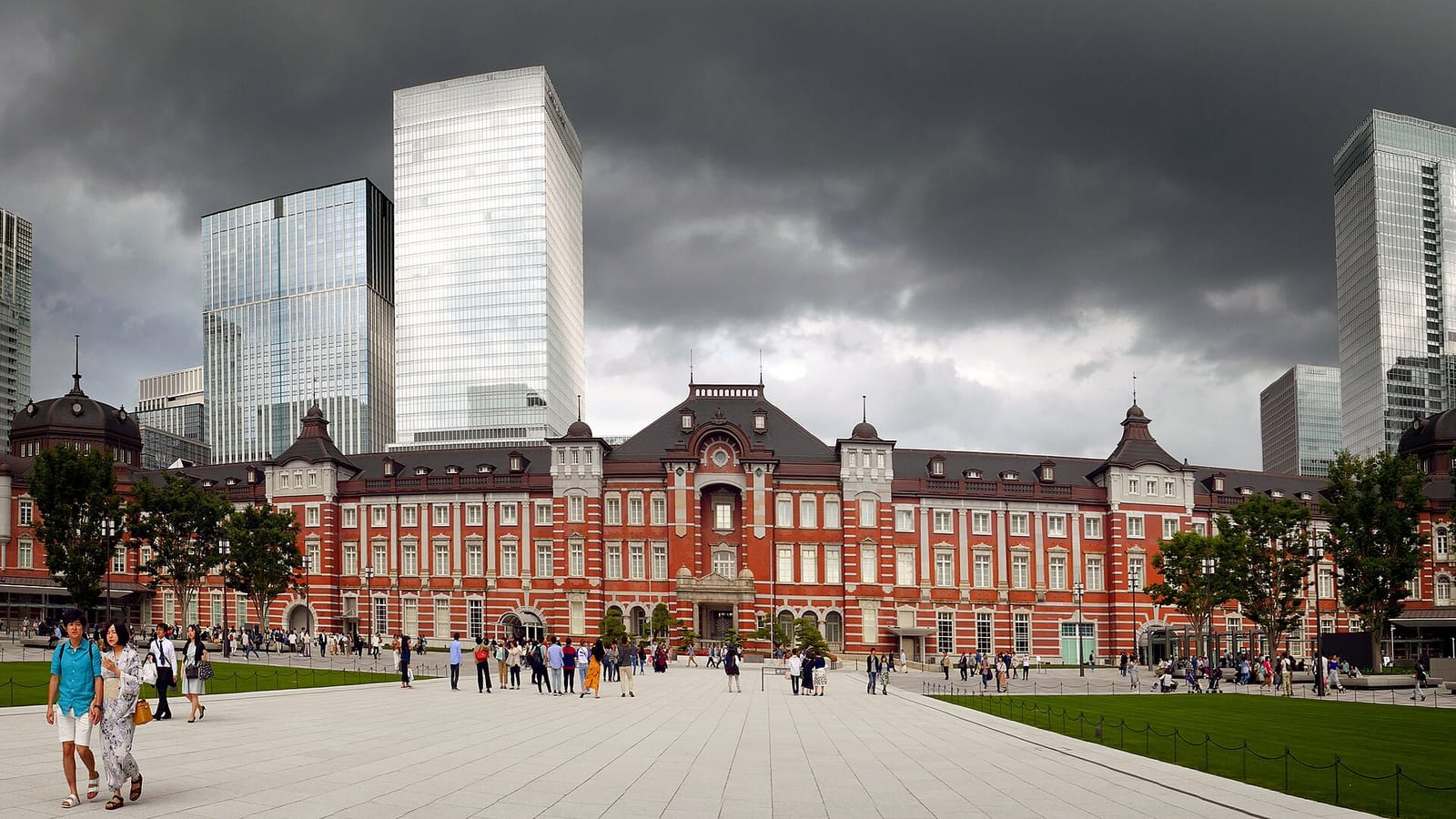
The base for both days. On a rainy evening you do not have to leave the building: GO TOKYO describes GRANSTA as a maze of shops and restaurants inside and outside the ticket gates, and Yaesu Chikagai as an underground mall of about 180 shops, around 60 of them places to eat. Our guide to the best hotels near Tokyo Station compares the exits.
- Access
- JR Yamanote Line, Marunouchi Line, Shinkansen; Otemachi subway station next door
- Source
- www.gotokyo.org
Senso-ji
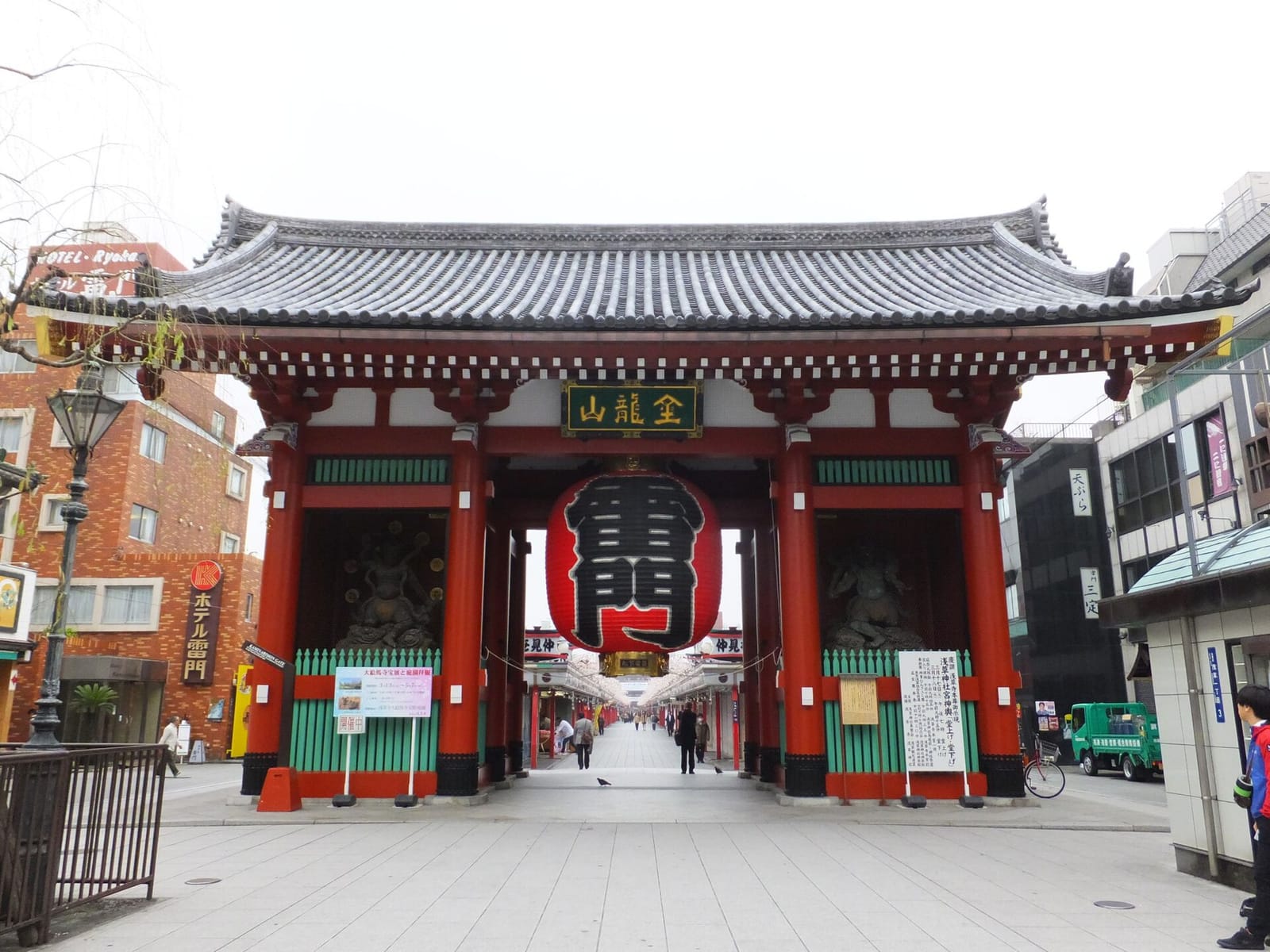
Enter through the Kaminarimon gate and walk the Nakamise shopping street to the main hall. On the clear plan you have two hours here; on a wet day, one hour for the gate, the street and the main hall is enough. GO TOKYO puts Asakusa about 20 minutes from Tokyo Station via Kanda.
- Hours
- Main hall 6:00–17:00; opens 6:30 from October to March (as of November 2026)
- Price
- Free
- Access
- 5 min walk from Asakusa Station (Ginza Line; Toei Asakusa Line Exit A4; Tobu)
- Source
- www.senso-ji.jp
Ueno Park and Ameyoko
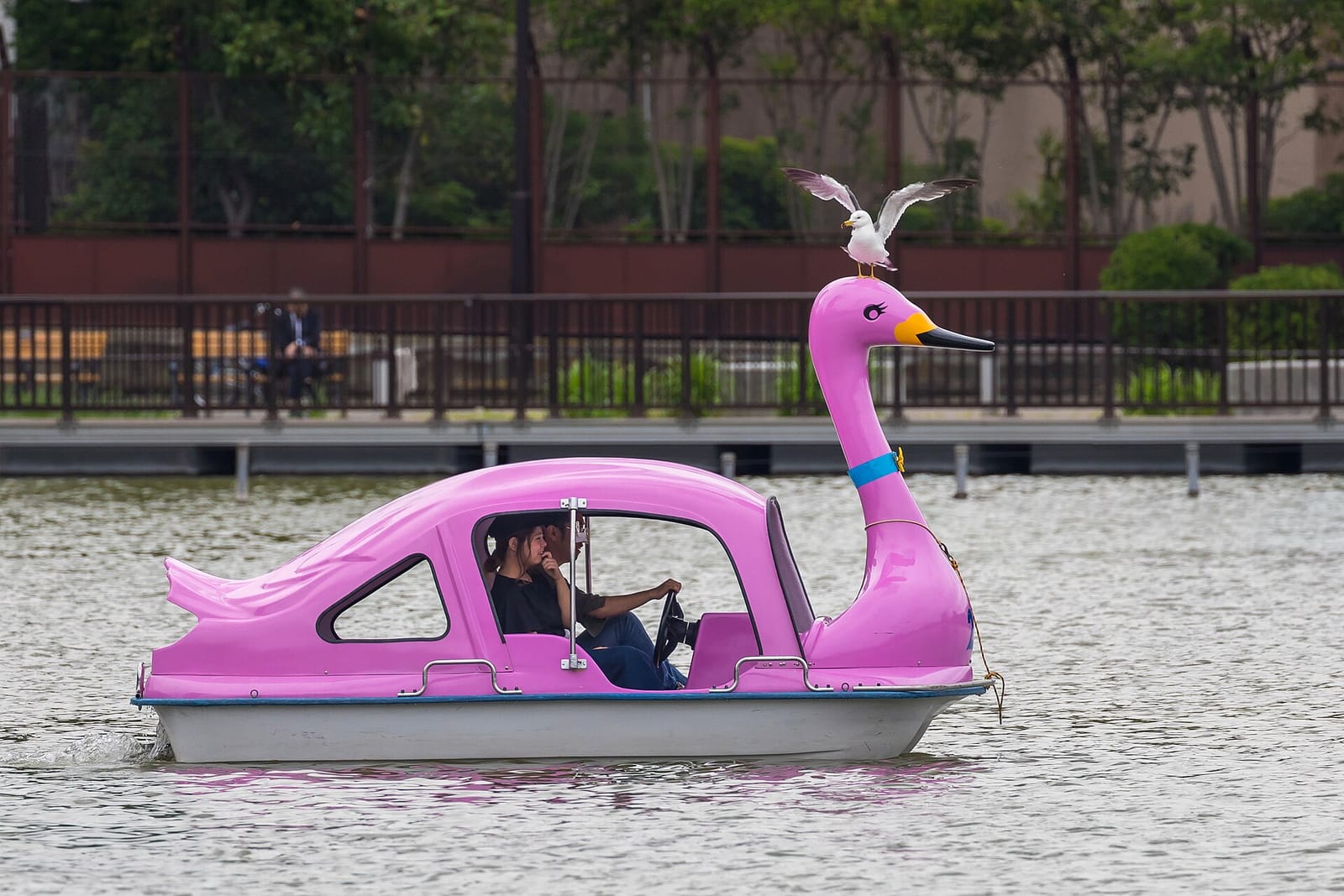
GO TOKYO describes Ueno Park as home to several museums, a large boating pond, a shrine with a pagoda and Japan’s oldest zoo. Ameyoko, the market street of about 500 meters by the station, began as a post-war black market and is known for cheap street food, fresh food and cosmetics. On the clear plan, eat lunch here before the museum.
- Access
- Next to JR Ueno Station
- Source
- www.gotokyo.org
Tokyo National Museum
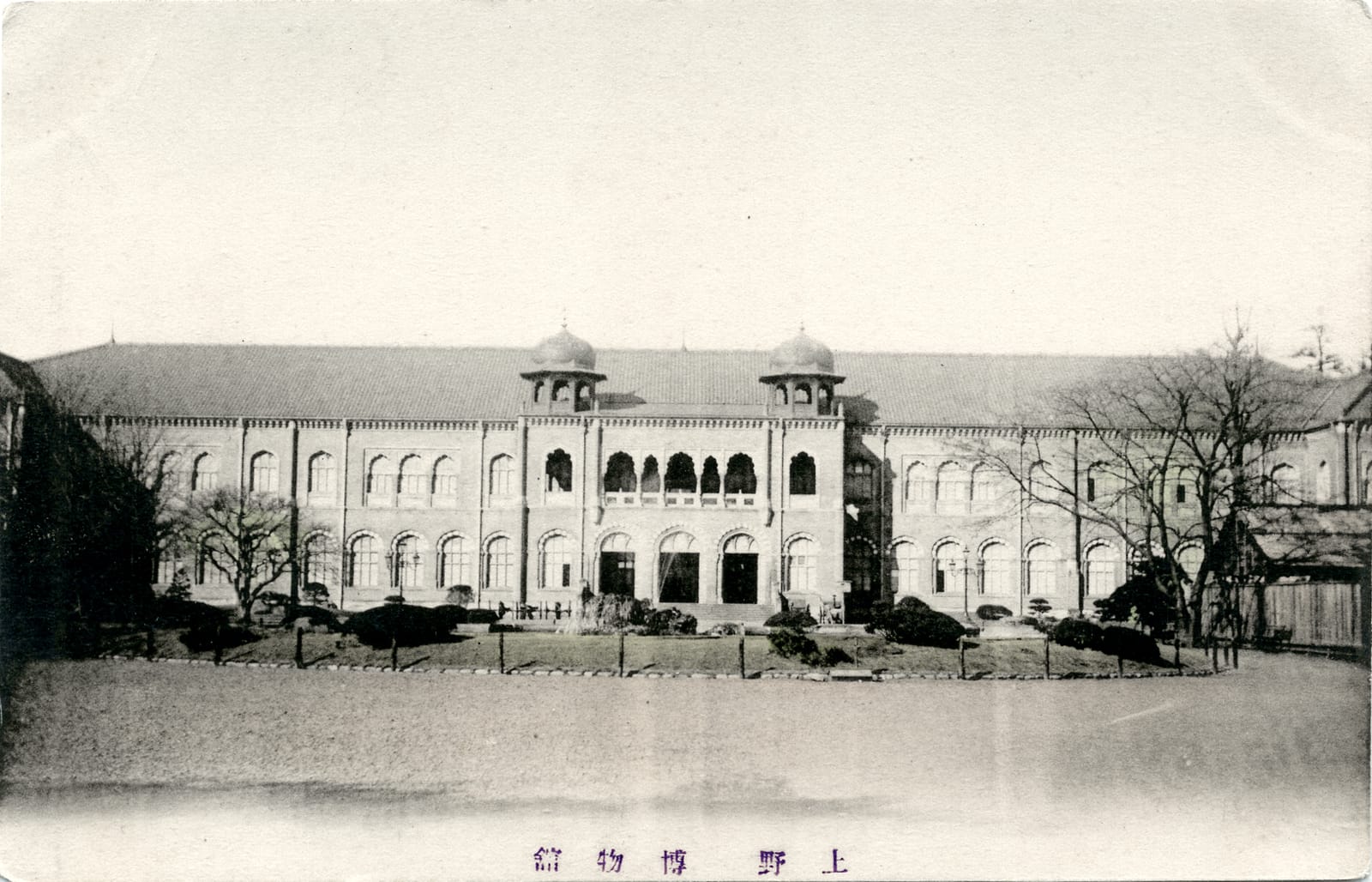
The indoor anchor of day 1 in both versions. If day 1 is a Friday or Saturday, the late opening to 20:00 lets you start the rainy-day visit after lunch and still have more than six hours. From December 22 to 25, 2026, only the Gallery of Horyuji Treasures and the Kuroda Memorial Hall are open, so check the museum’s calendar before a December trip.
- Hours
- 9:30–17:00; to 20:00 on Fridays, Saturdays and Sundays before a Monday holiday; last entry 30 min before closing; closed Mondays, December 15 and December 26–31, 2026
- Price
- Collection exhibitions ¥1,000 adults; free under 18 and over 70 (as of November 2026)
- Access
- About 10 min walk from JR Ueno Station; about 15 min from the Ginza or Hibiya Line at Ueno
- Source
- www.tnm.jp
Meiji Jingu
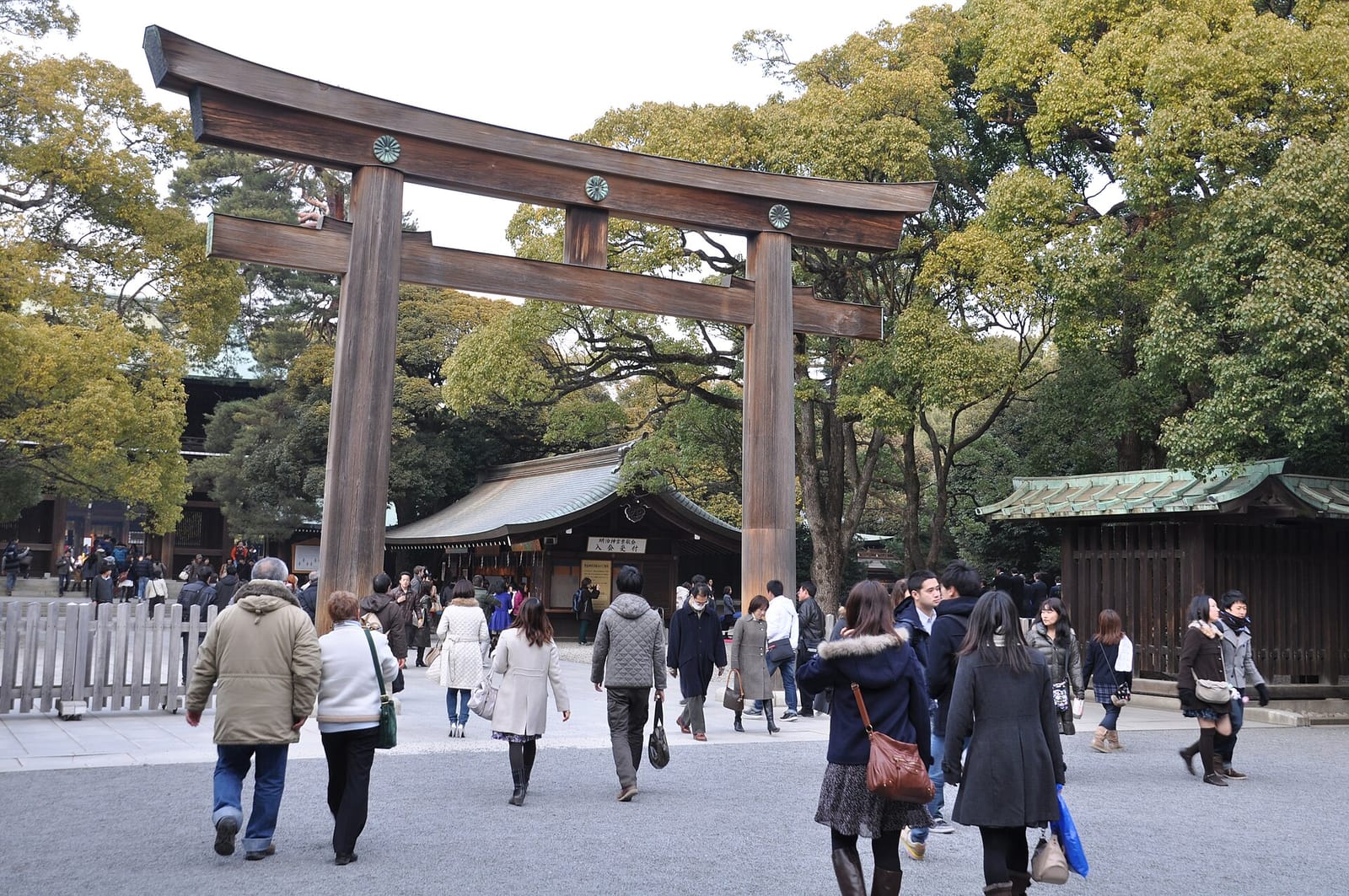
The first stop of the clear day 2. The approach from the entrance to the main buildings is a walk under the trees, so the clear plan leaves the whole morning before Takeshita Street. On the rainy plan, skip it: the walk is outdoors, and the gates close in the late afternoon, before you could come back on a better hour.
- Hours
- Sunrise to sunset: 6:10–16:10 in November, 6:40–16:00 in December, 6:40–16:20 in January; some facilities 9:00–16:00
- Price
- Free
- Access
- Harajuku Station (JR Yamanote Line) or Meiji-jingumae Station (Chiyoda and Fukutoshin Lines)
- Source
- www.meijijingu.or.jp
SHIBUYA SKY
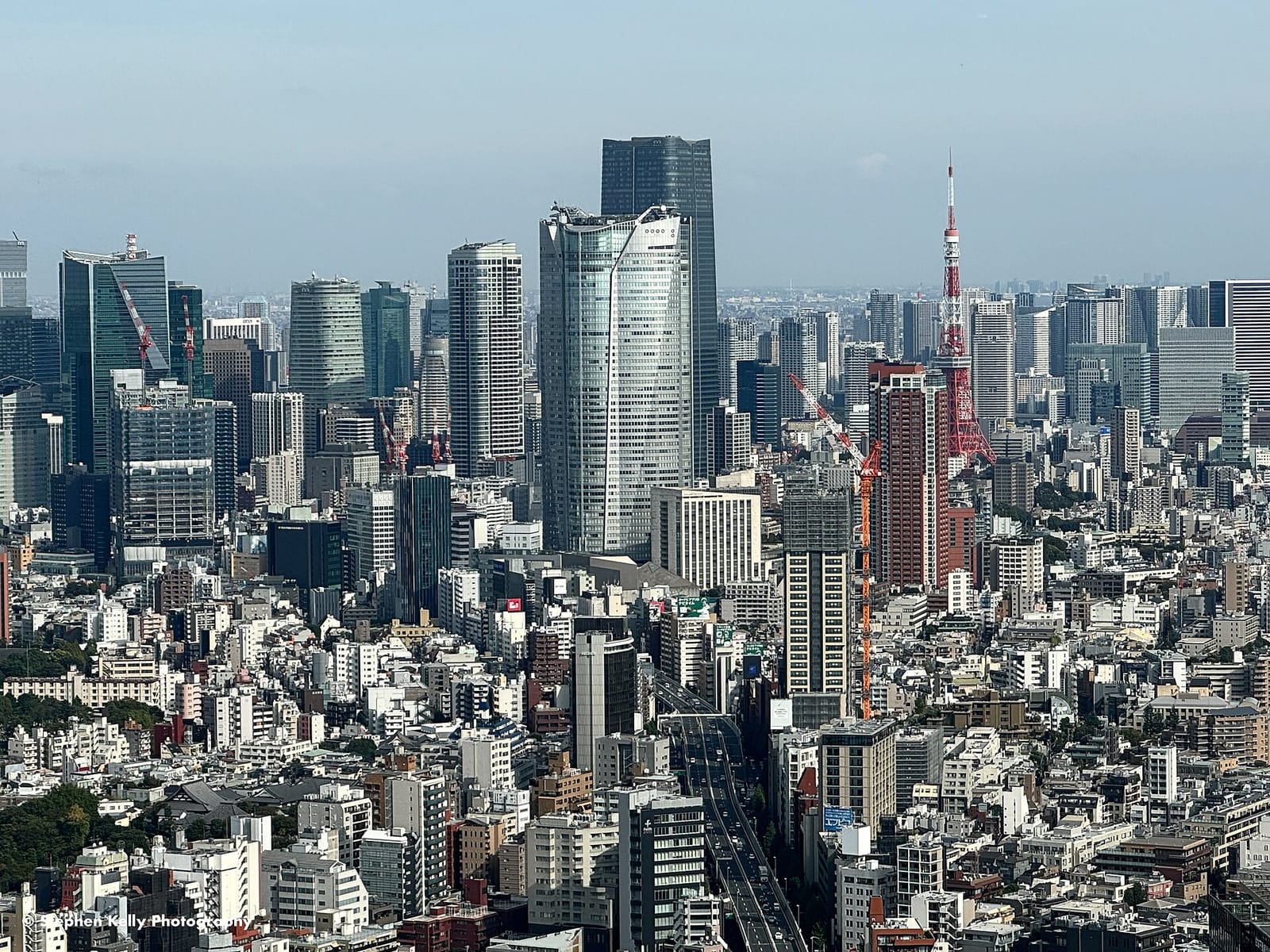
The open-air deck above Shibuya Station, and the view over the Scramble Crossing below. GO TOKYO notes that if online adult tickets sell out, the counter does not sell any either, and that the deck may close in bad weather or strong wind. On the clear plan, book online as soon as your date is fixed; see how to book SHIBUYA SKY tickets.
- Hours
- 10:00–22:30, last entry 21:20; closed January 1 (as of November 2026)
- Price
- Adults online ¥2,700 before 15:00, ¥3,400 from 15:00; at the counter ¥3,000 / ¥3,700 (as of November 2026)
- Access
- Directly connected to Shibuya Station
- Source
- www.gotokyo.org
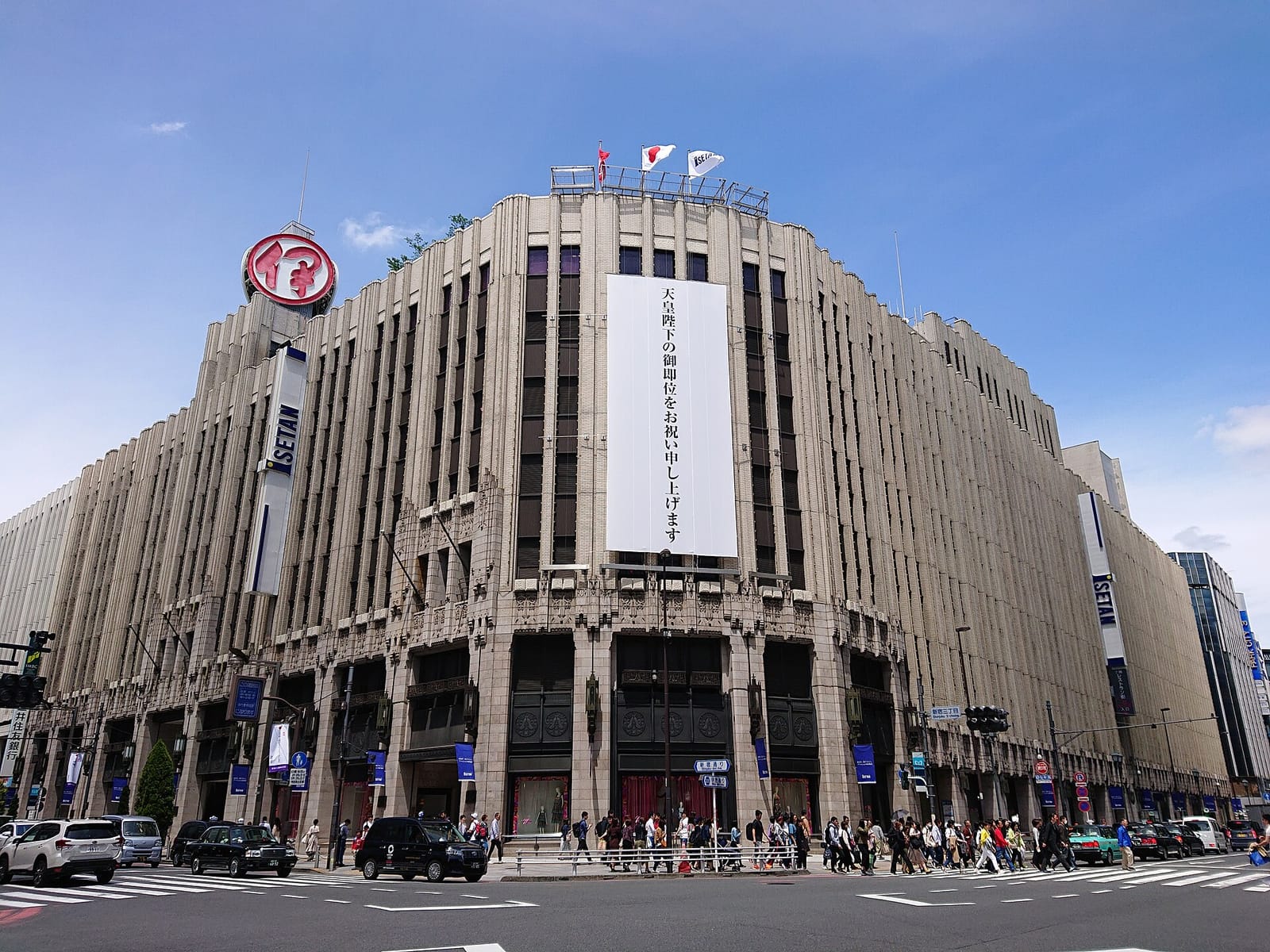
Isetan Shinjuku
The first stop of the rainy day 2, reached without going outside from the Marunouchi Line. The food hall is on B1, the restaurant floor on 7F and the tax-free counter on 6F. Our depachika guide explains how to buy and where to eat what you buy.
- Hours
- 10:00–20:00; 7F restaurants 11:00–22:00, varies by shop (as of November 2026)
- Price
- Free to browse
- Access
- Shinjuku-sanchome Station Exits B3, B4 and B5 connect directly to B1; about 5 min walk from JR Shinjuku Station
- Source
- cp.mistore.jp
Tokyo Metropolitan Government Building observatory
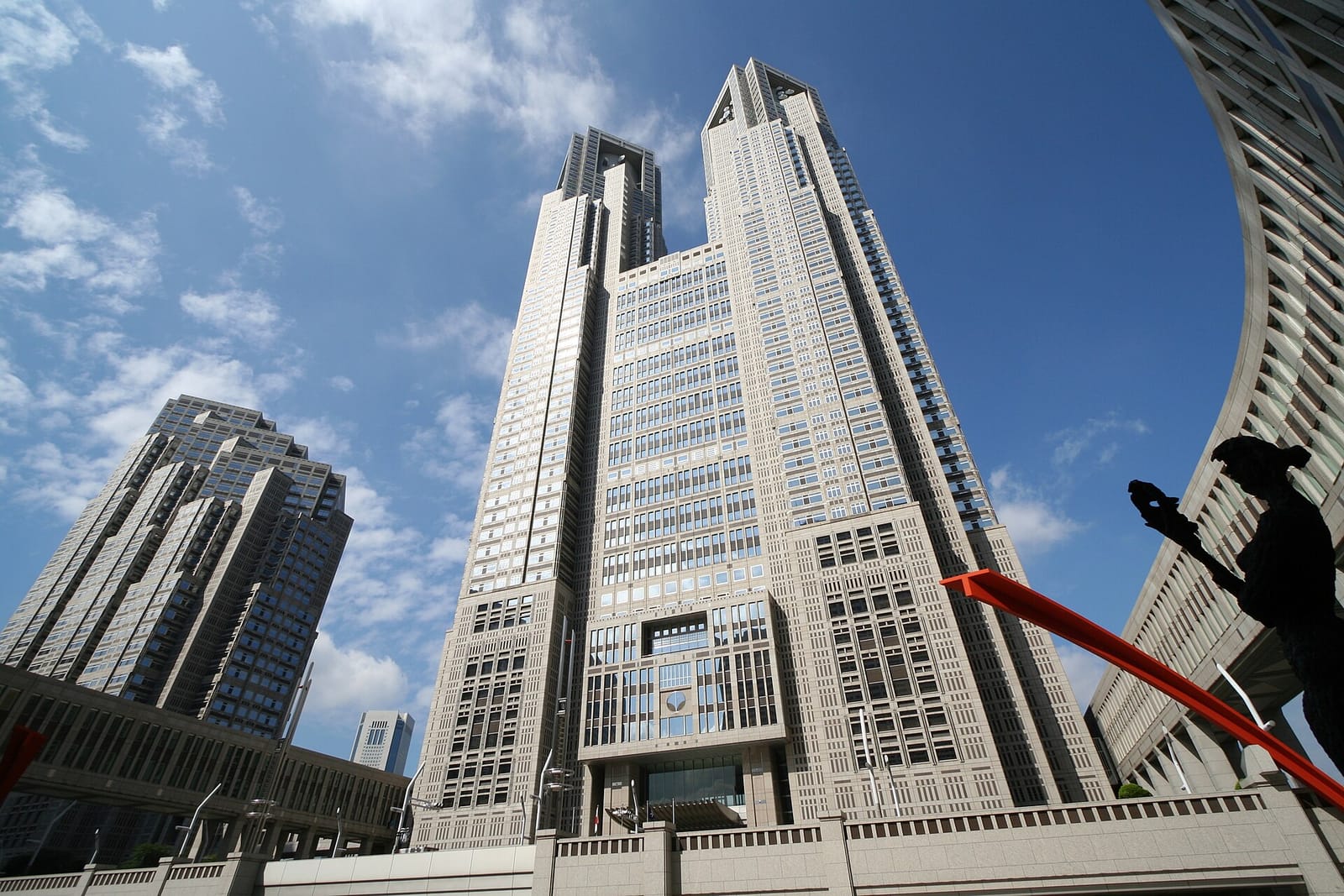
A free view from the 45th floor, 202 meters up, in both versions of day 2: after dinner on the clear plan, in the early afternoon on the rainy one. Take the observatory elevator from the 1st floor of the No. 1 Building; on weekends and holidays the 2nd-floor entrance is closed. Our observatory guide compares the two decks.
- Hours
- South deck 9:30–22:00 (last entry 21:30), closed 1st and 3rd Tuesdays; North deck 9:30–17:30 (last entry 17:00), closed 2nd and 4th Mondays; both closed December 29–31 and January 2–3
- Price
- Free
- Access
- About 1 min walk from Tochomae Station Exit A4 (Toei Oedo Line)
- Source
- www.zaimu.metro.tokyo.lg.jp
What if the plan goes wrong on the day?
Keep the stops with fixed hours and drop the walks. If you start day 1 late, skip Ueno Park and go straight from Asakusa to the museum, which takes its last visitors 30 minutes before closing. If day 2 starts late in winter, go to Meiji Jingu first anyway; after the 16:00–16:20 closing you cannot get in, while Takeshita Street and Shibuya stay open into the evening.
If it rains on only one day, use the clear version for the other; the two days are independent. If day 1 lands on a Monday, swap the days, so the museum falls on Tuesday. And if you only want the west side, our Shinjuku and Shibuya in one day plan has winter and summer timings for that half.
Trains run from about 5:00 to 24:00, and GO TOKYO puts the last trains at about 23:30 to 0:30, so a late dinner in Shinjuku or Shibuya still leaves time to ride back to Tokyo Station.
What to pack before you go
Maps, train apps and translation drain a phone by mid-afternoon. Keep it in your carry-on: power banks are not allowed in checked luggage.
Japan still runs on coins: there are six of them, from 1 to 500 yen, and you collect a pocketful fast. A holder with a slot for each coin lets you pay the exact amount at ticket machines, shrines and small shops without digging.
 Imperial Palace East Gardens and Marunouchi With Elderly Parents
 Tokyo Station to Narita by Bus: The ¥1,500 TYO-NRT From Yaesu
FAQ
Is 2 days in Tokyo enough?
Two days is enough for one side of the city per day: Asakusa and Ueno in the east, Harajuku, Shibuya and Shinjuku in the west. It is not enough for Tsukiji, Ginza or a day trip as well; for that, see a 3-day plan.
Should I buy the 48-hour Tokyo Subway Ticket for 2 days?
Not for this itinerary. The adult ticket costs ¥1,500 and subway fares start at ¥180, so you need 9 rides to break even (as of November 2026). This plan uses about 4 subway rides, and the JR Yamanote Line legs are not covered.
What can you do in Tokyo for 2 days when it rains?
Keep the same two areas and move indoors: the Tokyo National Museum in Ueno, Isetan Shinjuku's basement food hall, the free observatory at the Tokyo Metropolitan Government Building and the underground malls at Tokyo Station. SHIBUYA SKY's open-air deck may close in bad weather or strong wind.
Where should you stay for 2 days in Tokyo?
Tokyo Station is the easiest base for this plan: the JR Yamanote Line reaches Ueno in about 8 minutes, the Marunouchi Line runs direct to Shinjuku in about 15, and airport buses leave from the Yaesu side. Shinjuku is the main alternative if most of your time is on the west side.
Sources
- GO TOKYO — Tokyo Station & Marunouchi area (lines, Shinjuku time, airport buses, underground malls)
- GO TOKYO — Cheap tickets & IC cards (Tokyo Subway Ticket prices and validity)
- GO TOKYO — How to use the Tokyo subway system (fares, rush hours, operating hours)
- GO TOKYO — Asakusa (access from Tokyo Station)
- Senso-ji — About the temple, opening hours (Japanese)
- Senso-ji — Access (Japanese)
- GO TOKYO — Ueno travel guide (Ameyoko, Ueno Park, access from Tokyo Station)
- Tokyo National Museum — Visitor information
- Meiji Jingu — How to visit (opening hours by month)
- GO TOKYO — Harajuku (stations, Takeshita Street, walk to Shibuya)
- GO TOKYO — Shibuya (lines and travel times)
- GO TOKYO — SHIBUYA SKY (hours, ticket prices, weather closures)
- Isetan Shinjuku — Store information (hours, food hall, access)
- GO TOKYO — Tokyo Metropolitan Government No.1 Building (access)
- Tokyo Metropolitan Government — Observatory visitor guide (Japanese)
This article contains affiliate links. We may earn a commission at no extra cost to you.